


Primary sourceDocument1637
La Géométrie
René Descartes · 1637
Descartes's 1637 mathematical appendix that united algebra and geometry, founding analytic geometry and modern algebraic notation.
Descartes's own mathematical appendix, source of analytic geometry and the coordinate system named after him.
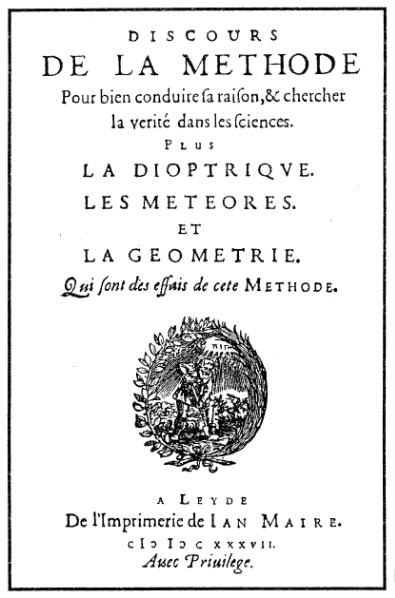
About this source
What it is
A mathematical appendix written by René Descartes, published in 1637 alongside the Discourse on Method. It introduced the idea of translating geometric shapes into algebraic equations and the notation for variables and powers still used today.
Why it matters
This short text had an outsized influence: it founded analytic geometry and shaped the mathematical ideas later used by Leibniz and Newton in developing calculus. It shows Descartes's ambition to apply his new method of reasoning not just to philosophy but to mathematics, transforming how problems could be solved.
Look closer
- Why might Descartes have deliberately left out many details, saying he wanted to give readers 'the pleasure of discovering it for themselves'?
- How does joining algebra and geometry change the way a mathematical problem can be approached?
- What does the notation he introduced (like x, y, z) still look like in today's mathematics?
This document is part of the curated material that grounds the AI version of Rene Descartes on Humy.ai — when students ask about related events, the AI can quote it and cite it.
More Rene Descartes sources
Meet the AI Rene Descartes →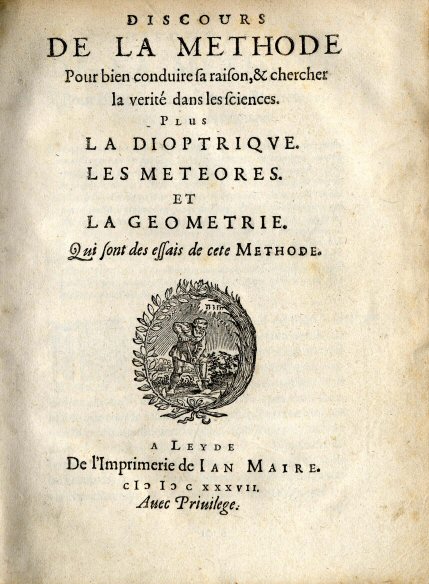 Book
Primary source
Discourse on the Method
René Descartes · 1637
 Book
Primary source
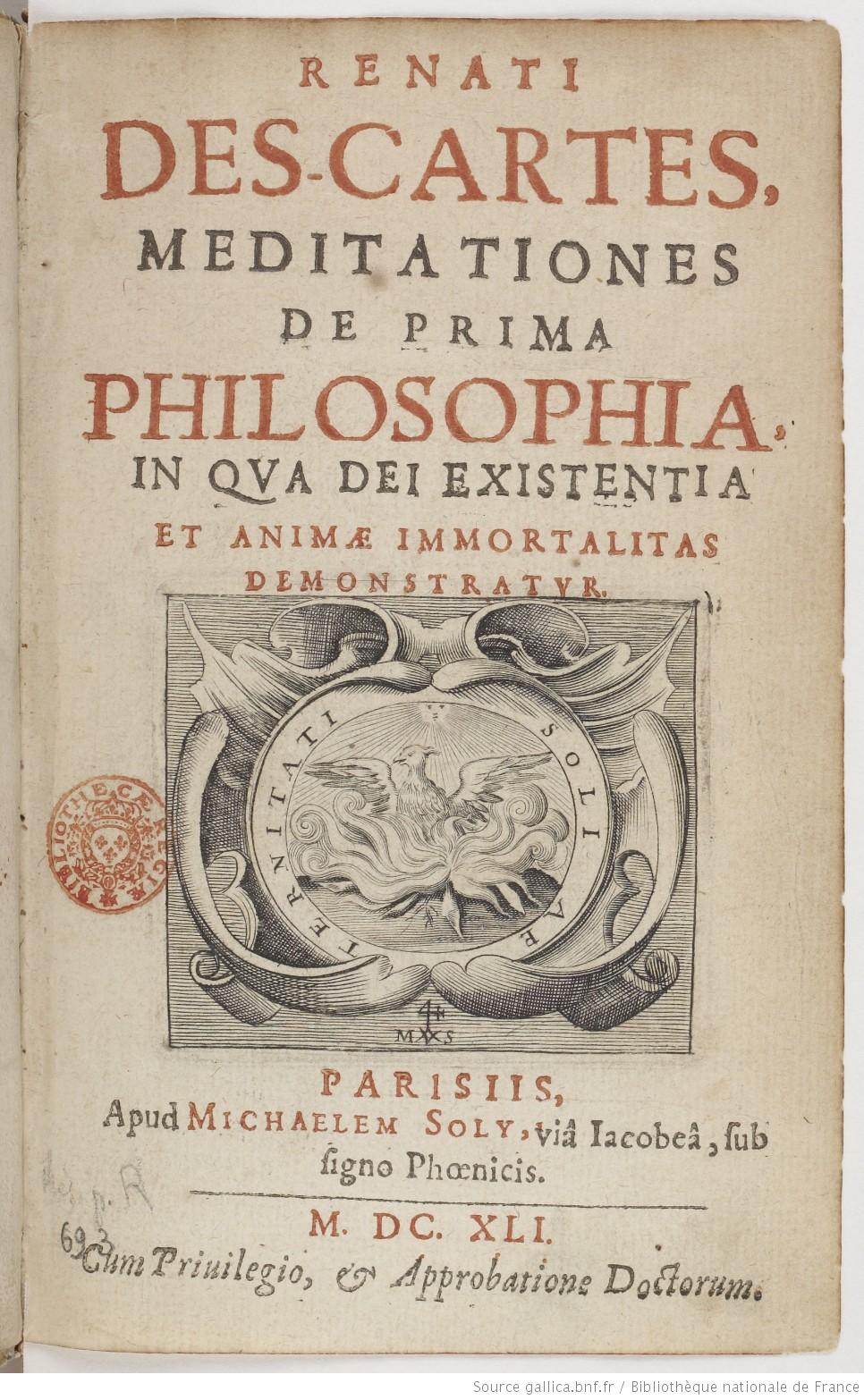
Meditations on First Philosophy
René Descartes · 1641
 Painting
Primary source
Portrait of René Descartes
Frans Hals · 1649
 Book
Primary source
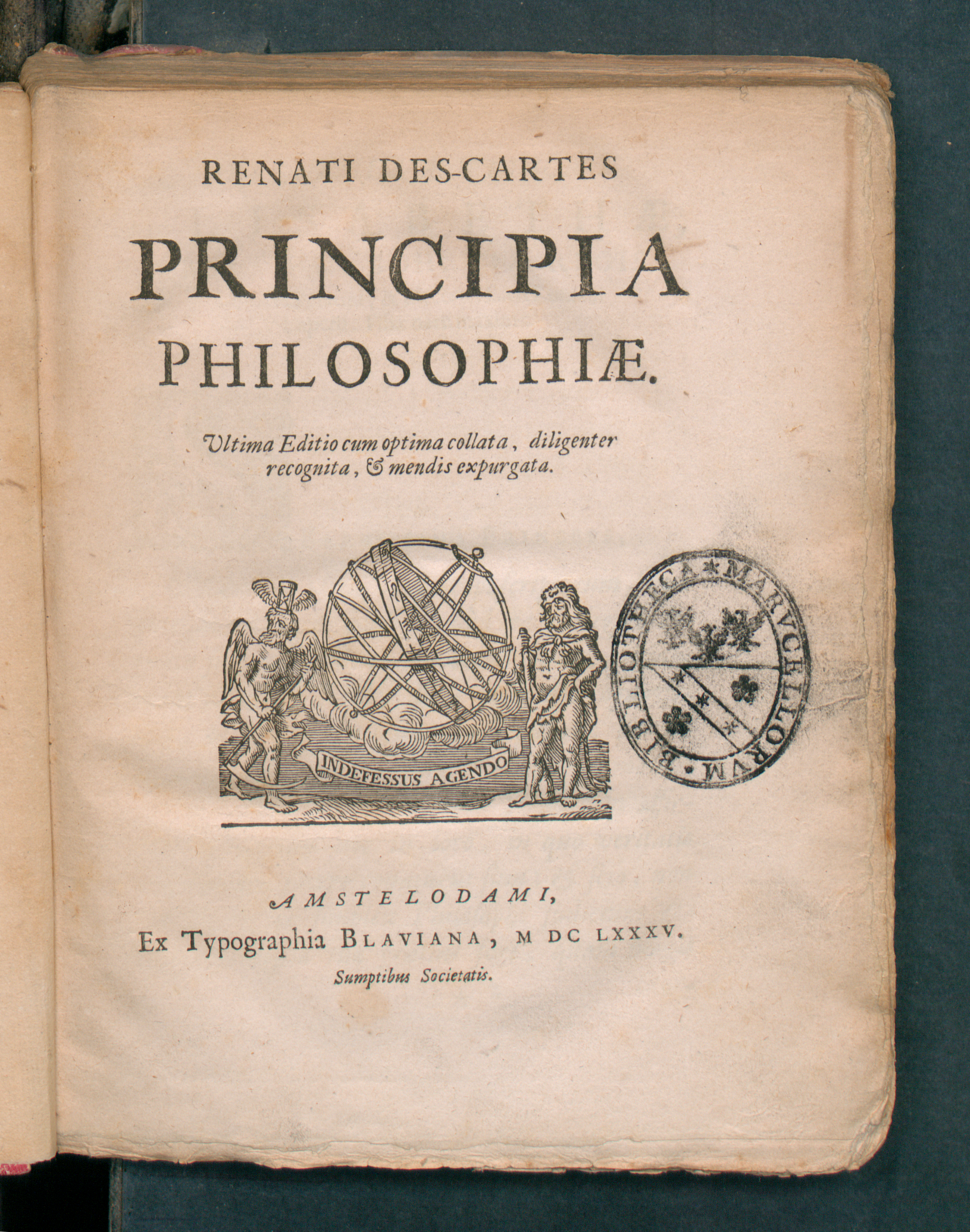
Principles of Philosophy
René Descartes · 1644
 Book
Primary source
Passions of the Soul
René Descartes · 1649
Ready when you are
Start chatting with Rene Descartes now.
20 messages free · No credit card · Available in 50+ languages.