


Primary sourceBook1641
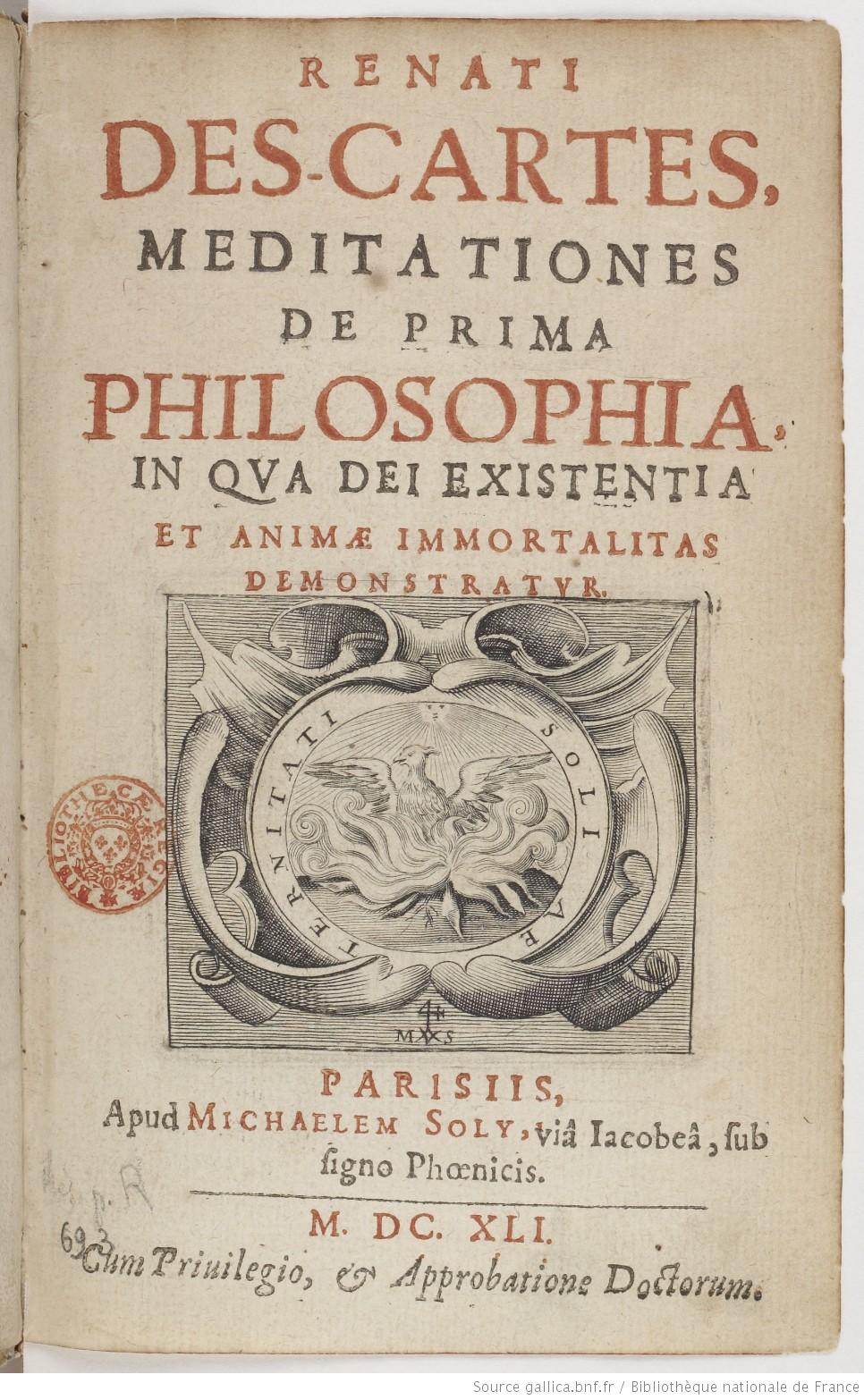
Meditations on First Philosophy
René Descartes · 1641
Descartes's 1641 Latin treatise moving from radical doubt to the cogito, the existence of God, and the distinction of mind and body.
Descartes's central metaphysical work, written to demonstrate the existence of God and the soul through reason alone.
About this source
What it is
A philosophical treatise written in Latin by René Descartes, first published in 1641. It is structured as six days of meditation, in which Descartes strips away everything he cannot be certain of, then tries to rebuild knowledge from secure foundations. The first edition included Objections and Replies from other thinkers, including Hobbes, Gassendi and Arnauld.
Why it matters
This is considered one of the most influential philosophical texts ever written. It shows Descartes not working alone but in dialogue with contemporaries who challenged his ideas, revealing how philosophical arguments were tested and debated in his time.
Look closer
- Why does Descartes write in the first person, as if inviting the reader to meditate along with him?
- What is gained by publishing objections from critics alongside the original argument?
- What might it mean that the dedication asks theologians for protection of the work?
This book is part of the curated material that grounds the AI version of Rene Descartes on Humy.ai — when students ask about related events, the AI can quote it and cite it.
More Rene Descartes sources
Meet the AI Rene Descartes →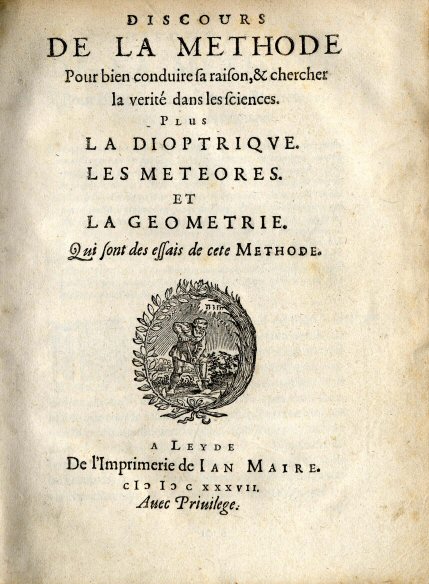 Book
Primary source
Discourse on the Method
René Descartes · 1637
 Document
Primary source
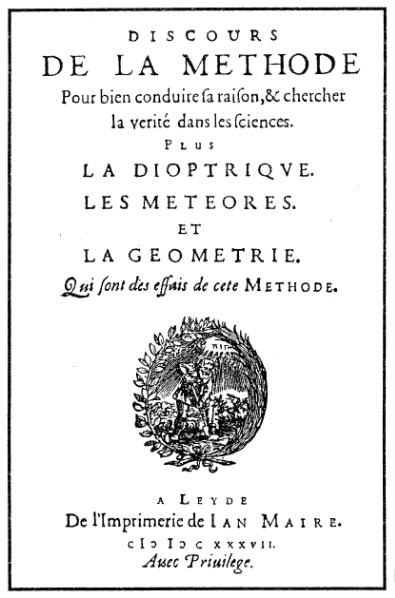
La Géométrie
René Descartes · 1637
 Painting
Primary source
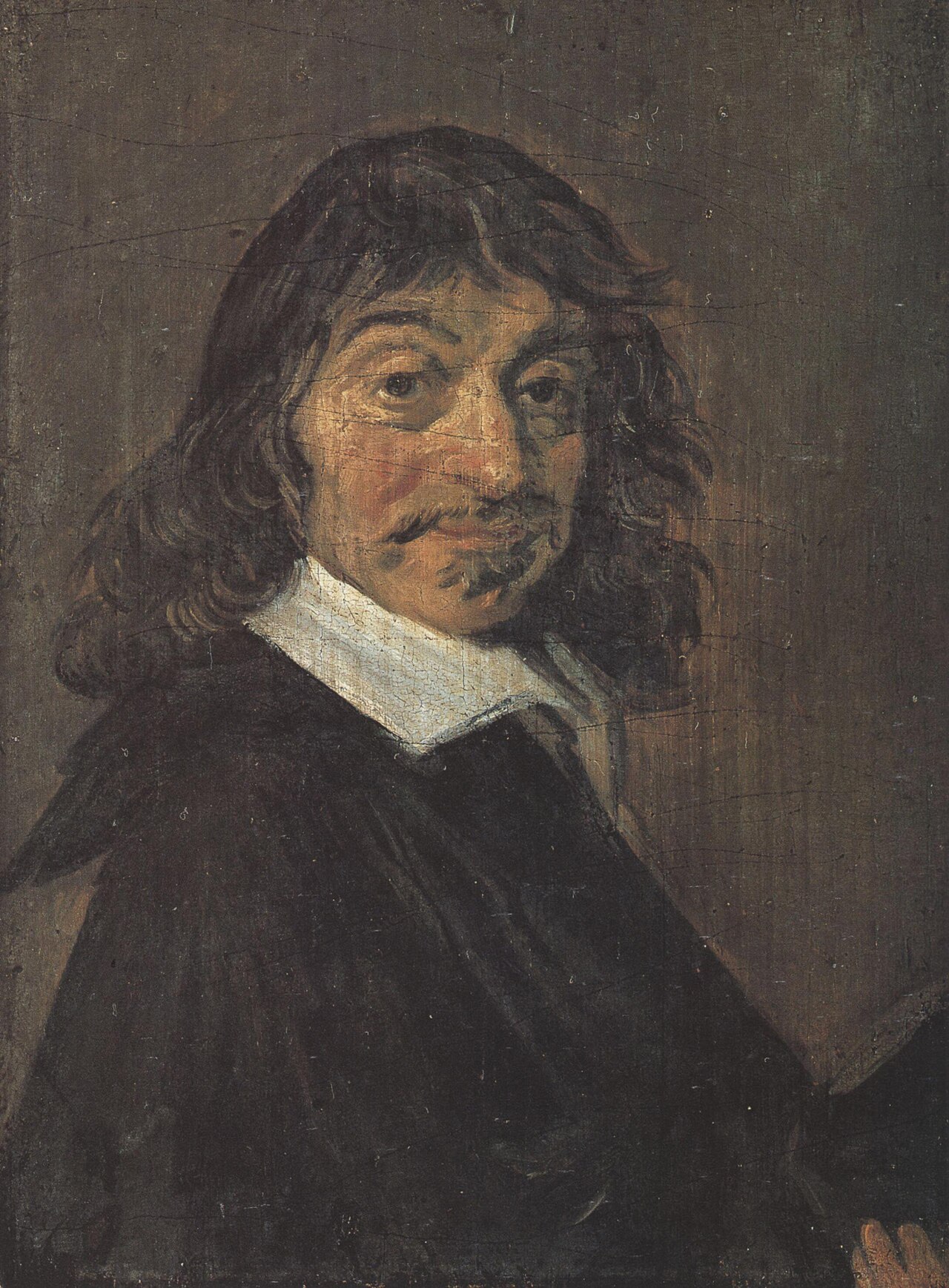
Portrait of René Descartes
Frans Hals · 1649
 Book
Primary source
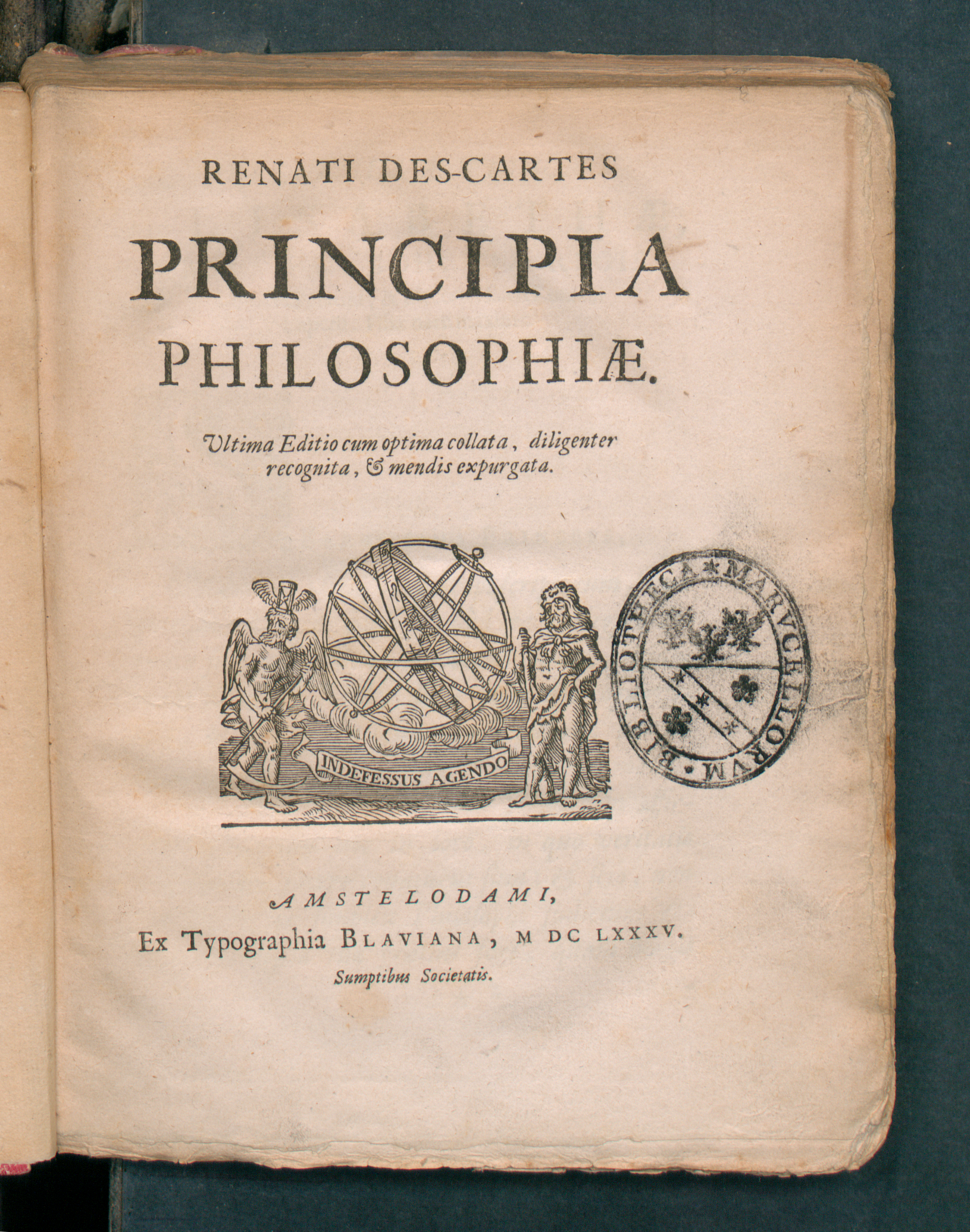
Principles of Philosophy
René Descartes · 1644
 Book
Primary source
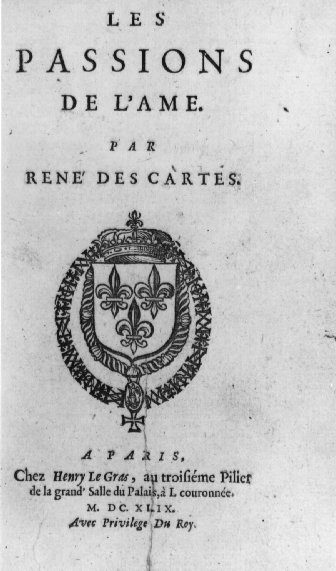
Passions of the Soul
René Descartes · 1649
Ready when you are
Start chatting with Rene Descartes now.
20 messages free · No credit card · Available in 50+ languages.