


Secondary sourceArtifact1723–1735
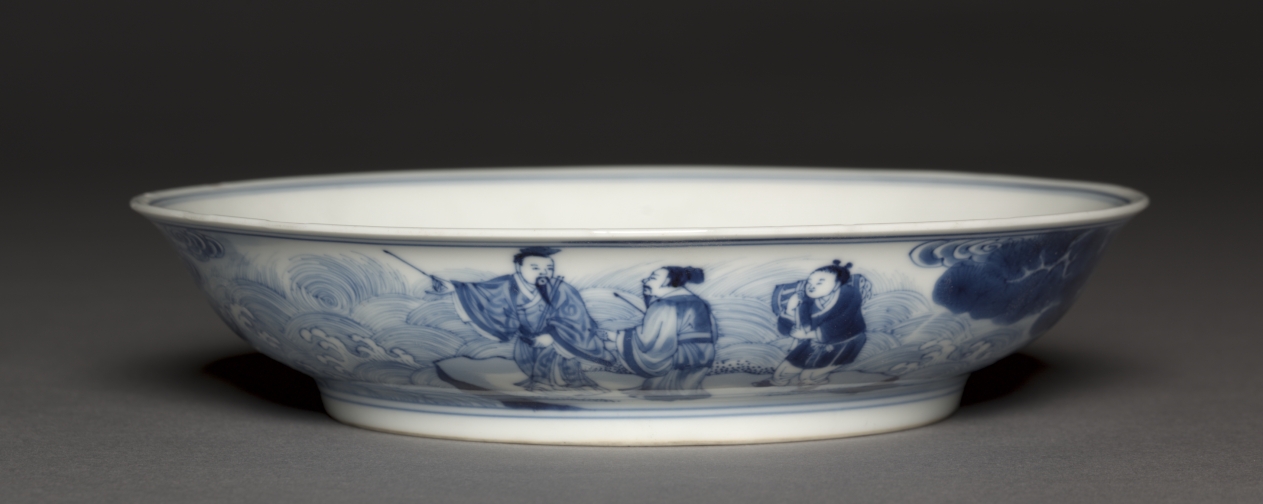
Dish with Laozi Riding a Water Buffalo
1723–1735
A Qing dynasty porcelain dish painted with a scene of Laozi riding a buffalo, accompanied by servants and greeted by a scholar.
Depicts the legendary scene of Laozi riding a buffalo, showing how later generations imagined and honored him.
About this source
What it is
This is a porcelain dish made during the Qing dynasty, dating to the early 1700s. The inside of the dish shows an elderly Laozi riding a water buffalo, joined by three servants and greeted by a scholar-like figure. The outside shows a rocky landscape with other figures. It is held today by the Cleveland Museum of Art.
Why it matters
Laozi is remembered as the sage believed to have lived in the sixth century BC and is traditionally credited as the author of the Daode jing, a foundational text of Daoism. This dish shows how, many centuries after he supposedly lived, Chinese artists and craftsmen still used his image to decorate luxury objects, blending painting techniques from paper and silk with porcelain. It reveals how legends about Laozi stayed alive in popular art long after his time.
Look closer
- Why might a craftsman choose to paint a philosopher's legend onto a household object like a dish?
- What does the buffalo and the scholar figure suggest about how Laozi was imagined by later generations?
- What techniques from painting on paper or silk can you spot being used on this porcelain surface?
This artifact is part of the curated material that grounds the AI version of Laozi on Humy.ai — when students ask about related events, the AI can quote it and cite it.
More Laozi sources
Meet the AI Laozi →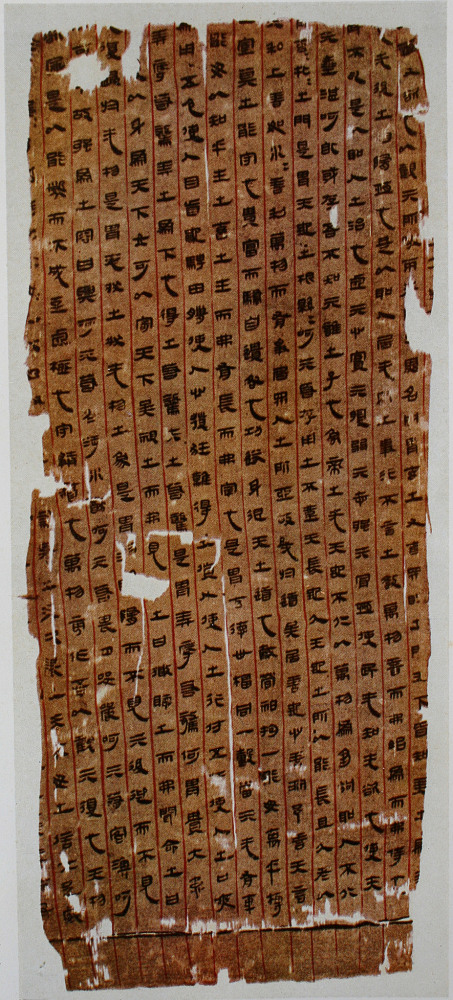 Book
Secondary source
Tao Te Ching
Laozi · c. 4th-3rd century BCE
 Artifact
Primary source
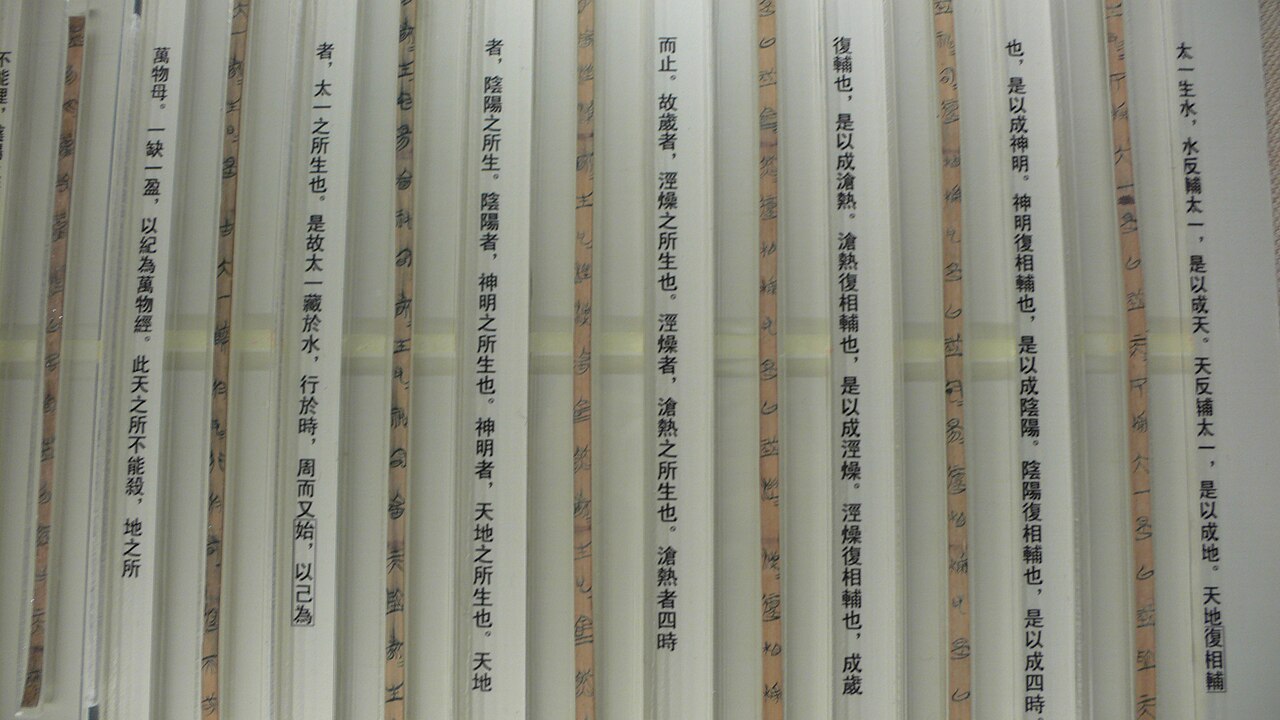
Bamboo Texts of Guodian
c. 300 BCE
 Book
Primary source
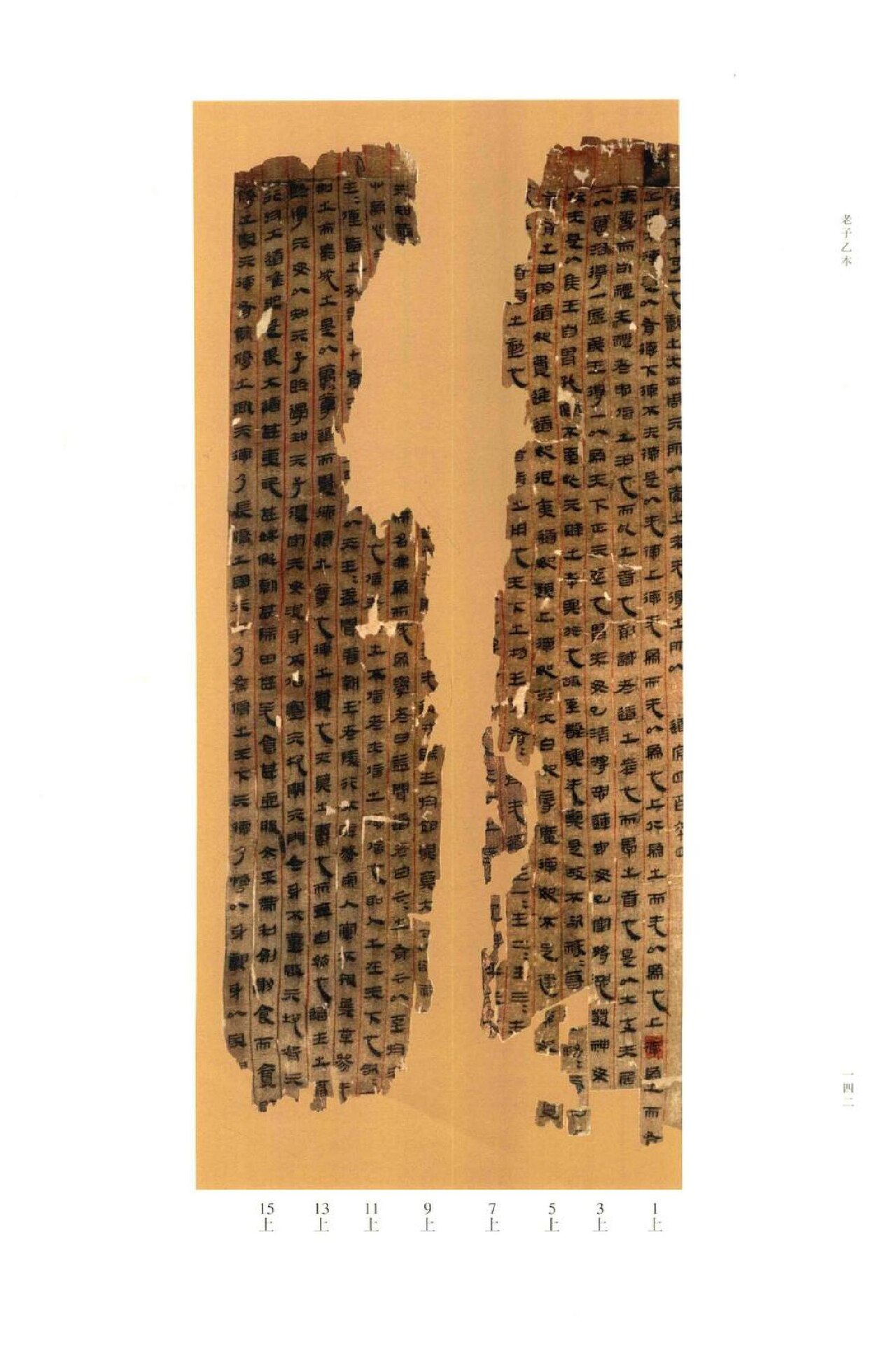
Mawangdui Silk Texts of the Laozi
Anonymous Han scribes · c. 200-168 BCE
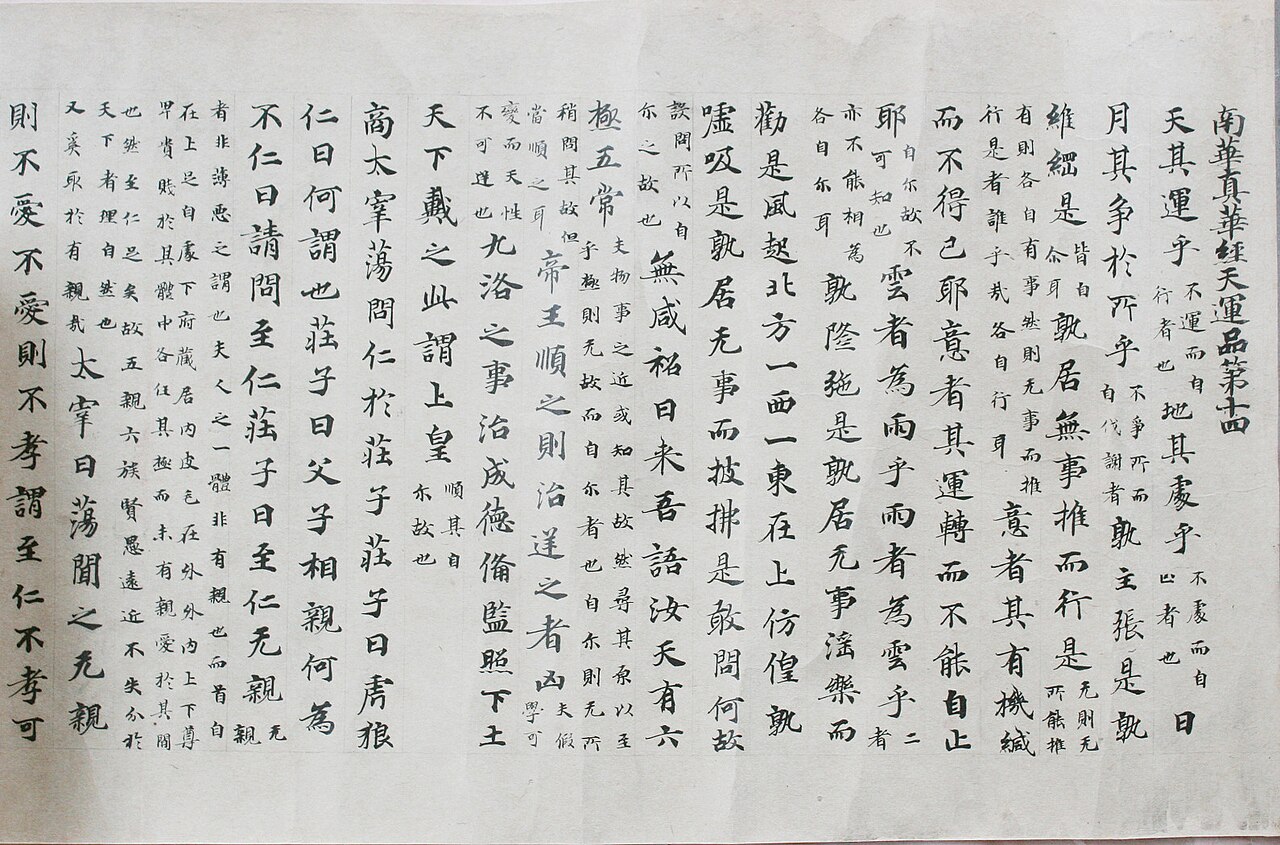 Book
Secondary source
Zhuangzi
Zhuang Zhou · c. 300 BCE
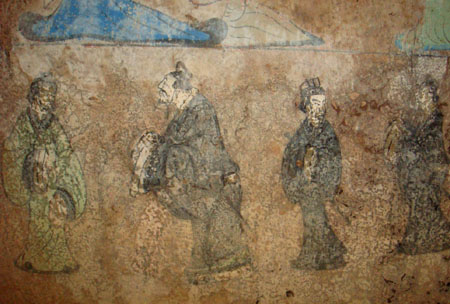 Painting
Secondary source
Confucius and Laozi fresco, Dongping tomb
Anonymous Chinese painter of the Western Han period · Western Han period, c. 2000 years old
Ready when you are
Start chatting with Laozi now.
20 messages free · No credit card · Available in 50+ languages.