


Primary sourceArtifact830–900
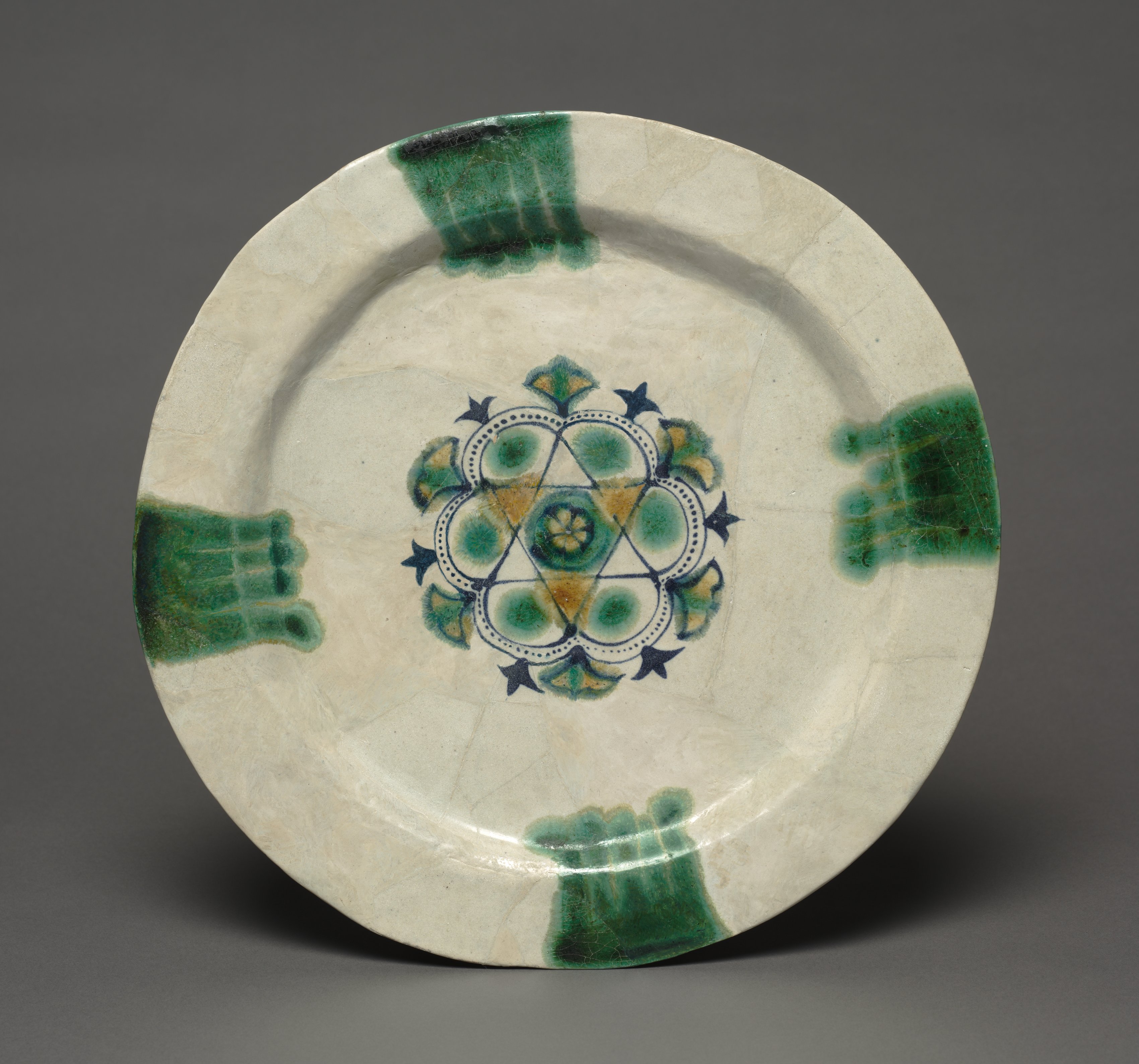
Dish with Splashes of Green
830–900
A ninth-century Abbasid ceramic dish showing tin-glaze and cobalt-blue techniques developed during Farabi's era.
This dish illustrates the technical and artistic innovation of the Abbasid world in which Farabi lived.
About this source
What it is
This white-glazed ceramic dish, decorated with cobalt-blue designs and green splashes, was made between 830 and 900. It is held at The Cleveland Museum of Art.
Why it matters
The dish displays two major technological advances of the 800s: an opaque white tin glaze imitating Chinese porcelain, and painting in cobalt blue. These innovations emerged in the same Abbasid world where Farabi lived and worked, showing the period's technical creativity in arts beyond philosophy and science.
Look closer
- Why might potters have wanted to imitate Chinese porcelain?
- What does the care taken in decorating this dish suggest about the people who used such objects?
- How does this craftsmanship compare with the intellectual achievements of thinkers like Farabi from the same period?
This artifact is part of the curated material that grounds the AI version of Al-Farabi on Humy.ai — when students ask about related events, the AI can quote it and cite it.
More Al-Farabi sources
Meet the AI Al-Farabi →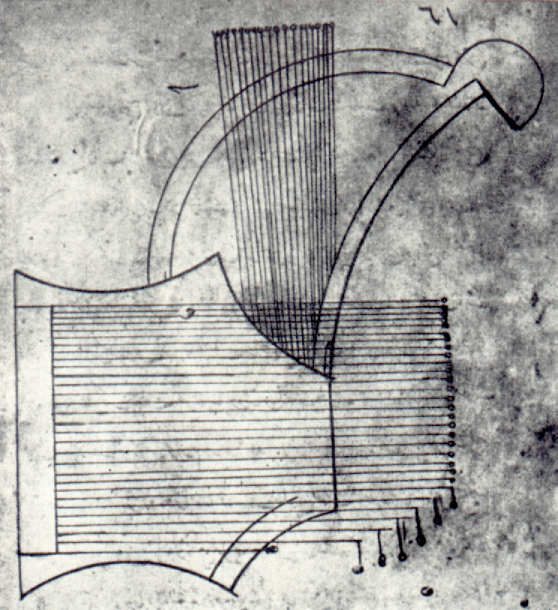 Book
Primary source
Kitab al-Musiqa al-Kabir
Farabi · 10th century
 Artifact
Primary source
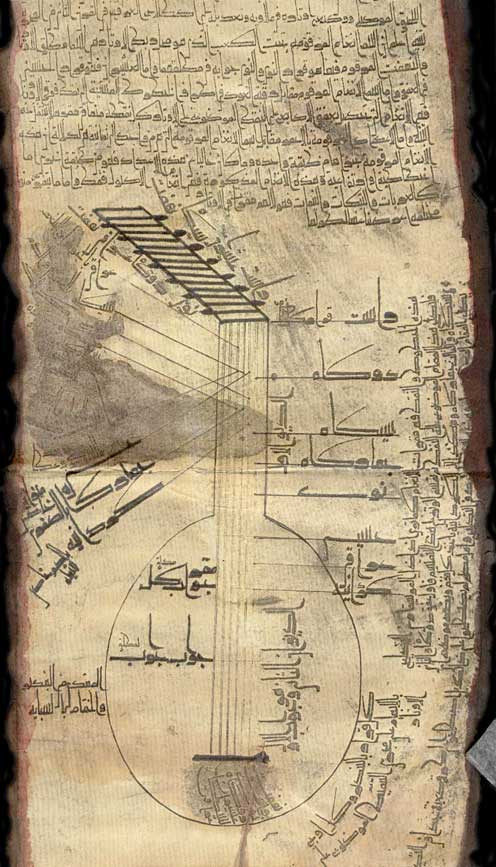
Lute Diagram with Seven Courses
Farabi · 10th century
 Book
Primary source
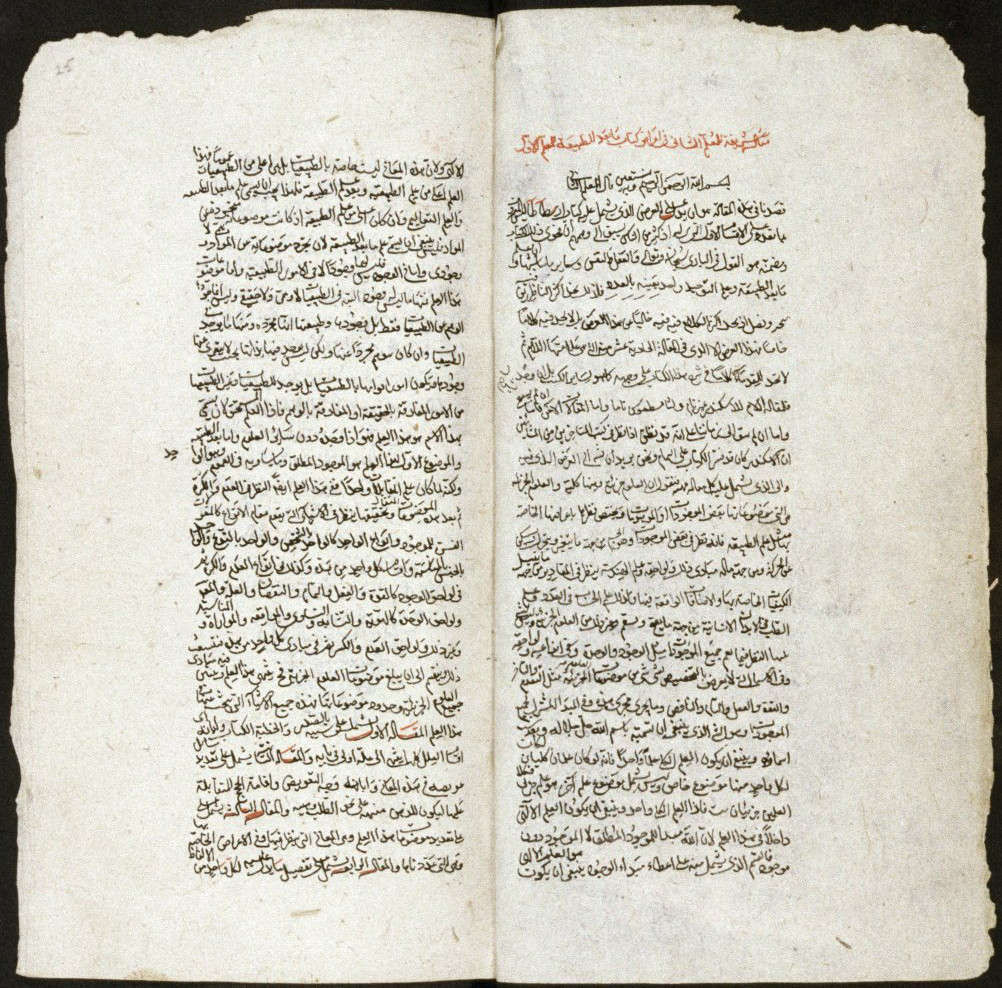
On the Scope of Aristotle's Metaphysics
Farabi · 10th century
 Book
Primary source
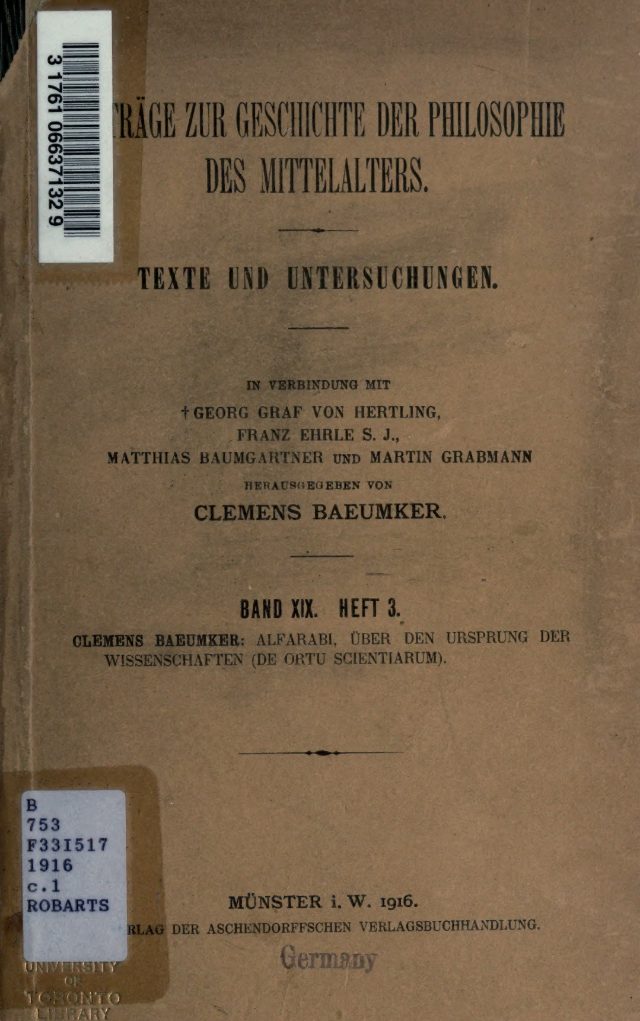
Über den Ursprung der Wissenschaften
Farabi · 1916 (edition of the original treatise)
PaintingPrimary source
Drawing of the Shahrud from the Great Book of Music
Farabi · 10th century
Ready when you are
Start chatting with Al-Farabi now.
20 messages free · No credit card · Available in 50+ languages.