


Secondary sourceDocument
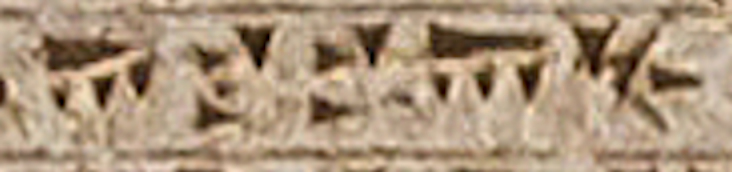
DNa Inscription Naming Arabaya, Naqsh-e Rustam
Darius I
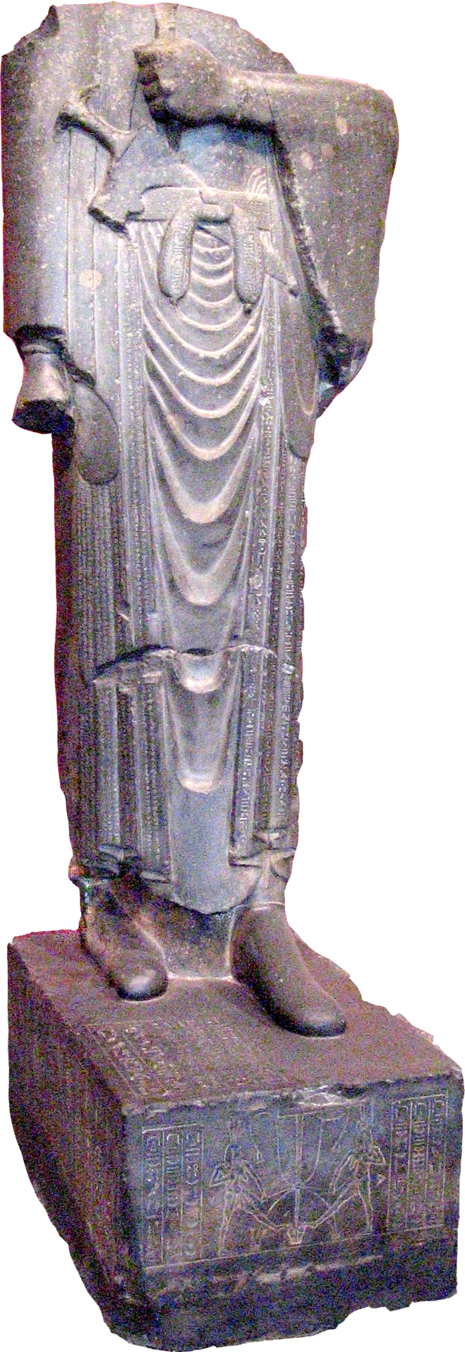
A worn close-up of part of Darius I's tomb inscription naming a subject province, Arabaya, among his domains.
This worn inscription from Darius I's tomb names Arabaya as one of the provinces he ruled.
About this source
What it is
This photograph shows a close-up of weathered cuneiform wedge-shaped carving from Darius I's tomb inscription at Naqsh-e Rustam. The crop is worn and only partly legible, but it names Arabaya, one of the provinces listed as part of his empire.
Why it matters
This text is part of the same royal inscription in which Darius listed the lands under his control. Naming provinces like Arabaya shows how the Achaemenid kings used inscriptions to assert and record the extent of their rule, directly in their own words.
Look closer
- Why might so much of this inscription be worn away after thousands of years?
- What does listing province names tell us about how the empire was organised?
- What can't we learn about a place just from its name appearing on a king's monument?
This document is part of the curated material that grounds the AI version of Darius the Great on Humy.ai — when students ask about related events, the AI can quote it and cite it.
More Darius the Great sources
Meet the AI Darius the Great →

Ready when you are
Start chatting with Darius the Great now.
20 messages free · No credit card · Available in 50+ languages.