


Primary sourceDocument
DNa Inscription of Darius I at Naqsh-e Rostam
Darius I
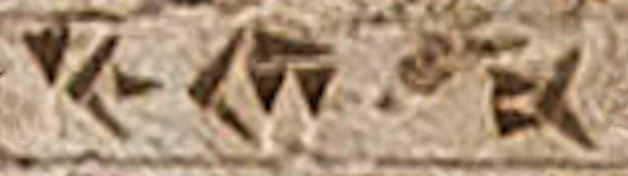
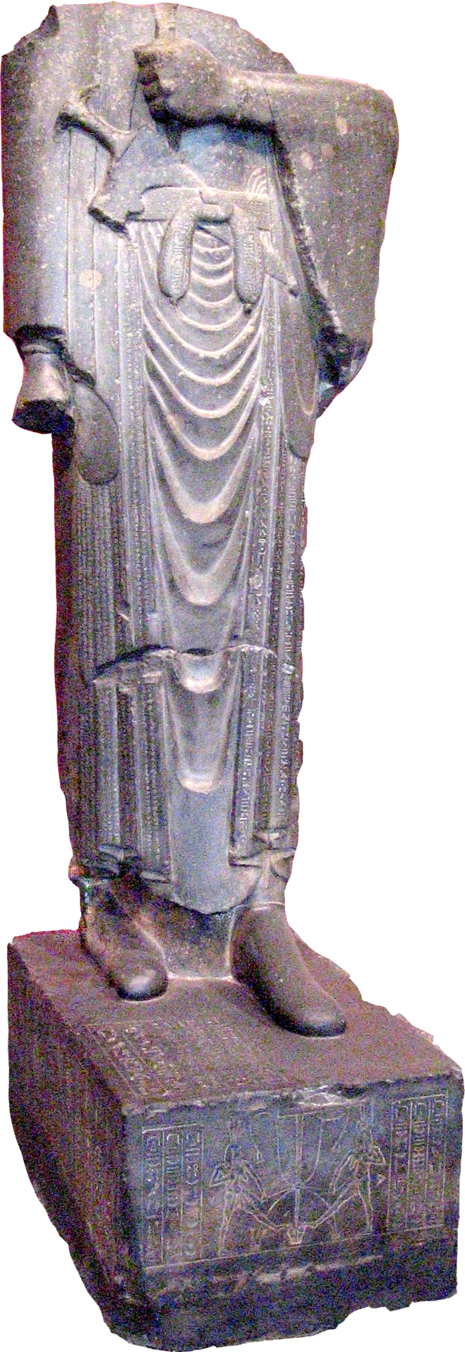
A royal cuneiform inscription of Darius I at Naqsh-e Rostam, listing the peoples of his empire, including the Yauna (Greeks).
This is Darius I's own royal inscription, listing the peoples of his empire, carved in his name.
About this source
What it is
This is a close-up photograph of the DNa inscription, a cuneiform text carved for Darius I at Naqsh-e Rostam, part of his tomb complex. The inscription lists the nations under his rule, including the Yauna, the Persian term for Greeks.
Why it matters
This inscription is one of Darius's own royal proclamations, carved in his name to record the scale of his empire and assert his authority as ruler over many different peoples. It is a key primary source for understanding how Darius presented his own power and the geography of the Achaemenid Empire.
Look closer
- Why might a king list every people under his rule in a permanent stone inscription?
- What does the choice to carve this near a tomb suggest about its purpose?
- What can't this inscription tell us about the lives of the ordinary people it names?
This document is part of the curated material that grounds the AI version of Darius the Great on Humy.ai — when students ask about related events, the AI can quote it and cite it.
More Darius the Great sources
Meet the AI Darius the Great →

Ready when you are
Start chatting with Darius the Great now.
20 messages free · No credit card · Available in 50+ languages.