


Primary sourceArtifact
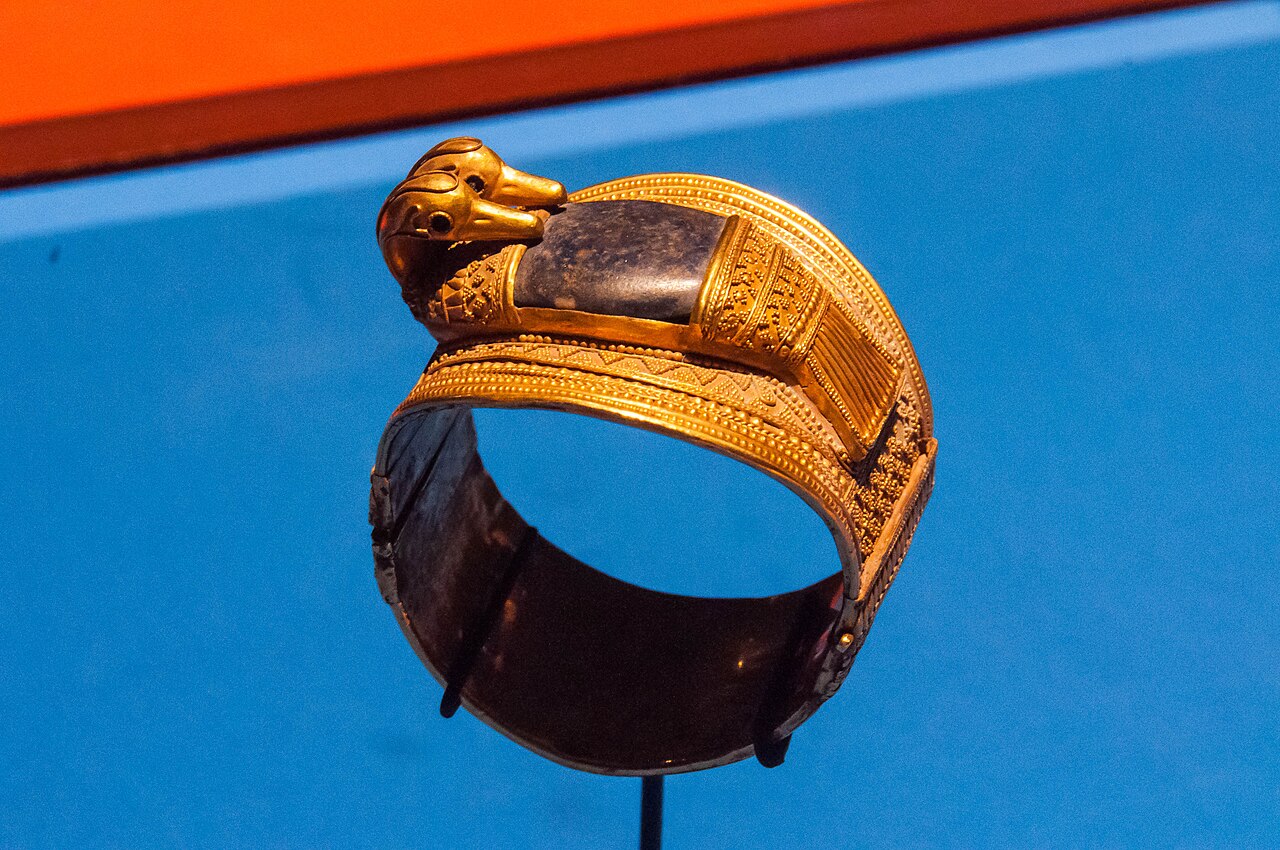
Duck Bracelet of Ramesses II
A gold bracelet with a duck-head terminal bearing the name of Ramesses II, found at Bubastis.
This gold bracelet bears the name of Ramesses II, reflecting the luxury goods owned during his reign.
About this source
What it is
This gold bracelet, decorated with a duck-head terminal and inlaid with lapis lazuli, bears the name of King Ramesses II. It was found at Tell Basta, ancient Bubastis, in Lower Egypt, and belongs to the collection of the Egyptian Museum in Cairo.
Why it matters
Royal jewelry like this bracelet is rare evidence of the wealth and craftsmanship available to Egyptian kings. Objects bearing a pharaoh's name show how luxury goods were used to display and reinforce royal identity and status, both for the living king and for later generations who found and kept such items.
Look closer
- What materials and techniques can you identify in the bracelet's design?
- Why might a craftsman choose a duck motif for a royal piece of jewelry?
- What does the survival of this object tell us about how royal treasures were kept or hidden over time?
This artifact is part of the curated material that grounds the AI version of Ramses II (Ramses the Great) on Humy.ai — when students ask about related events, the AI can quote it and cite it.
More Ramses II (Ramses the Great) sources
Meet the AI Ramses II (Ramses the Great) →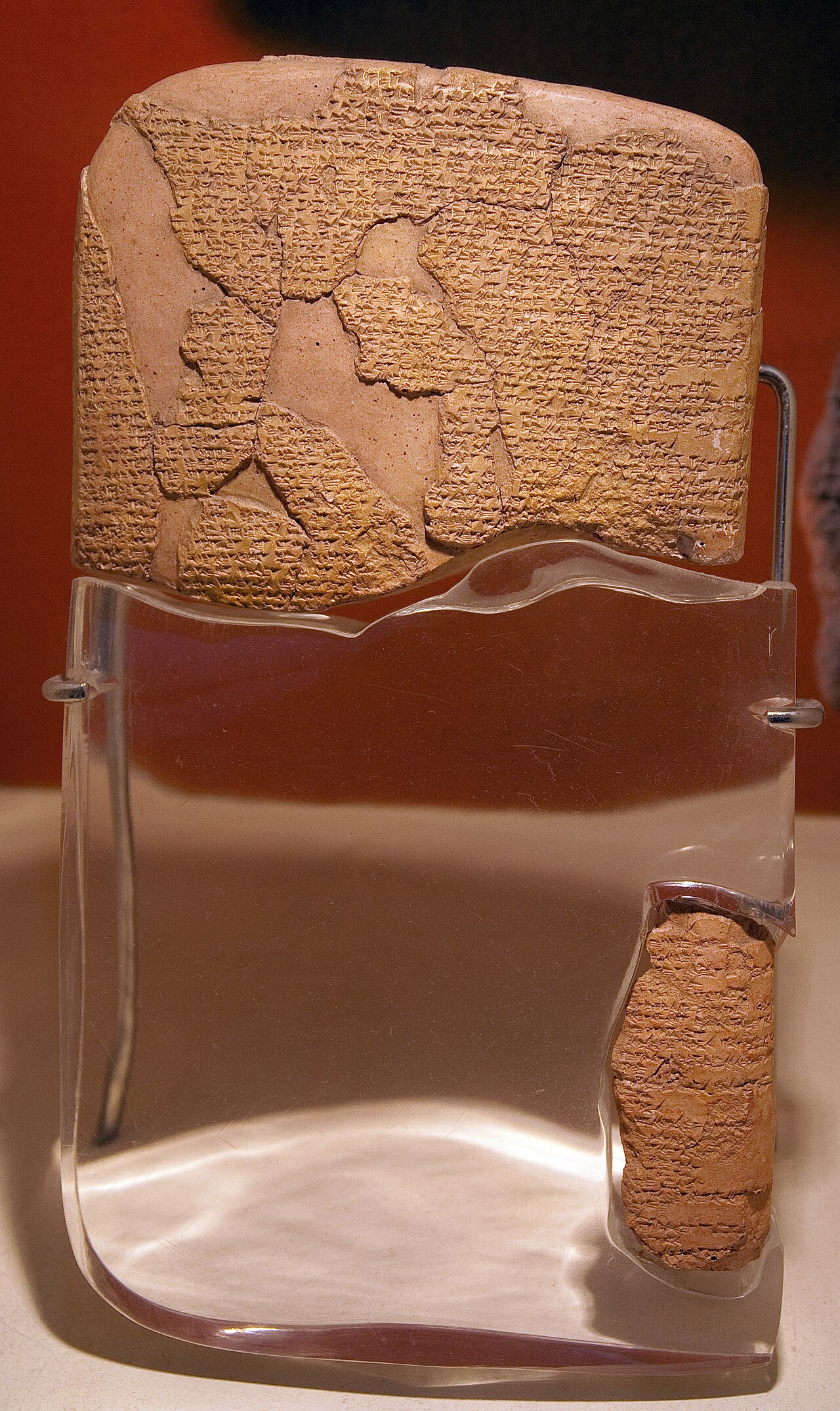 Document
Primary source
Egyptian–Hittite Peace Treaty
c. 1258 BCE
 Photograph
Secondary source
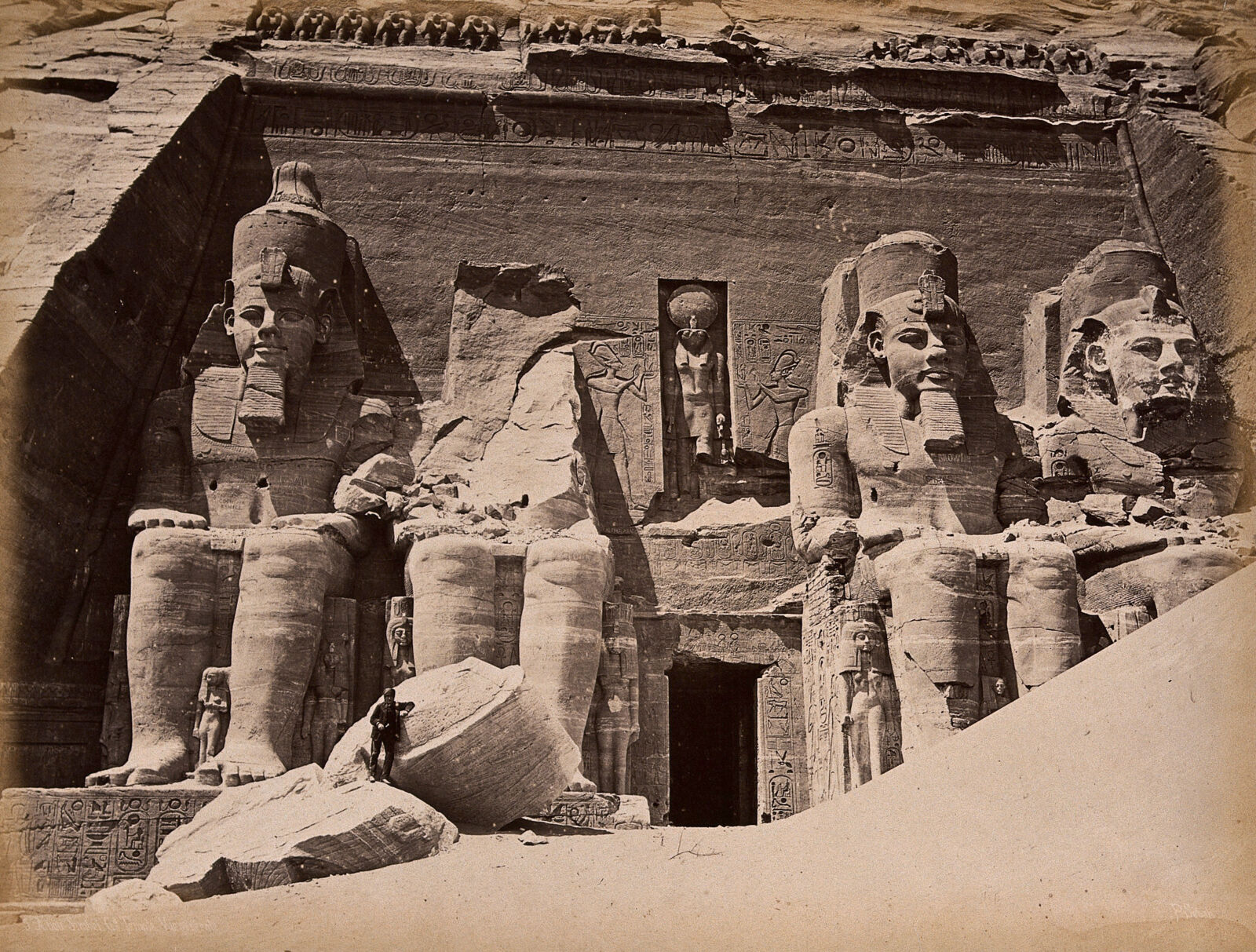
Abu Simbel Temple Colossi
Pascal Sébah · 1875
 Artifact
Primary source
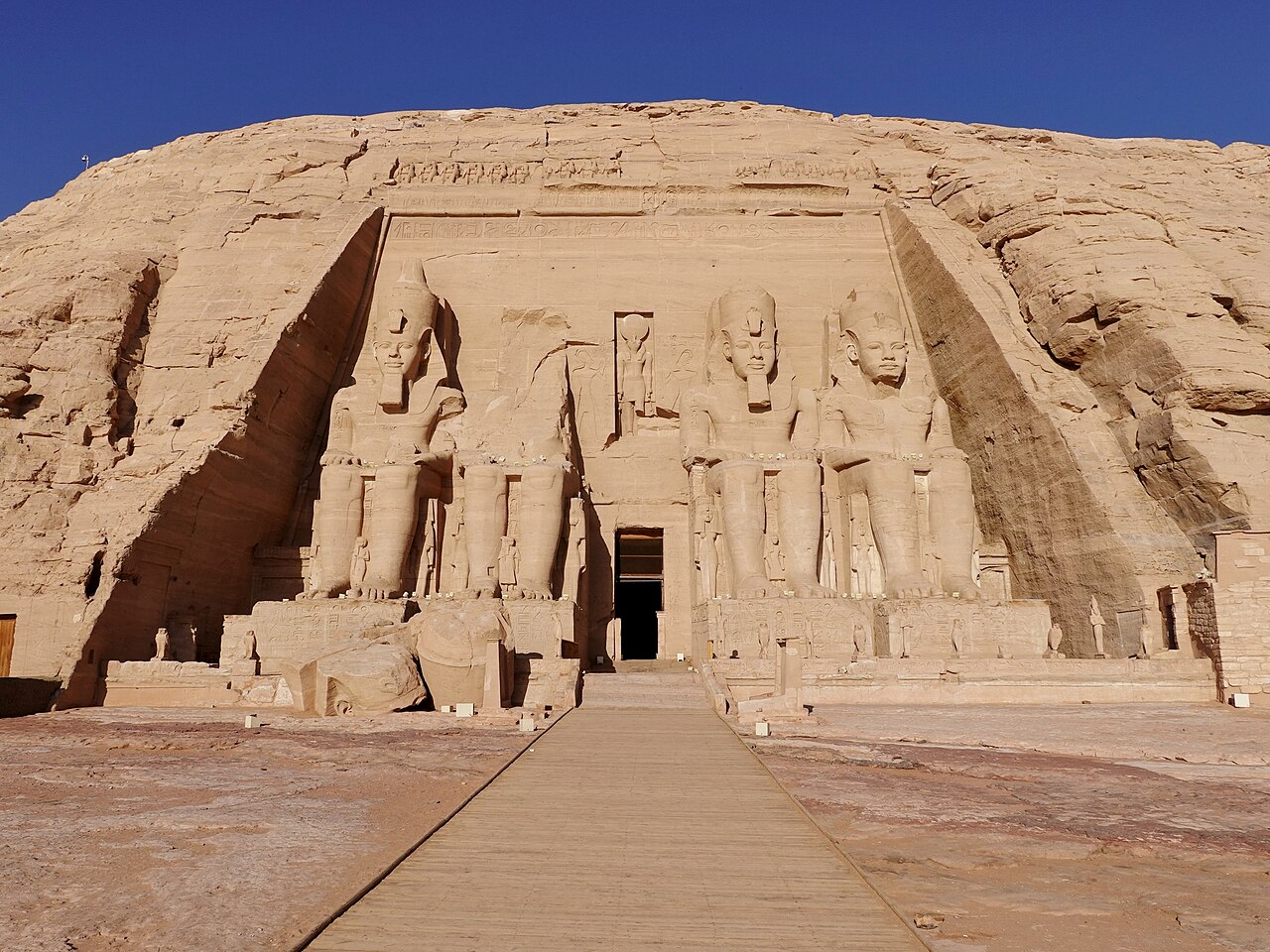
Abu Simbel
Ramesses II · c. 1273 BCE
 Photograph
Secondary source
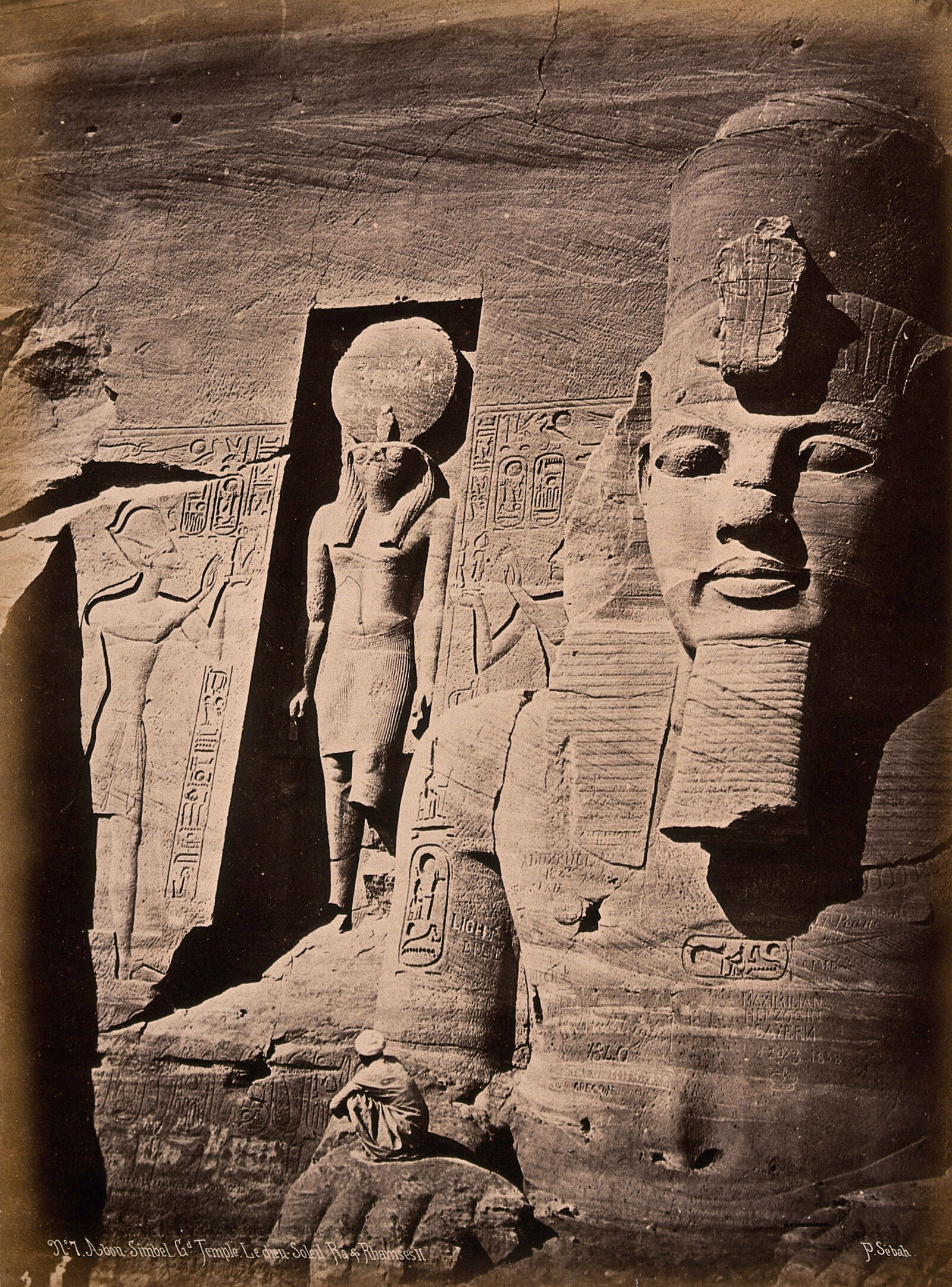
Facade Detail of Abu Simbel Showing Ramesses II and Ra
Pascal Sébah · 1875
 Photograph
Secondary source
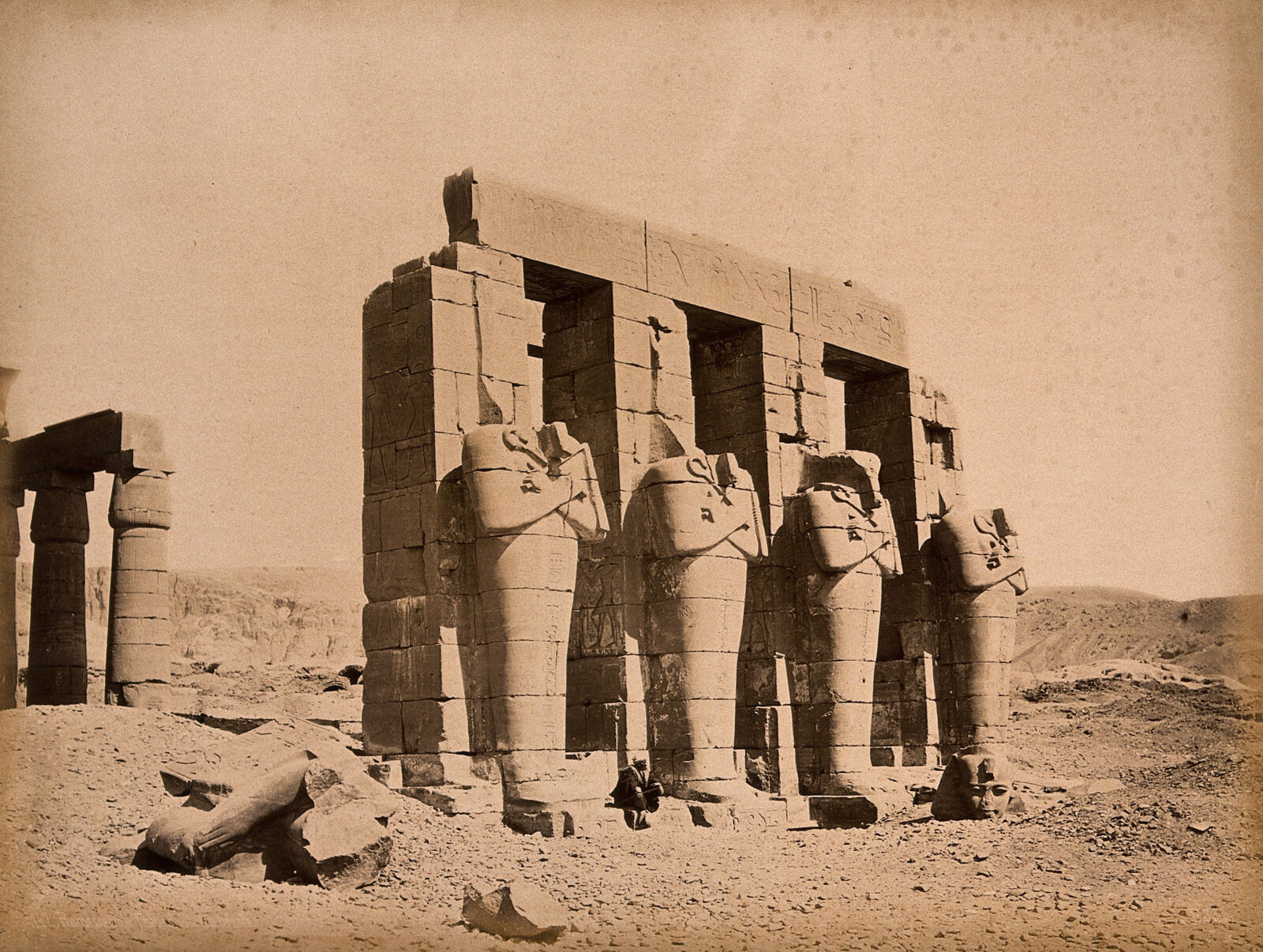
Ramesseum Colossi in Ruins
Pascal Sébah · c. 1875
Ready when you are
Start chatting with Ramses II (Ramses the Great) now.
20 messages free · No credit card · Available in 50+ languages.