


Secondary sourcePaintingc. 1725
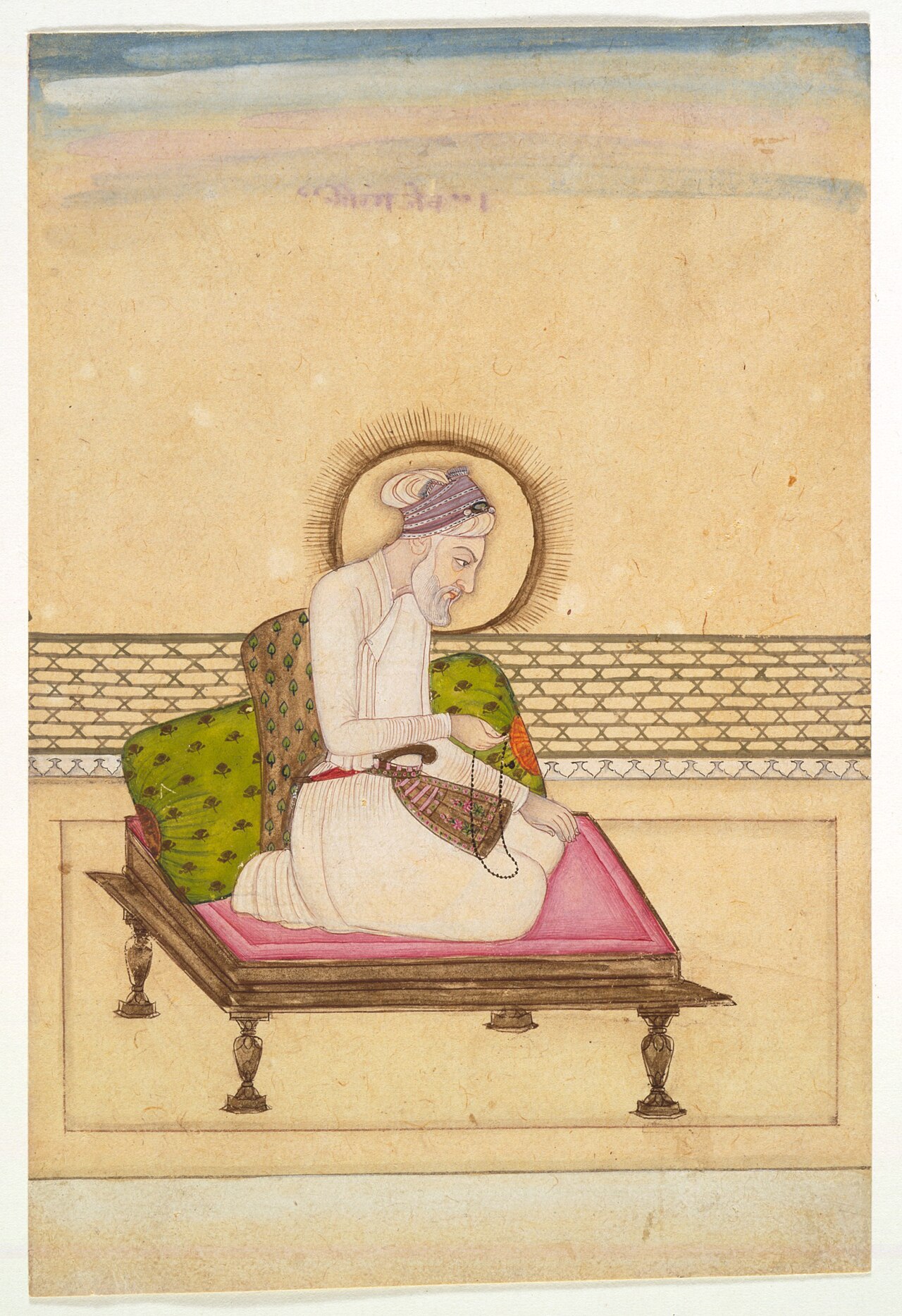
Emperor Aurangzeb
c. 1725
An early 18th-century Delhi portrait of Aurangzeb, painted shortly after his death to preserve his image.
This portrait, painted soon after Aurangzeb's death, shows how his image as a pious ruler was remembered in Mughal art.
About this source
What it is
This is a watercolor painting made in Delhi around 1725, using opaque watercolor and gold on paper. It shows a seated man in a white robe and striped turban, with a halo behind his head, holding prayer beads, seated on a cushioned platform before a lattice wall. It is held in a museum collection.
Why it matters
Made not long after Aurangzeb's death, this painting reflects how his image was remembered and shaped by later Mughal court artists. It shows the visual language rulers used to project piety and authority, with the halo and prayer beads emphasizing his religious devotion.
Look closer
- Why might the artist have given the emperor a halo?
- What do the prayer beads suggest about how Aurangzeb wanted to be remembered?
- This was painted after his death — how might that change what the artist chose to show?
This painting is part of the curated material that grounds the AI version of Aurangzeb on Humy.ai — when students ask about related events, the AI can quote it and cite it.
More Aurangzeb sources
Meet the AI Aurangzeb →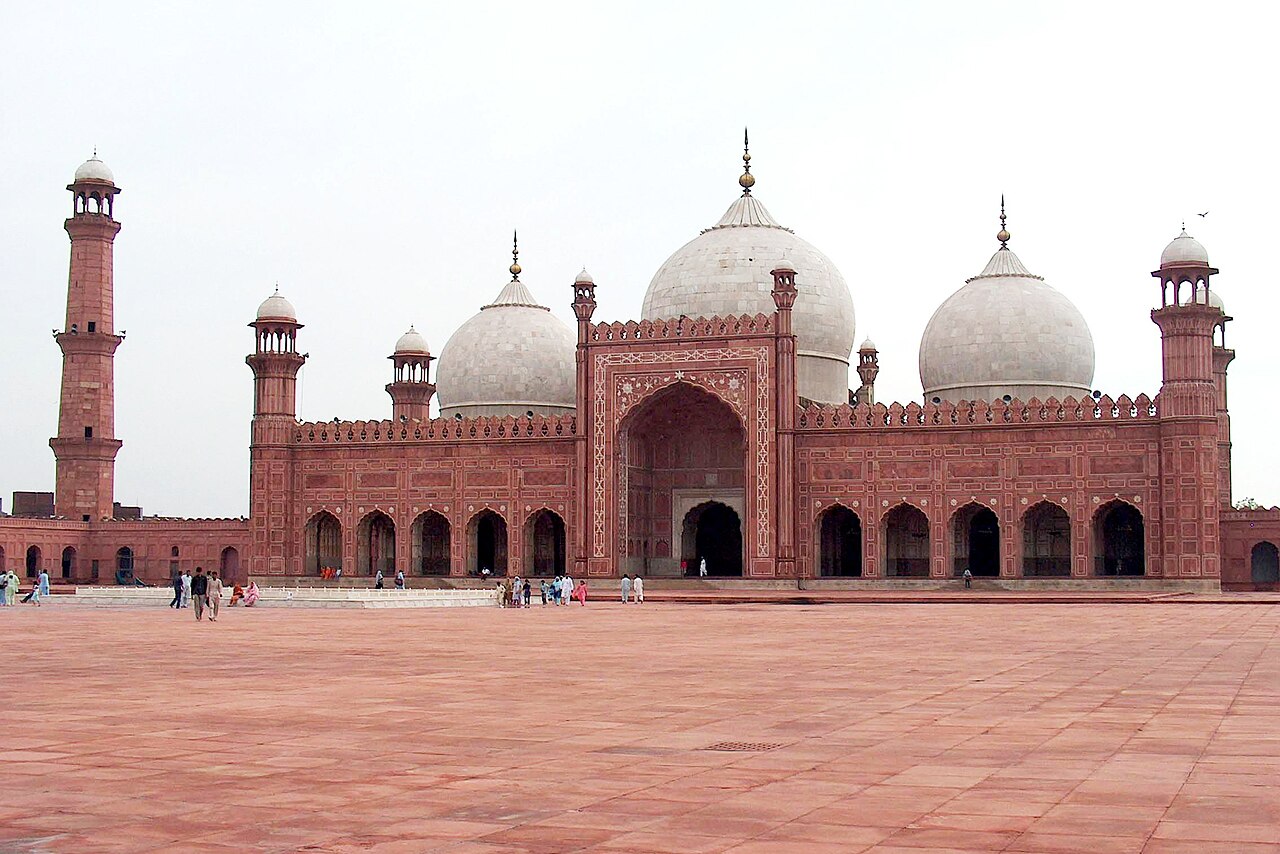 Artifact
Primary source
Badshahi Mosque
1671–1673
 Document
Primary source
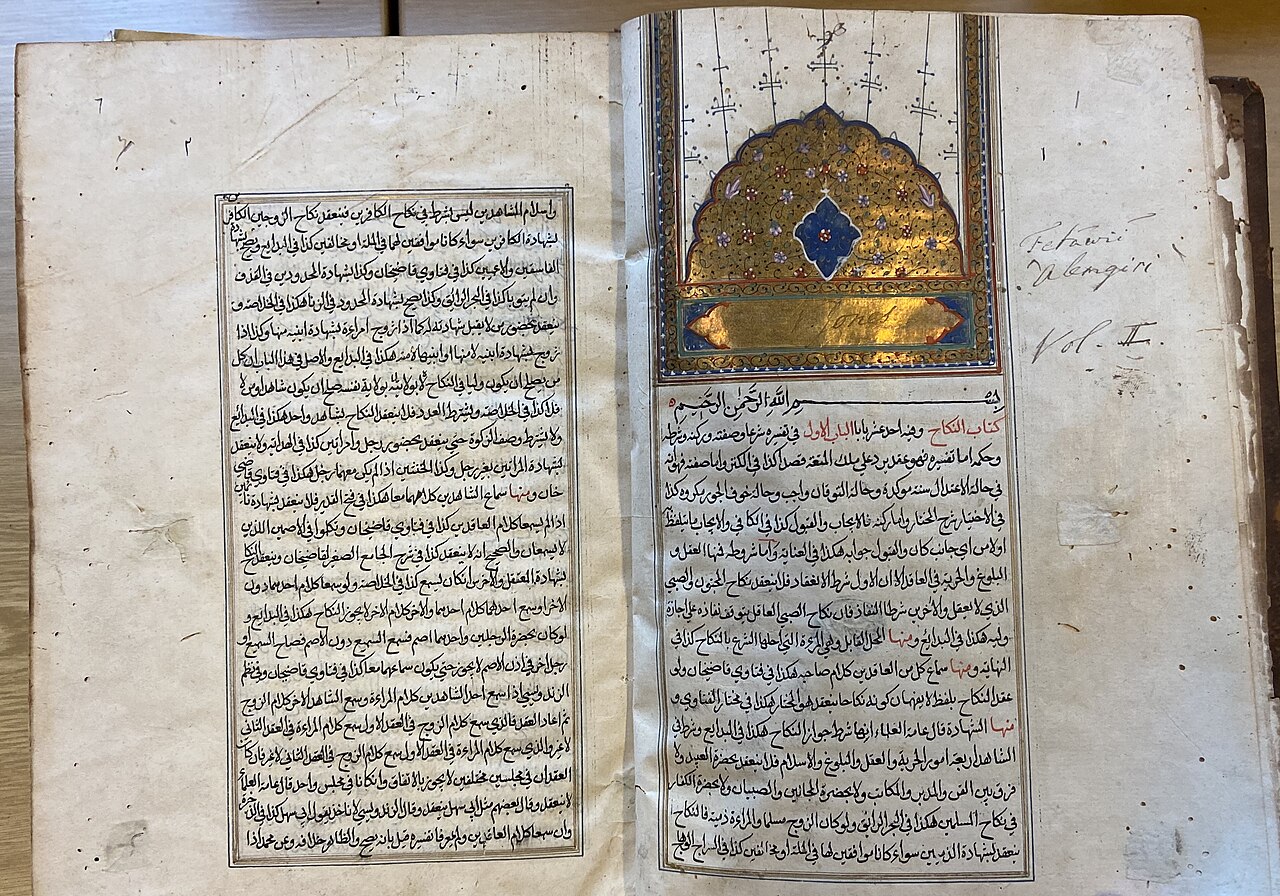
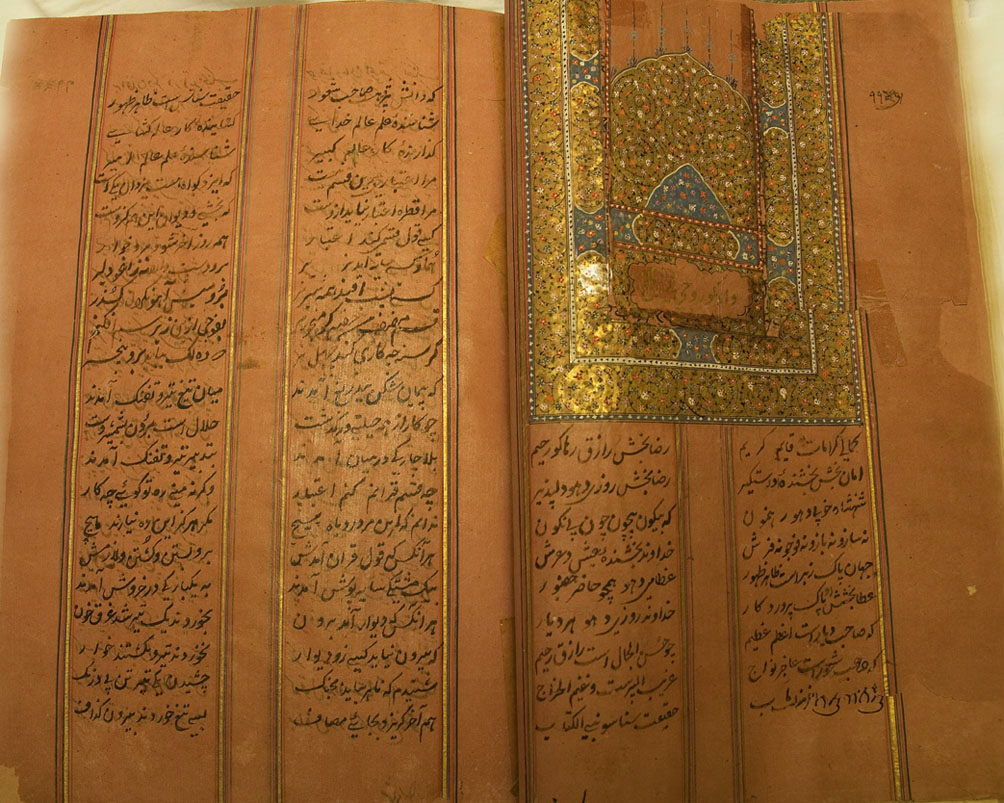
Fatawa-i Alamgiri Manuscript
17th century (this copy later recopied)
 Book
Secondary source
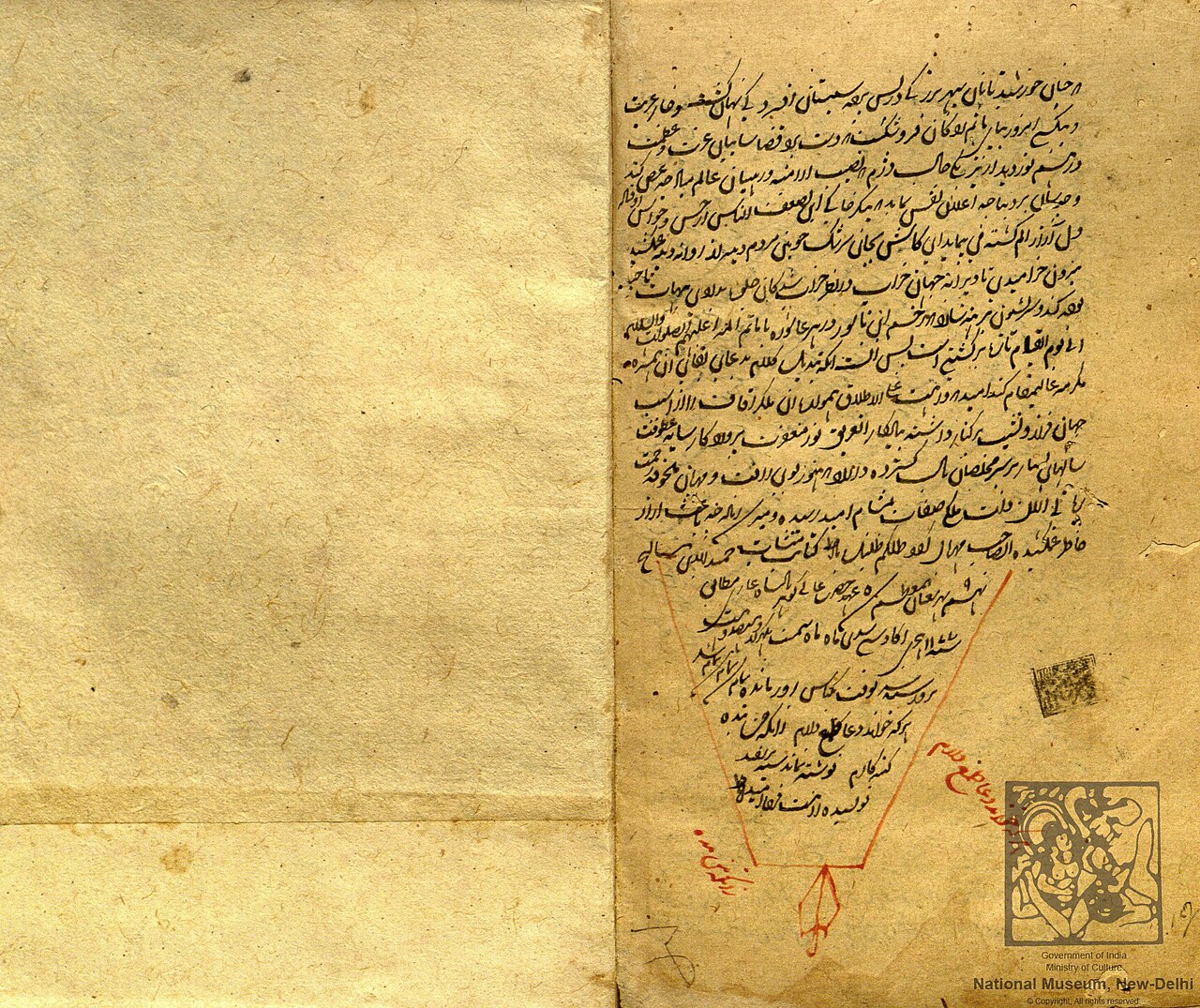
Maasir-i-Alamgiri
Saqi Musta'id Khan · c. 1710 (this copy 1763-1764)
Primary source
Ruka'at-i-Alamgiri
Aurangzeb · 17th century
 Letter
Primary source
Zafarnamah
Guru Gobind Singh · 1705
Ready when you are
Start chatting with Aurangzeb now.
20 messages free · No credit card · Available in 50+ languages.