


Secondary sourcePainting1710
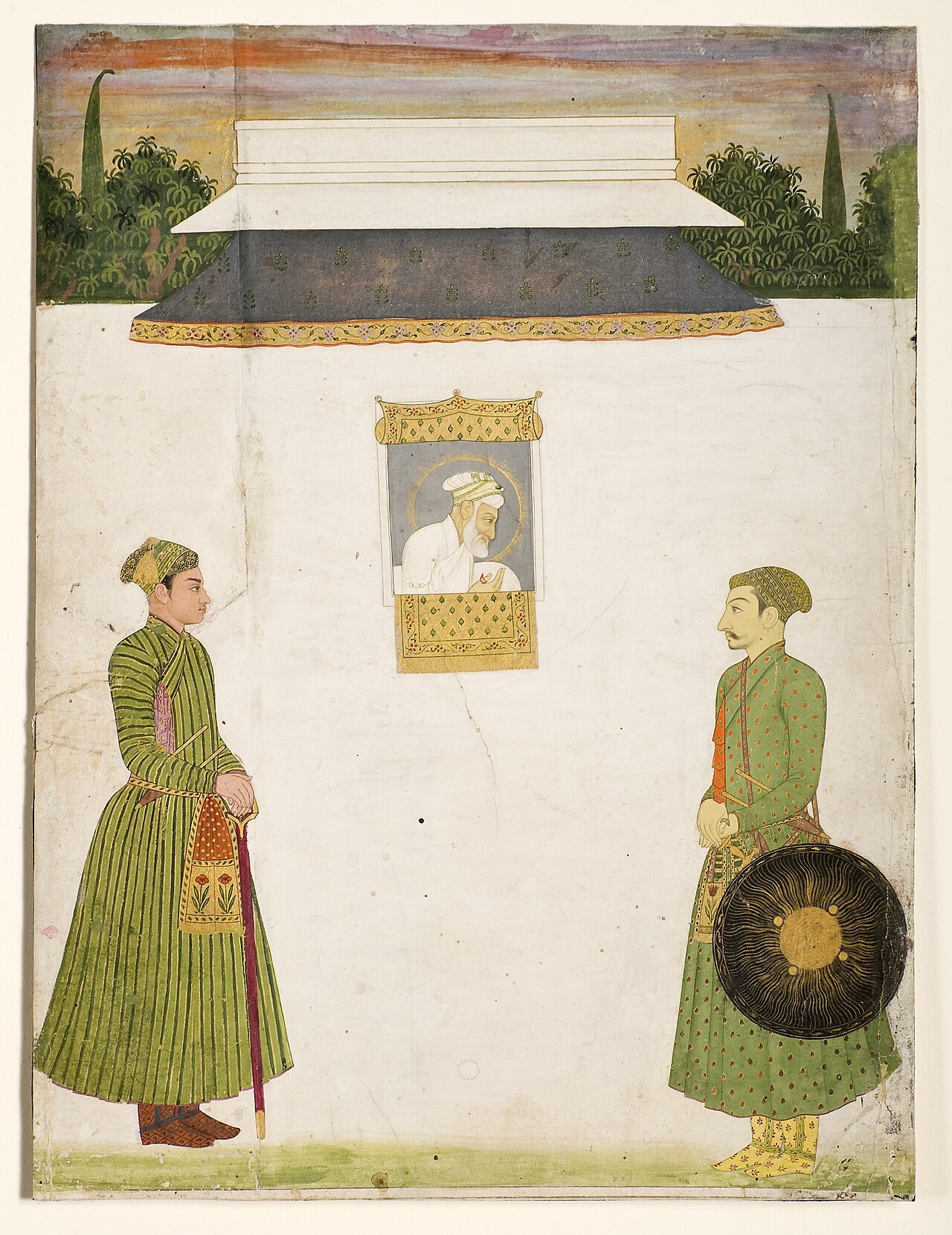
Emperor Aurangzeb at a Jharokha Window
1710
An 18th-century painting showing Aurangzeb appearing to his subjects through a palace window, a ritual he later banned.
This painting shows Aurangzeb performing a ritual of royal appearance that he himself later abolished as emperor.
About this source
What it is
This painting, made in India around 1710, shows a small framed portrait of Aurangzeb at a jharokha window, flanked below by two noblemen standing under a canopy. It is held at the San Diego Museum of Art.
Why it matters
The image depicts jharokha-darshan, a ritual in which Mughal emperors showed themselves to their subjects from a palace window. Aurangzeb is known to have later abolished this practice, viewing it as against Islamic teaching. This painting captures a moment in Mughal court tradition that Aurangzeb himself helped bring to an end, showing the tension between imperial ceremony and his personal religious views.
Look closer
- Why do you think earlier emperors used this ritual of public appearance?
- What might Aurangzeb's decision to stop this practice tell us about his beliefs?
- What do the two noblemen in the foreground add to the scene's meaning?
This painting is part of the curated material that grounds the AI version of Aurangzeb on Humy.ai — when students ask about related events, the AI can quote it and cite it.
More Aurangzeb sources
Meet the AI Aurangzeb →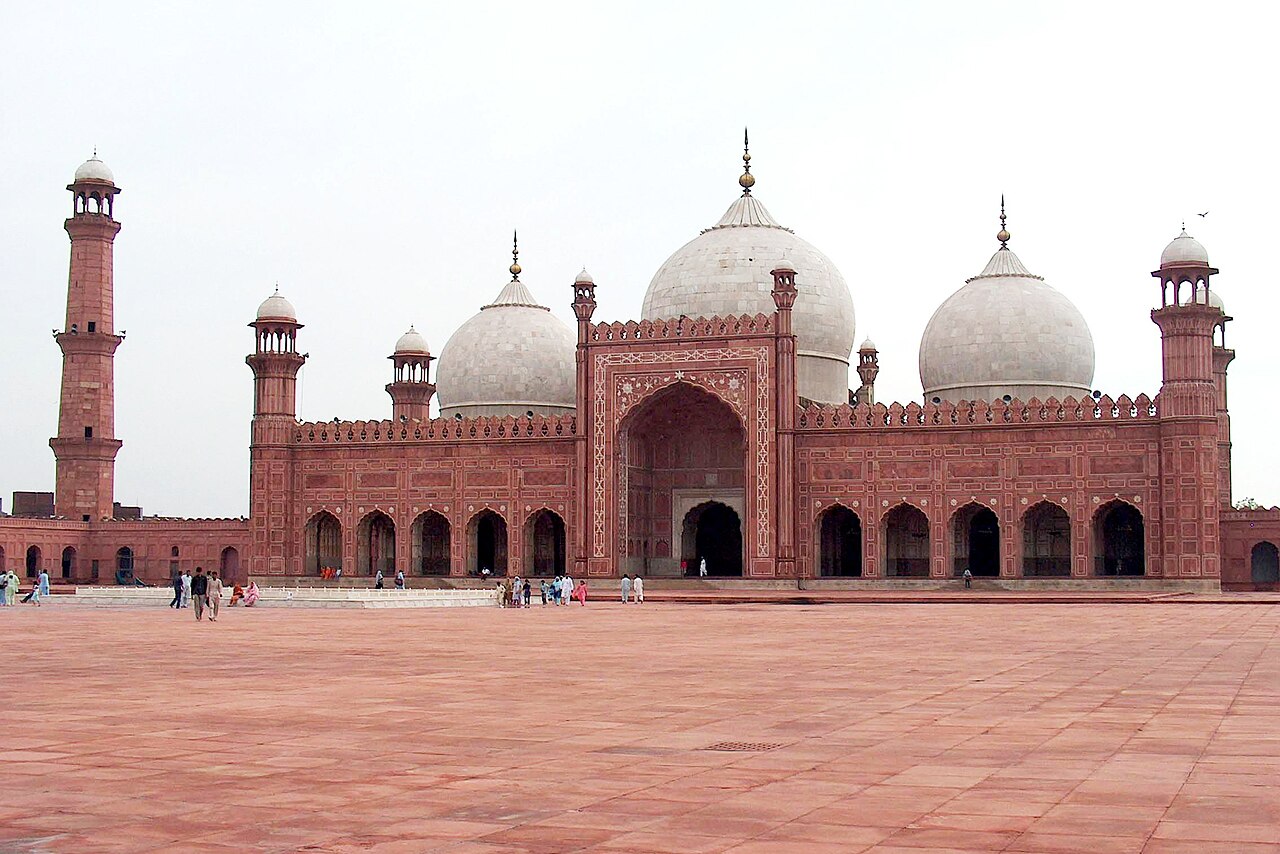 Artifact
Primary source
Badshahi Mosque
1671–1673
 Document
Primary source
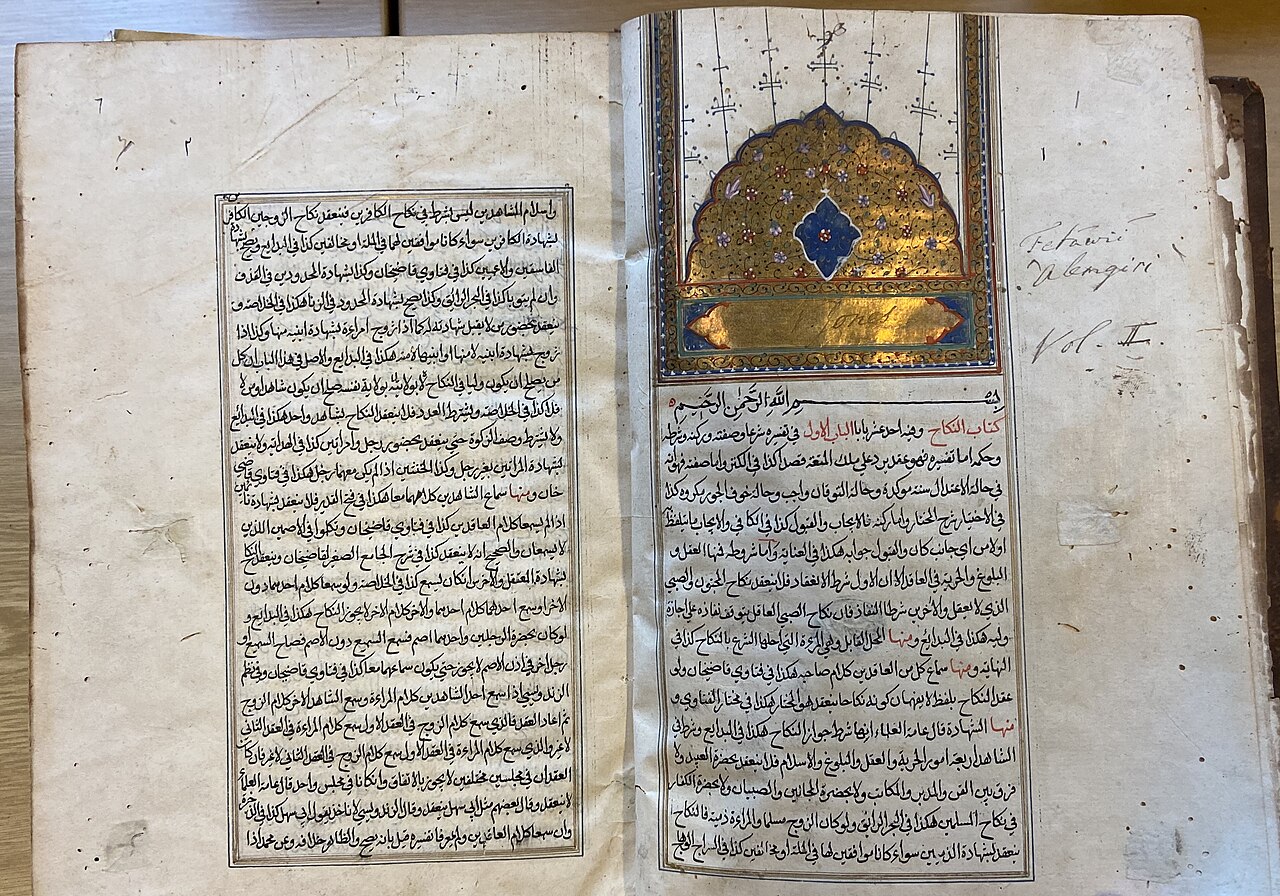
Fatawa-i Alamgiri Manuscript
17th century (this copy later recopied)
 Book
Secondary source
Maasir-i-Alamgiri
Saqi Musta'id Khan · c. 1710 (this copy 1763-1764)
Primary source
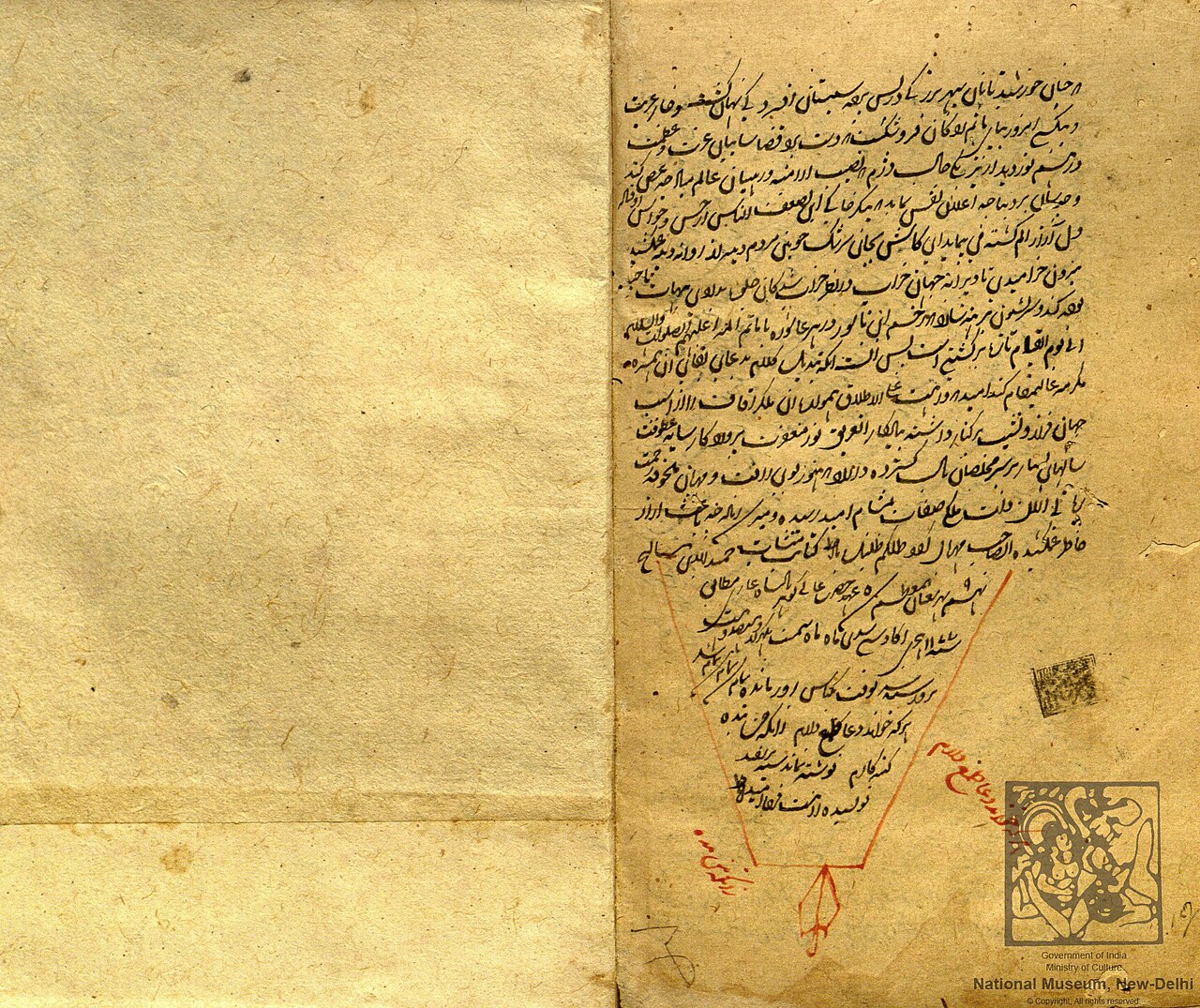
Ruka'at-i-Alamgiri
Aurangzeb · 17th century
 Letter
Primary source
Zafarnamah
Guru Gobind Singh · 1705
Ready when you are
Start chatting with Aurangzeb now.
20 messages free · No credit card · Available in 50+ languages.