


Secondary sourcePaintingdepicting 1687
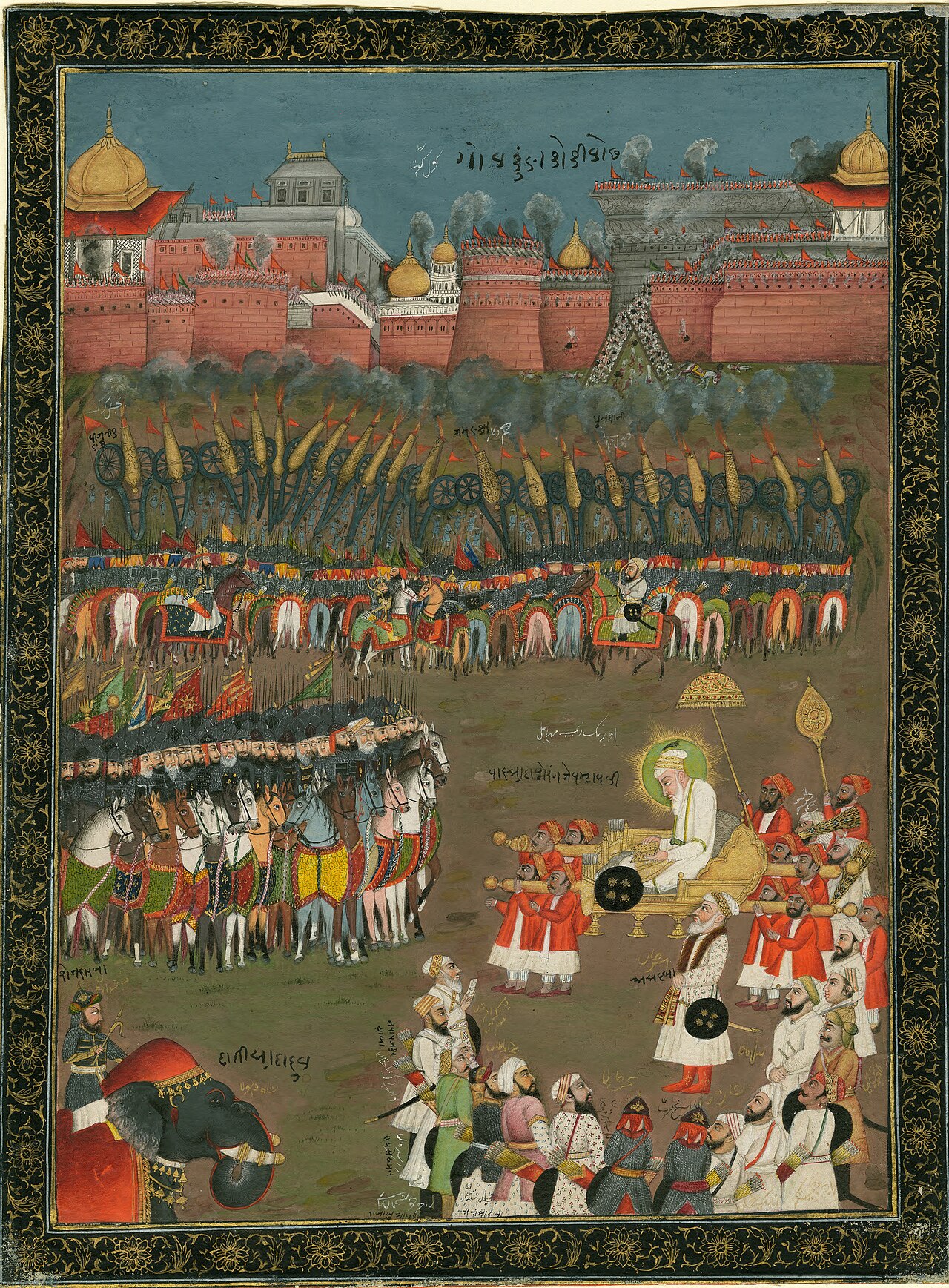
Emperor Aurangzeb at the Siege of Golconda
depicting 1687
A later Indian gouache showing the aged Emperor Aurangzeb supervising his army's 1687 siege of Golconda.
Illustrates Aurangzeb's long military campaign in the Deccan, ending the Qutb Shahi kingdom at Golconda.
About this source
What it is
This unsigned Indian gouache painting shows an elderly emperor, understood to be Aurangzeb, seated on a litter and attended by courtiers while overseeing cavalry and artillery attacking the fortified city of Golconda. It is held in the Anne S.K. Brown Military Collection.
Why it matters
The siege of Golconda in 1687 ended the Qutb Shahi kingdom and marked one of the long Deccan campaigns that occupied Aurangzeb's final decades as emperor. The image, made later than the event, reflects how his military campaigns were remembered and illustrated afterward.
Look closer
- What details in the painting suggest a large-scale military siege?
- Why might the emperor be shown being carried rather than riding or walking?
- Since this was painted after the event, what might it get wrong or simplify?
This painting is part of the curated material that grounds the AI version of Aurangzeb on Humy.ai — when students ask about related events, the AI can quote it and cite it.
More Aurangzeb sources
Meet the AI Aurangzeb →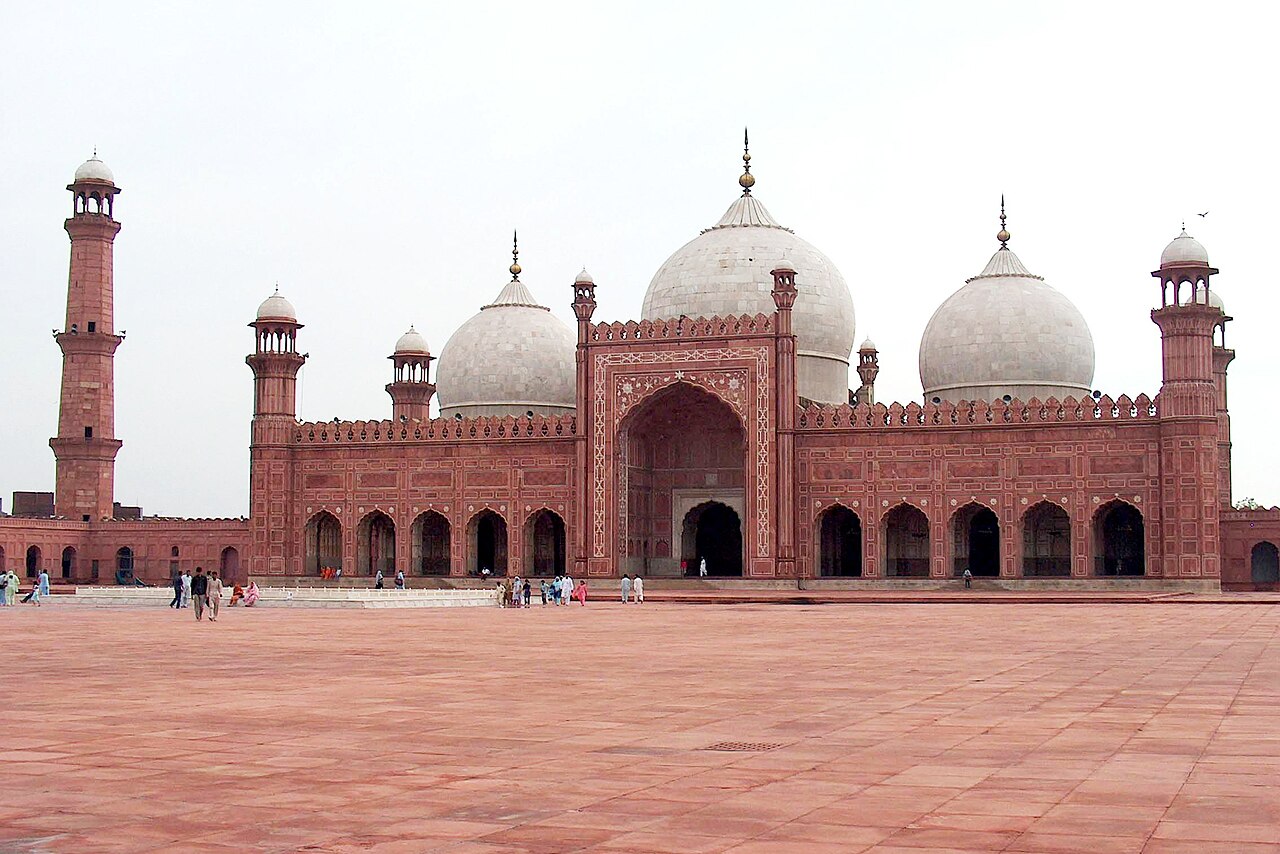 Artifact
Primary source
Badshahi Mosque
1671–1673
 Document
Primary source
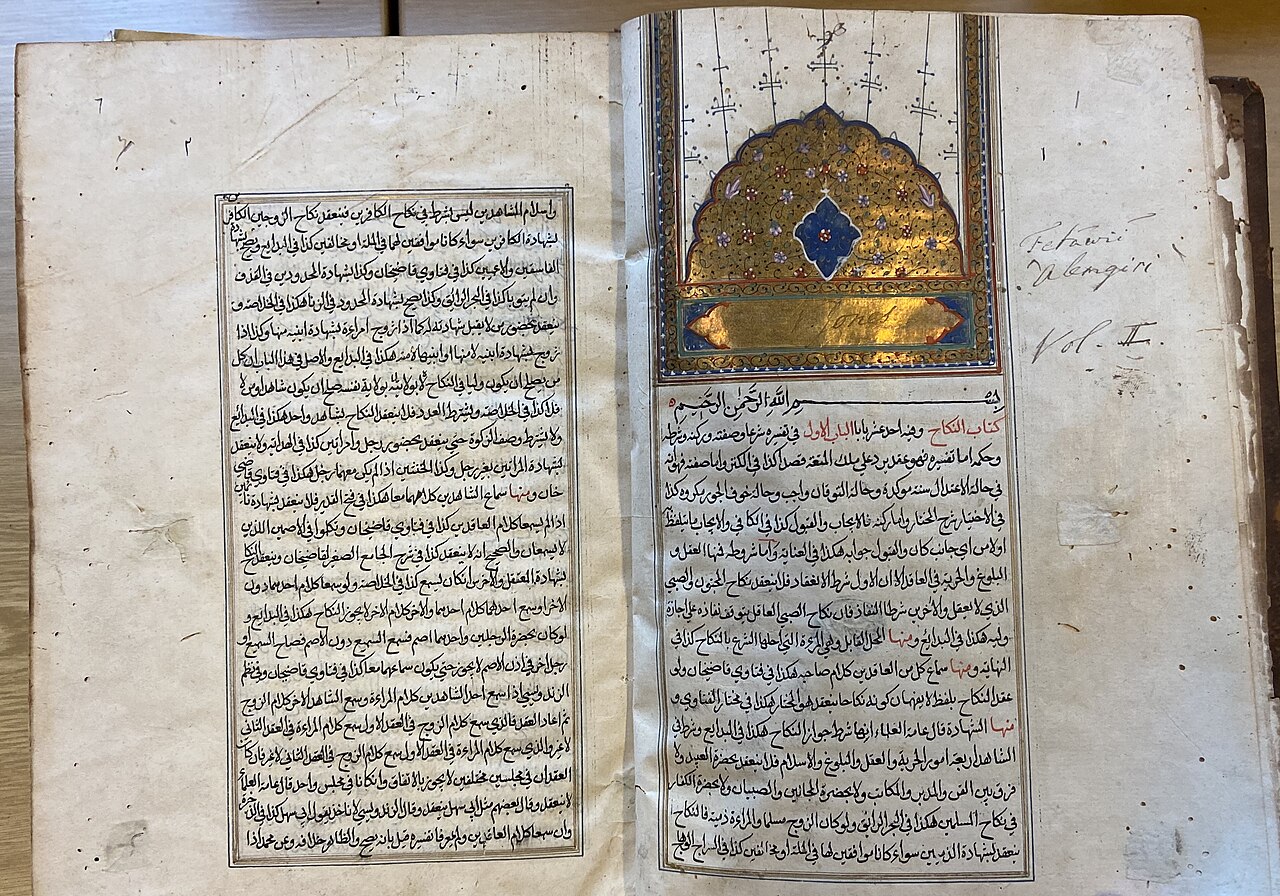
Fatawa-i Alamgiri Manuscript
17th century (this copy later recopied)
 Book
Secondary source
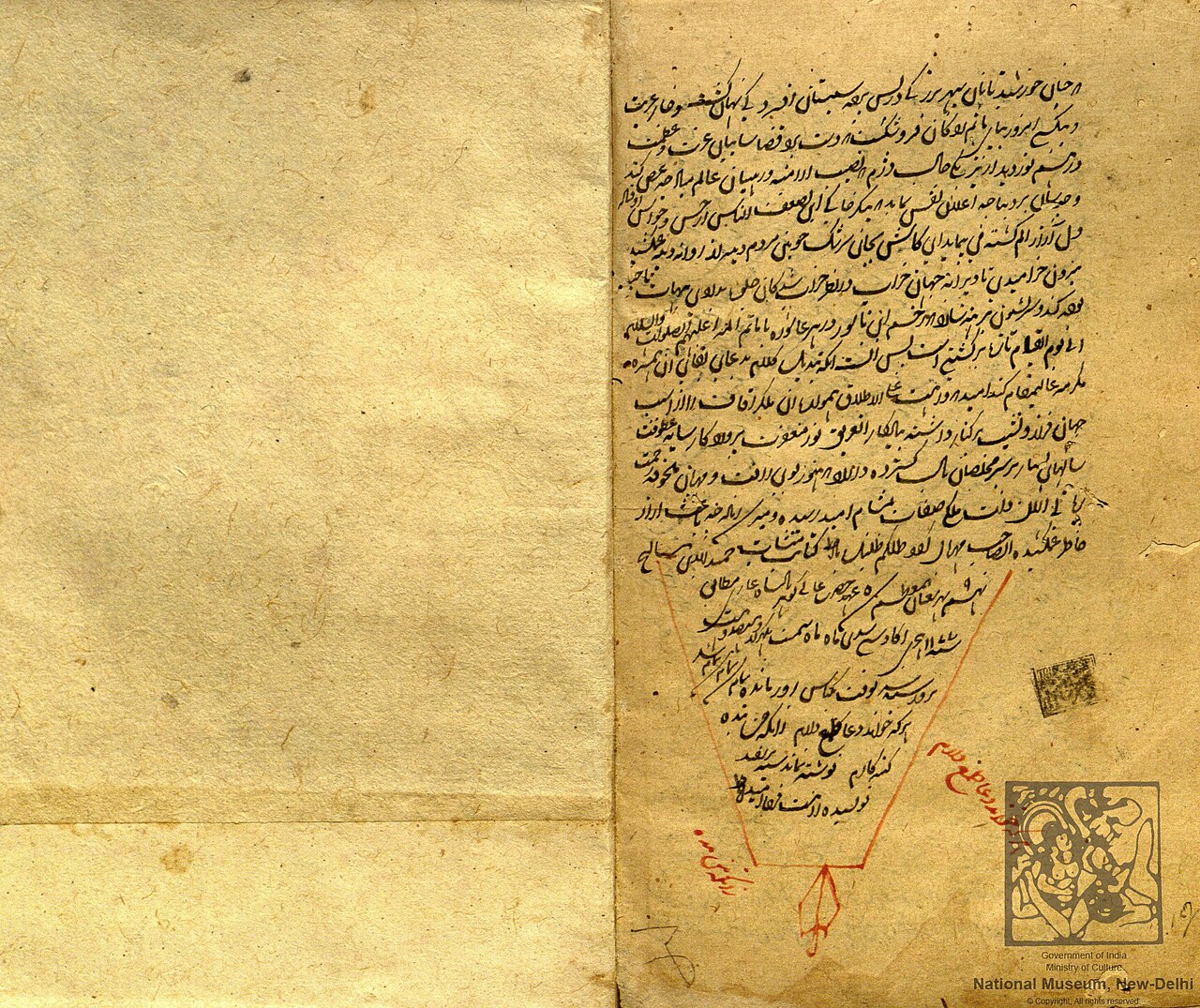
Maasir-i-Alamgiri
Saqi Musta'id Khan · c. 1710 (this copy 1763-1764)
Primary source
Ruka'at-i-Alamgiri
Aurangzeb · 17th century
 Letter
Primary source
Zafarnamah
Guru Gobind Singh · 1705
Ready when you are
Start chatting with Aurangzeb now.
20 messages free · No credit card · Available in 50+ languages.