


Primary sourcePaintingc. 1707-1712
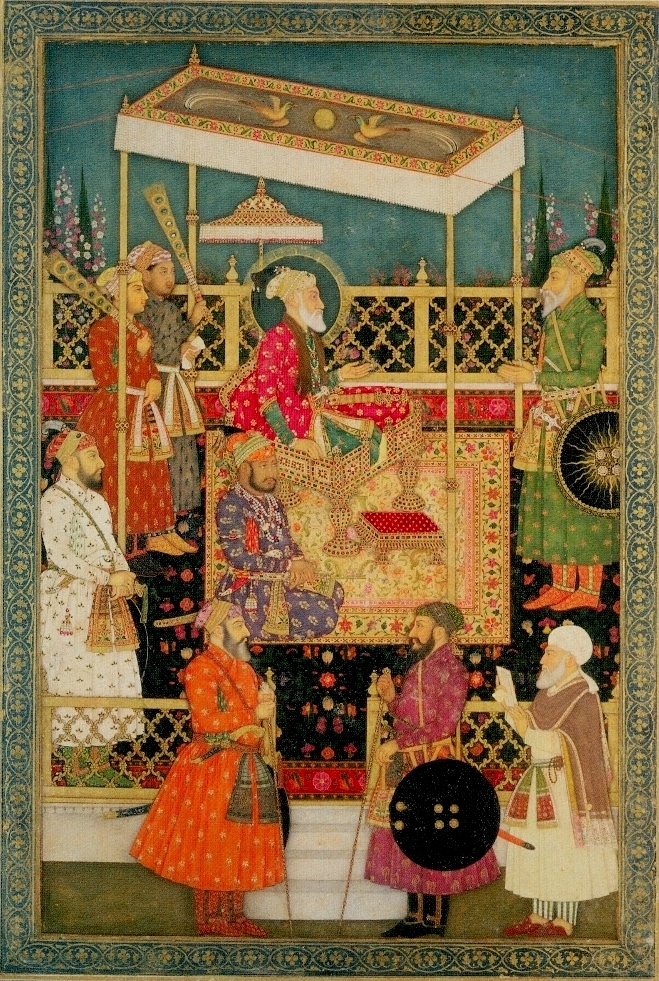
Emperor Aurangzeb Receives Prince Mu'azzam
Attributed to Bhavanidas · c. 1707-1712
A Mughal court painting showing the aging Emperor Aurangzeb receiving his son Prince Muazzam, made near the end of his reign.
This court painting depicts Aurangzeb himself, late in his reign, receiving his son Prince Muazzam.
About this source
What it is
This miniature painting, attributed to the court artist Bhavanidas, shows Emperor Aurangzeb seated under a canopy receiving his son Prince Muazzam, surrounded by richly dressed attendants. It was made between 1707 and 1712, around the time of Aurangzeb's death, and is now held at the Chester Beatty Library in Dublin.
Why it matters
Mughal court painters like Bhavanidas created images to record and glorify imperial ceremonies. This scene, showing the emperor's halo and formal reception of his son, reflects how the Mughal court presented royal authority and succession at the very end of Aurangzeb's long reign.
Look closer
- What details show that the seated figure is meant to be seen as powerful and divinely favored?
- Why might an artist choose to paint a scene of a father receiving his son rather than a battle or hunt?
- What does the formal arrangement of attendants tell you about court etiquette?
This painting is part of the curated material that grounds the AI version of Aurangzeb on Humy.ai — when students ask about related events, the AI can quote it and cite it.
More Aurangzeb sources
Meet the AI Aurangzeb →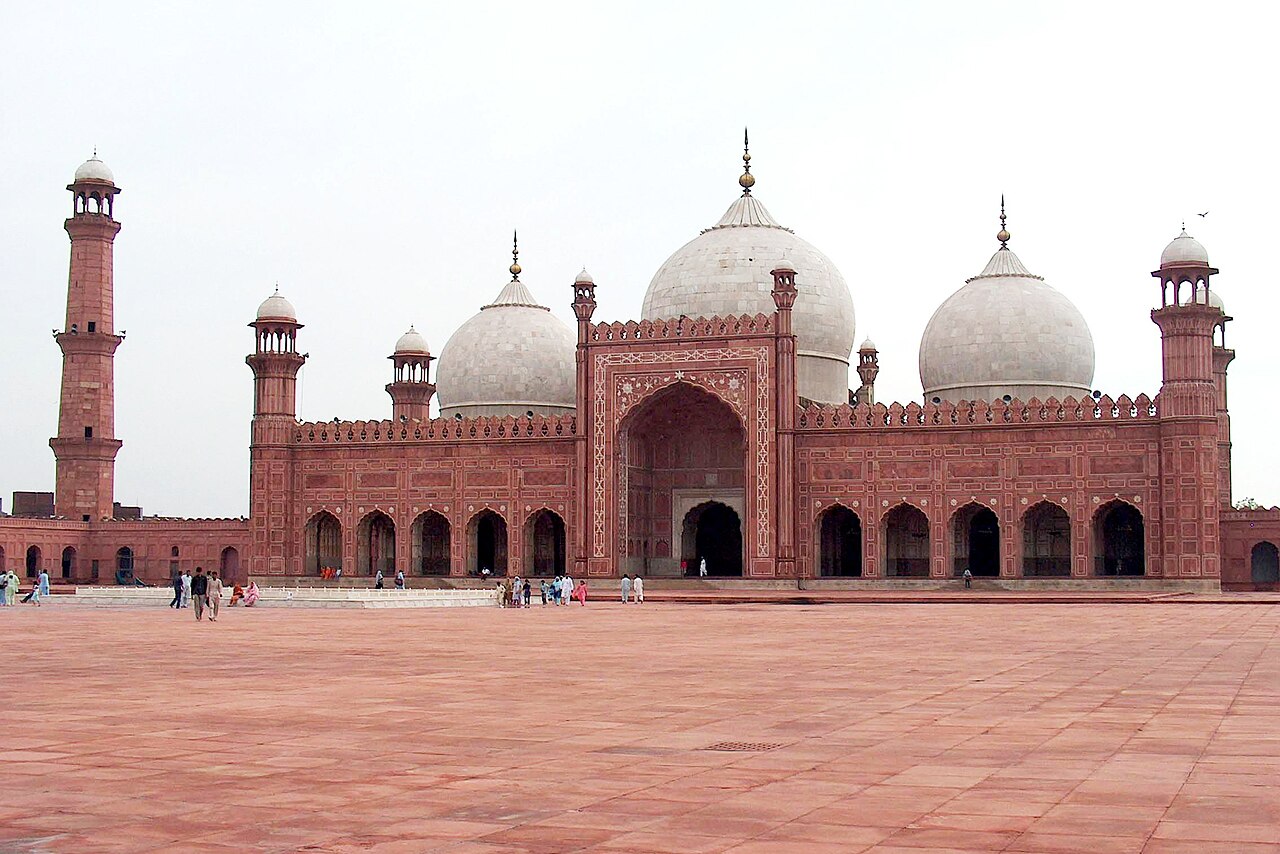 Artifact
Primary source
Badshahi Mosque
1671–1673
 Document
Primary source
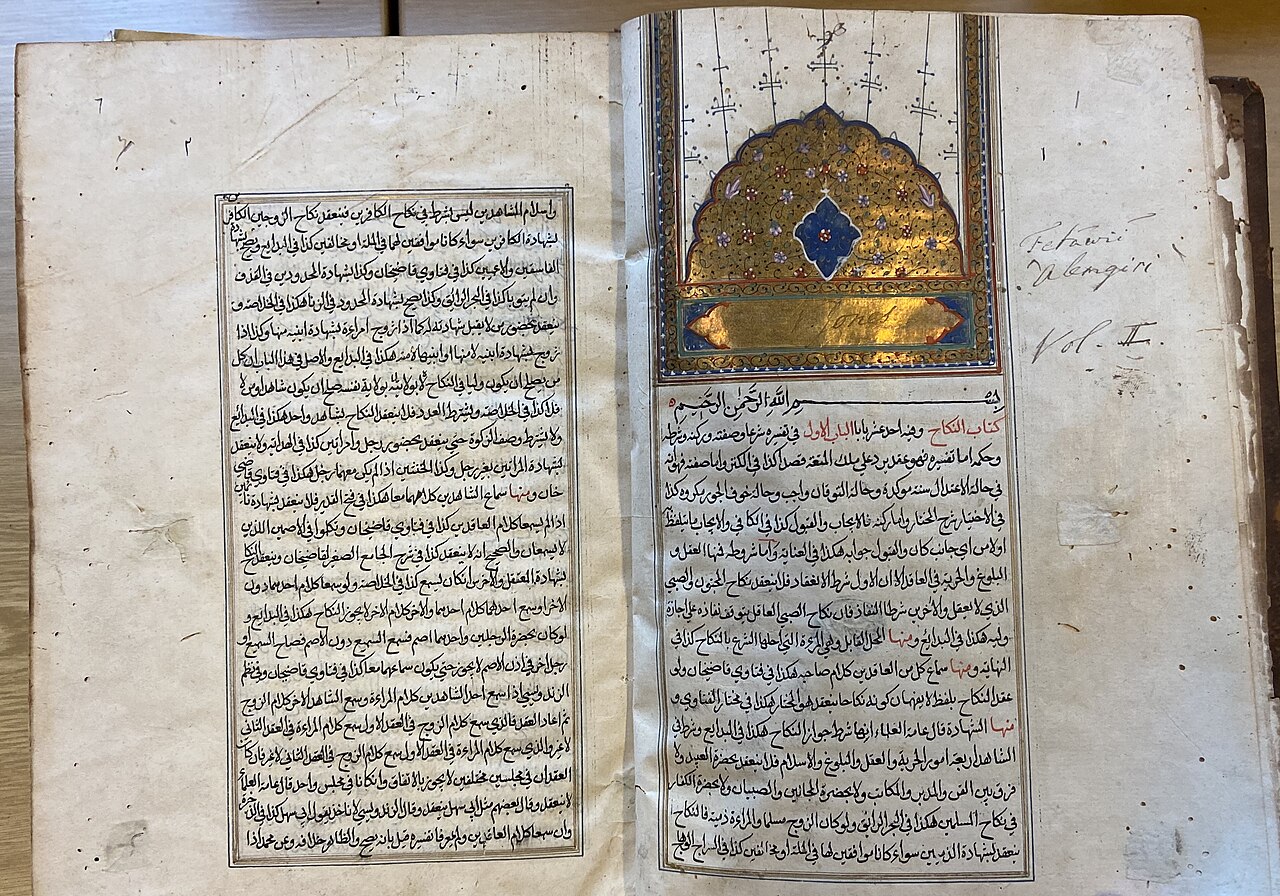
Fatawa-i Alamgiri Manuscript
17th century (this copy later recopied)
 Book
Secondary source
Maasir-i-Alamgiri
Saqi Musta'id Khan · c. 1710 (this copy 1763-1764)
Primary source
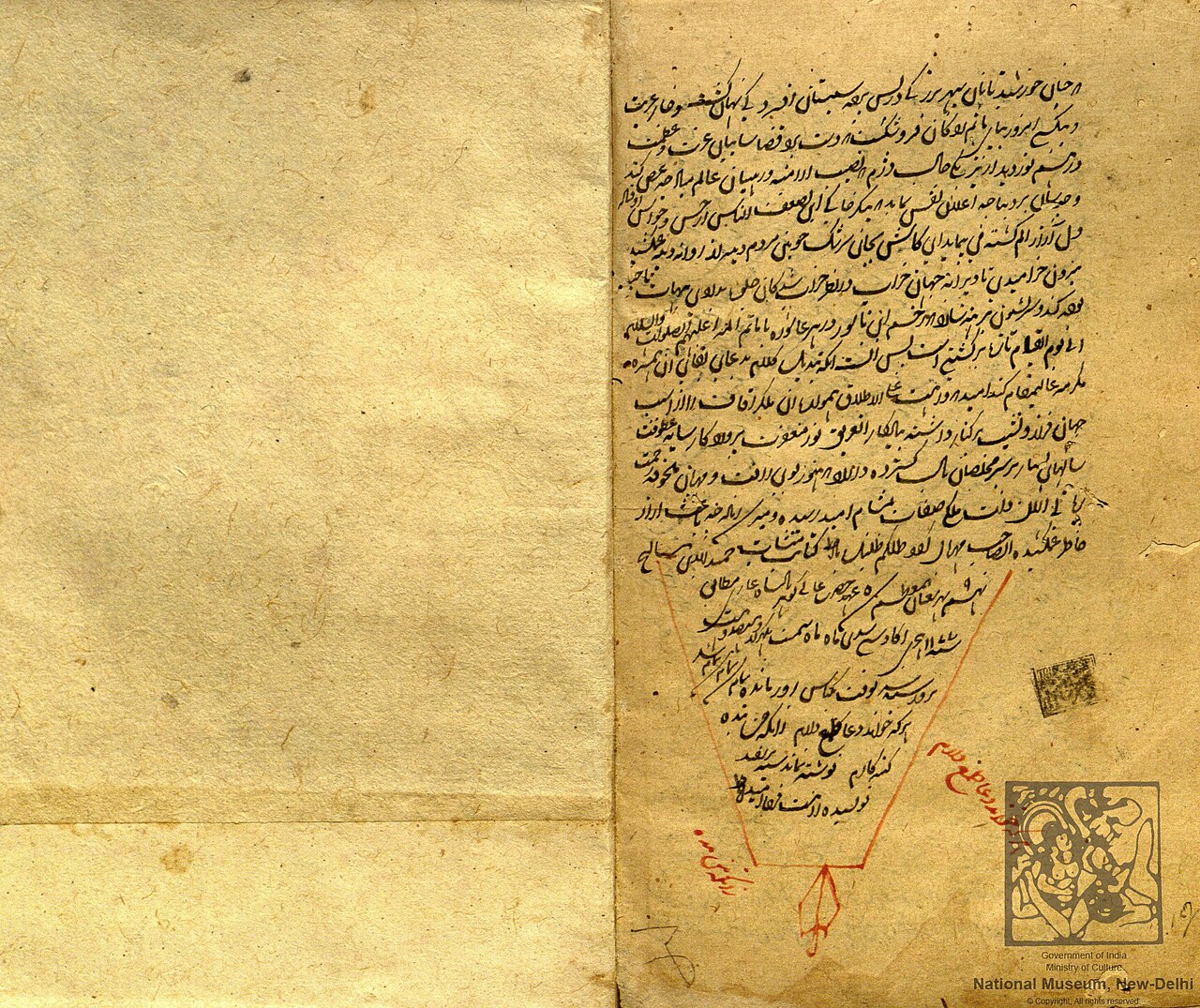
Ruka'at-i-Alamgiri
Aurangzeb · 17th century
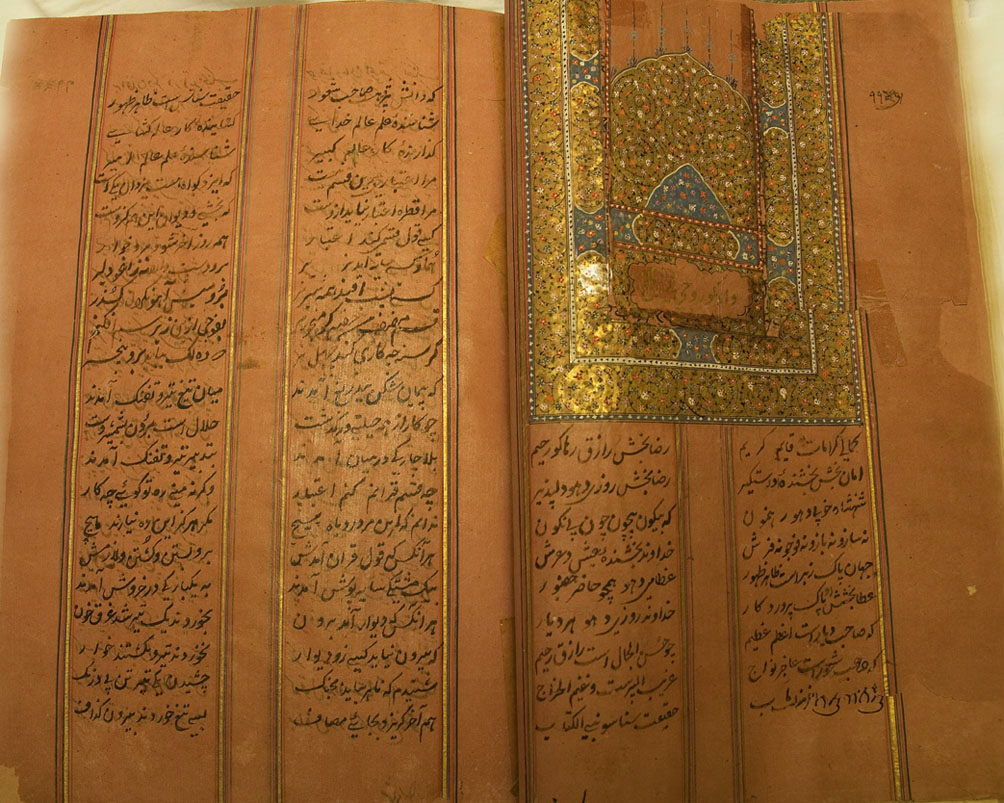 Letter
Primary source
Zafarnamah
Guru Gobind Singh · 1705
Ready when you are
Start chatting with Aurangzeb now.
20 messages free · No credit card · Available in 50+ languages.