


Secondary sourcePainting19th century
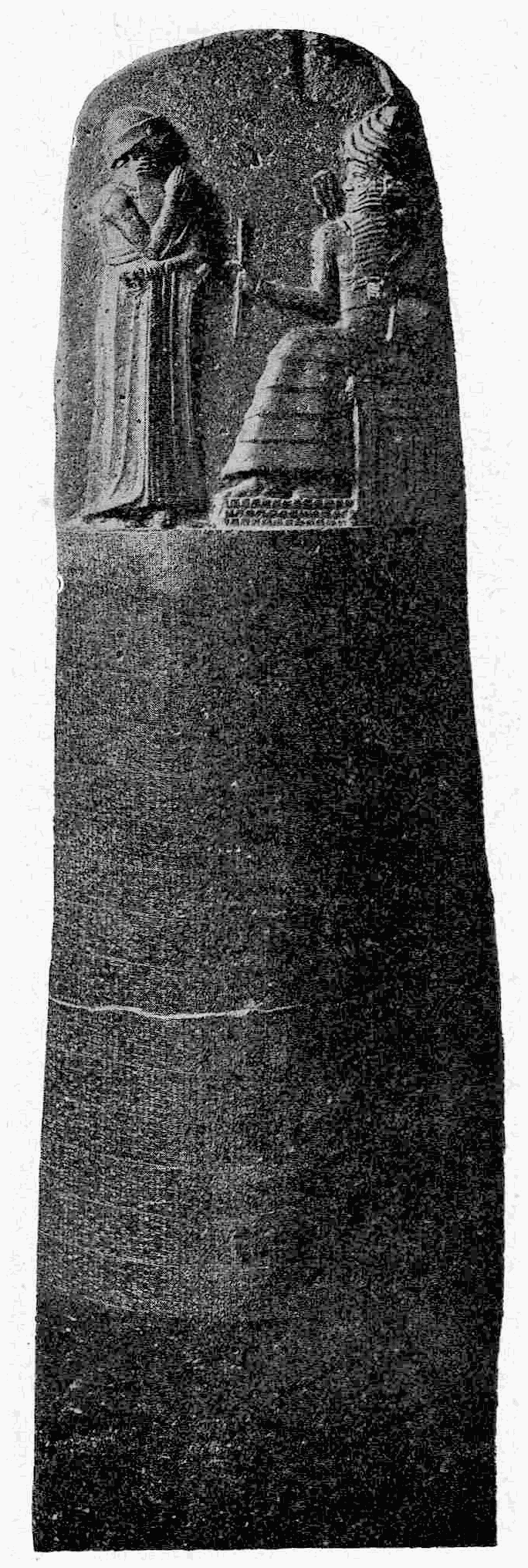
Engraving of Hammurabi's Law Code from Reclus
Élisée Reclus · 19th century
A 19th-century engraving reproducing the top relief and inscribed text of the Code of Hammurabi, from a geography work by Élisée Reclus.
This engraving depicts the relief scene of the Code of Hammurabi, traditionally understood to show Hammurabi before a god.
About this source
What it is
This engraving reproduces the upper relief and part of the inscribed text of the Code of Hammurabi. It was made for a 19th-century geography work by the French geographer Élisée Reclus, long after Hammurabi's lifetime.
Why it matters
The image shows the relief scene at the top of the stele, believed to depict a standing figure facing a seated king, understood to be Hammurabi receiving the laws. This 19th-century print reflects how Europeans of that era studied and popularized ancient Mesopotamian civilization.
Look closer
- How does an engraving differ from a photograph in showing historical detail?
- What might the artist have emphasized or left out when copying the original stele?
- Why would a geography book include an image of an ancient legal code?
This painting is part of the curated material that grounds the AI version of Hammurabi on Humy.ai — when students ask about related events, the AI can quote it and cite it.
More Hammurabi sources
Meet the AI Hammurabi →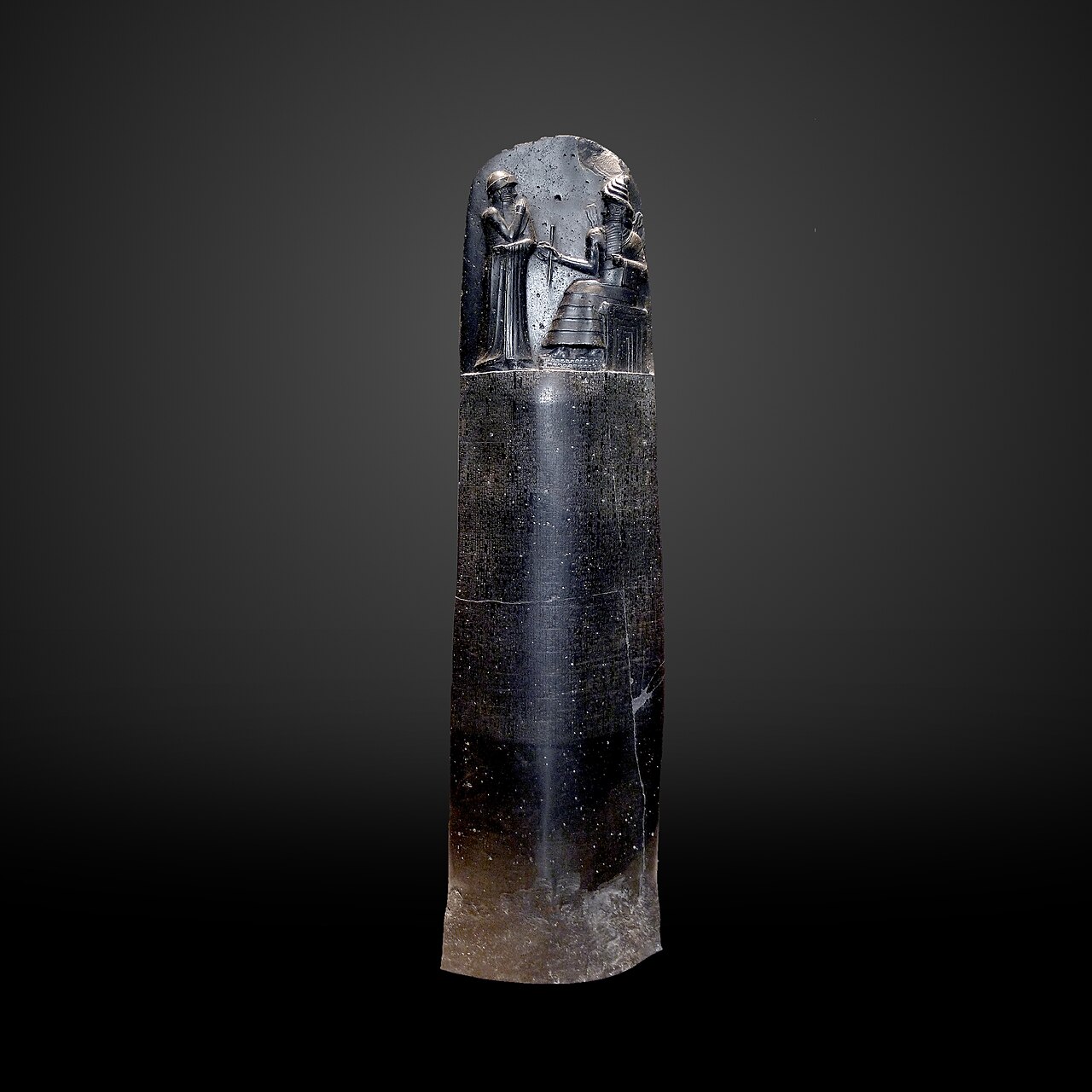 Document
Primary source
Code of Hammurabi
Hammurabi · c. 1753 BCE
 Sculpture
Primary source
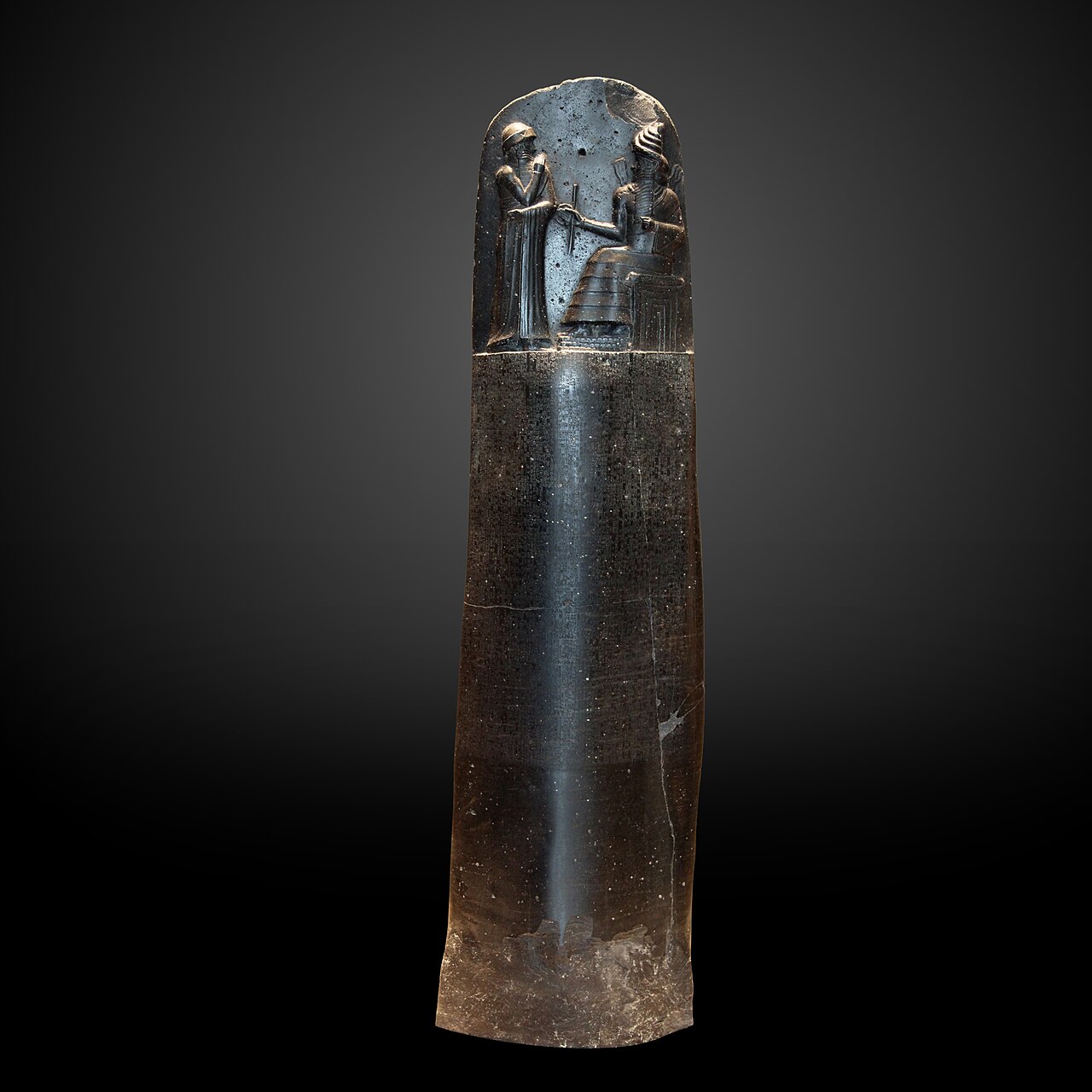
Stele with the Code of Hammurabi
Hammurabi · c. 1792 BCE
 Letter
Primary source
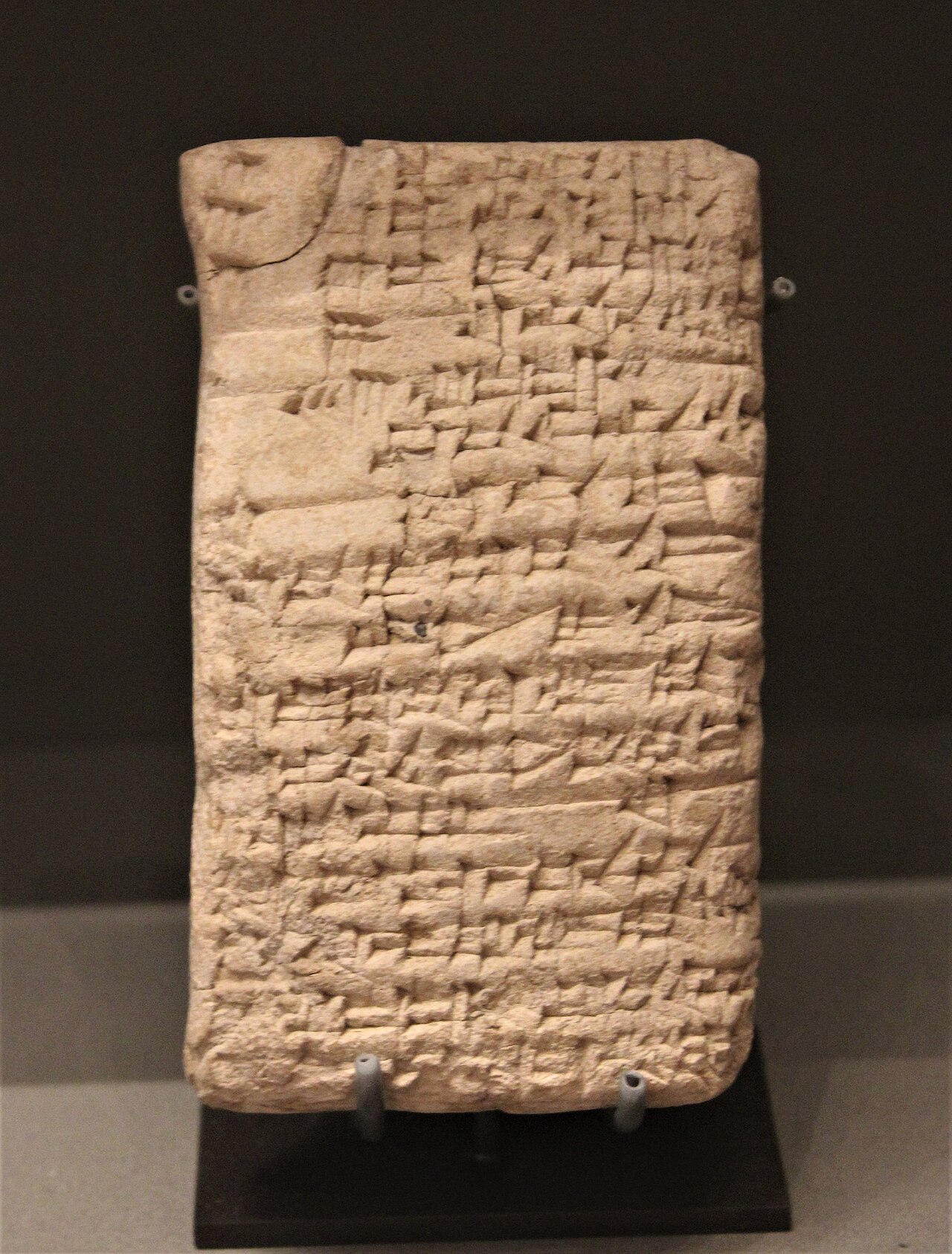
Letter from Hammurabi to Sîn-iddinam
Hammurabi · c. 1792-1750 BCE
 Document
Primary source
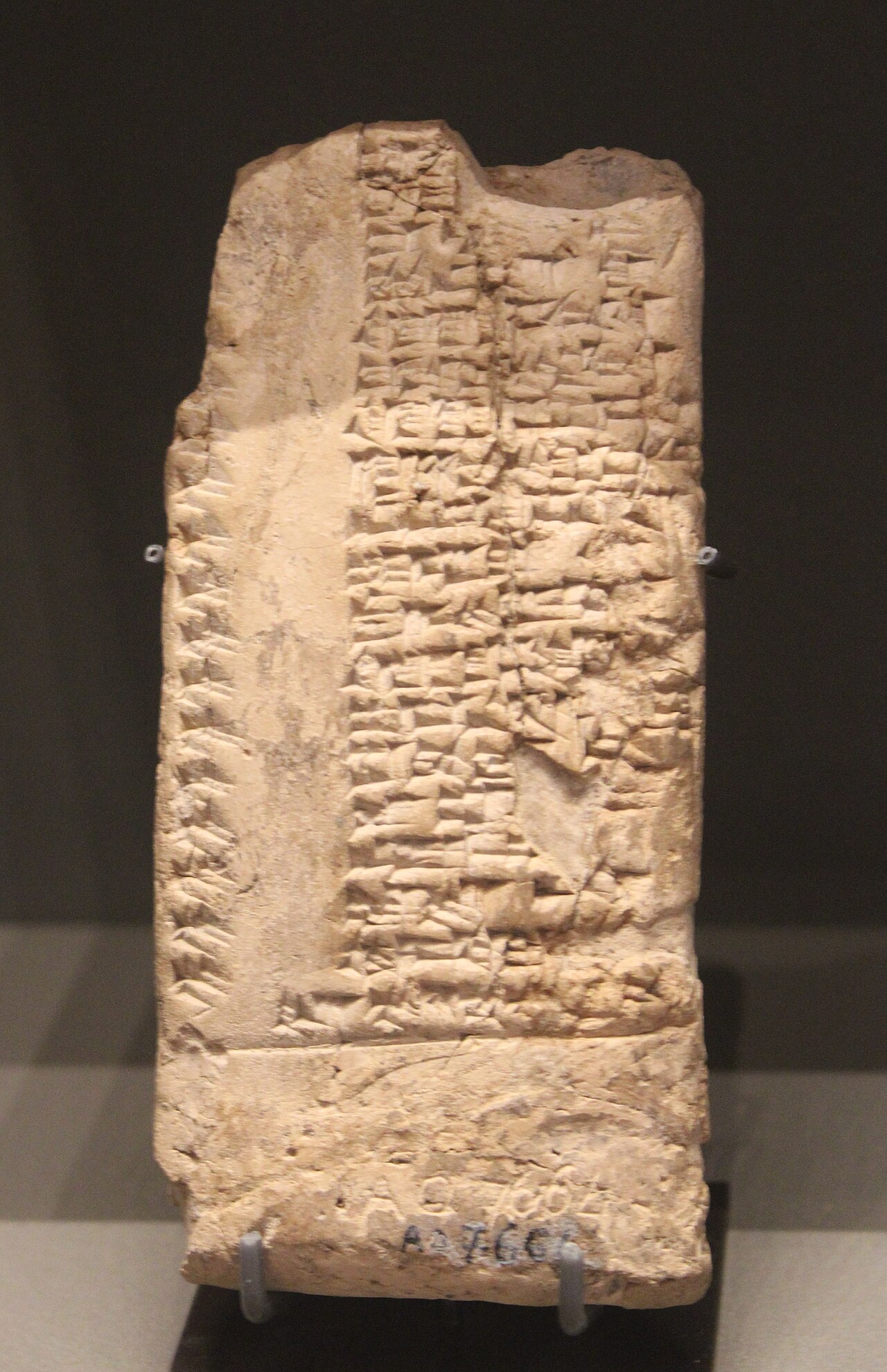
List of the year-names of Hammurabi's reign
Old Babylonian period, reign of Hammurabi (c. 1792-1750 BCE)
 Document
Secondary source
Chronicle of Early Kings
Babylonian scribes · c. 6th century BCE copy
Ready when you are
Start chatting with Hammurabi now.
20 messages free · No credit card · Available in 50+ languages.