


Primary sourceLetterc. AD 57
Epistle to the Romans
Paul the Apostle · c. AD 57
Paul's longest and most systematic letter, written to the Christian community in Rome to explain salvation through faith in Christ.
Paul wrote this letter himself, making it one of his own theological statements and a direct primary source for his thinking.
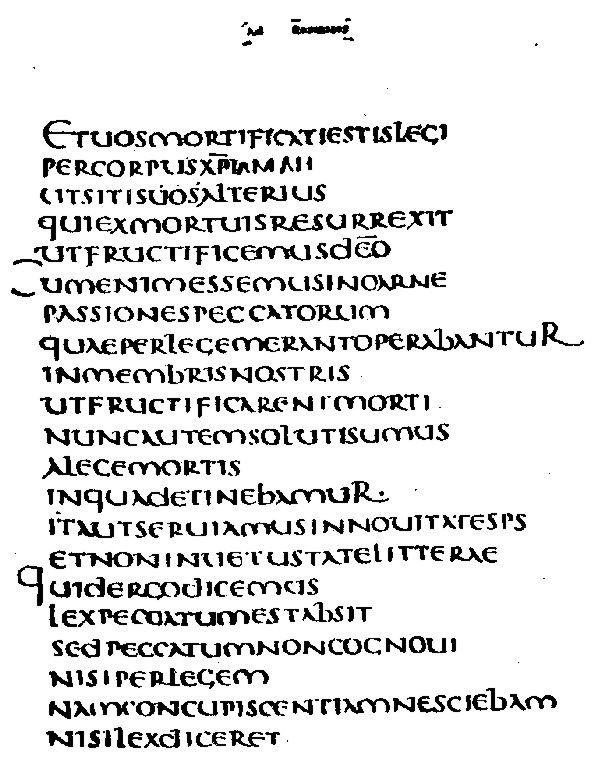
About this source
What it is
This is a letter written by Paul the Apostle, probably from Corinth around AD 57, and likely dictated to a scribe named Tertius. It is the sixth book of the New Testament and the longest of Paul's surviving letters. The image shown is a later manuscript page, not the original, which has not survived.
Why it matters
Romans lays out Paul's ideas about faith, Jewish and Gentile believers, and salvation in more detail than any of his other letters. It became hugely important centuries later to thinkers such as Augustine and Martin Luther, who used it to argue for salvation by faith alone. It shows Paul working out how his message could unite very different groups of early Christians in the capital of the Roman Empire.
Look closer
- Why might Paul want to explain his beliefs so carefully to a community he had not founded himself?
- What does the care taken in copying this text over centuries tell us about its importance to later readers?
- What questions might remain unanswered since we only have Paul's side of the correspondence?
This letter is part of the curated material that grounds the AI version of Saint Paul on Humy.ai — when students ask about related events, the AI can quote it and cite it.
More Saint Paul sources
Meet the AI Saint Paul →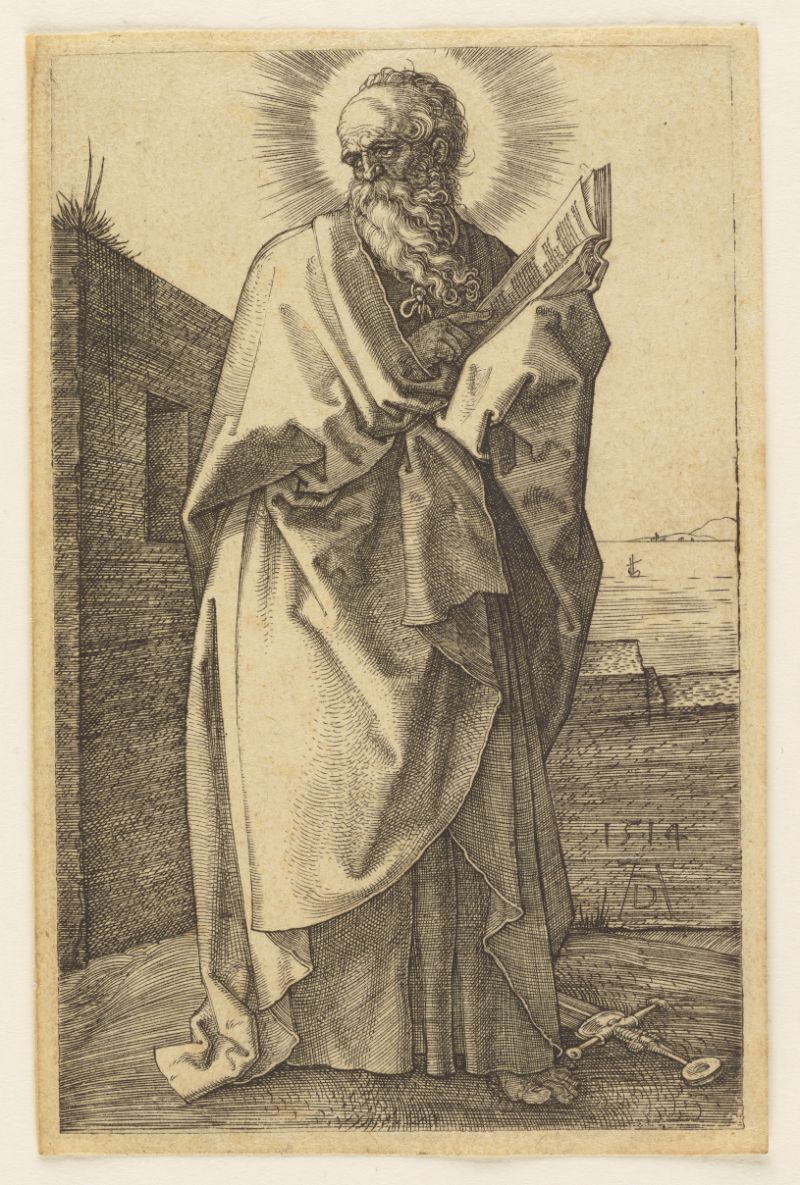 Painting
Secondary source
Saint Paul
Albrecht Dürer · 1514
 Letter
Secondary source
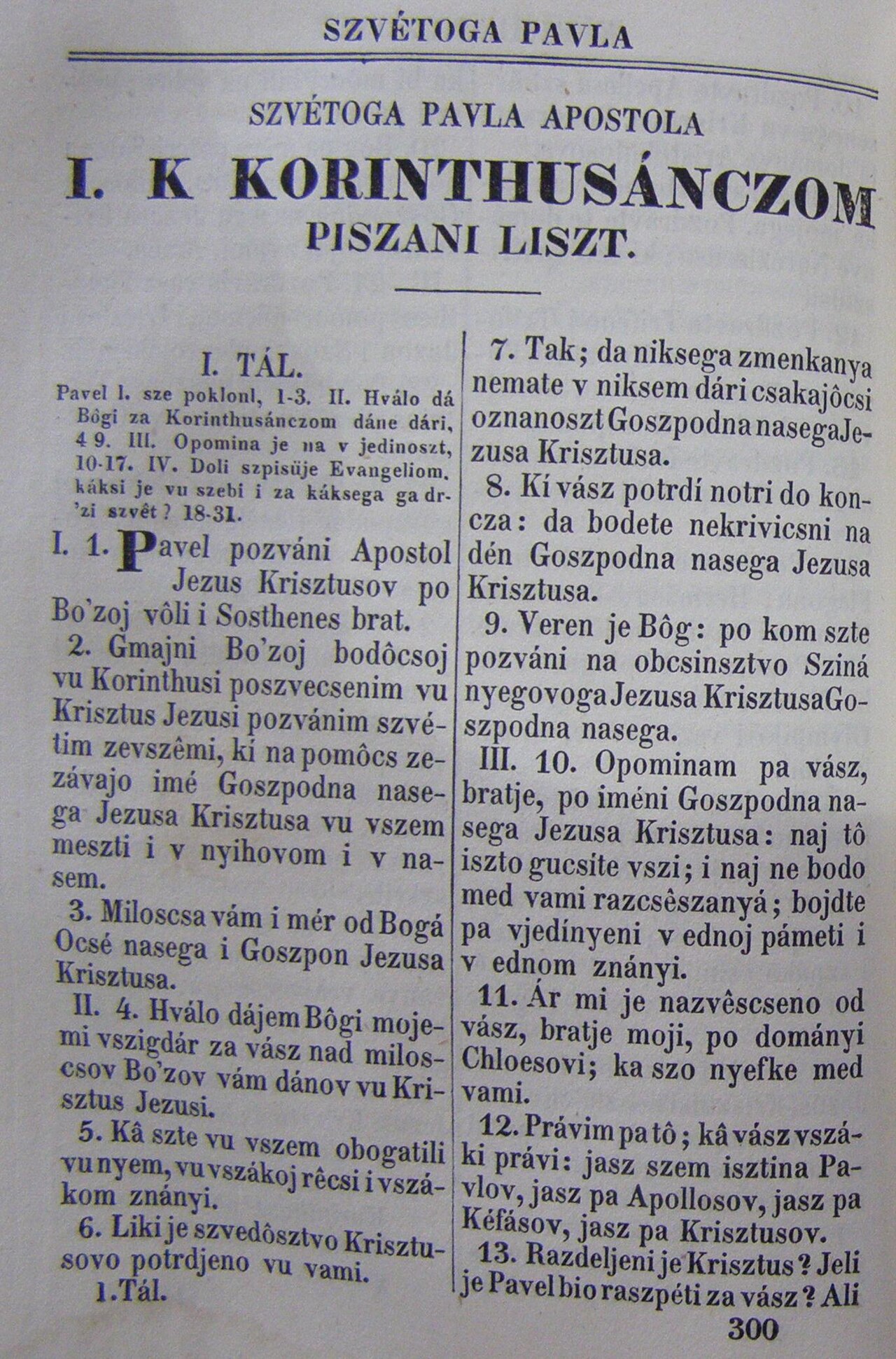
First Epistle to the Corinthians
Paul the Apostle · c. 54 AD
 Book
Primary source
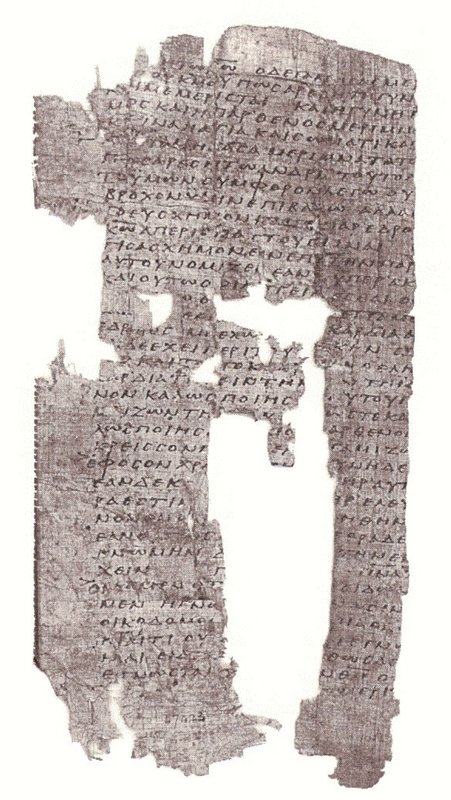
1 Corinthians 13
Paul the Apostle · c. AD 53-57
 Document
Secondary source
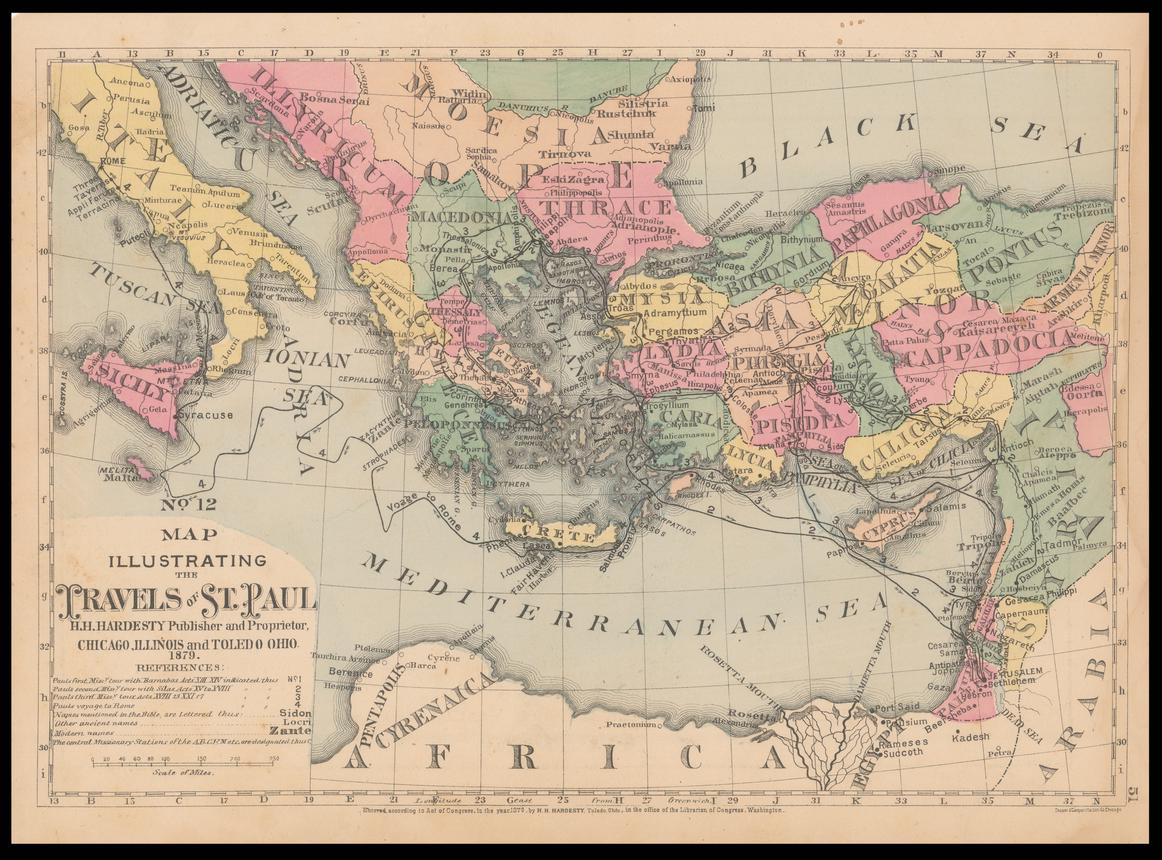
Map Illustrating the Travels of St. Paul
H.H. Hardesty · 1879
 Letter
Primary source
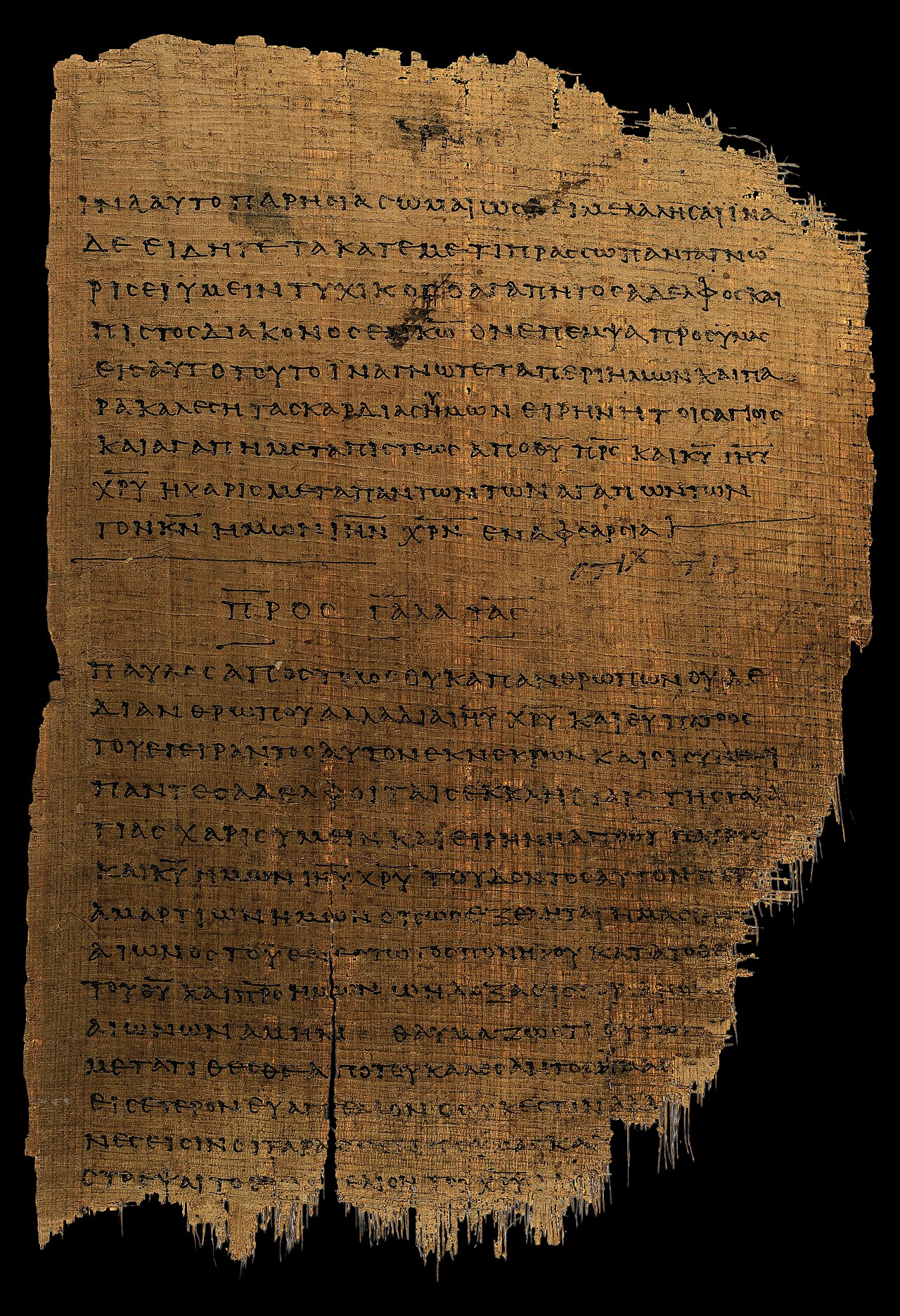
Epistle to the Galatians
Paul the Apostle · c. AD 48
Ready when you are
Start chatting with Saint Paul now.
20 messages free · No credit card · Available in 50+ languages.