


Secondary sourceLetterc. 54 AD
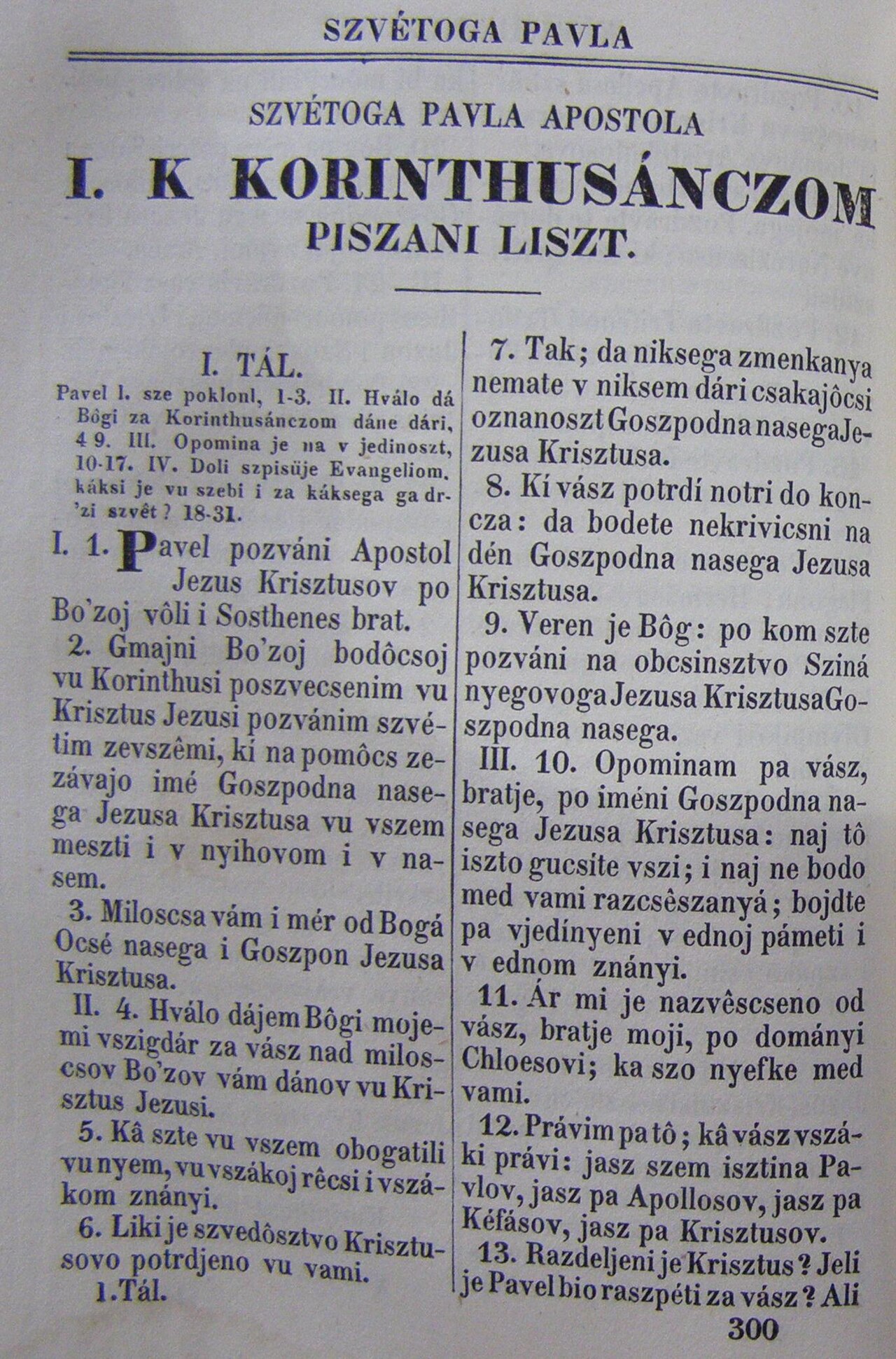
First Epistle to the Corinthians
Paul the Apostle · c. 54 AD
A letter from Paul the Apostle to the church at Corinth, containing the earliest written accounts of the Last Supper and Jesus's resurrection appearances.
This letter gives one of the earliest written accounts of events central to Jesus's life, the Last Supper and the resurrection.
About this source
What it is
This letter was written by Paul the Apostle to the Christian community in Corinth, probably around the year 54, roughly a generation after Jesus's death. It addresses disputes within the church and includes Paul's account of the Last Supper and the appearances of the risen Jesus. The original letter does not survive, but its text is preserved in later copies, the earliest from the late 2nd or early 3rd century.
Why it matters
Because it was written so soon after Jesus's lifetime, this letter is one of the earliest surviving written sources mentioning him, older than the Gospels themselves. It shows how followers like Paul were already describing and interpreting Jesus's death and resurrection within a few decades of the events.
Look closer
- Why might a letter addressing local church problems also include such an early account of the Last Supper?
- What does it tell us that no original manuscript survives, only later copies?
- How might Paul's own purposes have shaped what he chose to include?
This letter is part of the curated material that grounds the AI version of Jesus Christ and Saint Paul on Humy.ai — when students ask about related events, the AI can quote it and cite it.
More Jesus Christ sources
Meet the AI Jesus Christ →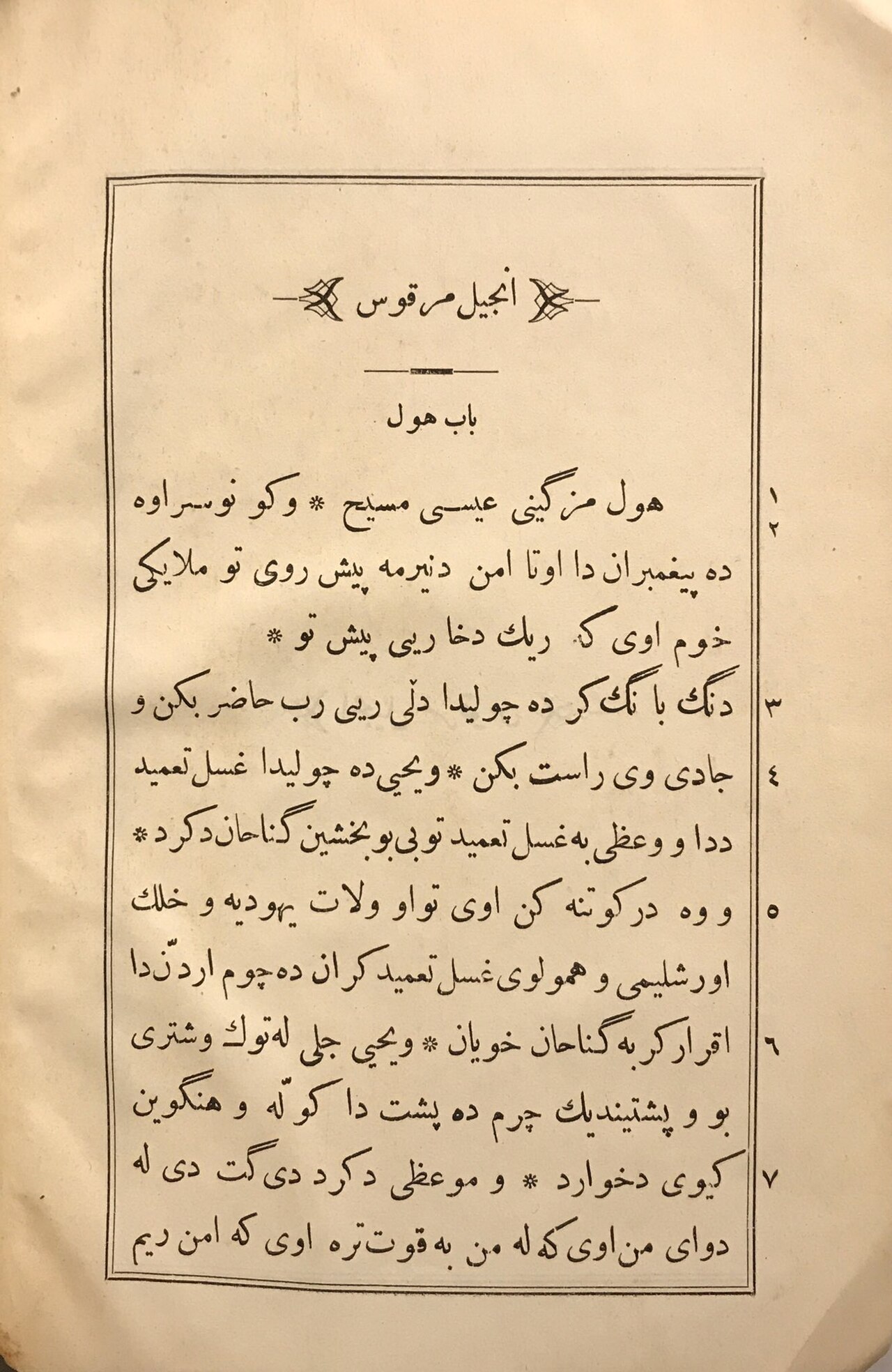 Book
Secondary source
Gospel of Mark
Mark the Evangelist · c. AD 66-75
 Artifact
Secondary source
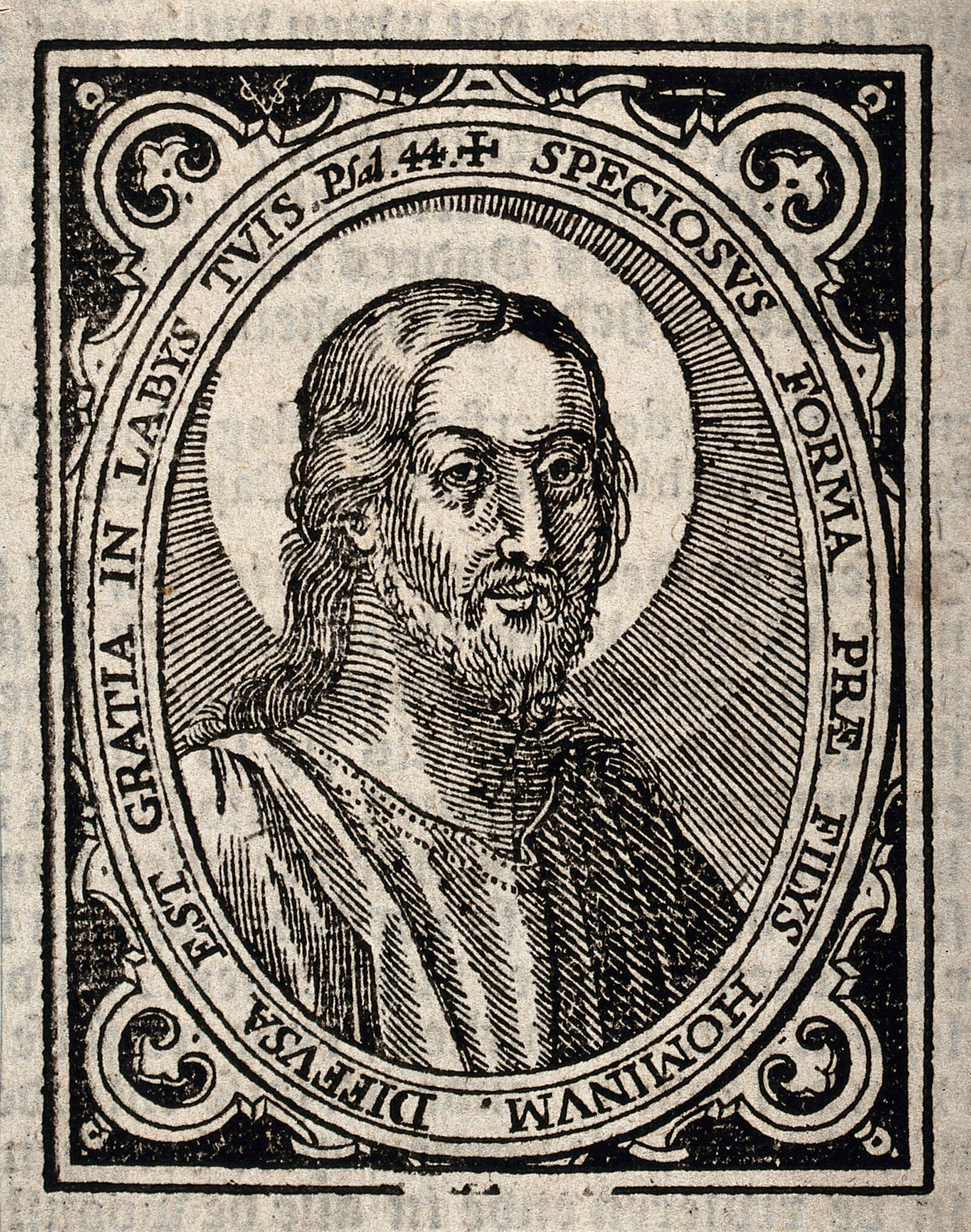
Jesus Christ, woodcut by Christoffel van Sichem III
Christoffel van Sichem III · c. 1645
 Book
Secondary source
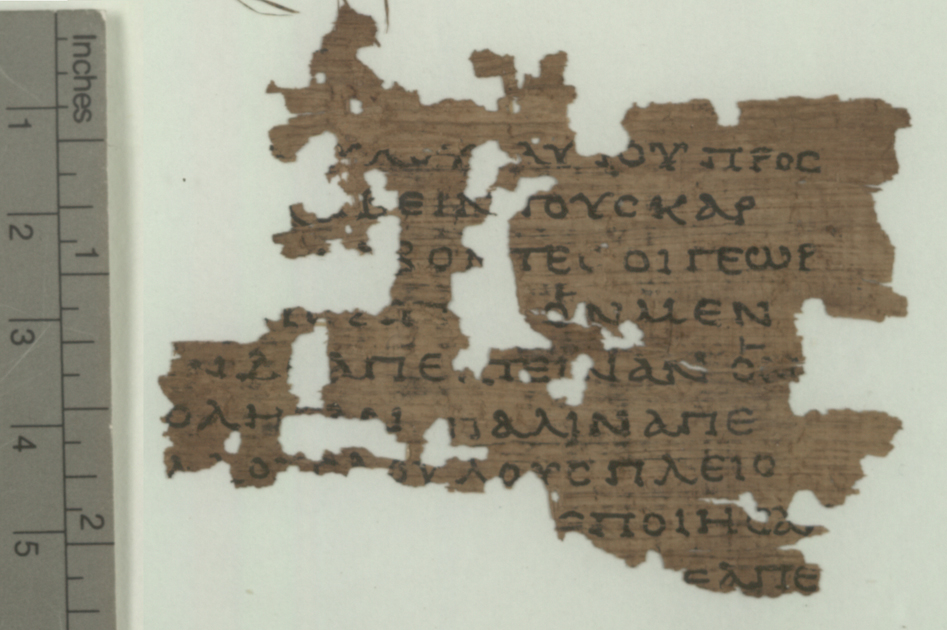
Gospel of Matthew
Matthew the Apostle · late 1st century AD
 Painting
Secondary source
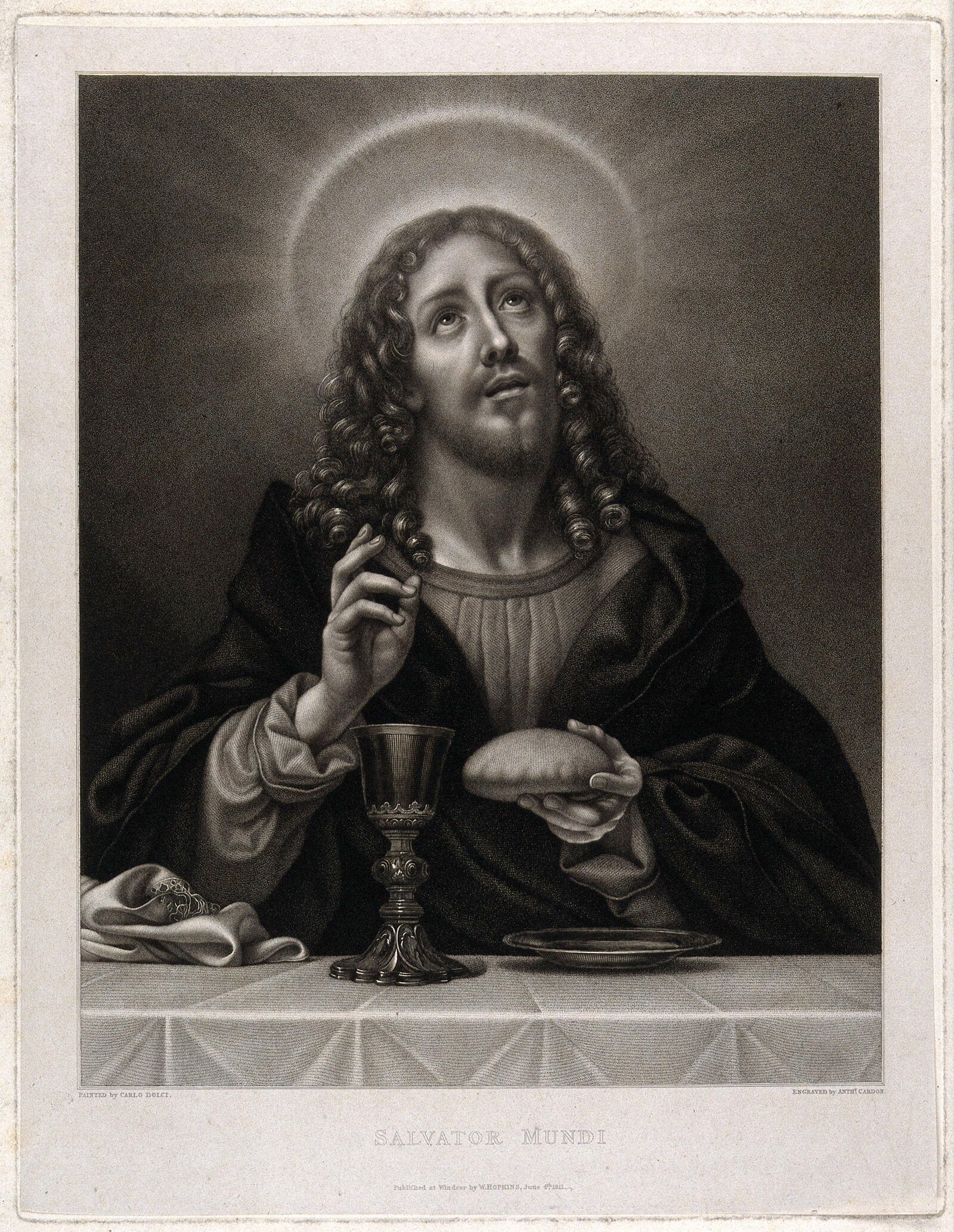
Jesus Christ blessing the Host
Carlo Dolci (painting); Anth. Cardon (engraving) · 4 June 1811
 Painting
Secondary source
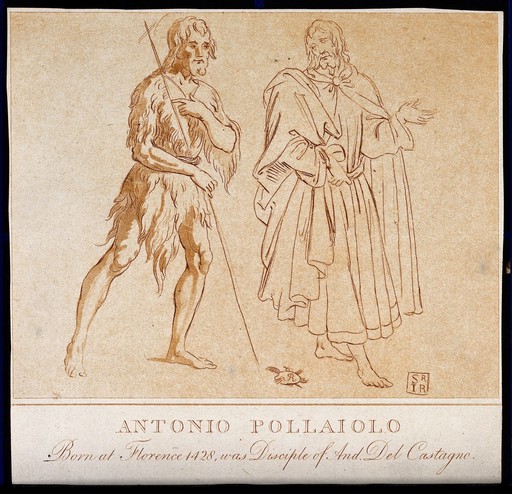
John the Baptist Meets Jesus Christ
Antonio Pollaiuolo
Ready when you are
Start chatting with Jesus Christ now.
20 messages free · No credit card · Available in 50+ languages.