


Secondary sourceSculpture1437-1439
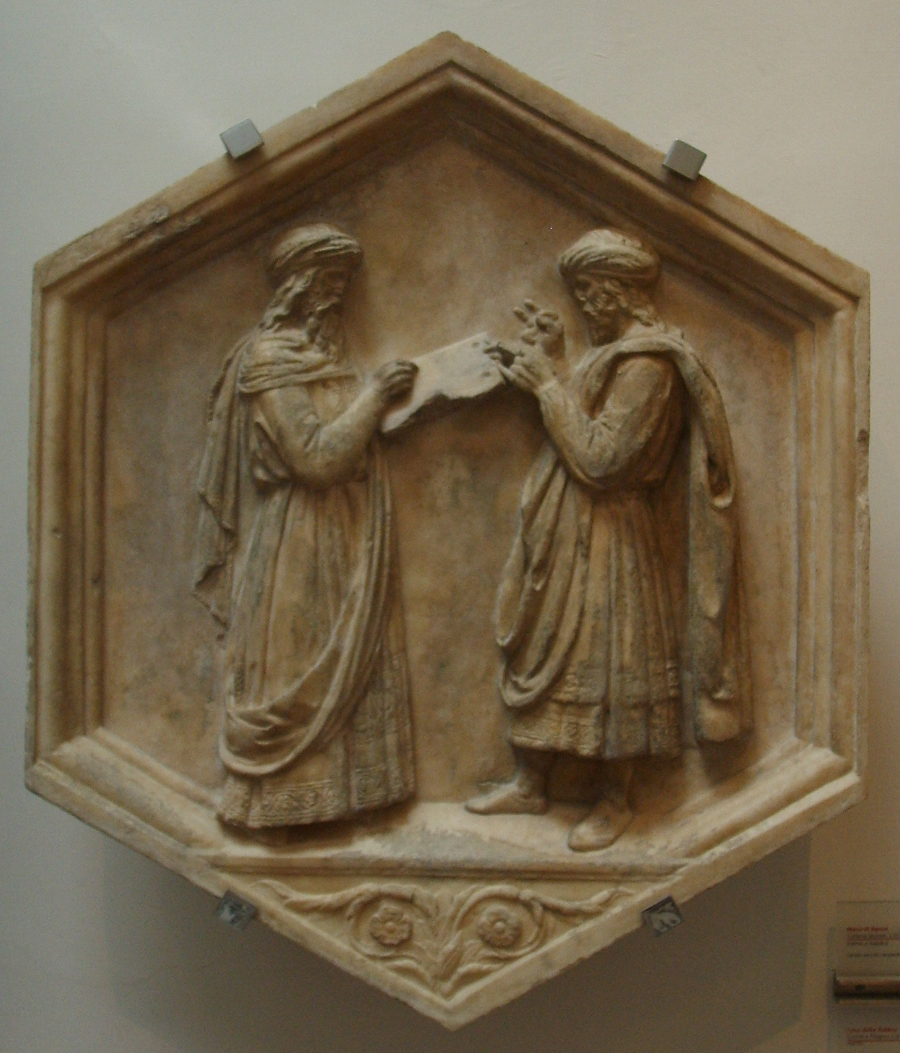
Euclid and Pythagoras Relief
Luca della Robbia · 1437-1439
A glazed terracotta relief panel made for the Florence bell tower, showing two robed figures representing geometry and arithmetic, one identified as Pythagoras.
This Renaissance relief imagines Pythagoras as a symbolic figure of arithmetic alongside Euclid.
About this source
What it is
This hexagonal relief panel was made by the sculptor Luca della Robbia between 1437 and 1439 for the campanile (bell tower) in Florence. It shows two bearded men in robes and turbans facing each other, one holding a tablet and the other a compass-like tool, representing the figures of Euclid and Pythagoras, standing for geometry and arithmetic.
Why it matters
This relief is not a real portrait — it was made nearly two thousand years after Pythagoras lived. It shows how Renaissance artists like della Robbia imagined ancient philosophers as symbols of the branches of knowledge they were associated with, honoring mathematics as part of a larger celebration of human learning.
Look closer
- Since no one alive in the 1430s had ever seen Pythagoras, how did the artist decide what he should look like?
- What do the objects each figure holds tell you about what they represent?
- Why would a city like Florence want images of ancient philosophers on a bell tower?
This sculpture is part of the curated material that grounds the AI version of Pythagoras on Humy.ai — when students ask about related events, the AI can quote it and cite it.
More Pythagoras sources
Meet the AI Pythagoras → Book
Secondary source
Lives and Opinions of Eminent Philosophers, Book V (Life of Aristotle)
Diogenes Laërtius · c. 3rd century CE
 Book
Secondary source
Histories
Herodotus · c. 440 BCE
 Painting
Secondary source
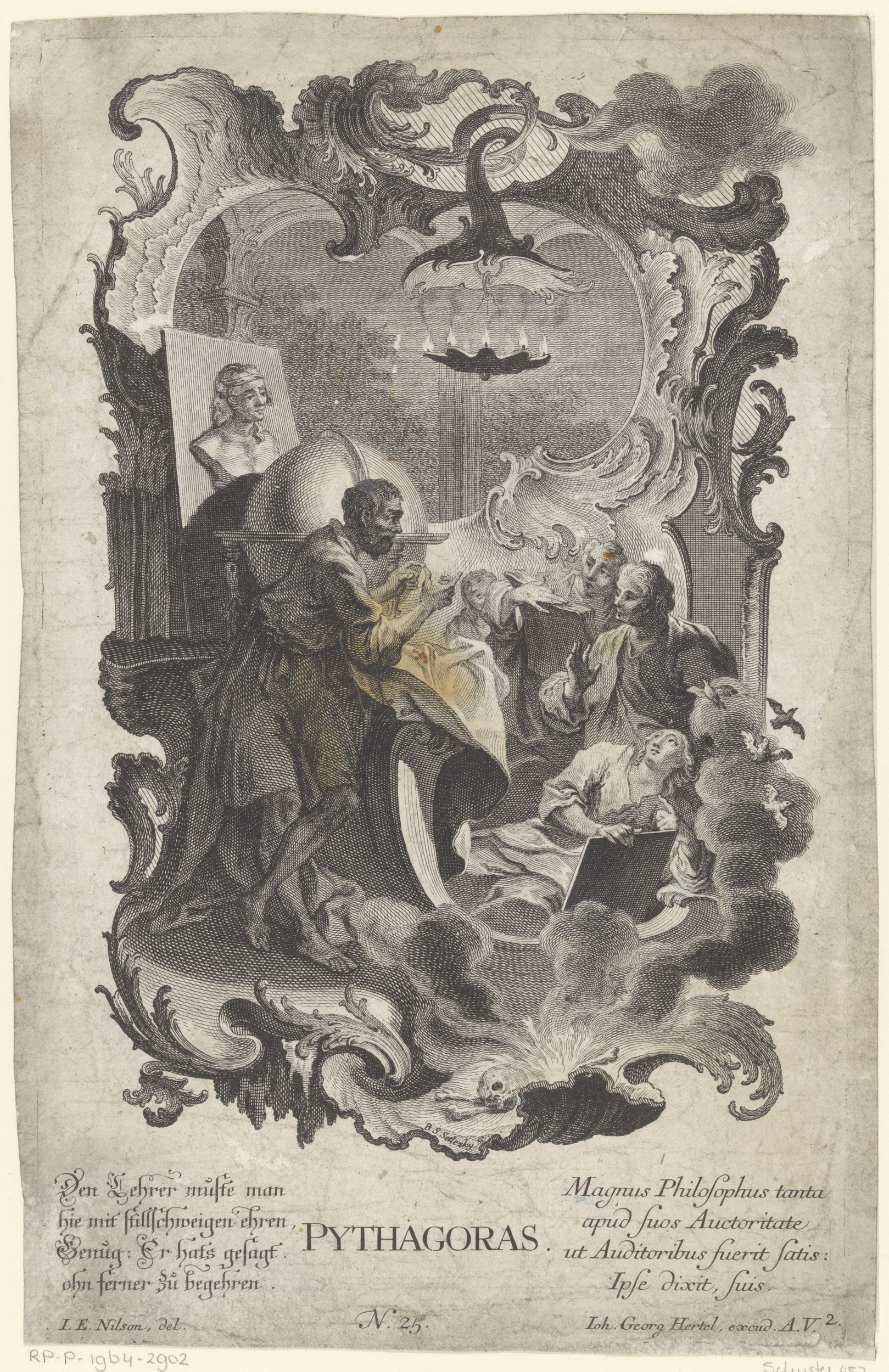
Pythagoras Leaning on a Globe with Four Listeners
 Book
Secondary source
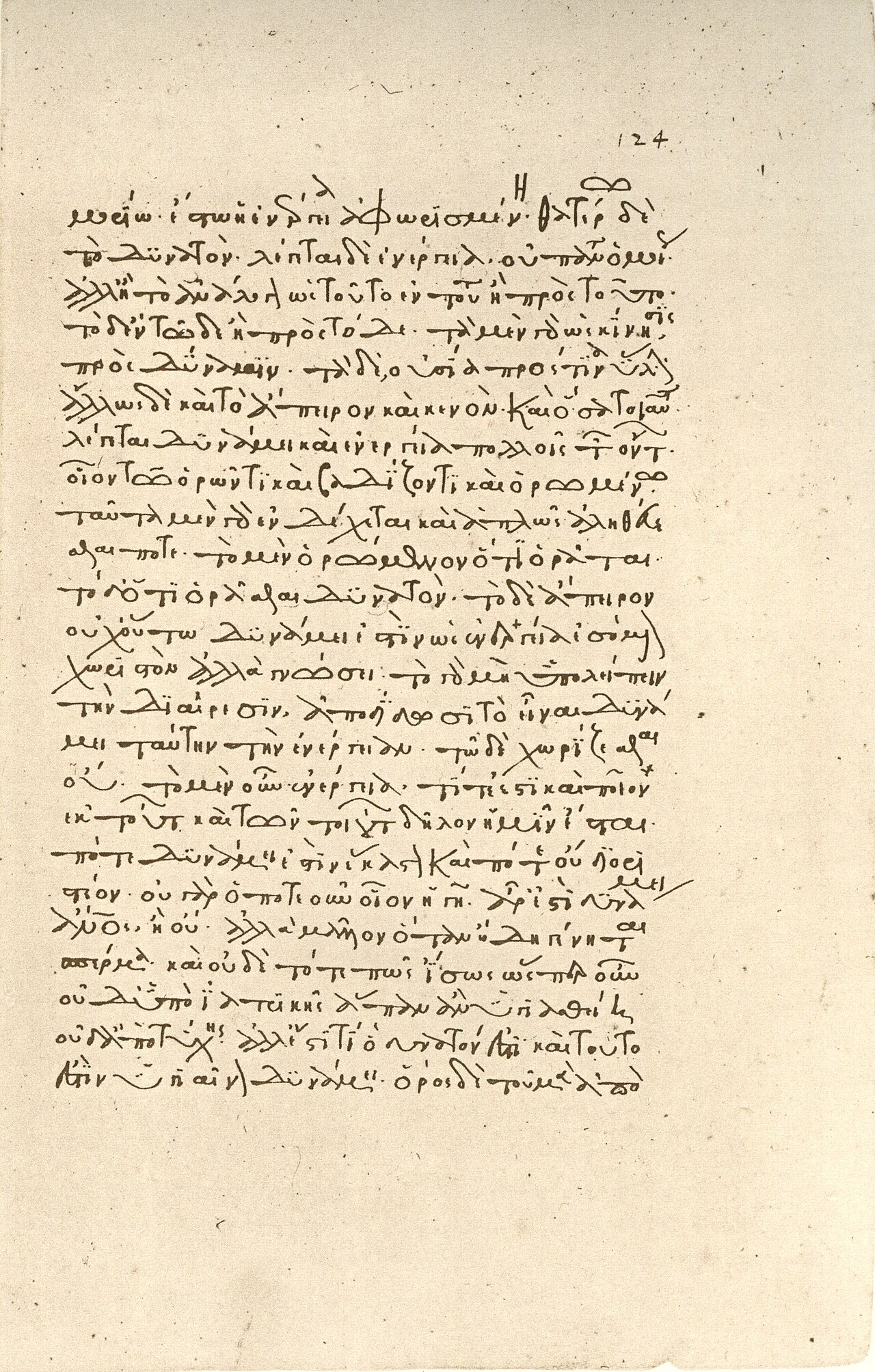
Metaphysics
Aristotle · c. 400 BCE
 Painting
Secondary source
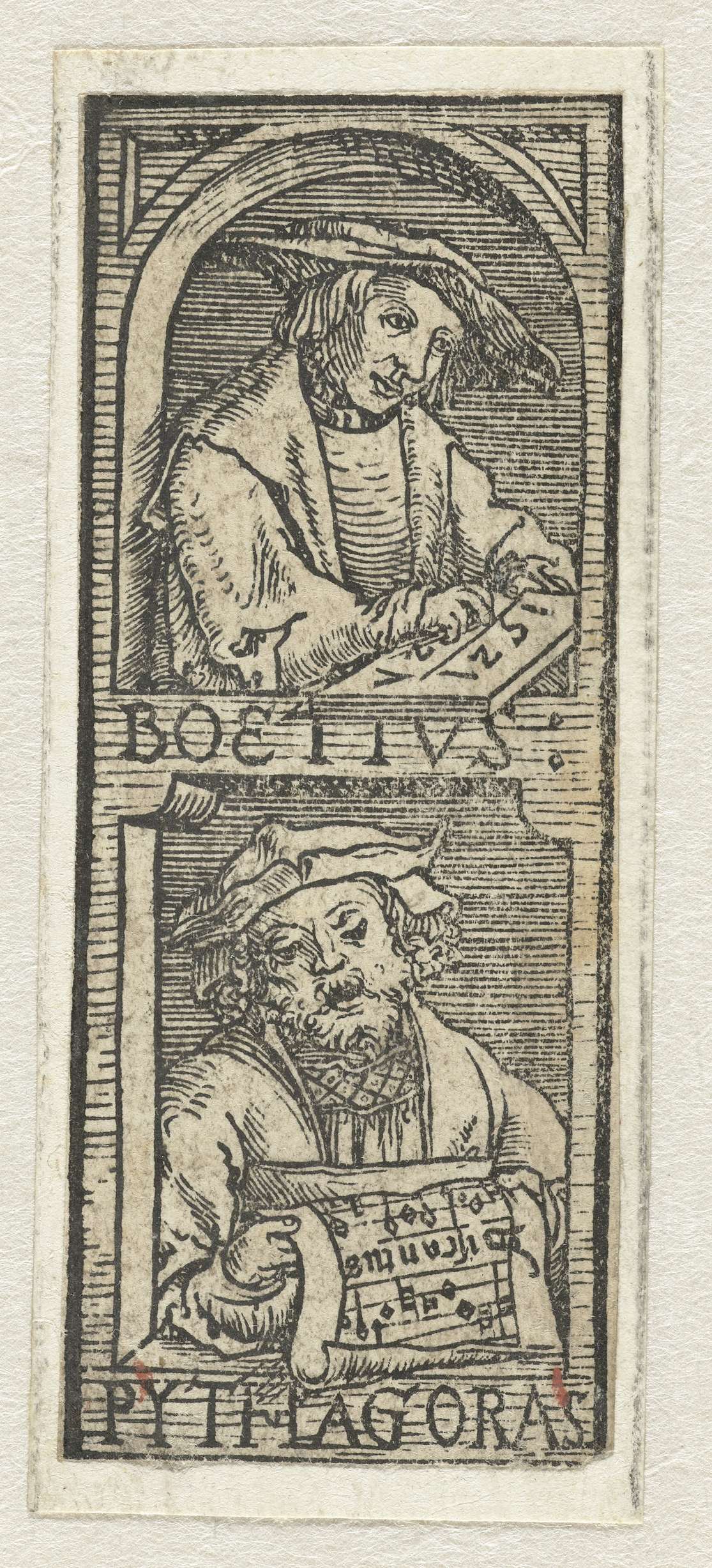
Boethius and Pythagoras
1521
Ready when you are
Start chatting with Pythagoras now.
20 messages free · No credit card · Available in 50+ languages.