


Secondary sourcePainting1307
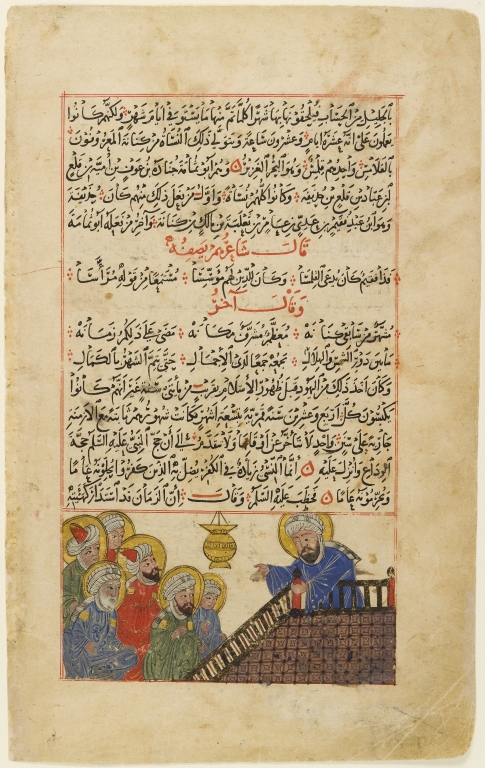
Farewell Pilgrimage at Arafat
Al-Biruni · 1307
An illustrated page from Al-Biruni's Chronology of Ancient Nations depicting Muhammad addressing followers at Arafat and forbidding calendar intercalation.
This page from Al-Biruni's chronology links a key moment of early Islamic history to his study of calendar reform, his central scholarly interest.
About this source
What it is
This page is from a 1307 manuscript of Al-Biruni's Chronology of Ancient Nations. It shows a painted miniature of Muhammad addressing the faithful on the plain of Arafat during his Farewell Pilgrimage, said to be where he forbade the practice of intercalation in the calendar. The manuscript is held by the University of Edinburgh.
Why it matters
Al-Biruni's chronology closely examined calendar systems and their religious meaning. This scene connects a moment in early Islamic history directly to his subject: how calendars were reformed and why that mattered to religious practice.
Look closer
- Why would a book about calendars include a scene about religious authority?
- What details in the image suggest this is a moment of public address?
- How might this illustration differ from an eyewitness account of the same event?
This painting is part of the curated material that grounds the AI version of Al-Biruni on Humy.ai — when students ask about related events, the AI can quote it and cite it.
More Al-Biruni sources
Meet the AI Al-Biruni →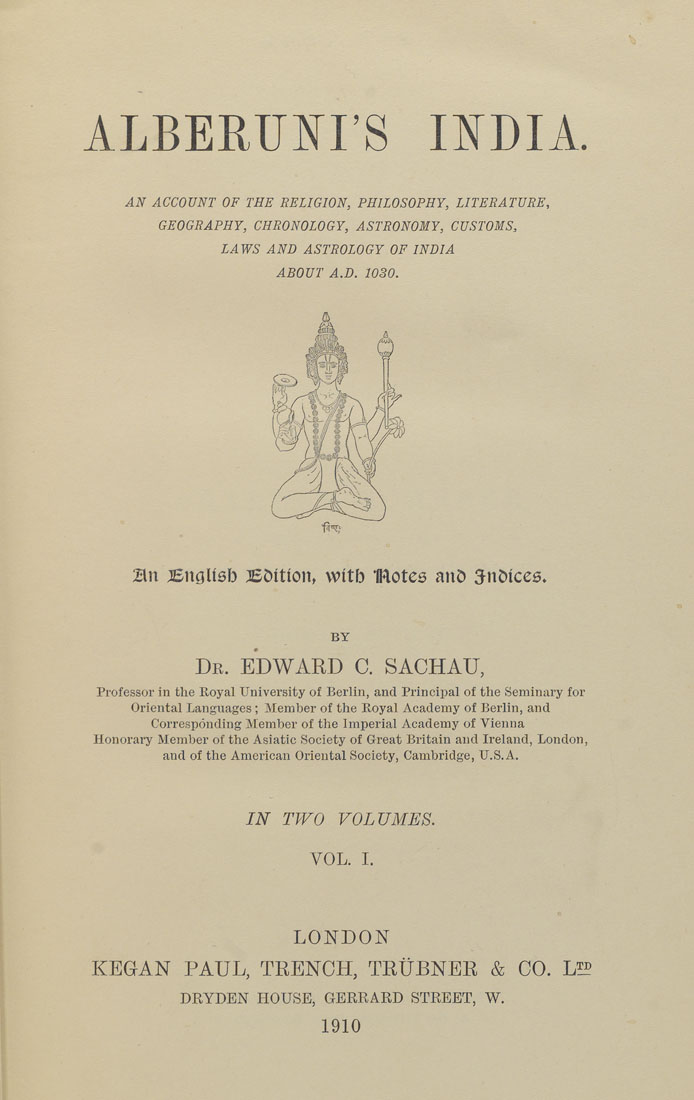 Book
Primary source
Al-Biruni's India
Al-Biruni · c. 1030
 Book
Primary source
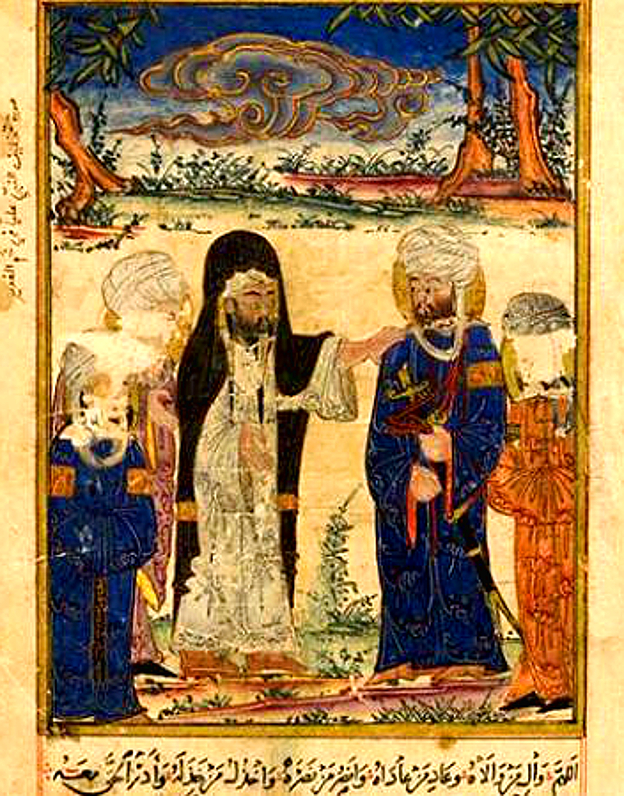
The Remaining Signs of Past Centuries
Al-Biruni · c. 1000, illustrated copy 1307-1308
 Artifact
Primary source
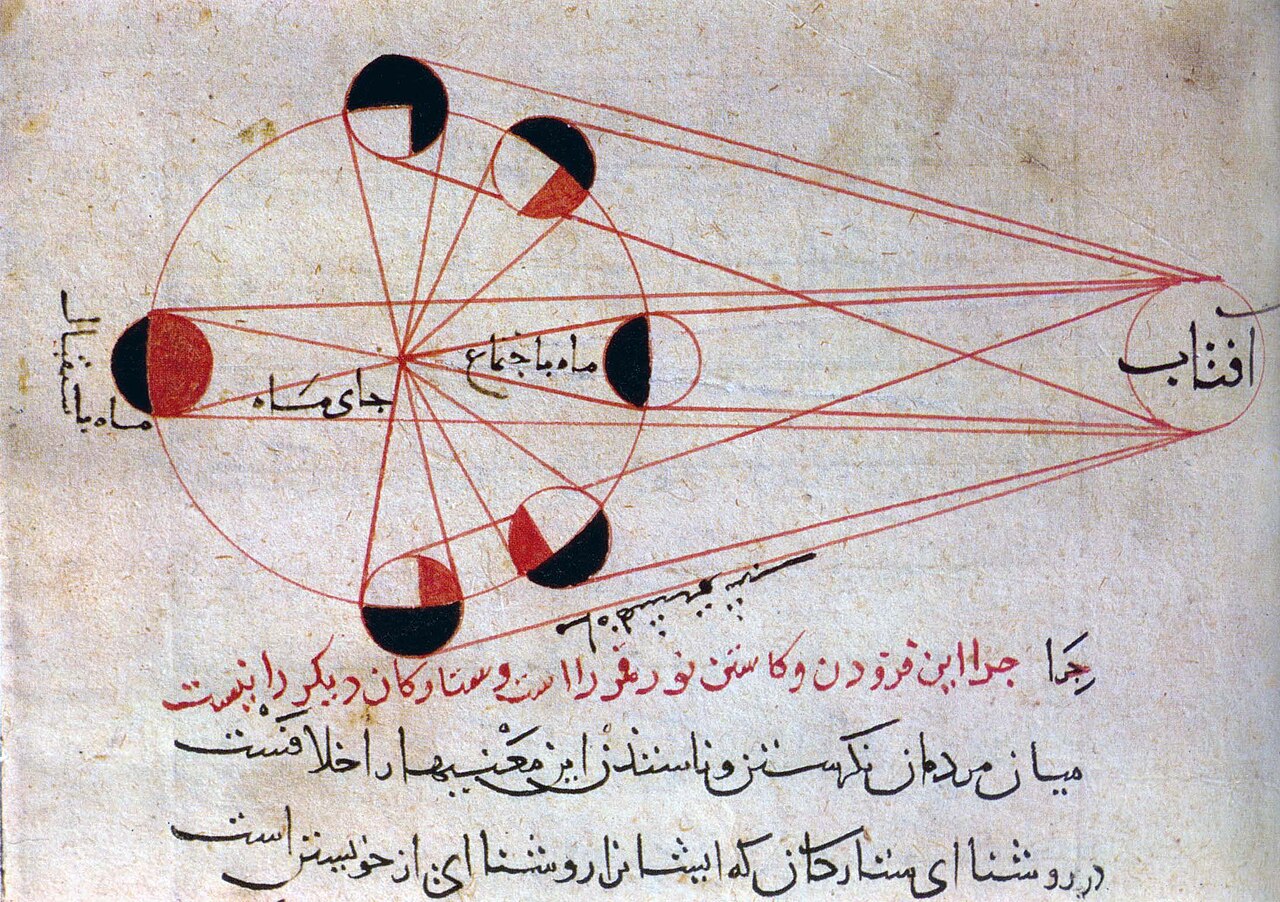
Diagram of the Phases of the Moon
Al-Biruni
 Artifact
Primary source
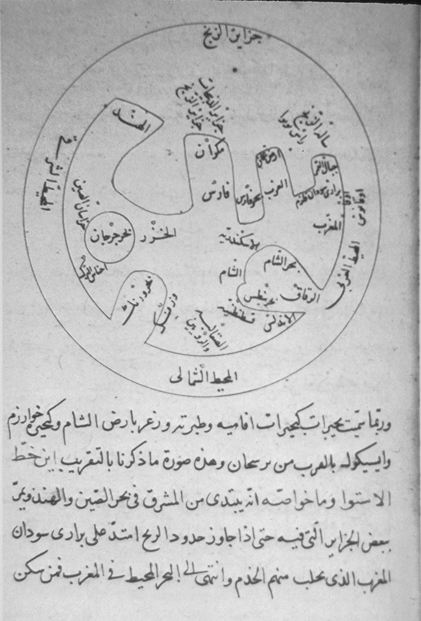
Al-Biruni's World Map of the Distribution of Land and Sea
Al-Biruni · 1029
 Book
Primary source
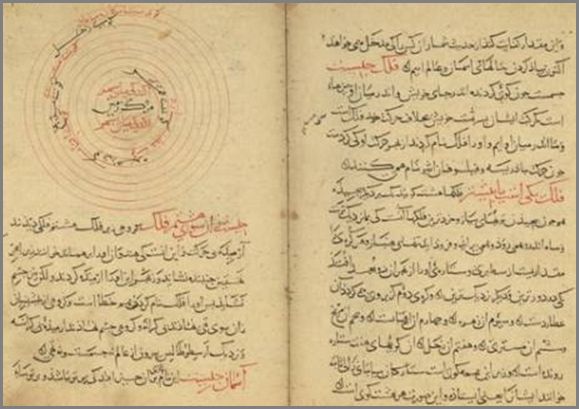
Page from the Oldest Manuscript of the Tafhim
Al-Biruni
Ready when you are
Start chatting with Al-Biruni now.
20 messages free · No credit card · Available in 50+ languages.