


Primary sourceDocument1671
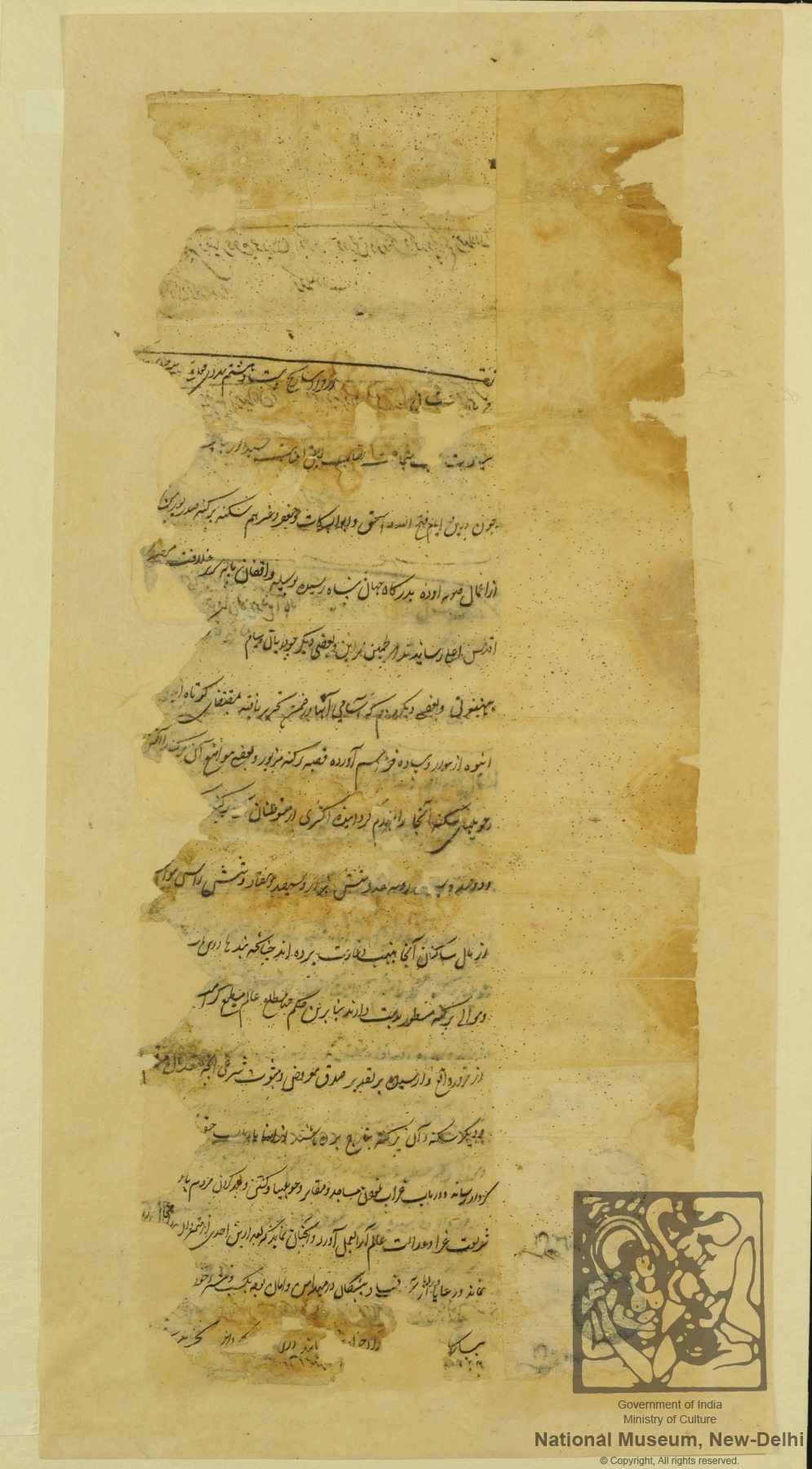
Farman of Aurangzeb on Village Plunder
1671
An imperial decree from 1671 in which Aurangzeb ordered an investigation into looting and the return of stolen property to villagers.
This decree was issued by Aurangzeb himself, ordering justice for villagers whose property had been plundered.
About this source
What it is
This farman, dated to the third year of Aurangzeb's reign (1671), was issued after residents of a village complained that local landholders had looted and plundered their property. Aurangzeb ordered a thorough investigation and the return of stolen goods to their rightful owners. It bears the seal of an official of his court and is now held at the National Museum, New Delhi.
Why it matters
This document shows Aurangzeb acting as a judge and administrator, responding to complaints from ordinary subjects against powerful local landholders. It offers a primary-source glimpse into Mughal justice and how disputes over land and property were handled at the imperial level.
Look closer
- What does this farman suggest about how ordinary people could seek justice under Aurangzeb?
- Why might this document have survived while so many others were lost?
- What does the sealing and certification of the document tell you about Mughal bureaucracy?
This document is part of the curated material that grounds the AI version of Aurangzeb on Humy.ai — when students ask about related events, the AI can quote it and cite it.
More Aurangzeb sources
Meet the AI Aurangzeb → Artifact
Primary source
Badshahi Mosque
1671–1673
 Document
Primary source
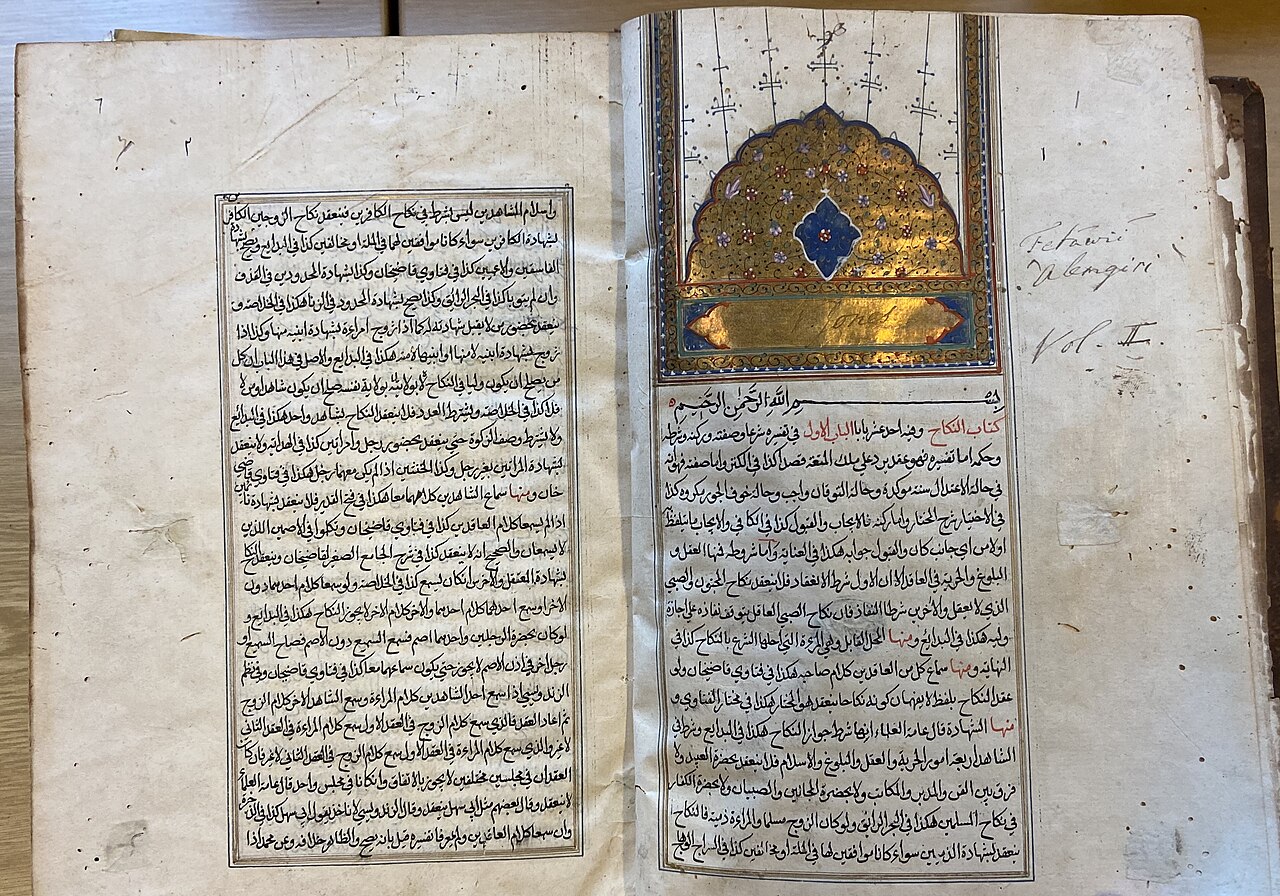
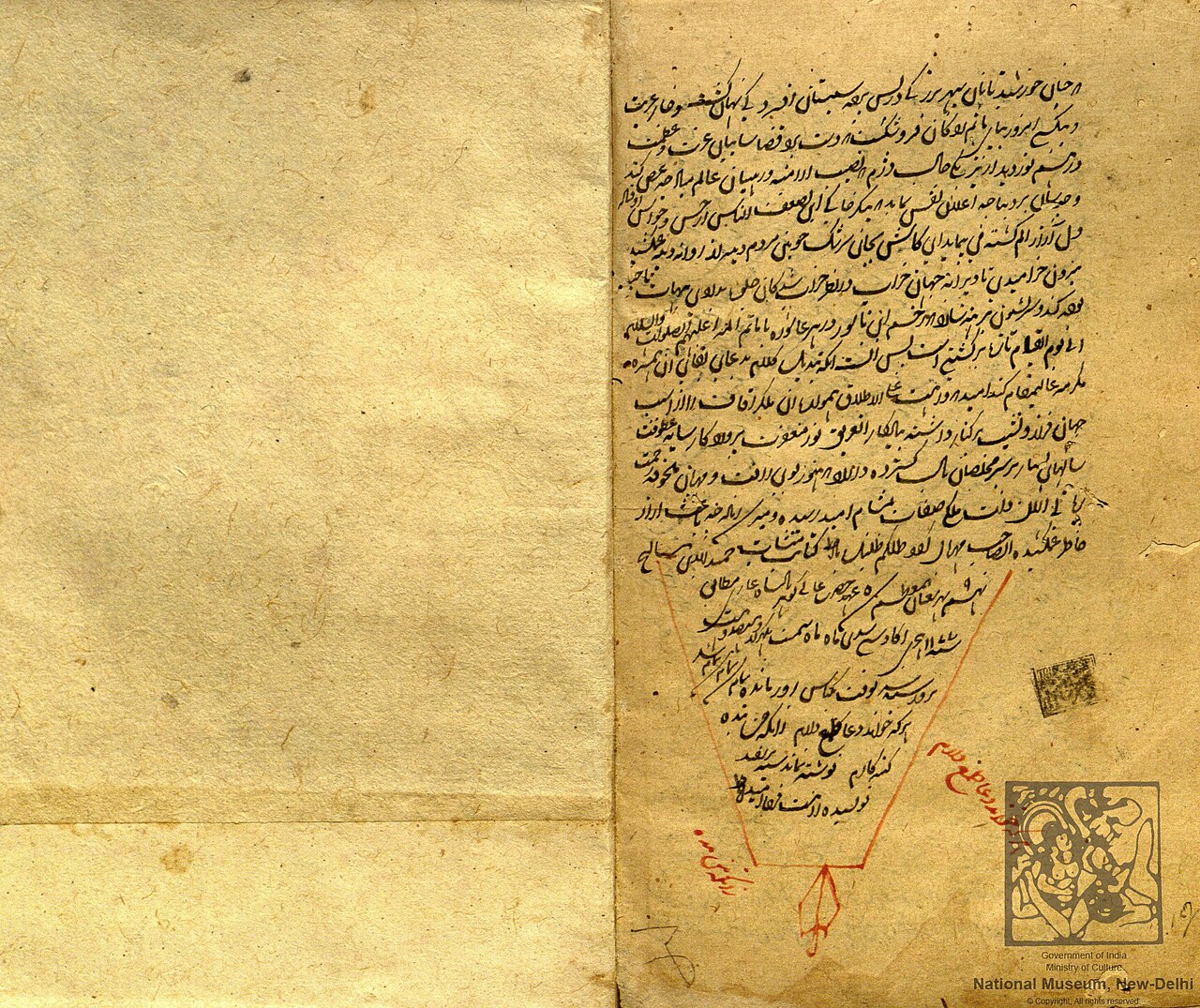
Fatawa-i Alamgiri Manuscript
17th century (this copy later recopied)
 Book
Secondary source
Maasir-i-Alamgiri
Saqi Musta'id Khan · c. 1710 (this copy 1763-1764)
Primary source
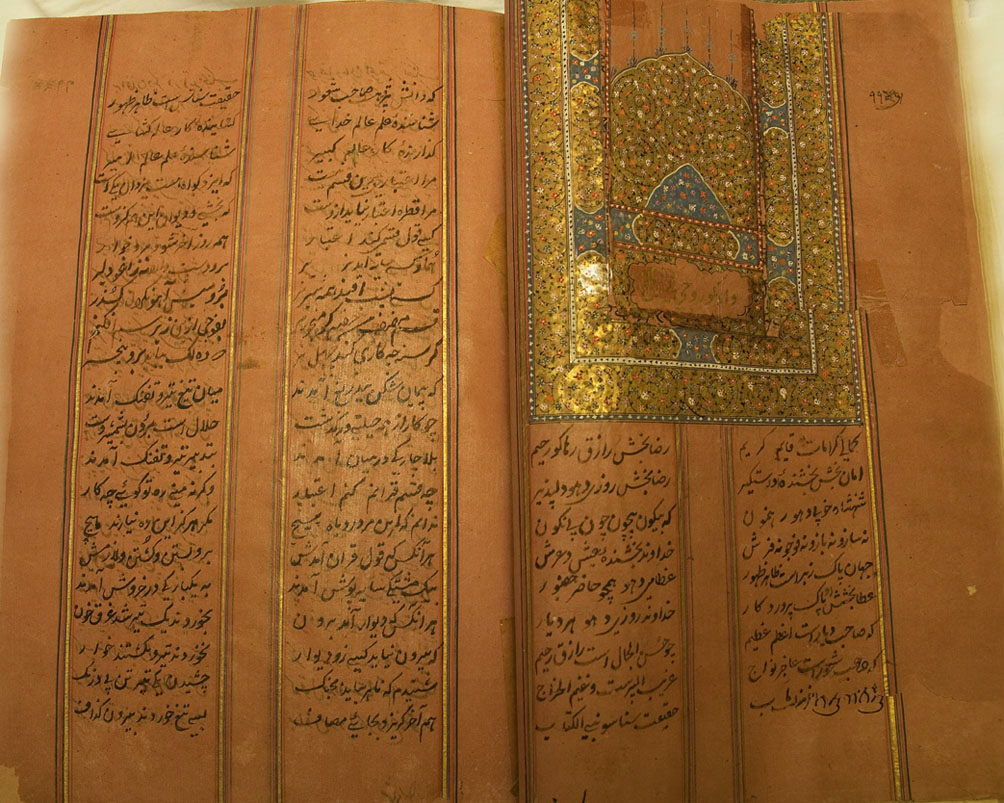
Ruka'at-i-Alamgiri
Aurangzeb · 17th century
 Letter
Primary source
Zafarnamah
Guru Gobind Singh · 1705
Ready when you are
Start chatting with Aurangzeb now.
20 messages free · No credit card · Available in 50+ languages.