


Secondary sourcePainting1850
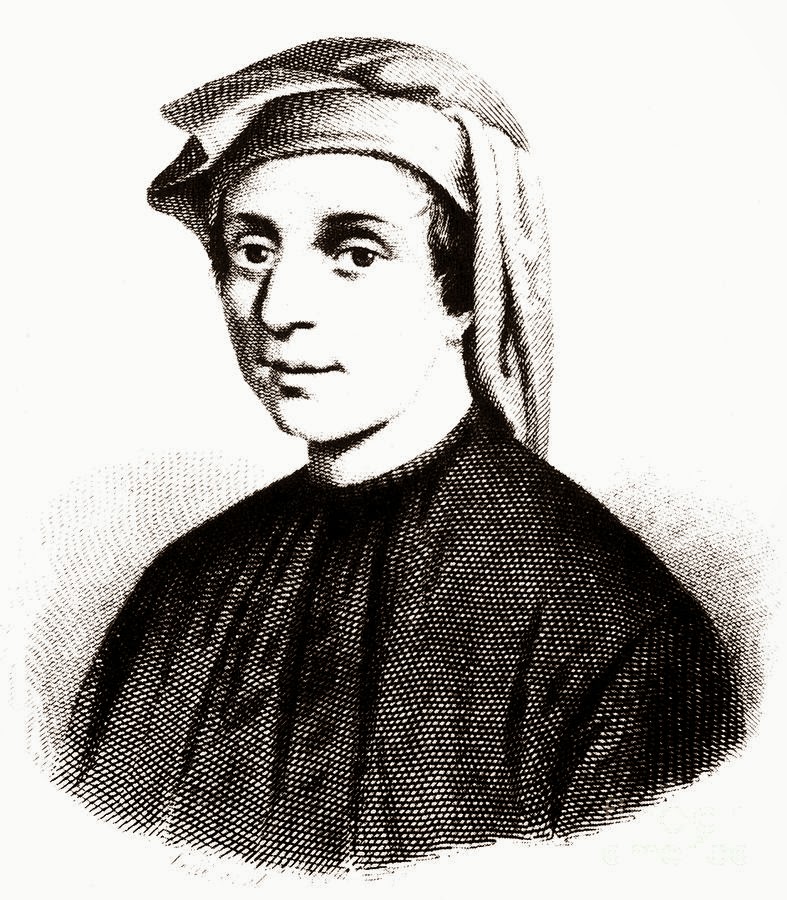
Fibonacci engraving from I benefattori dell'umanità
1850
A 19th-century engraved portrait of Fibonacci, an imagined likeness since no portrait made during his life survives.
This imagined engraving shows how Fibonacci was pictured centuries after his death, since no genuine portrait of him exists.
About this source
What it is
This engraving of Fibonacci appeared in the 1850 publication 'I benefattori dell'umanità' (The Benefactors of Humanity), printed in Florence. It shows a man in a head covering and dark high-collared garment.
Why it matters
No portrait of Fibonacci made during his lifetime survives, so this image is an imagined likeness created centuries later. It reflects how 19th-century Italy wanted to depict historical figures seen as benefactors of humanity, rather than showing what Fibonacci actually looked like.
Look closer
- What clues in the image suggest it was created long after Fibonacci's lifetime?
- Why might an artist create an imagined portrait of someone whose real appearance is unknown?
- How should we treat an image like this differently from a portrait made during a person's lifetime?
This painting is part of the curated material that grounds the AI version of Fibonacci on Humy.ai — when students ask about related events, the AI can quote it and cite it.
More Fibonacci sources
Browse all 24 →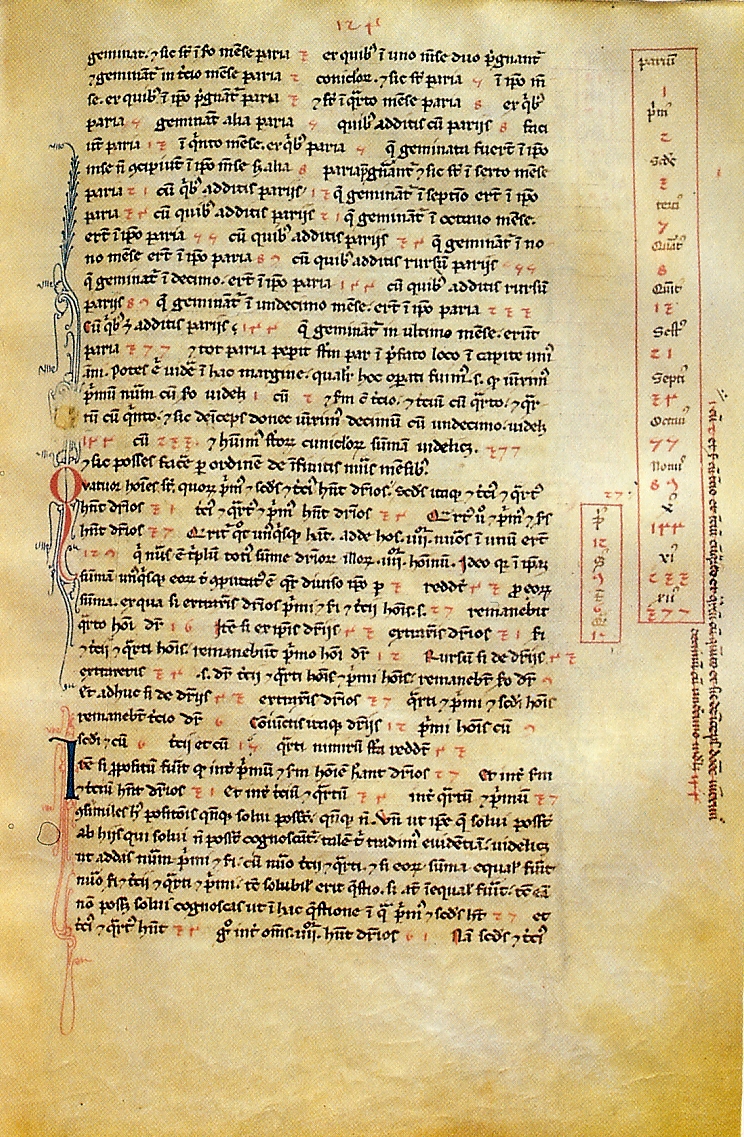 Book
Primary source
Liber Abaci
Fibonacci · 1202
BookSecondary source
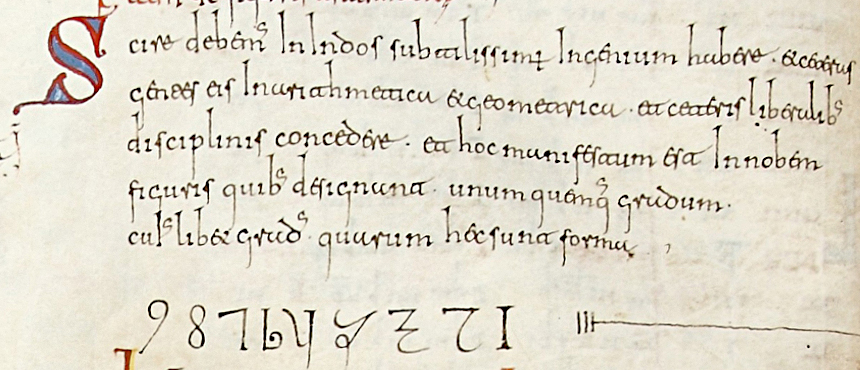
Liber abbaci magliab f124r
13th century
 Document
Primary source
Fibonacci numerals
Fibonacci · 1202
 Sculpture
Secondary source
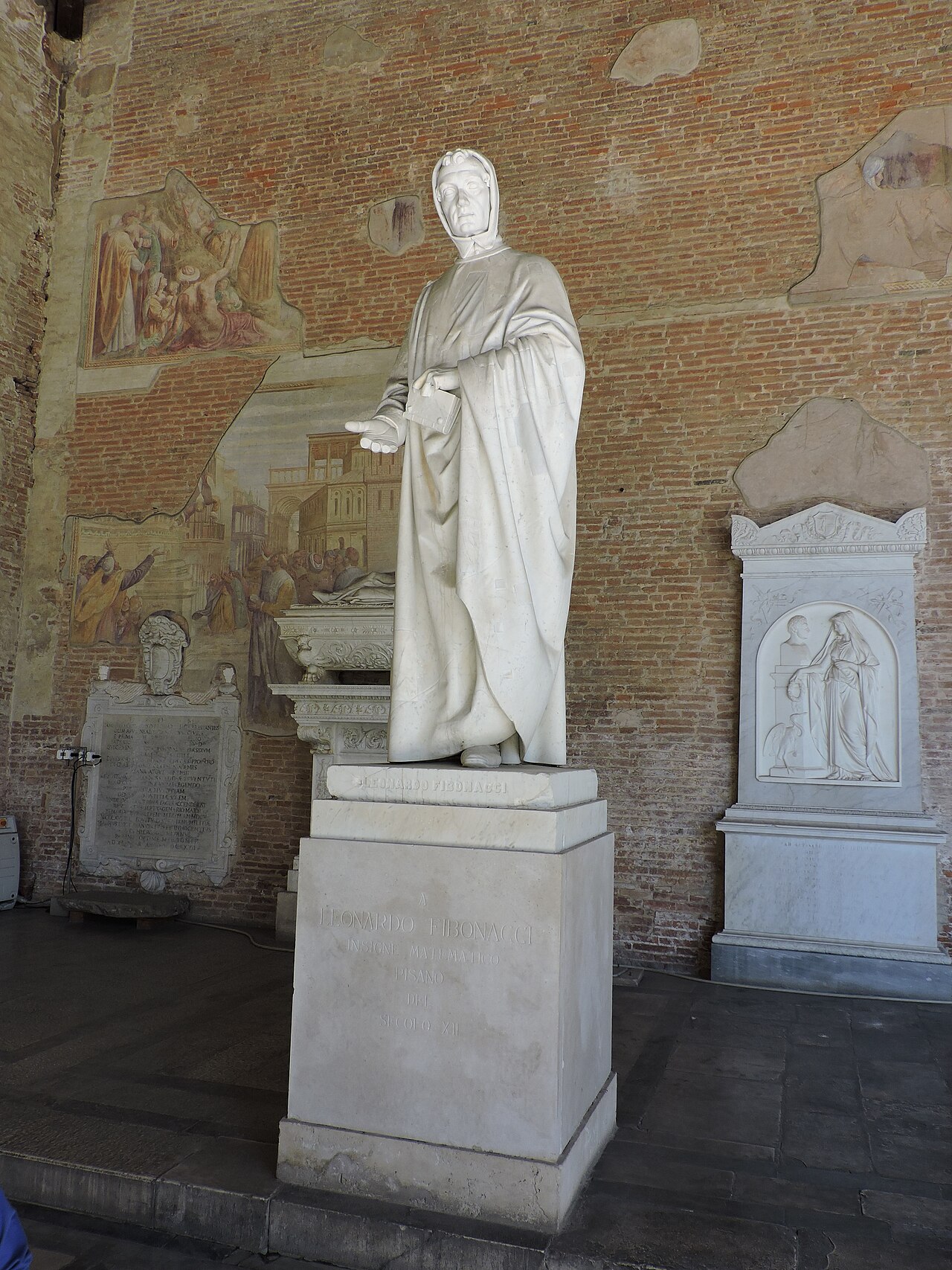
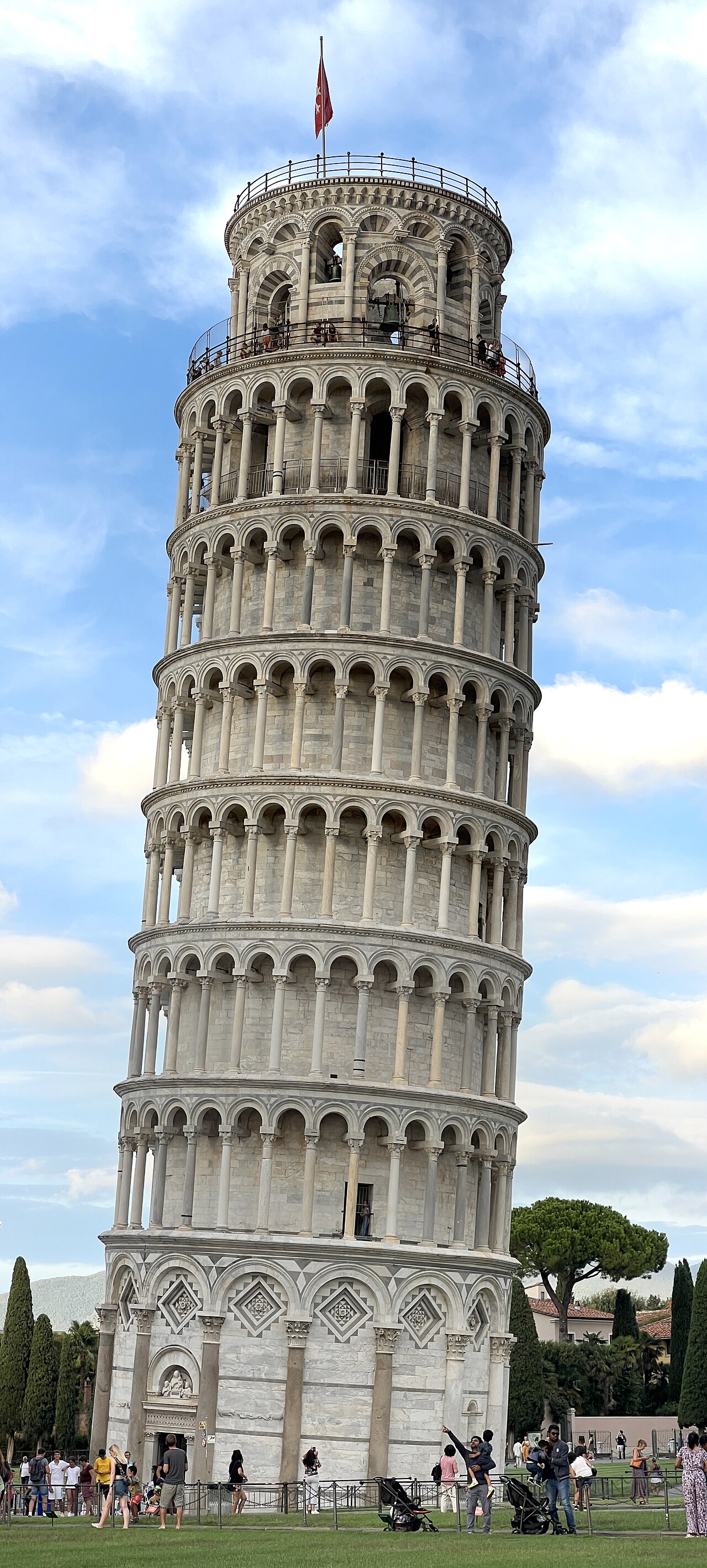
Monument of Leonardo Fibonacci
Giovanni Paganucci · 1863
Free account
Read every Fibonacci source
Sign up free →
Ready when you are
Start chatting with Fibonacci now.
20 messages free · No credit card · Available in 50+ languages.