


Secondary sourceSculpture1863
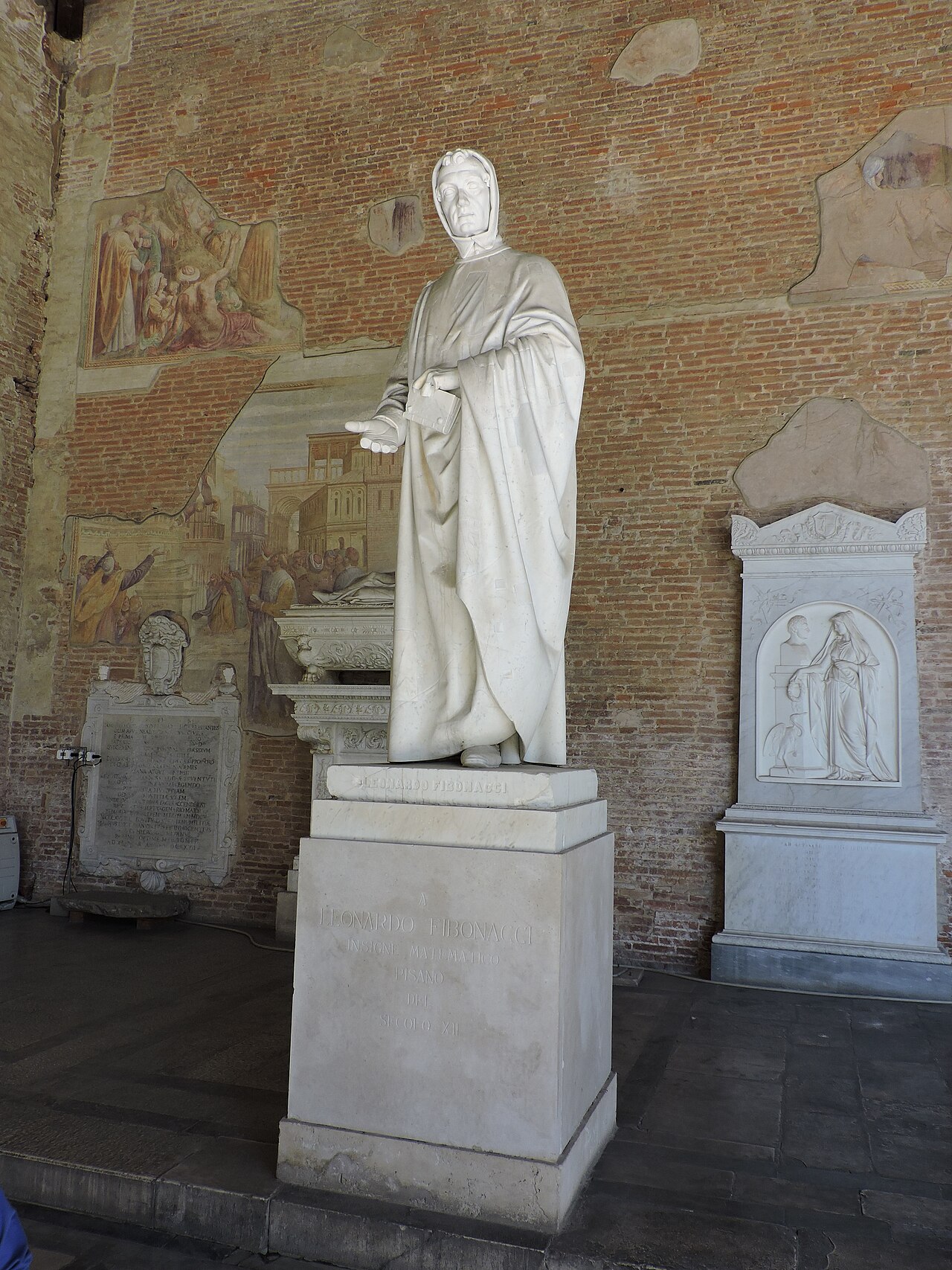
Monument of Leonardo Fibonacci
Giovanni Paganucci · 1863
A 19th-century marble statue of Fibonacci by Giovanni Paganucci, standing in the Camposanto Monumentale in Pisa.
This monument, created centuries after his death, shows how later Italians chose to commemorate Fibonacci as a national scientific figure.
About this source
What it is
This marble statue of Leonardo Fibonacci was made by the sculptor Giovanni Paganucci in 1863. It stands in the Camposanto Monumentale, a historic cemetery complex in Pisa, and shows Fibonacci in a long robe and hood holding a tablet.
Why it matters
The statue was created centuries after Fibonacci's death, during a period when Italy, going through the Risorgimento movement toward national unity, looked back to figures like Fibonacci as symbols of Italian scientific achievement. It tells us more about how 19th-century Italians wanted to remember Fibonacci than about Fibonacci himself.
Look closer
- Why might 19th-century Italy have wanted to honor a 13th-century mathematician with a statue?
- What choices did the sculptor make about Fibonacci's clothing and pose, and why?
- Since no portrait of Fibonacci survives from his lifetime, how did the sculptor decide what he looked like?
This sculpture is part of the curated material that grounds the AI version of Fibonacci on Humy.ai — when students ask about related events, the AI can quote it and cite it.
More Fibonacci sources
Browse all 24 →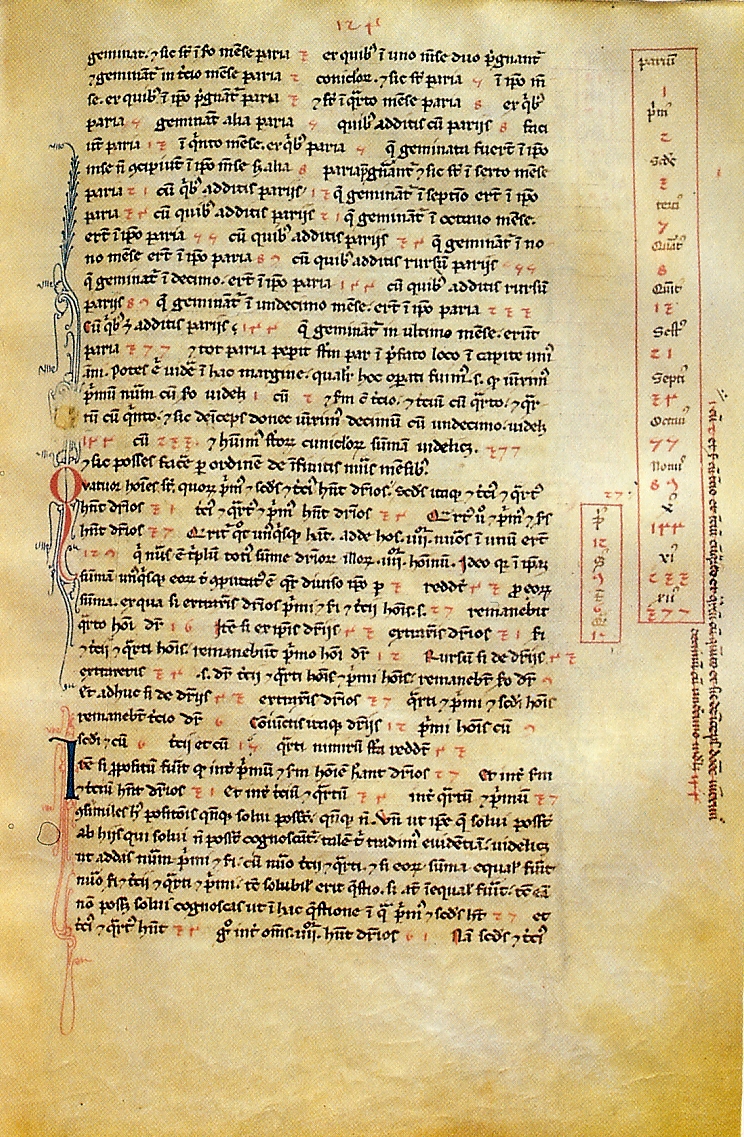 Book
Primary source
Liber Abaci
Fibonacci · 1202
BookSecondary source
Liber abbaci magliab f124r
13th century
 Document
Primary source
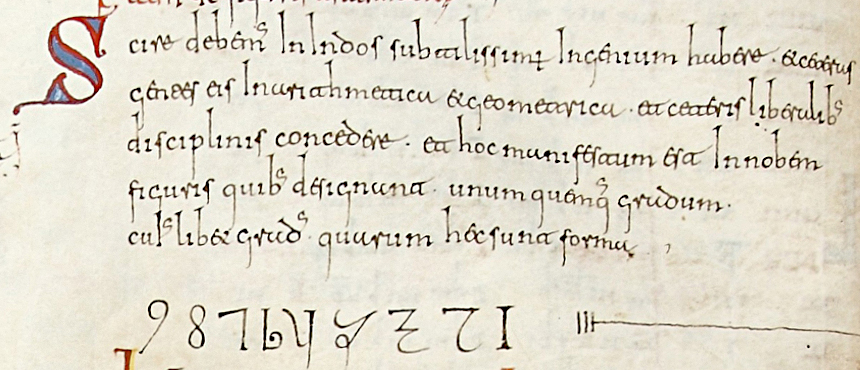
Fibonacci numerals
Fibonacci · 1202
 Painting
Secondary source
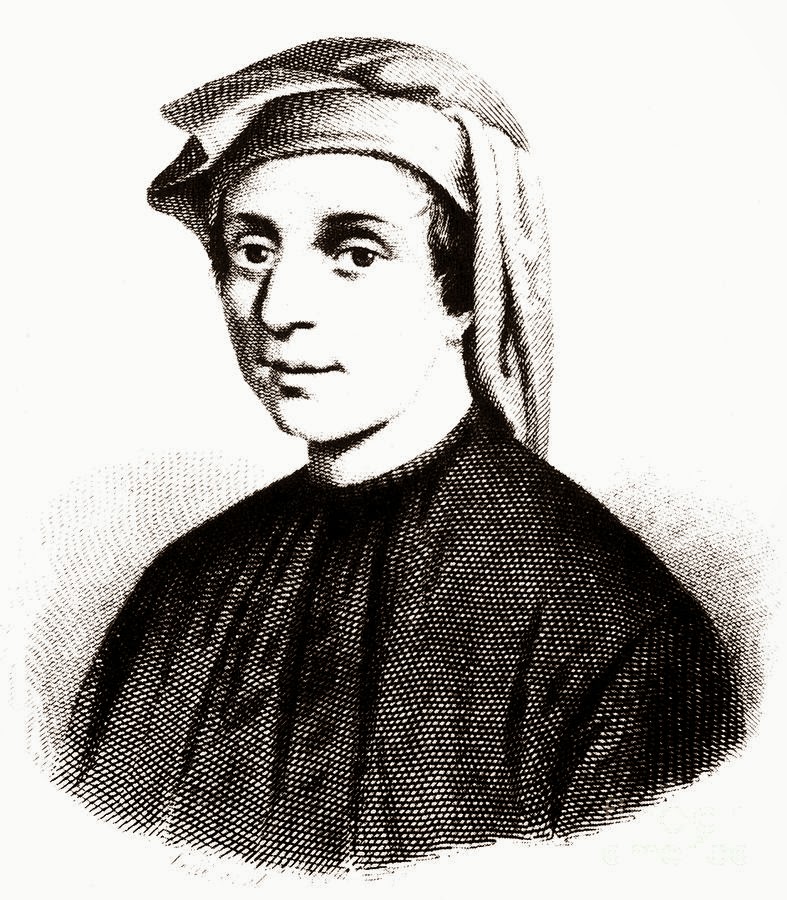
Fibonacci engraving from I benefattori dell'umanità
1850
Free account
Read every Fibonacci source
Sign up free →
Ready when you are
Start chatting with Fibonacci now.
20 messages free · No credit card · Available in 50+ languages.