


Secondary sourceArtifactlate 18th–mid-19th century
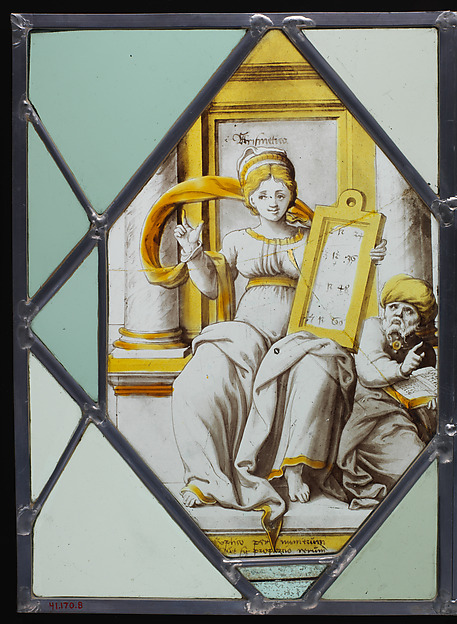
Figure of Arithmetic with Pythagoras (stained glass panel)
late 18th–mid-19th century
A stained glass panel, one of a pair, showing Pythagoras beside a seated figure of Arithmetic. It is a later decorative depiction of him.
Shows Pythagoras as a decorative emblem of mathematics, paired with Arithmetic in a stained glass panel made long after his lifetime.
About this source
What it is
This is a stained glass panel in a lead framework, held by The Metropolitan Museum of Art and given as a bequest of George D. Pratt in 1935. It shows a seated woman representing Arithmetic, holding a tablet of numbers, with a bearded man in a turban beside her reading a book. Pale green and clear glass surround the central octagonal scene, and a Latin inscription runs along the bottom. The museum dates it to the late eighteenth to mid-nineteenth century. It is one of a pair.
Why it matters
Stained glass was often used to decorate houses, churches and libraries, and it turned learned subjects into symbolic figures. Here Arithmetic is personified as a woman, and Pythagoras is paired with her as the mathematician linked to numbers. The panel shows how a later culture chose to present him, as an emblem of learning rather than a record of his life.
Look closer
- What symbols does the figure of Arithmetic hold, and what do they say about the subject?
- Why might the maker have shown Pythagoras in a turban and what does that suggest about the artist's assumptions?
- What does the Latin inscription add, and who would have been able to read it?
This artifact is part of the curated material that grounds the AI version of Pythagoras on Humy.ai — when students ask about related events, the AI can quote it and cite it.
More Pythagoras sources
Meet the AI Pythagoras → Book
Secondary source
Lives and Opinions of Eminent Philosophers, Book V (Life of Aristotle)
Diogenes Laërtius · c. 3rd century CE
 Book
Secondary source
Histories
Herodotus · c. 440 BCE
 Painting
Secondary source
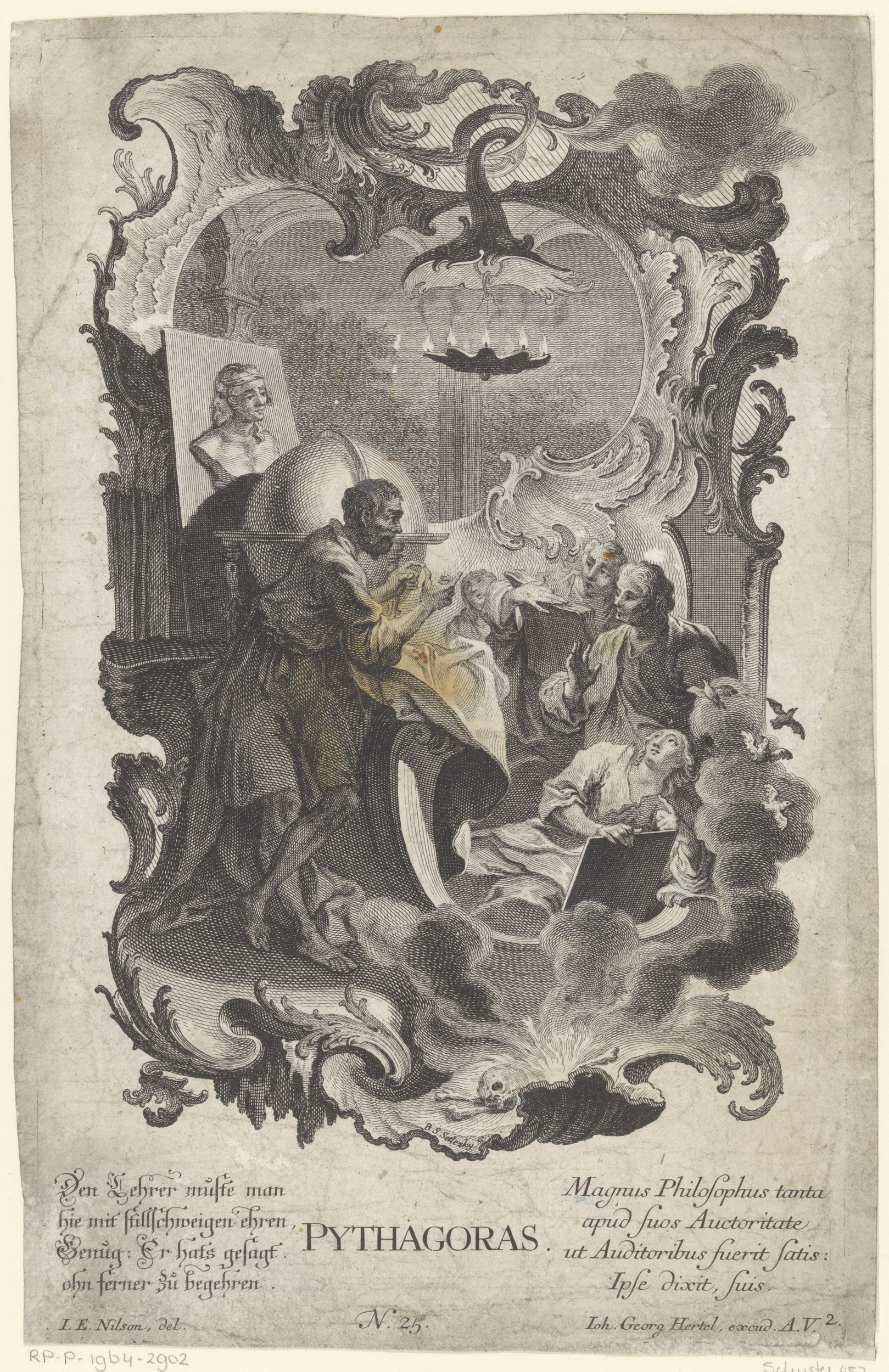
Pythagoras Leaning on a Globe with Four Listeners
 Book
Secondary source
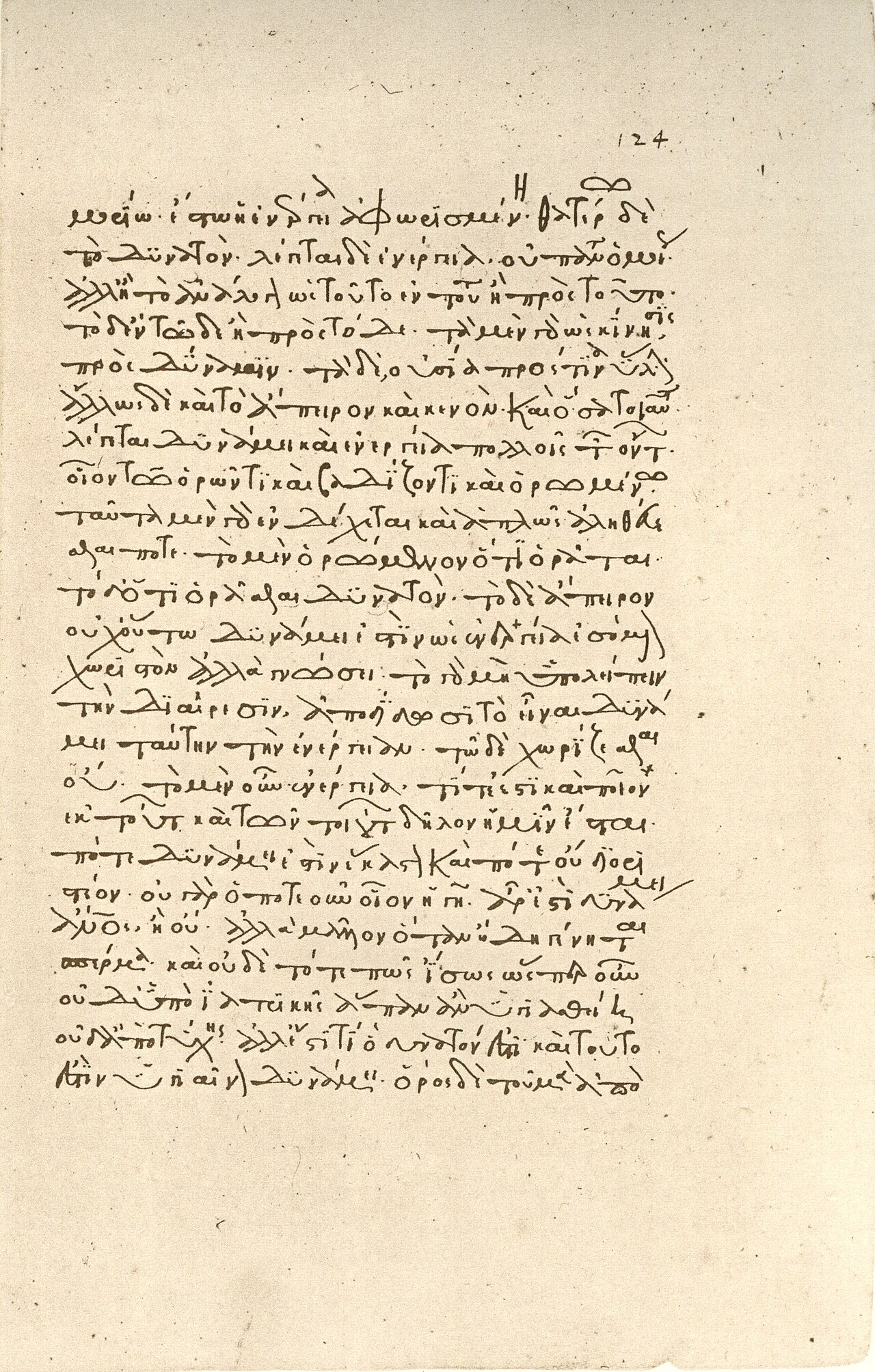
Metaphysics
Aristotle · c. 400 BCE
 Painting
Secondary source
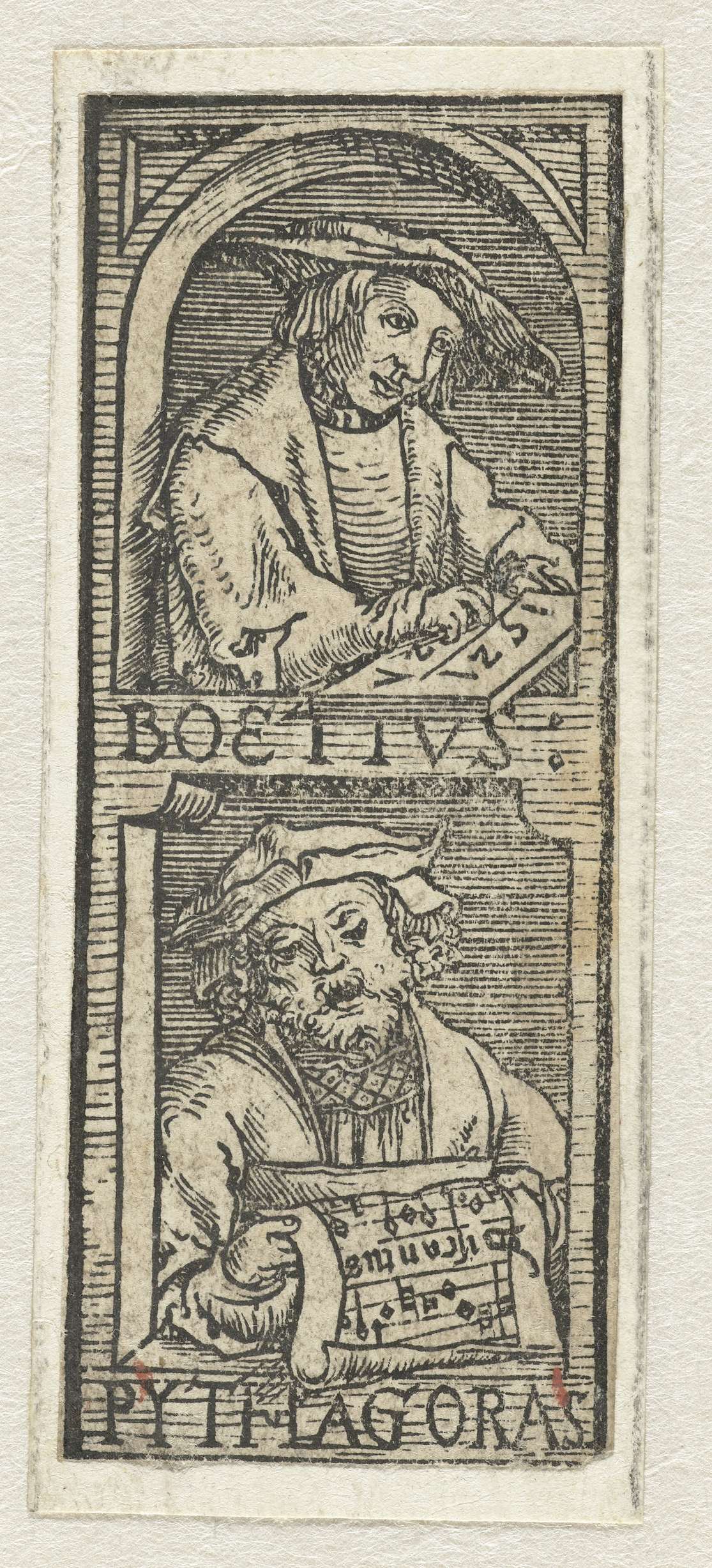
Boethius and Pythagoras
1521
Ready when you are
Start chatting with Pythagoras now.
20 messages free · No credit card · Available in 50+ languages.