


Secondary sourceArtifact
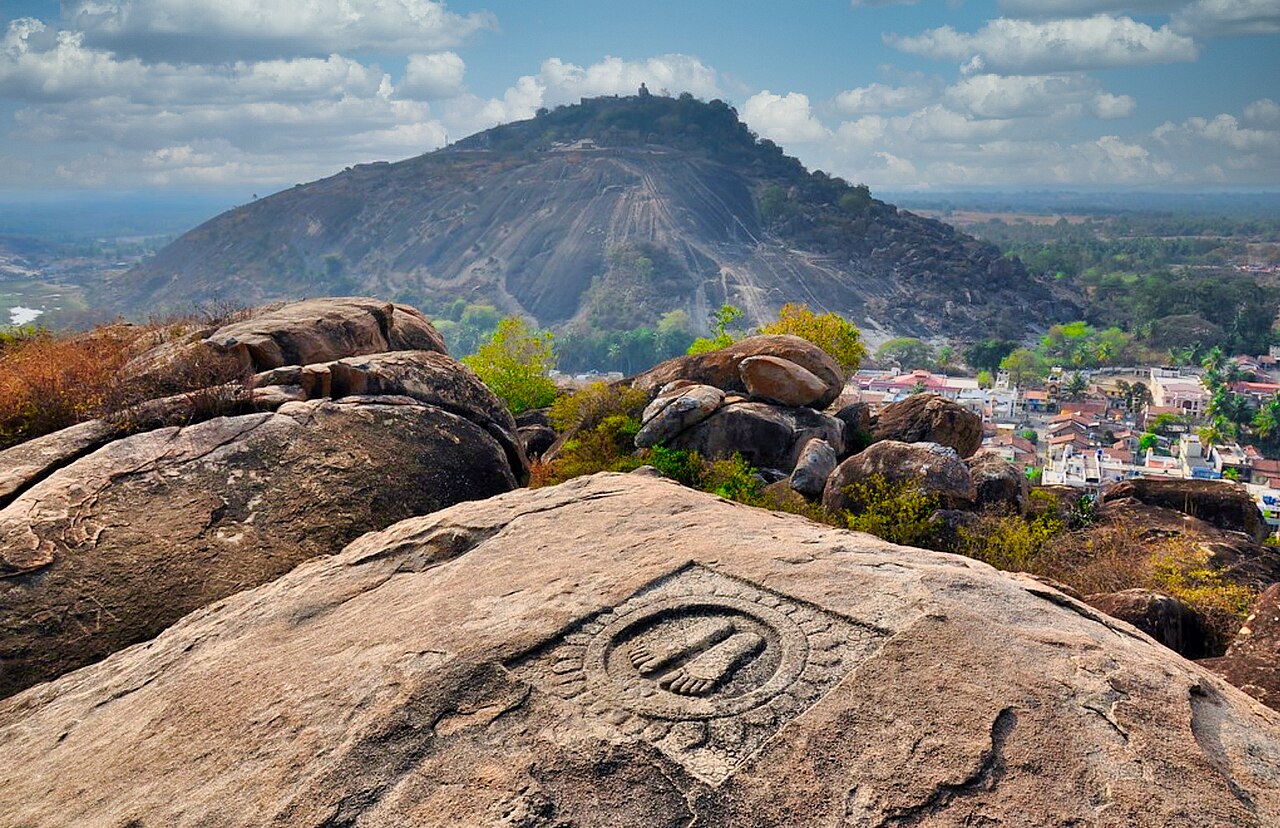
Footprint of Chandragupta Maurya
Carved stone footprints at Shravanabelagola marking the spot where Jain tradition says Chandragupta fasted to death.
Marks the traditional site of Chandragupta's final fast, a Jain legend of his renunciation of the throne.
About this source
What it is
This is a carved stone footprint set within a circular design on a boulder at Chandragiri hill, part of the Shravanabelagola pilgrimage site in India. Jain tradition holds that Chandragupta Maurya came here with the monk Bhadrabahu and performed sallekhana, a ritual fast unto death, after giving up his throne.
Why it matters
This object is not a record from Chandragupta's own time but a later devotional marker, reflecting the Jain tradition's memory of the emperor as someone who renounced power for a religious life. It shows how a vast empire's founder could also become a figure of religious legend, venerated centuries after his reign by a different faith community.
Look closer
- Why might a Jain community want to mark and preserve this spot with a carved footprint?
- What does this kind of monument tell us about how legends grow around powerful historical figures?
- How is this object different from a written record made during Chandragupta's lifetime?
This artifact is part of the curated material that grounds the AI version of Chandragupta Maurya on Humy.ai — when students ask about related events, the AI can quote it and cite it.
More Chandragupta Maurya sources
Meet the AI Chandragupta Maurya →Secondary source
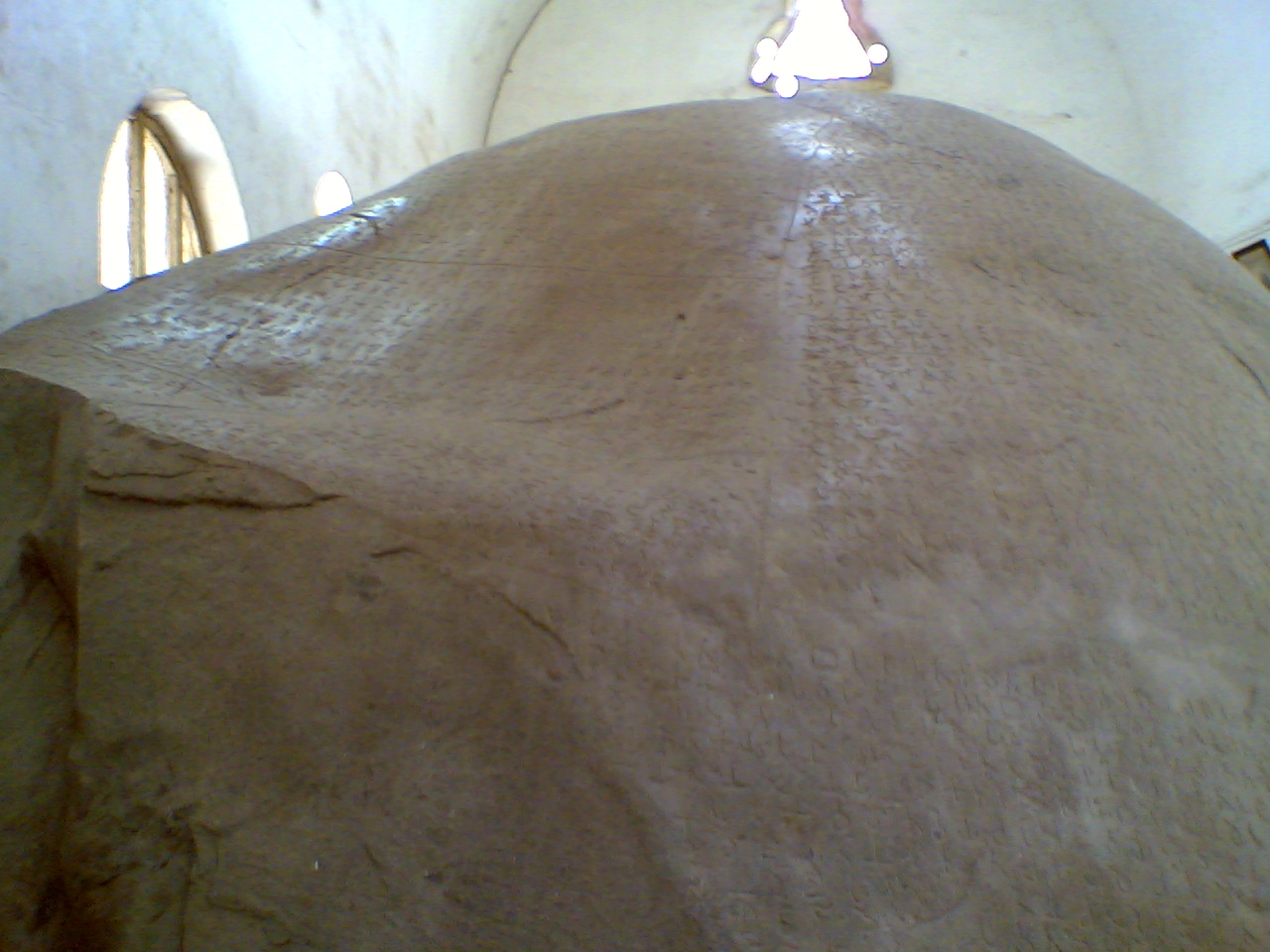
Arthashastra
Chanakya (traditional attribution) · c. 1st–3rd century CE (traditionally attributed to Chanakya, c. 300 BCE)
 Document
Secondary source
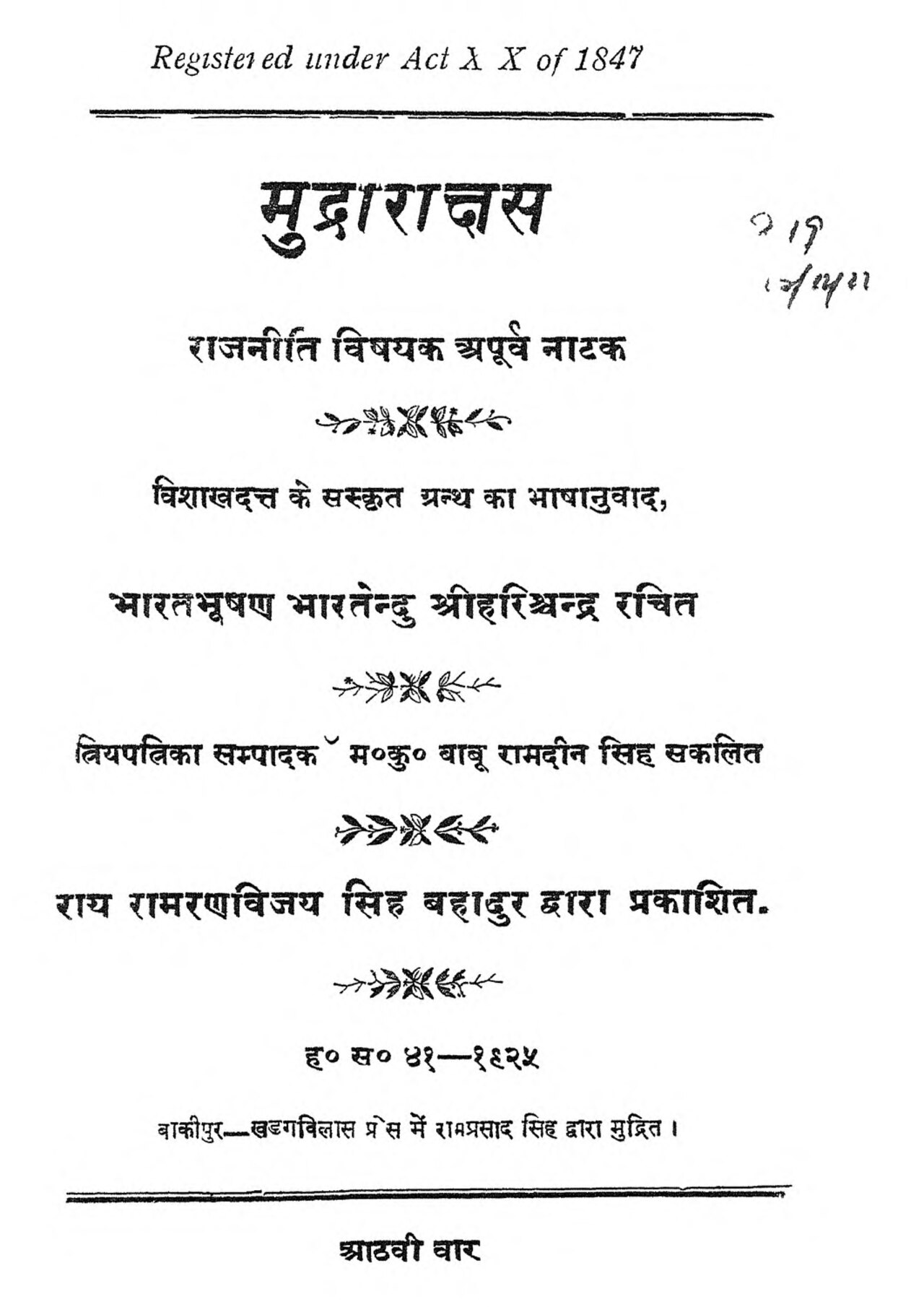
Junagadh Rock Inscription of Rudradaman
Rudradaman I (commissioner) · shortly after 150 CE
 Book
Secondary source
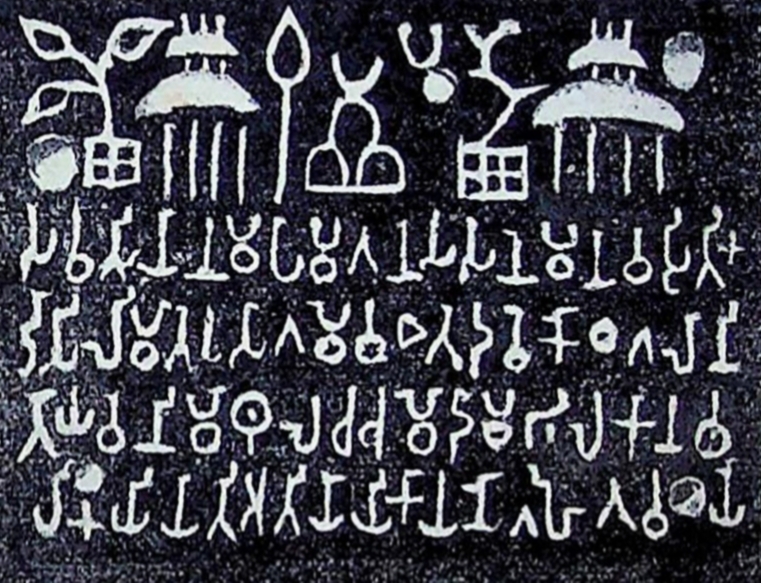
Mudrarakshasa
Vishakhadatta · between the 4th and 8th century CE
 Document
Primary source
Sohgaura Copper Plate Inscription
3rd century BCE
 Document
Secondary source
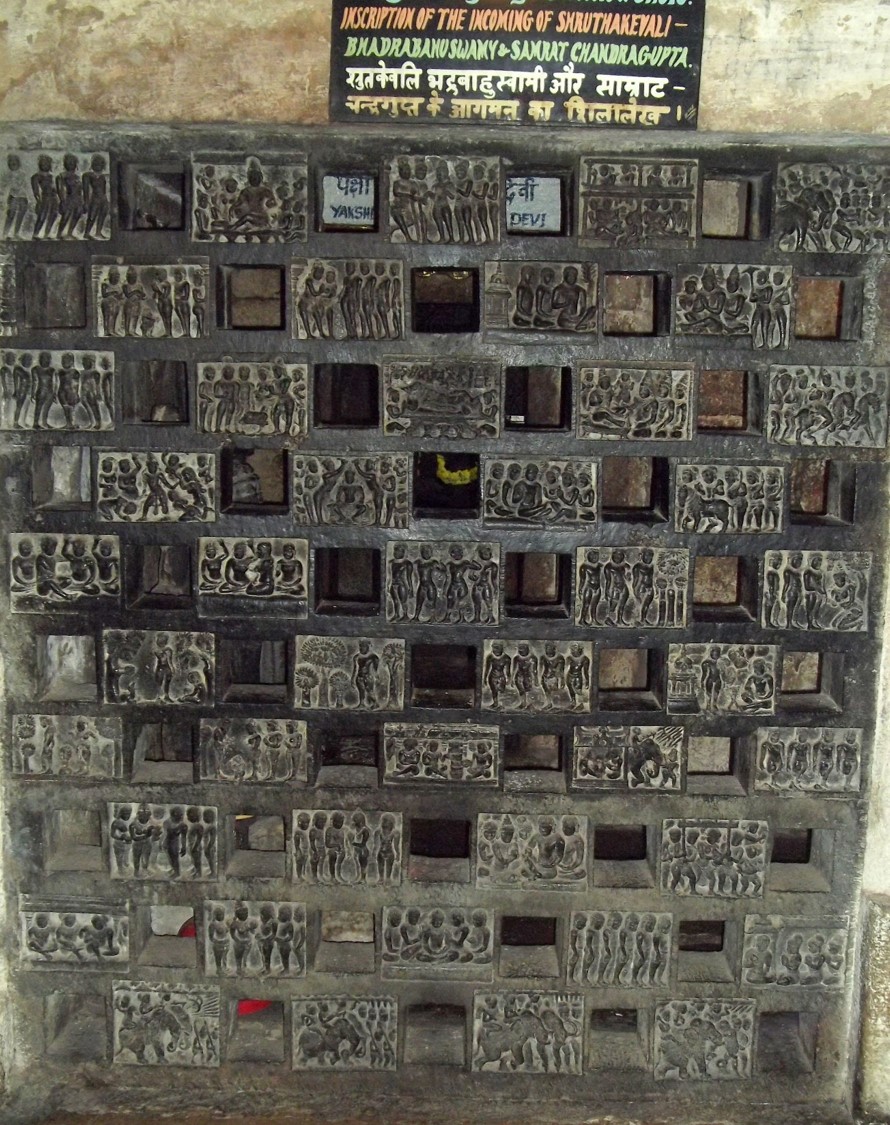
Shravanabelagola Inscription of Bhadrabahu and Chandragupta
Ready when you are
Start chatting with Chandragupta Maurya now.
20 messages free · No credit card · Available in 50+ languages.