


Secondary sourcePhotograph2009
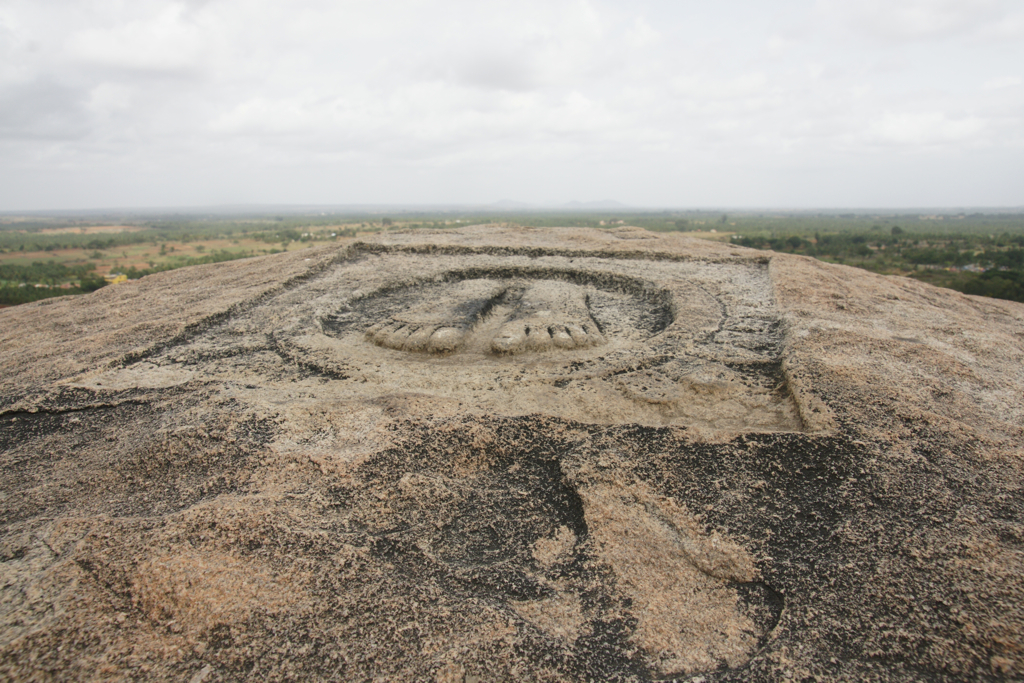
Footprints Said to Be Chandragupta Maurya's, Chandragiri
romana klee · 2009
Carved stone footprints at Chandragiri Hill traditionally believed to belong to Chandragupta Maurya.
Marks the traditional belief that Chandragupta Maurya ended his life at this site, linking legend to the emperor.
About this source
What it is
This is a photograph of carved footprints set into a rock at the summit of Chandragiri Hill in Shravanabelagola. They are traditionally said to be the footprints of Chandragupta Maurya, though this attribution is based on legend rather than proof.
Why it matters
Sites like this show how local and religious traditions preserve memories of historical figures long after their lifetime, blending fact and legend. The footprints are a physical marker of the belief that Chandragupta Maurya spent his final years at this sacred hill.
Look closer
- What evidence would historians need to confirm these footprints really belonged to Chandragupta Maurya?
- Why do you think local tradition attached this story to this particular spot?
- How should a historian treat a source based on
This photograph is part of the curated material that grounds the AI version of Chandragupta Maurya on Humy.ai — when students ask about related events, the AI can quote it and cite it.
More Chandragupta Maurya sources
Meet the AI Chandragupta Maurya →Secondary source
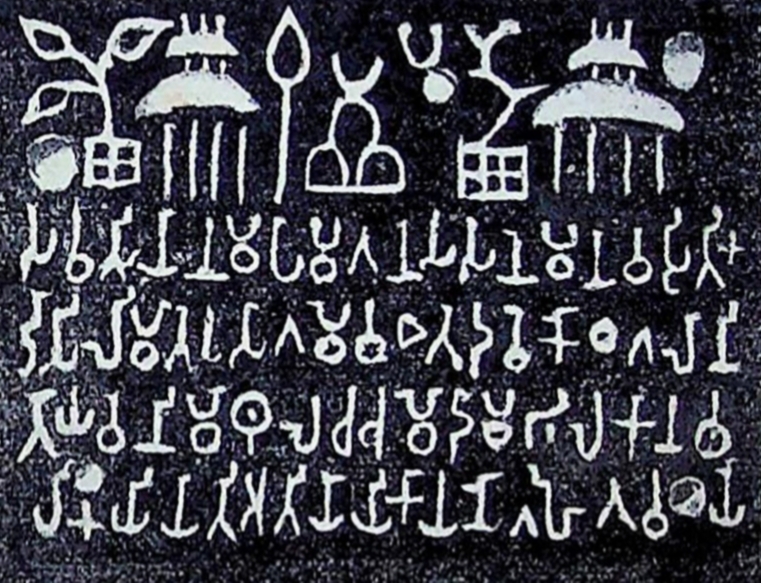
Arthashastra
Chanakya (traditional attribution) · c. 1st–3rd century CE (traditionally attributed to Chanakya, c. 300 BCE)
 Document
Secondary source
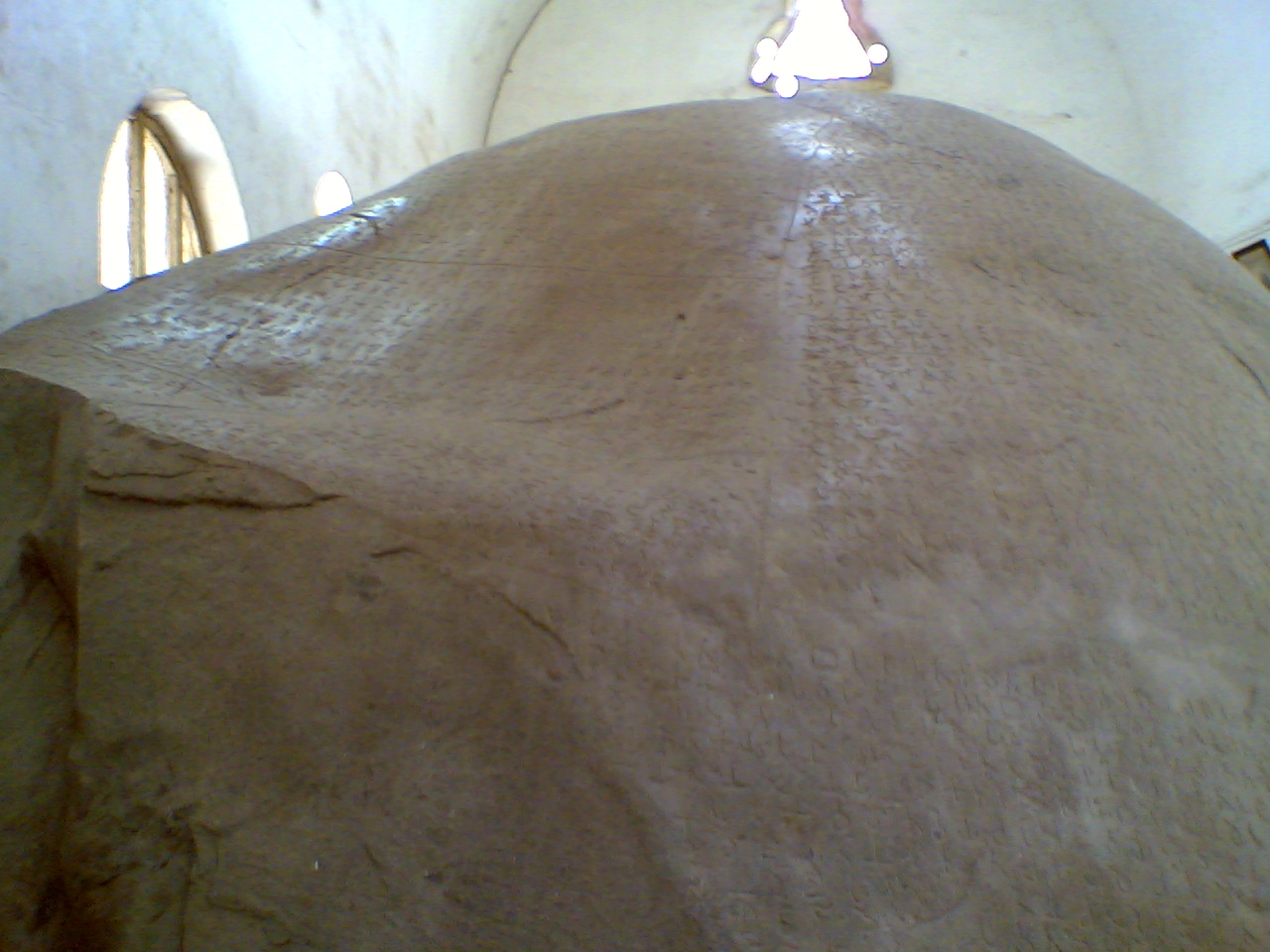
Junagadh Rock Inscription of Rudradaman
Rudradaman I (commissioner) · shortly after 150 CE
 Book
Secondary source
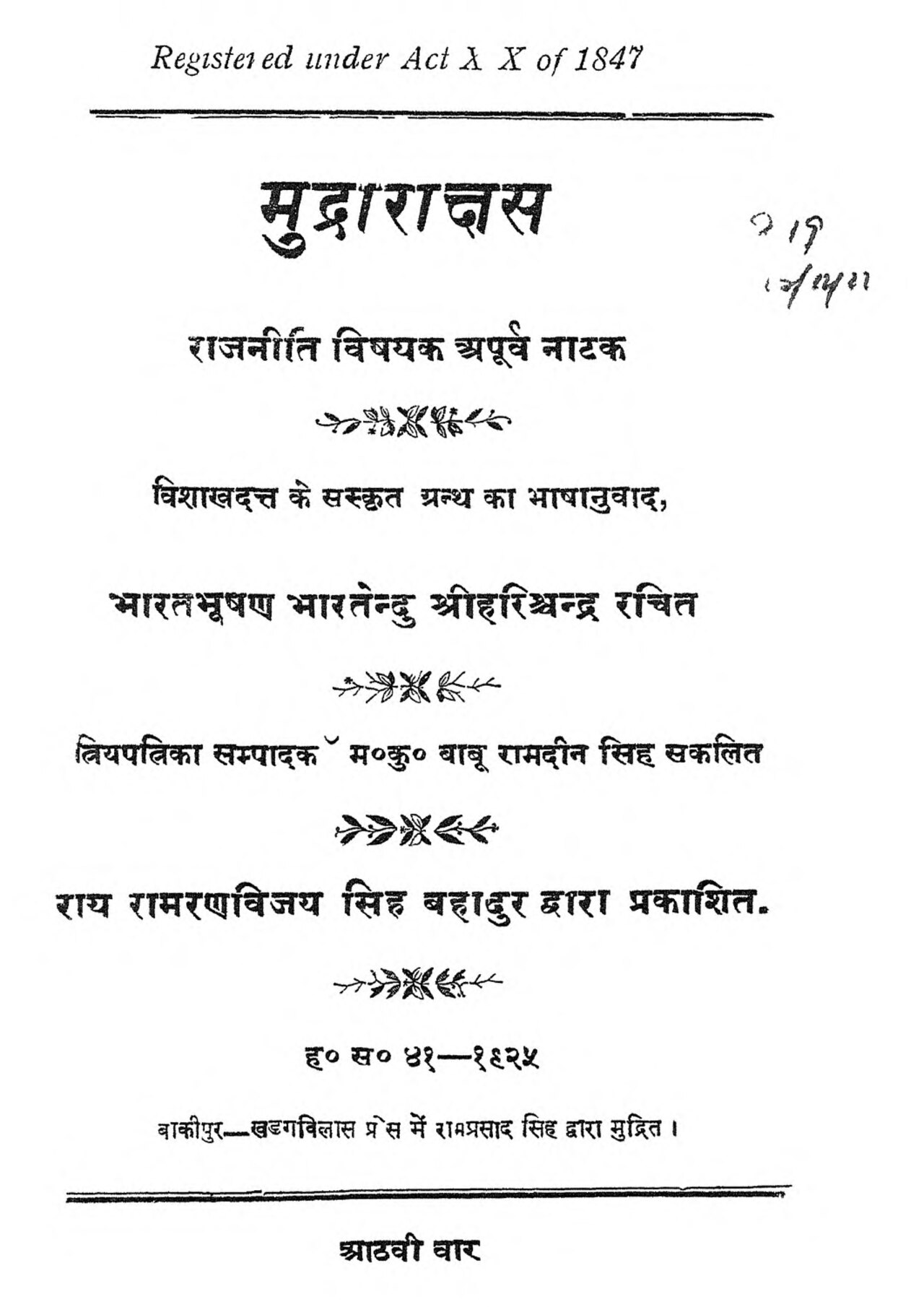
Mudrarakshasa
Vishakhadatta · between the 4th and 8th century CE
 Document
Primary source
Sohgaura Copper Plate Inscription
3rd century BCE
 Document
Secondary source
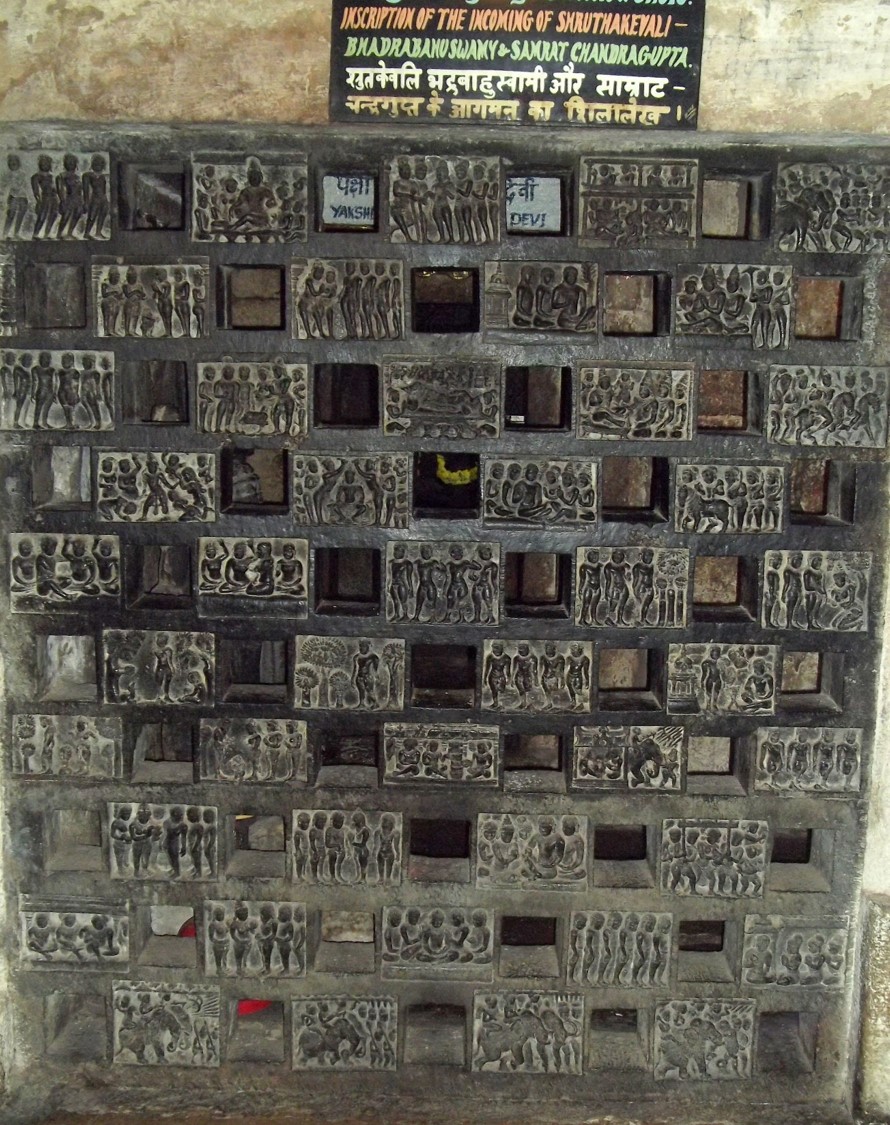
Shravanabelagola Inscription of Bhadrabahu and Chandragupta
Ready when you are
Start chatting with Chandragupta Maurya now.
20 messages free · No credit card · Available in 50+ languages.