


Primary sourceSculptureAmarna period, 18th dynasty
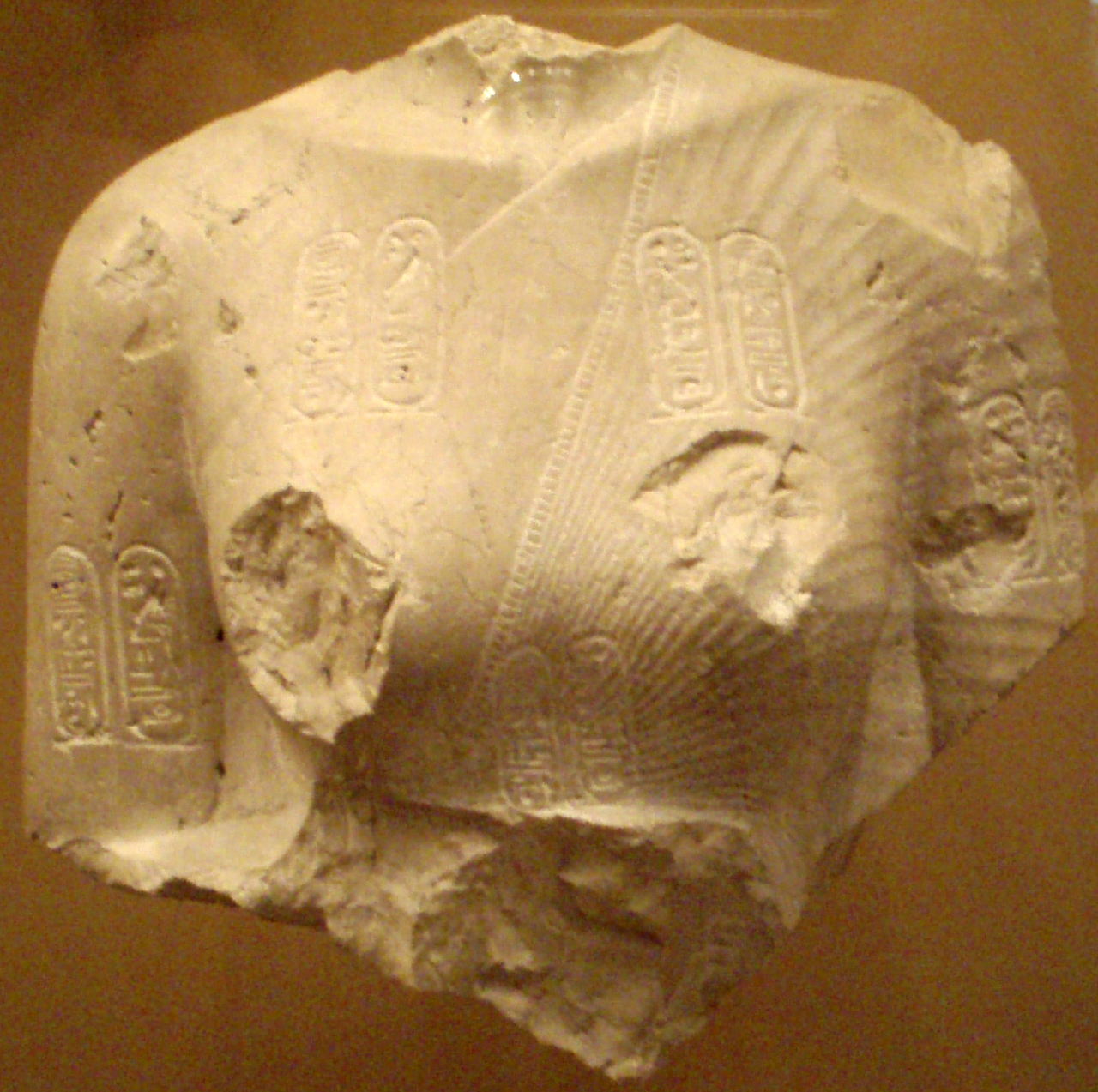
Fragmentary Torso of Nefertiti from the Great Temple of the Aten
Amarna period, 18th dynasty
A broken limestone statue fragment of Nefertiti's torso from the Great Temple of the Aten at Amarna.
This statue fragment, from the temple of the Aten, shows Nefertiti's prominent place in Akhenaten's new religion.
About this source
What it is
This is a fragmentary limestone torso from a statue of Nefertiti, originally from the Great Temple of the Aten at Amarna, the city built by Akhenaten as the center of his new sun-god cult. It bears carved cartouche inscriptions and pleated, linen-like lines.
Why it matters
As a surviving piece of a statue placed in the Aten temple itself, this fragment is direct evidence that Nefertiti's image was displayed prominently in the religious heart of Akhenaten's new capital, reflecting her central role in the Amarna religious program alongside her husband.
Look closer
- What can the cartouche inscriptions tell us, even though the statue is broken?
- Why might a statue of Nefertiti have stood in a temple dedicated to the Aten?
- What is missing from this fragment, and how might a complete statue have looked?
This sculpture is part of the curated material that grounds the AI version of Queen Nefereti on Humy.ai — when students ask about related events, the AI can quote it and cite it.
More Queen Nefereti sources
Browse all 83 →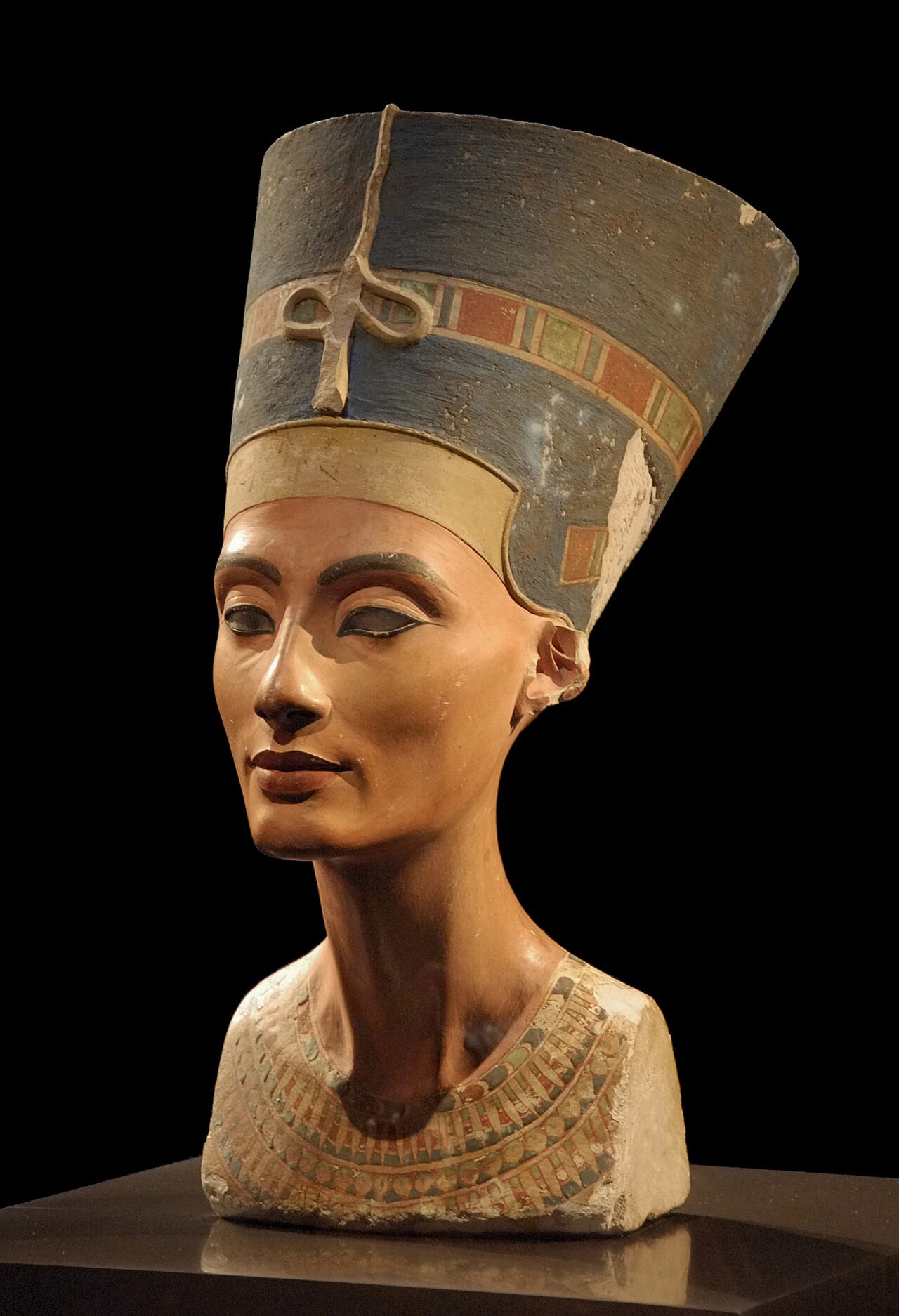 Sculpture
Primary source
Bust of Queen Nefertiti
Thutmose · c. 1345 BC
 Sculpture
Primary source
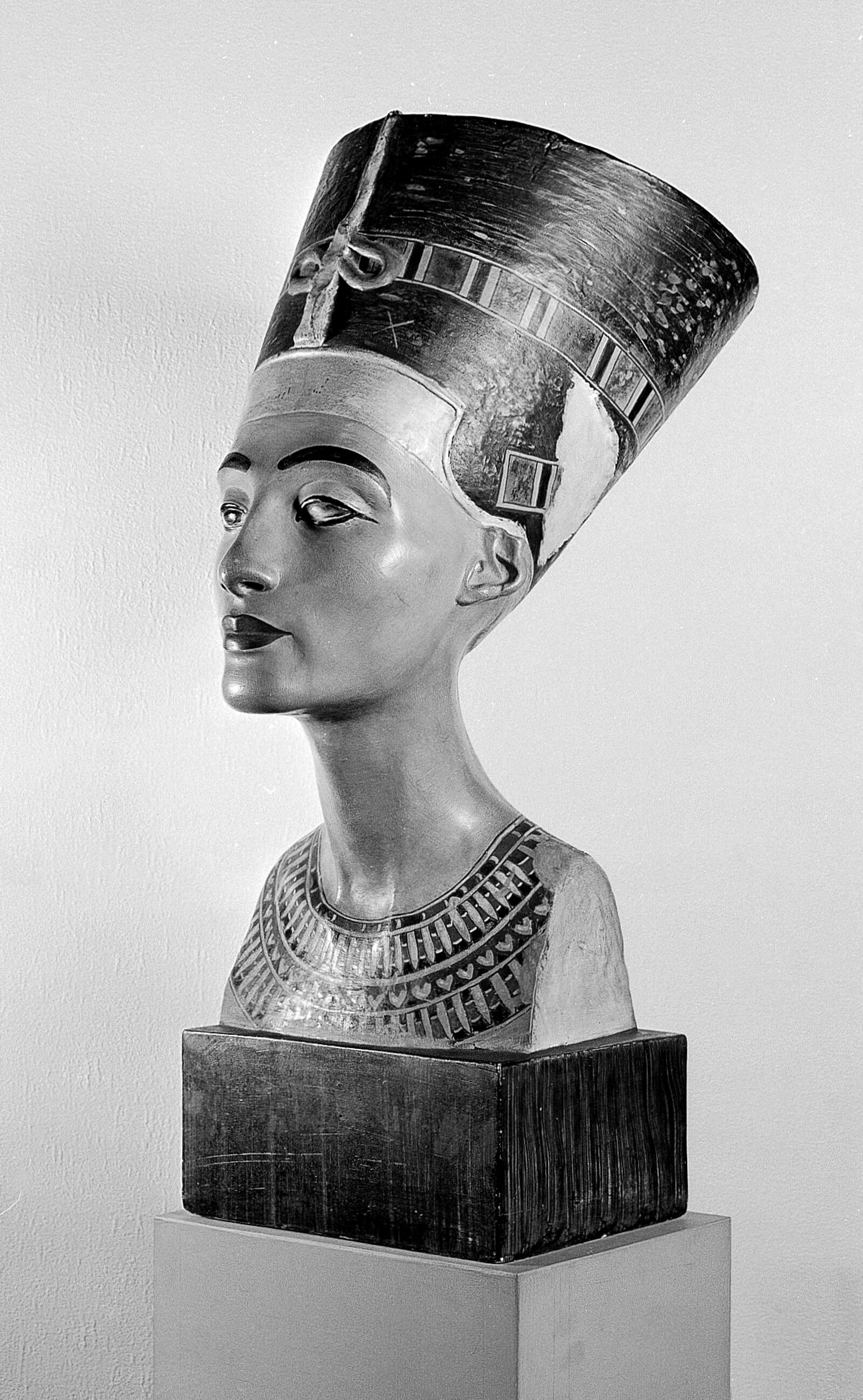
Figure of Nefertiti
 Sculpture
Primary source
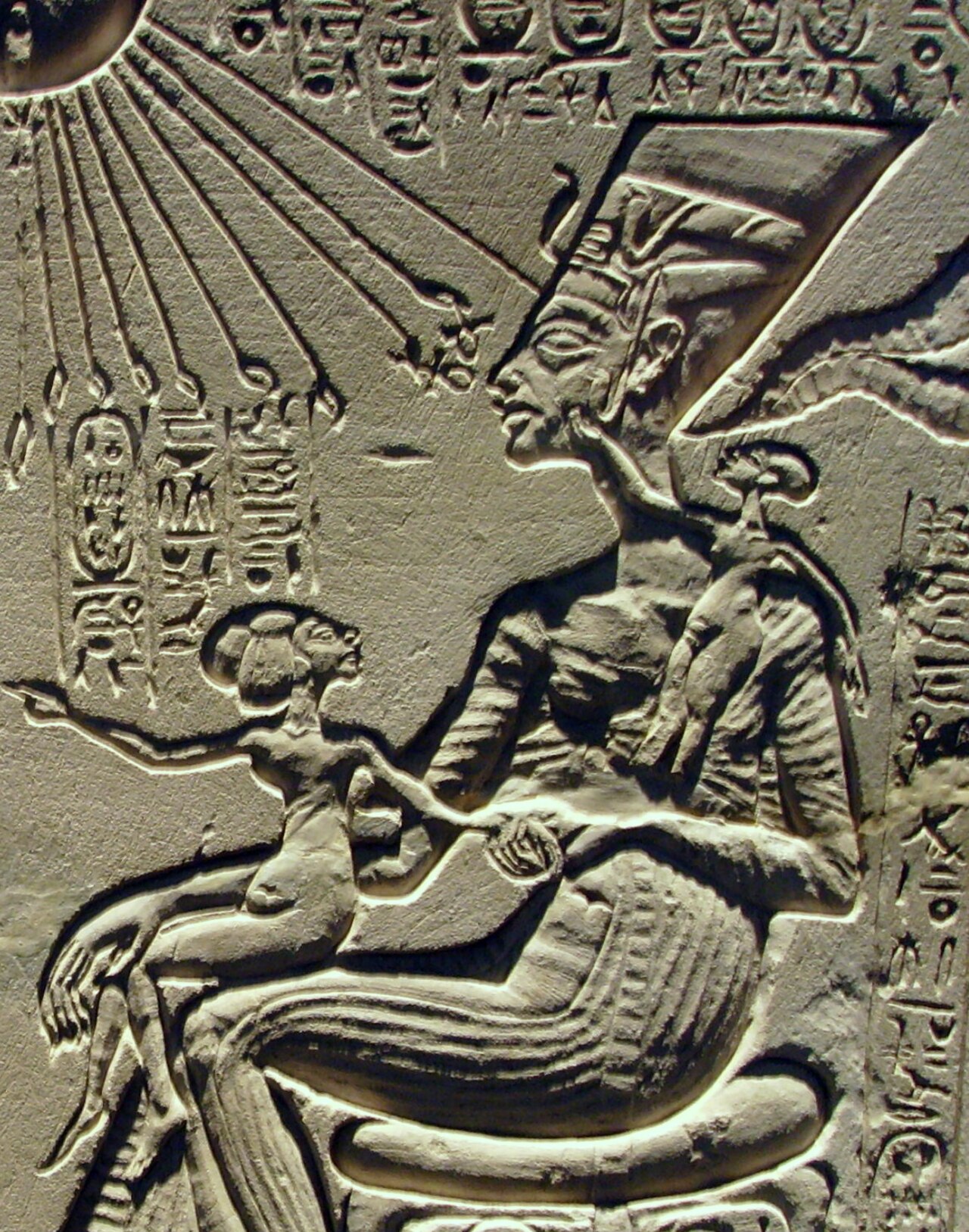
Akhenaten and His Family
c. 1352 BC
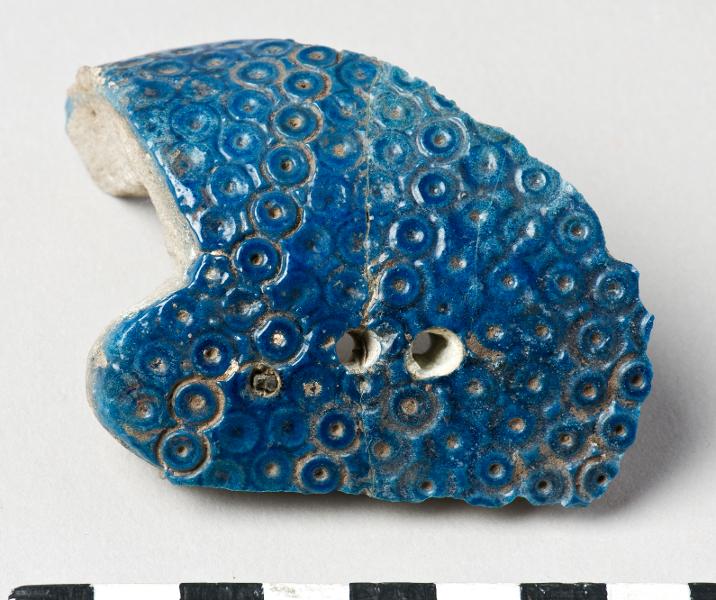 Sculpture
Primary source
Relief Fragment Showing the Blue Crown of Nefertiti
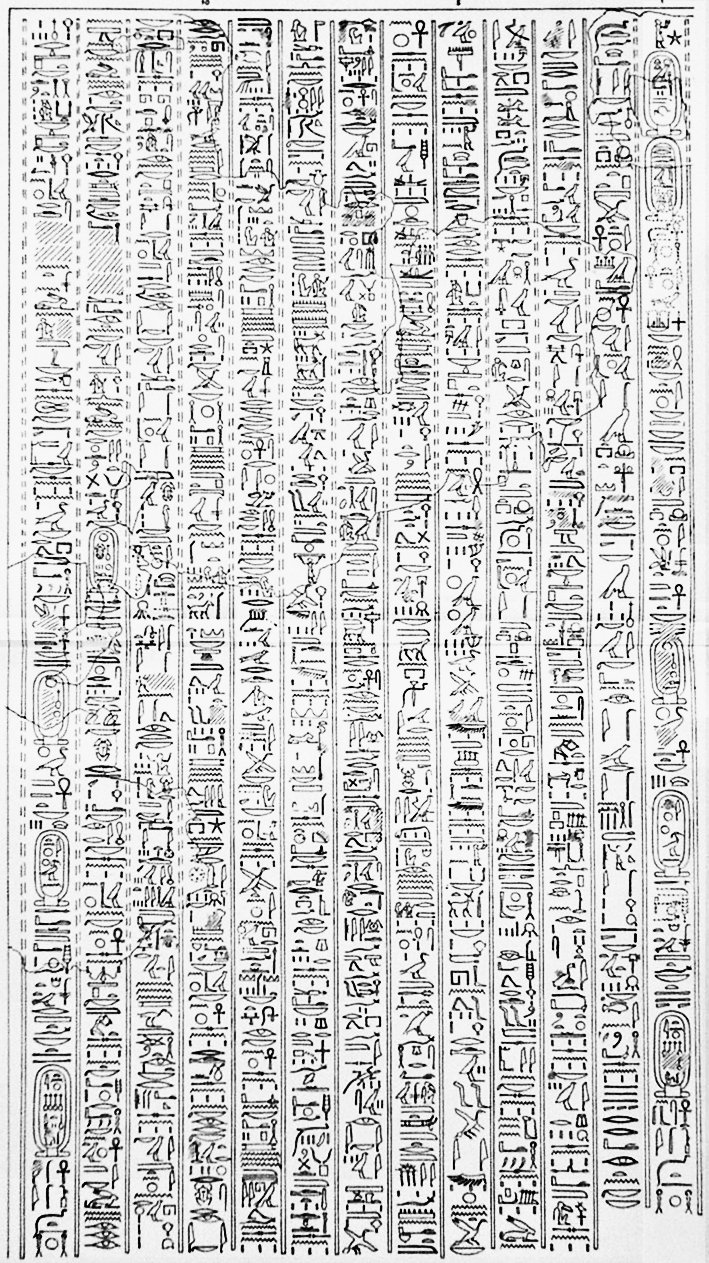
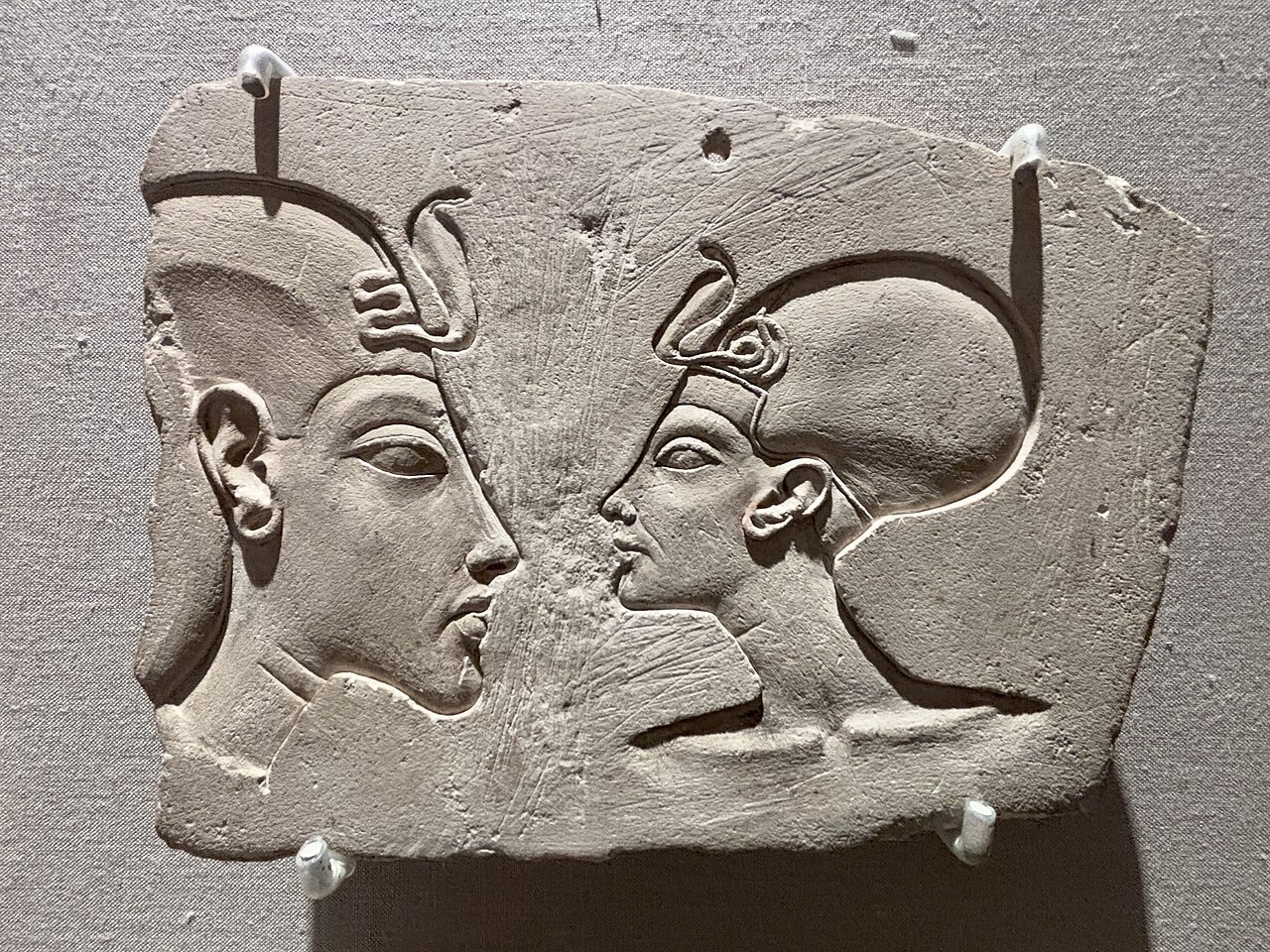
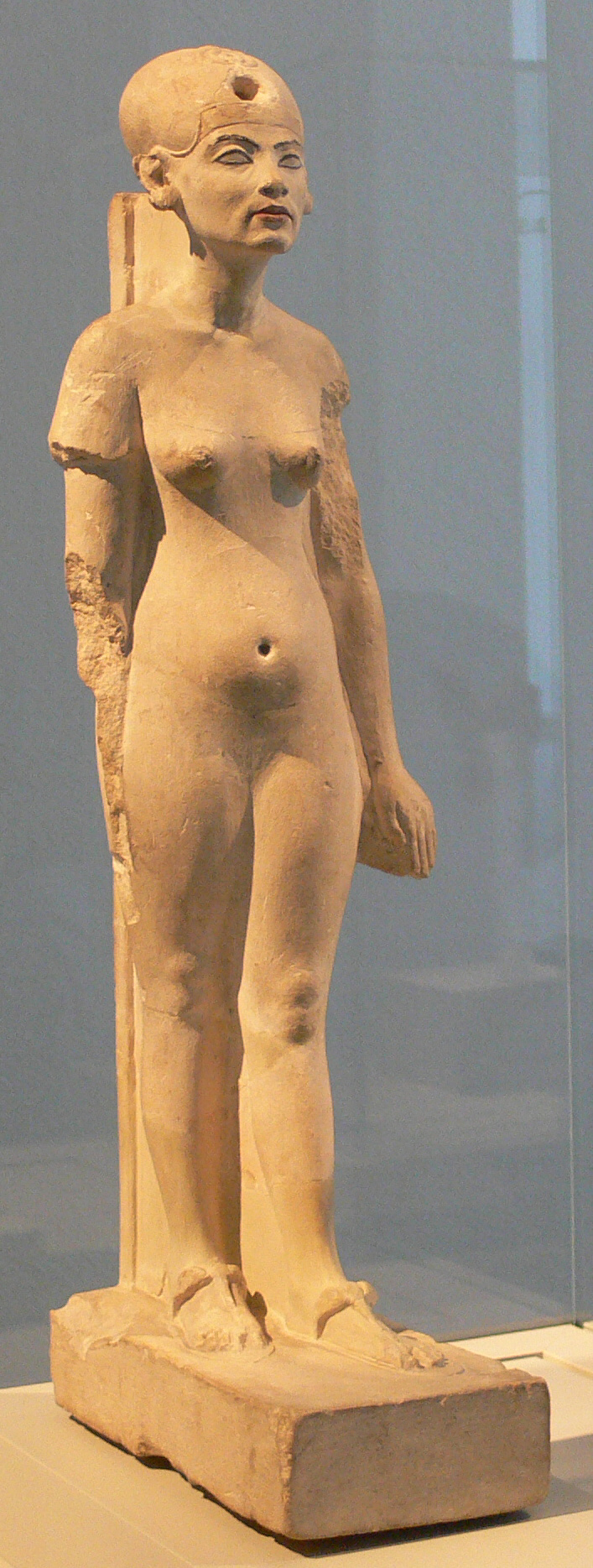
Free account
Read every Queen Nefereti source
Sign up free →
Ready when you are
Start chatting with Queen Nefereti now.
20 messages free · No credit card · Available in 50+ languages.