


Primary sourceArtifactc. 1353 BCE
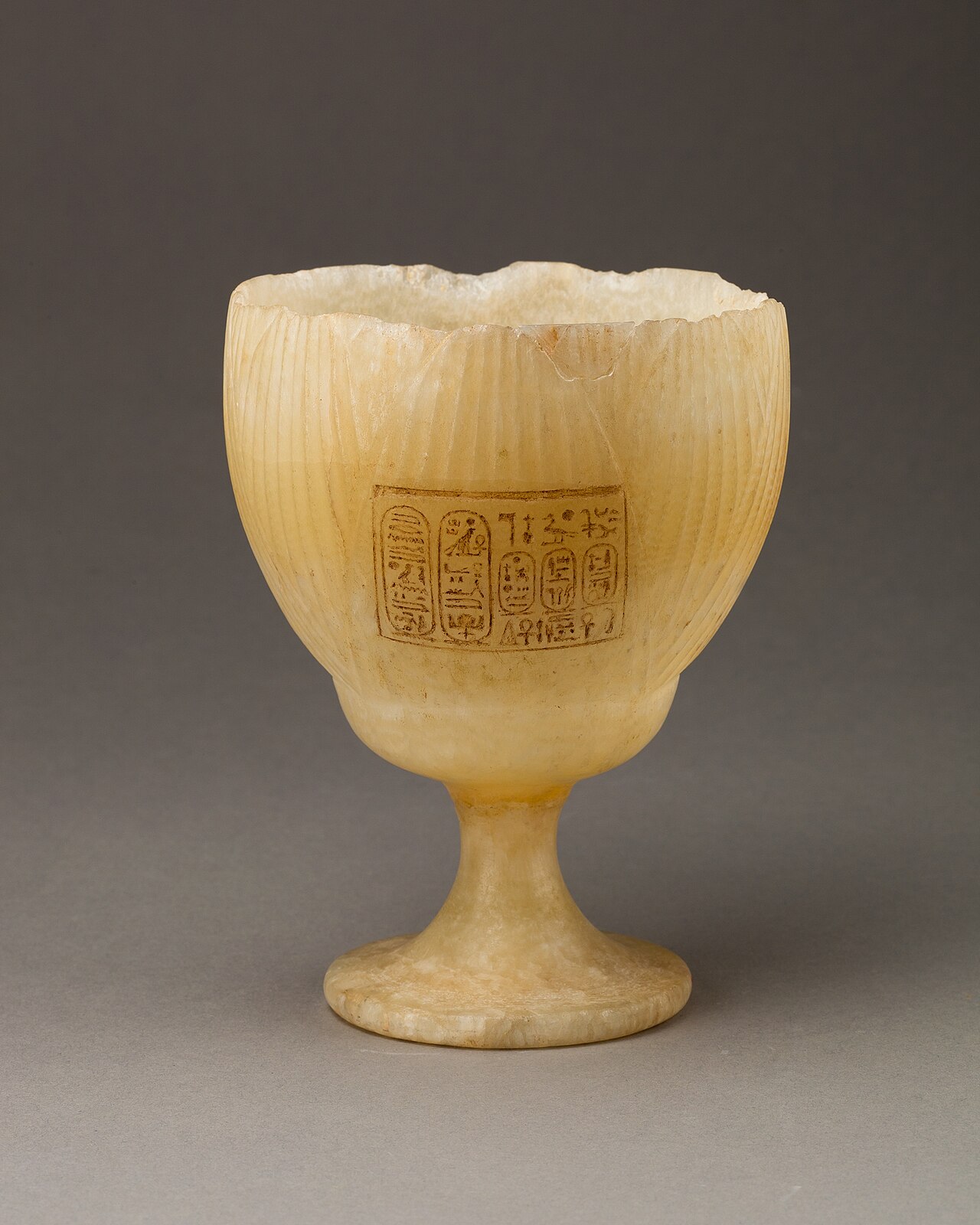
Goblet Inscribed with Names of Amenhotep IV and Queen Nefertiti
c. 1353 BCE
A small alabaster goblet carved with the names of Amenhotep IV (Akhenaten) and Nefertiti, from the Amarna period.
This royal goblet names Nefertiti alongside her husband, showing her shared prominence at the Amarna court.
About this source
What it is
This small alabaster goblet has a fluted bowl and short stem, incised with a column of hieroglyphic cartouches naming Amenhotep IV (who later took the name Akhenaten) and his queen Nefertiti. It dates to around 1353 BCE, during the New Kingdom's Amarna Period.
Why it matters
Everyday luxury objects like this goblet, not just temple carvings, carried the names of the royal couple. That both names appear together on a personal item like a drinking cup suggests how closely Nefertiti was associated with her husband's rule and status at court.
Look closer
- Why might a drinking cup be inscribed with royal names rather than used only for eating or drinking?
- What does the material, alabaster, suggest about who might have owned or used this object?
- What would you want to know about who made this goblet and for what occasion?
This artifact is part of the curated material that grounds the AI version of Queen Nefereti on Humy.ai — when students ask about related events, the AI can quote it and cite it.
More Queen Nefereti sources
Browse all 83 →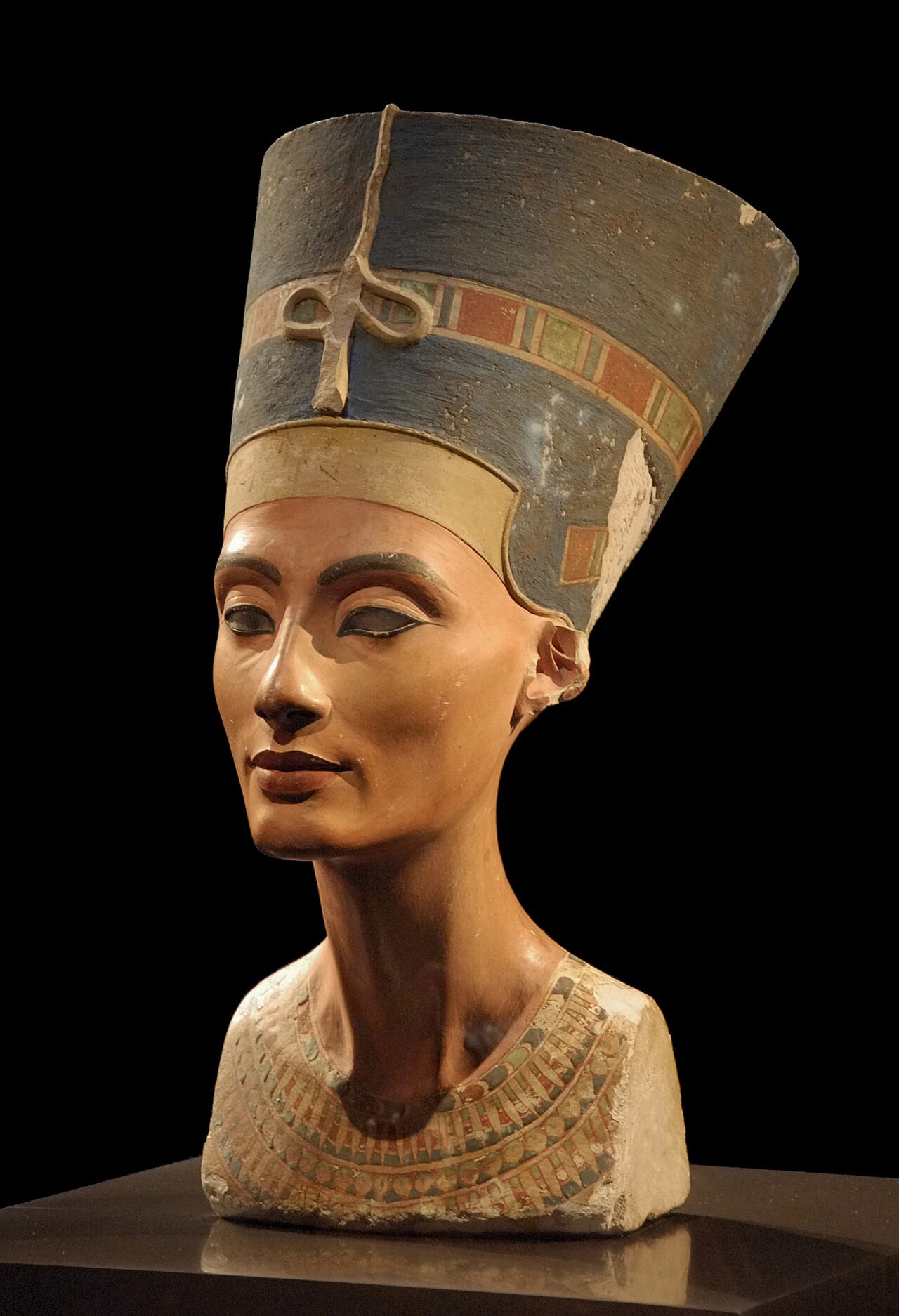 Sculpture
Primary source
Bust of Queen Nefertiti
Thutmose · c. 1345 BC
 Sculpture
Primary source
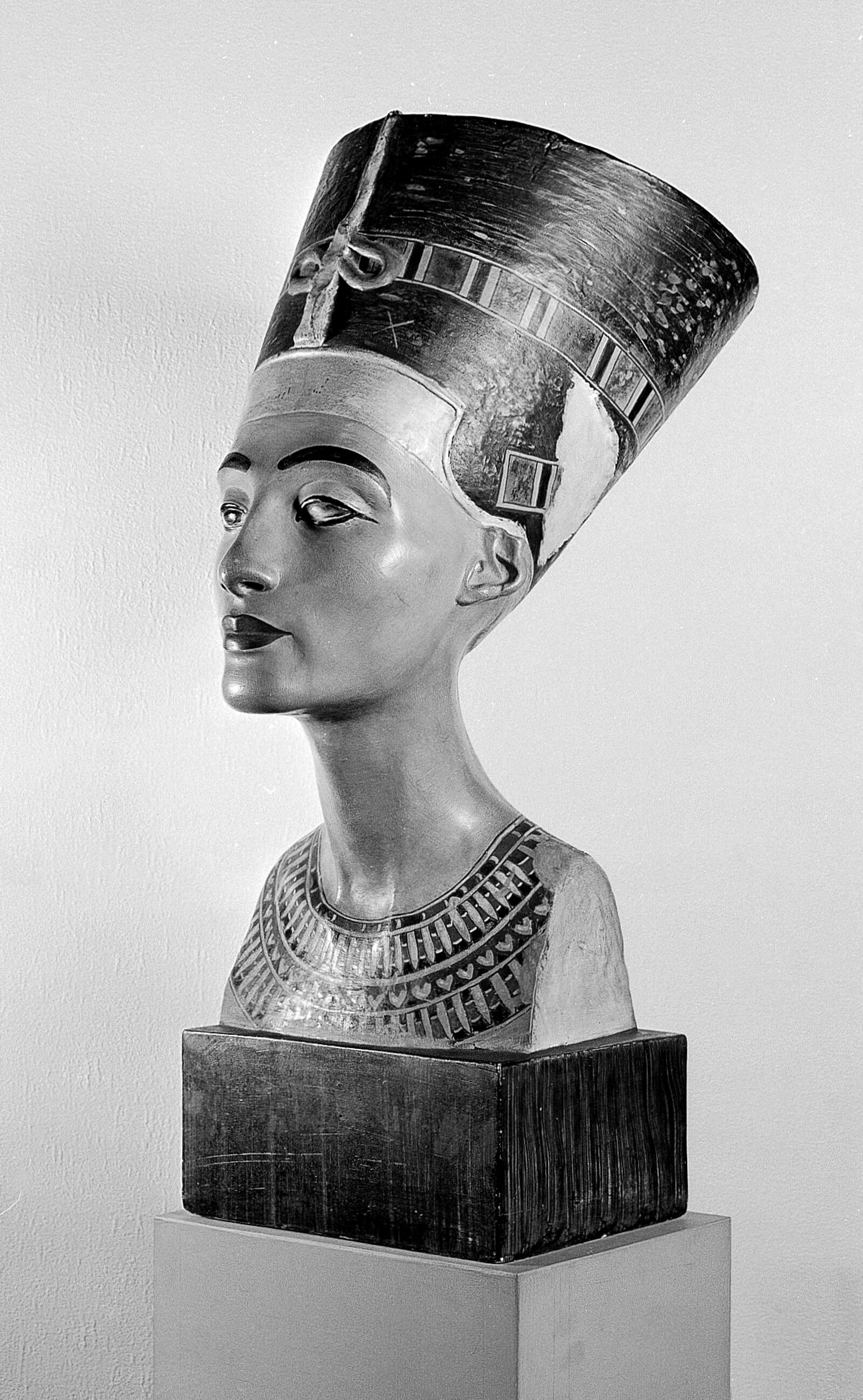
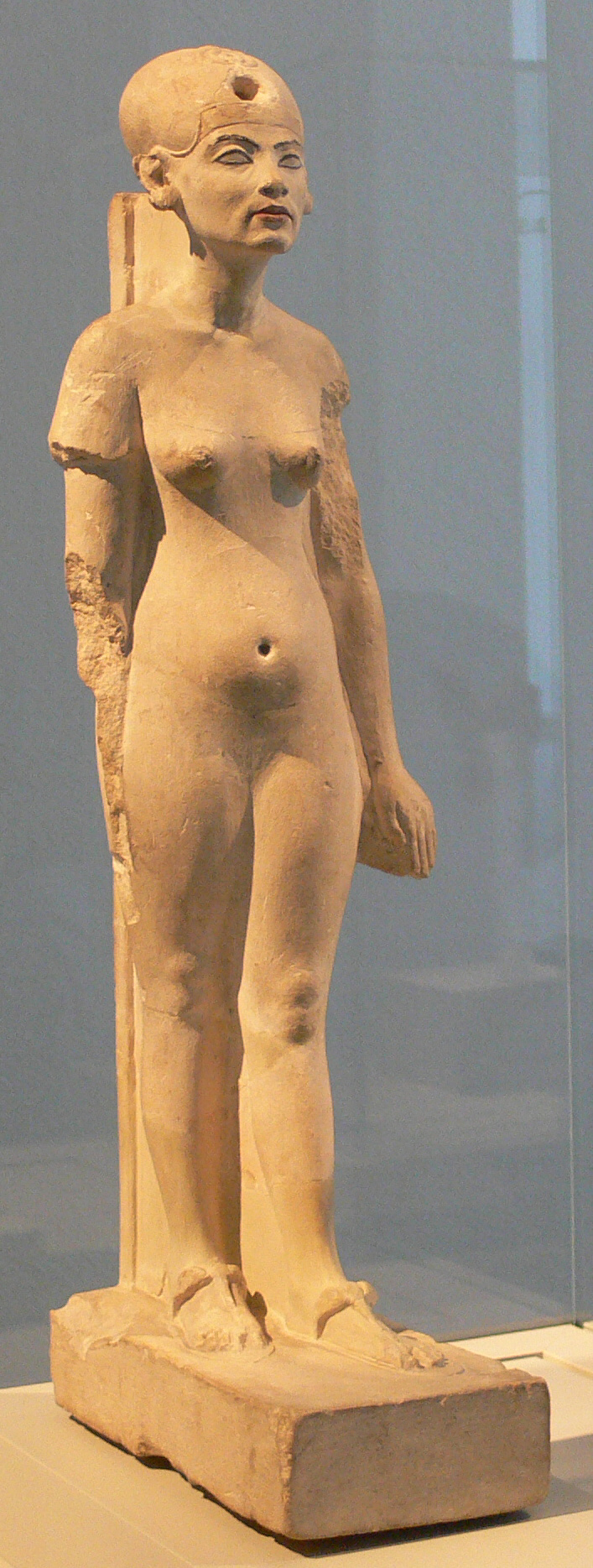
Figure of Nefertiti
 Sculpture
Primary source
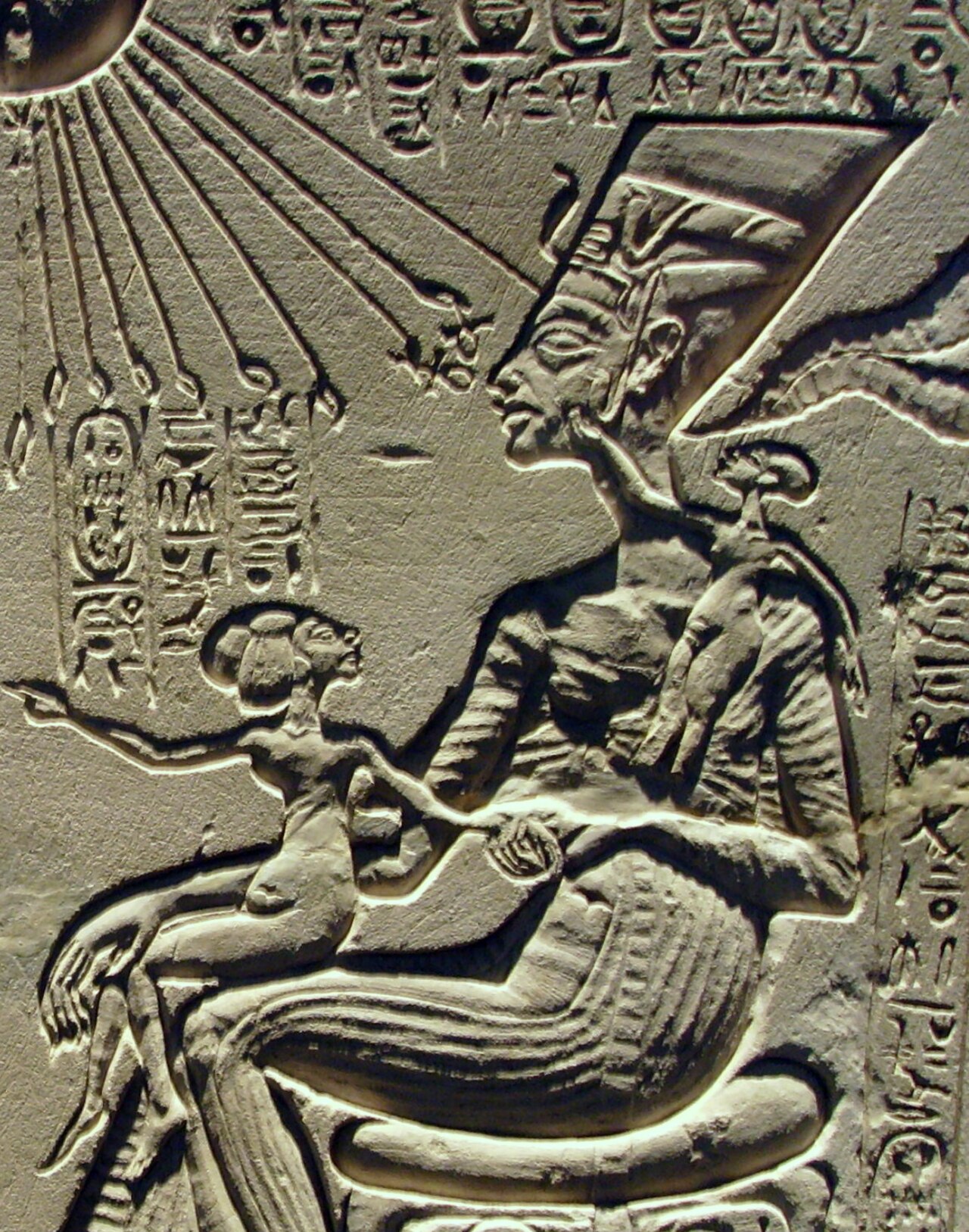
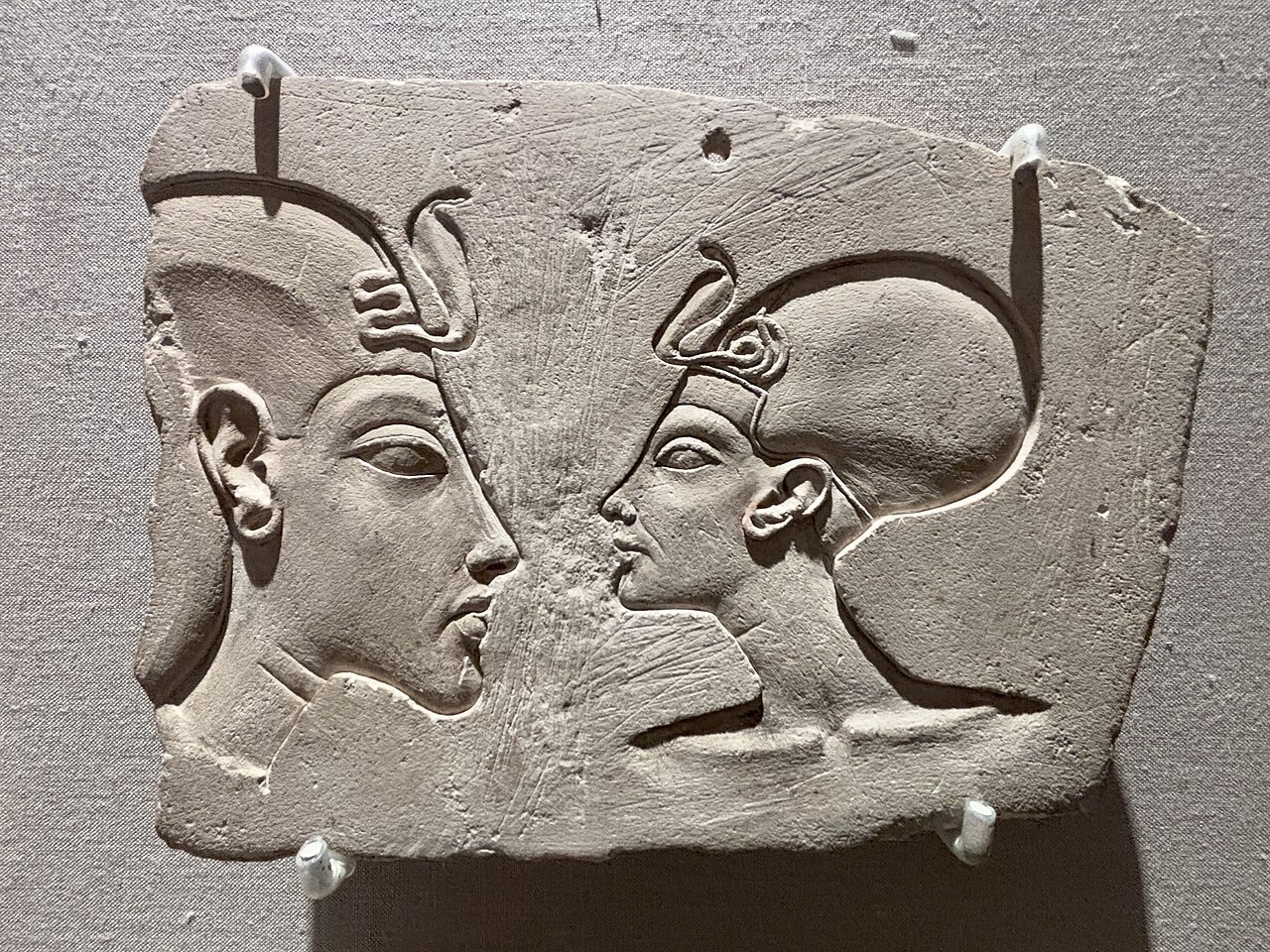
Akhenaten and His Family
c. 1352 BC
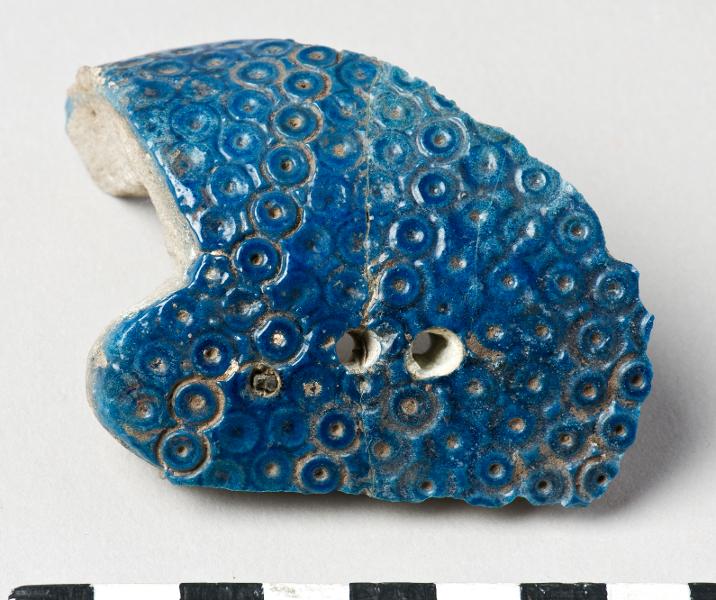 Sculpture
Primary source
Relief Fragment Showing the Blue Crown of Nefertiti
Free account
Browse every Queen Nefereti source
Sign up free →
Ready when you are
Start chatting with Queen Nefereti now.
20 messages free · No credit card · Available in 50+ languages.