


Primary sourceArtifactca. 17th–16th century BCE
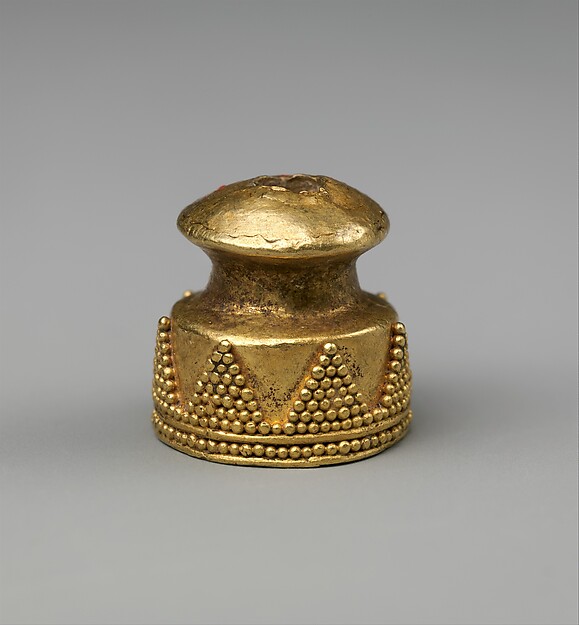
Gold Cylinder Seal Cap
ca. 17th–16th century BCE
A small gold seal cap from the late Old Babylonian or early Kassite period, showing the fine craft of Hammurabi's kingdom and its aftermath.
This gold object reflects the craftsmanship of Babylonia in the period following Hammurabi's reign.
About this source
What it is
This is a small gold cap for a cylinder seal, made of gold and decorated with granulated beads in triangular patterns. It dates to the late Old Babylonian or early Kassite period, not long after Hammurabi's reign, and is held today at The Metropolitan Museum of Art.
Why it matters
Objects like this show the wealth and skill of craftsmen in Babylonia around the time of Hammurabi and his successors. Fine gold work such as this was likely used by elites, giving us a glimpse of status and luxury in the kingdom Hammurabi ruled or that followed soon after him.
Look closer
- What does the fine detail of this seal cap suggest about the skill of its maker?
- Why might someone want to own a decorated gold object like this?
- What questions can't this object answer about daily life in Hammurabi's time?
This artifact is part of the curated material that grounds the AI version of Hammurabi on Humy.ai — when students ask about related events, the AI can quote it and cite it.
More Hammurabi sources
Meet the AI Hammurabi →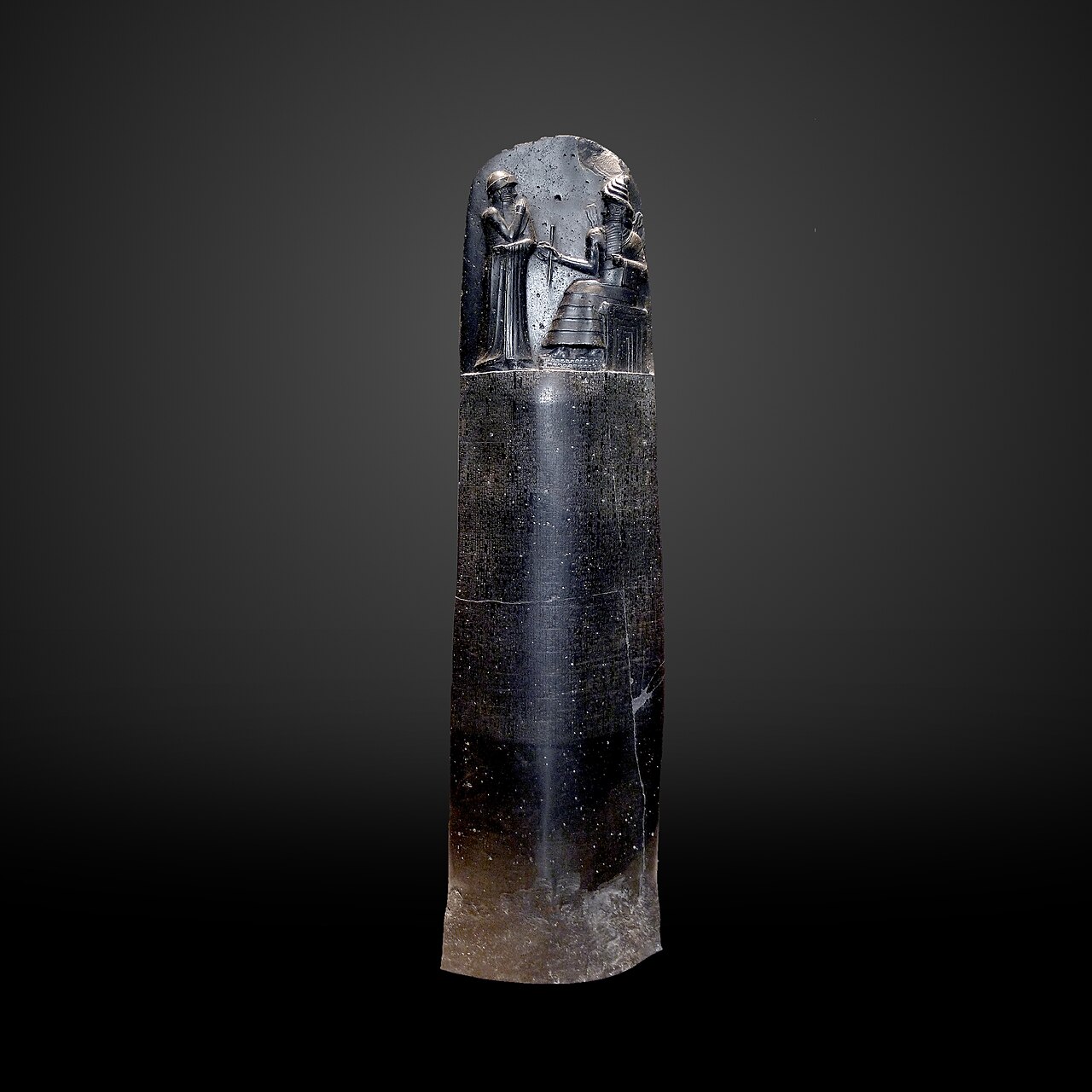 Document
Primary source
Code of Hammurabi
Hammurabi · c. 1753 BCE
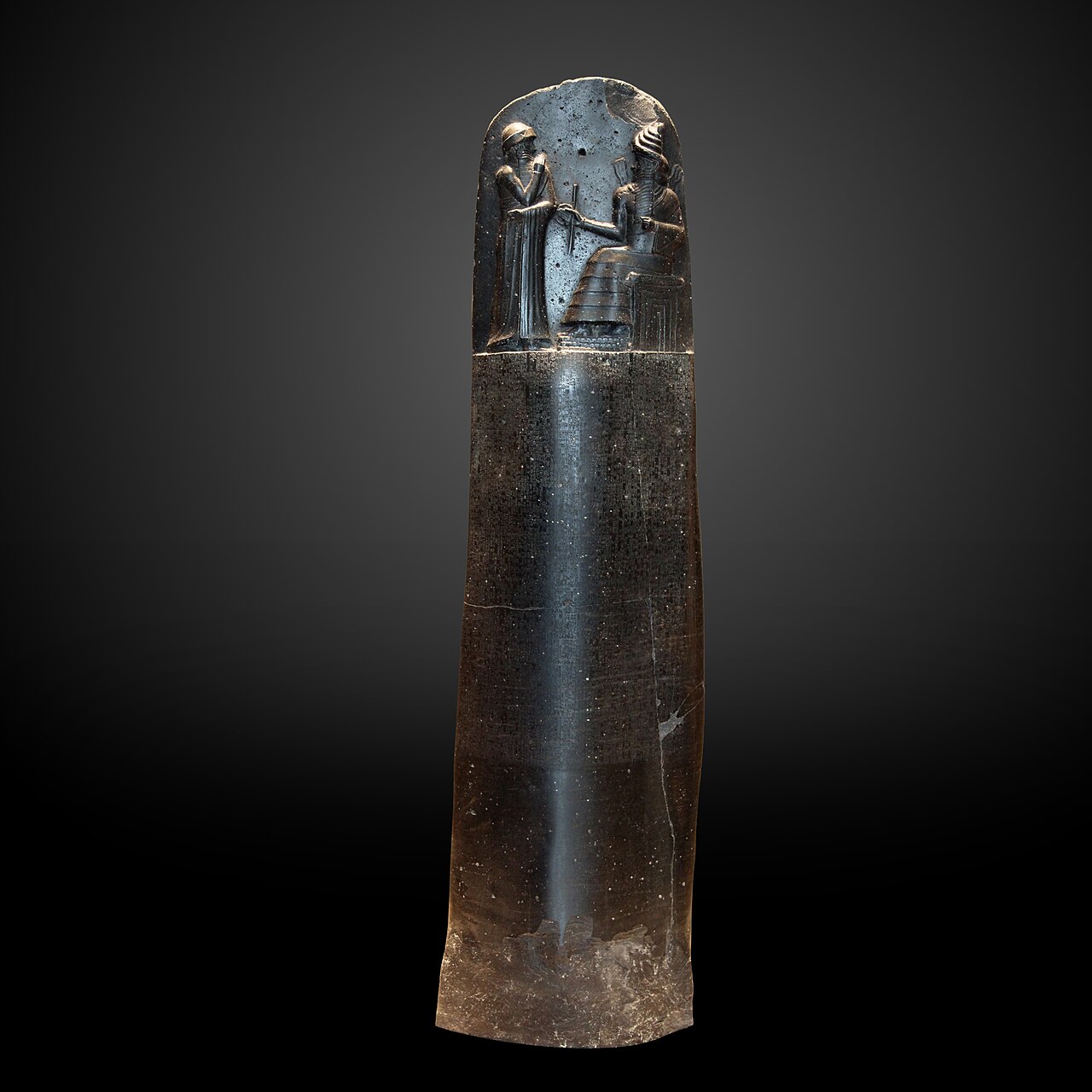 Sculpture
Primary source
Stele with the Code of Hammurabi
Hammurabi · c. 1792 BCE
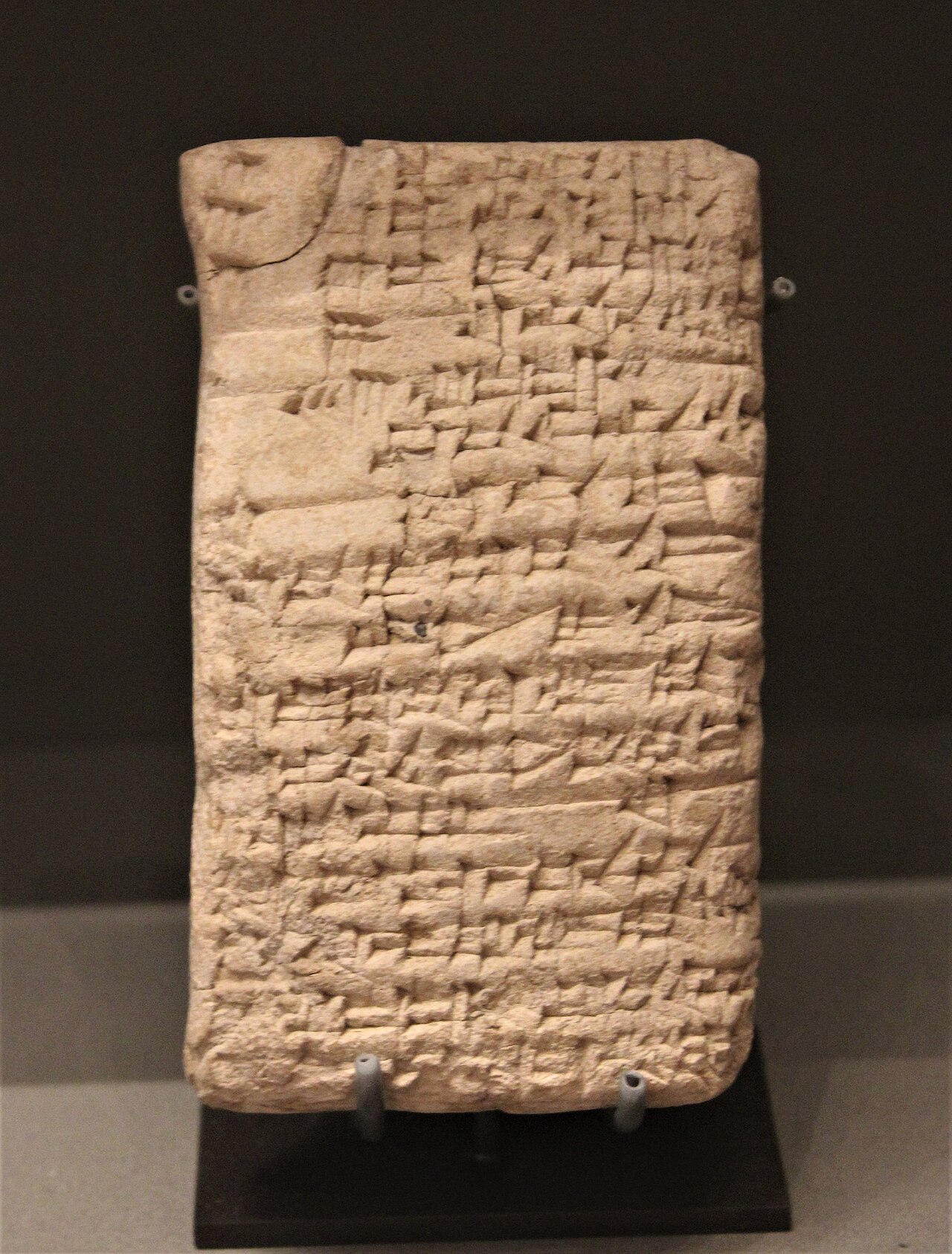 Letter
Primary source
Letter from Hammurabi to Sîn-iddinam
Hammurabi · c. 1792-1750 BCE
 Document
Primary source
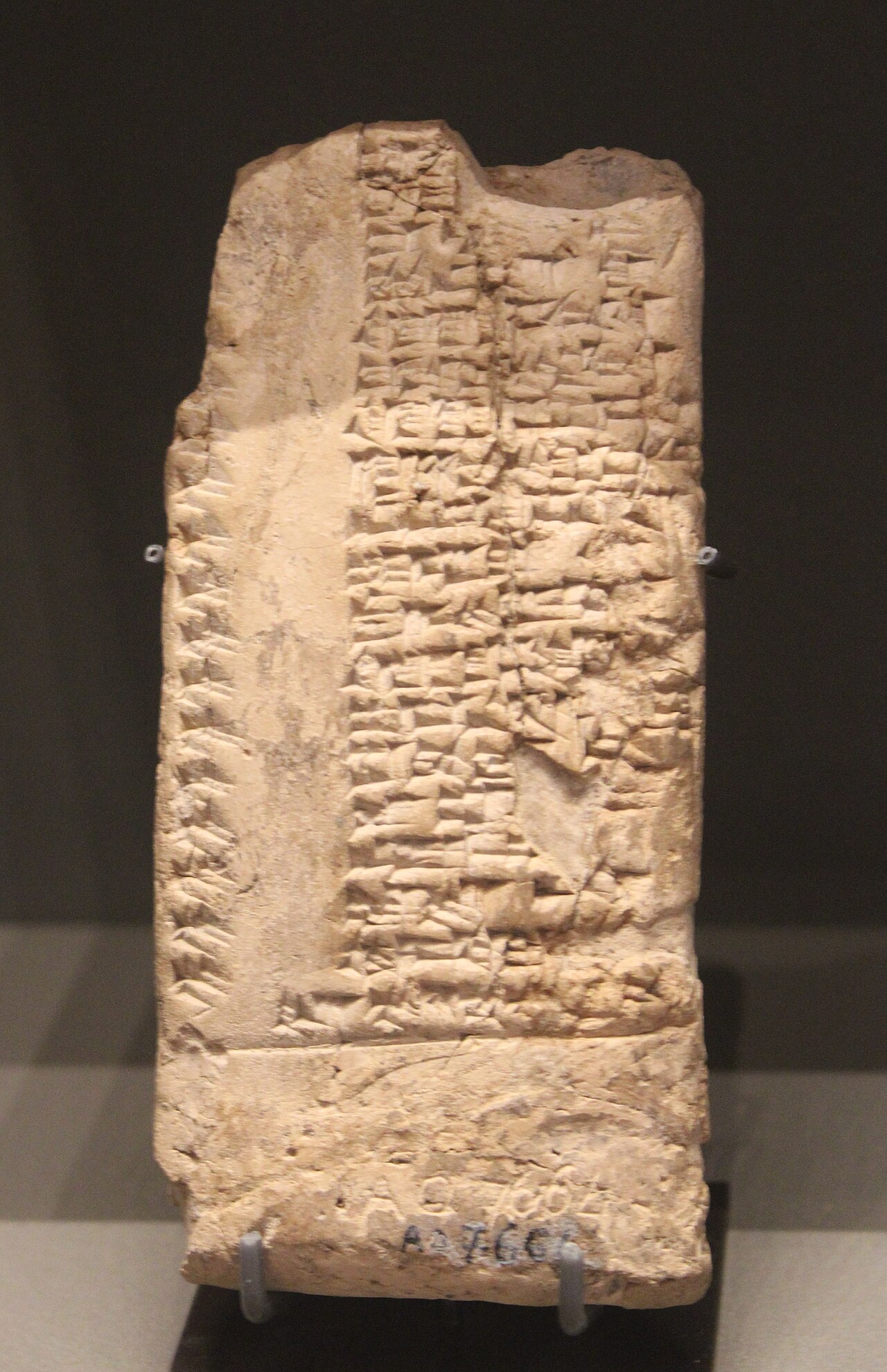
List of the year-names of Hammurabi's reign
Old Babylonian period, reign of Hammurabi (c. 1792-1750 BCE)
 Document
Secondary source
Chronicle of Early Kings
Babylonian scribes · c. 6th century BCE copy
Ready when you are
Start chatting with Hammurabi now.
20 messages free · No credit card · Available in 50+ languages.