


Primary sourceSculpturec. 1250 BCE
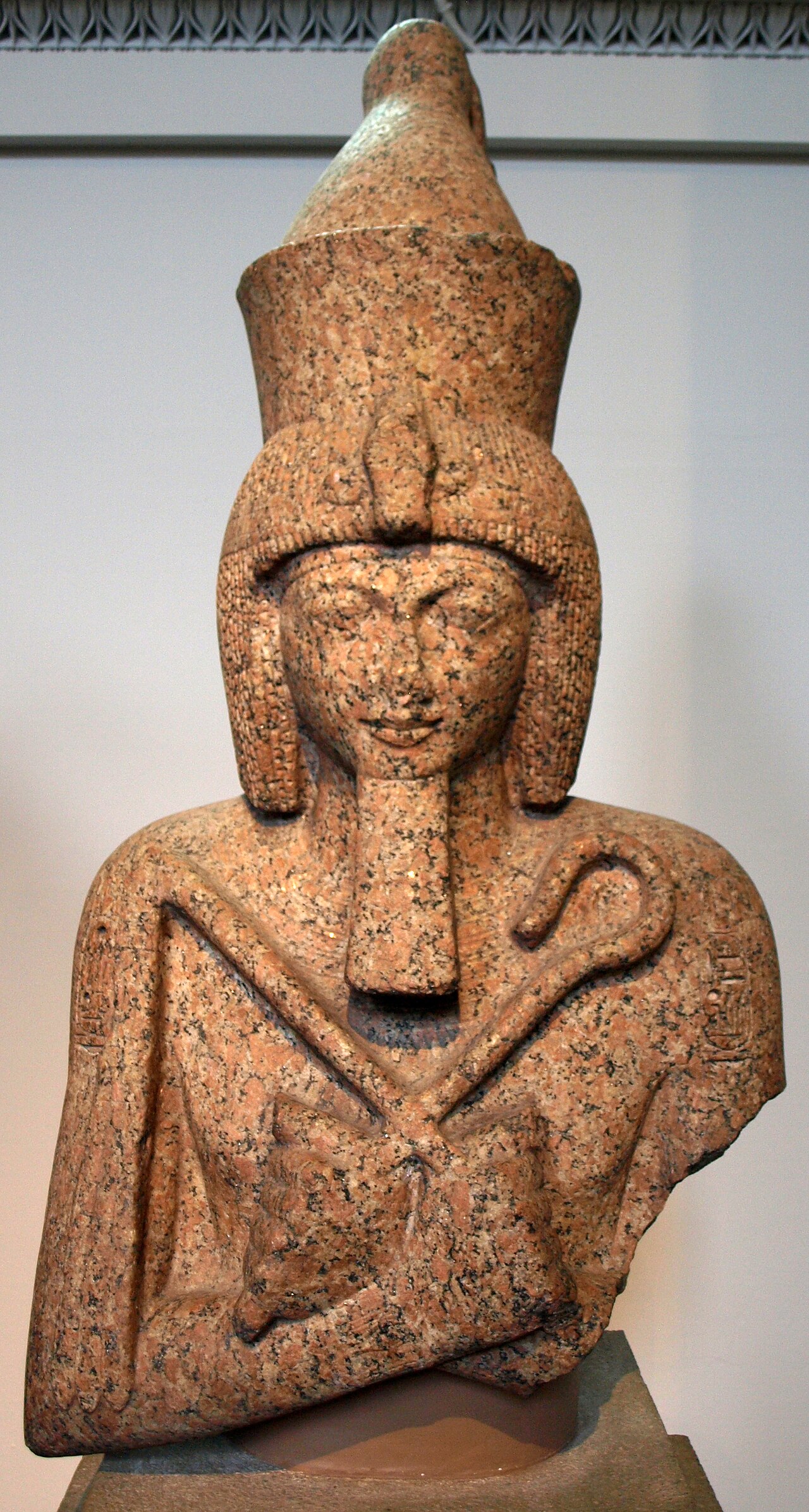
Granite bust of Ramses II
c. 1250 BCE
A lifetime granite bust portraying Ramesses II with idealised royal features, now in the British Museum.
A lifetime royal portrait sculpture depicting Ramesses II with official idealised features.
About this source
What it is
This reddish-pink granite bust shows an Egyptian pharaoh wearing a tall crown, striped headcloth and false beard, arms crossed holding a crook. It dates to around 1250 BCE, the 19th Dynasty, and originally stood at Aswan on Elephantine Island; its base remains there. It is now held by the British Museum.
Why it matters
The bust is a lifetime portrait of Ramesses II, showing the idealised official image pharaohs used to present themselves — calm, powerful, eternal. Such images were central to how kings communicated authority across Egypt.
Look closer
- What does the calm, unchanging expression suggest about how pharaohs wanted to be seen?
- Why might the base remain in Egypt while the bust is in London?
- What symbols (crown, beard, crook) tell us about royal power?
This sculpture is part of the curated material that grounds the AI version of Ramses II (Ramses the Great) on Humy.ai — when students ask about related events, the AI can quote it and cite it.
More Ramses II (Ramses the Great) sources
Meet the AI Ramses II (Ramses the Great) →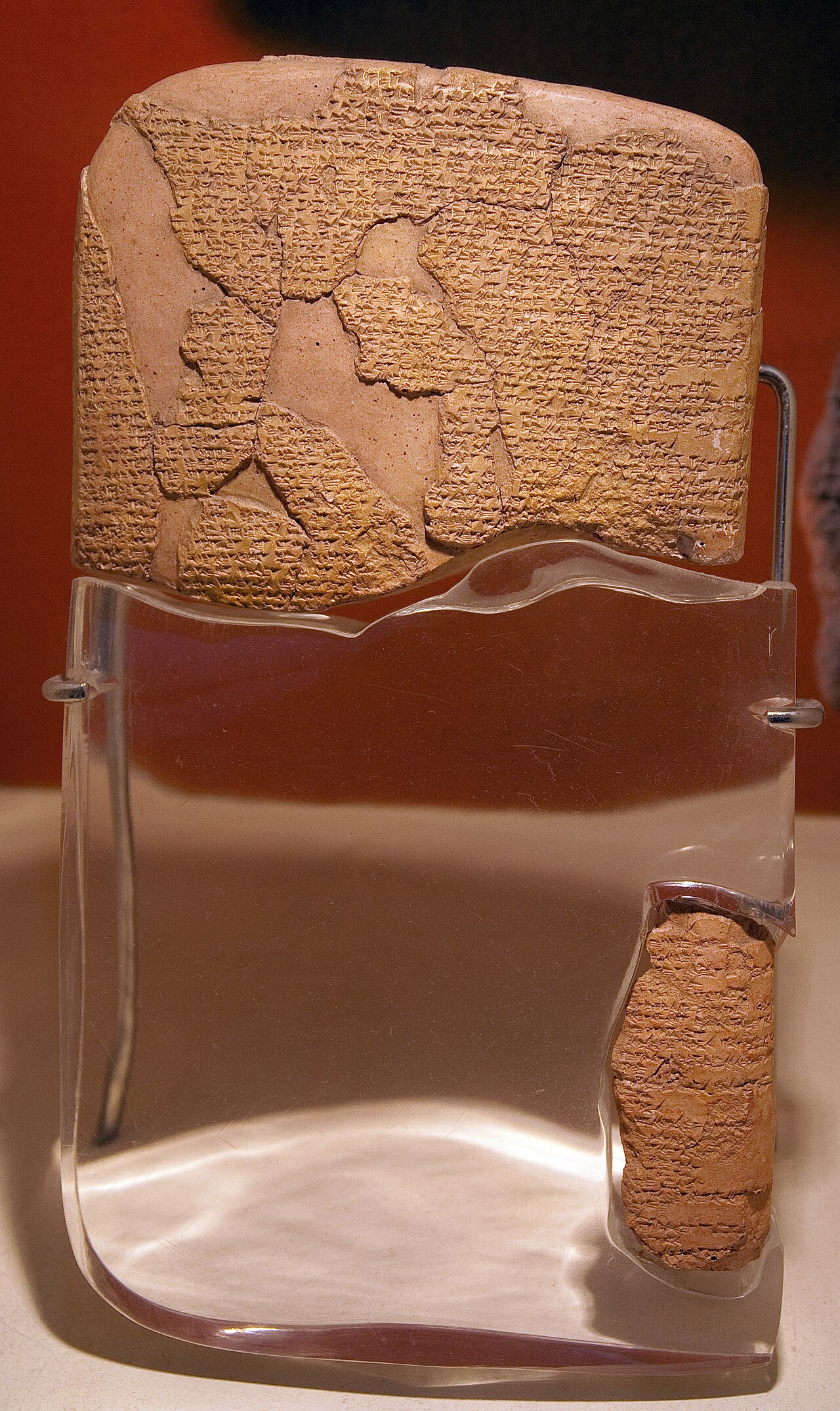 Document
Primary source
Egyptian–Hittite Peace Treaty
c. 1258 BCE
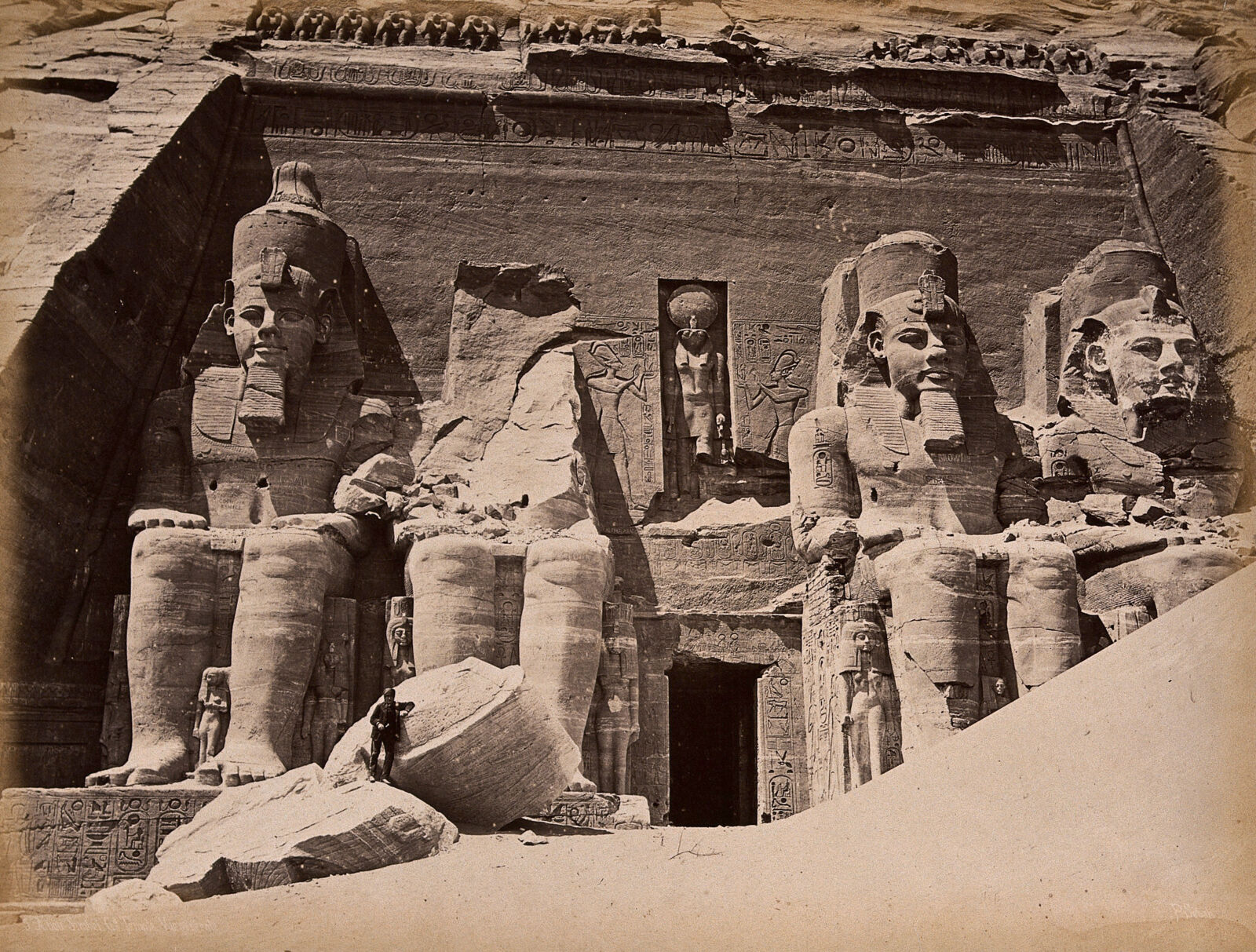 Photograph
Secondary source
Abu Simbel Temple Colossi
Pascal Sébah · 1875
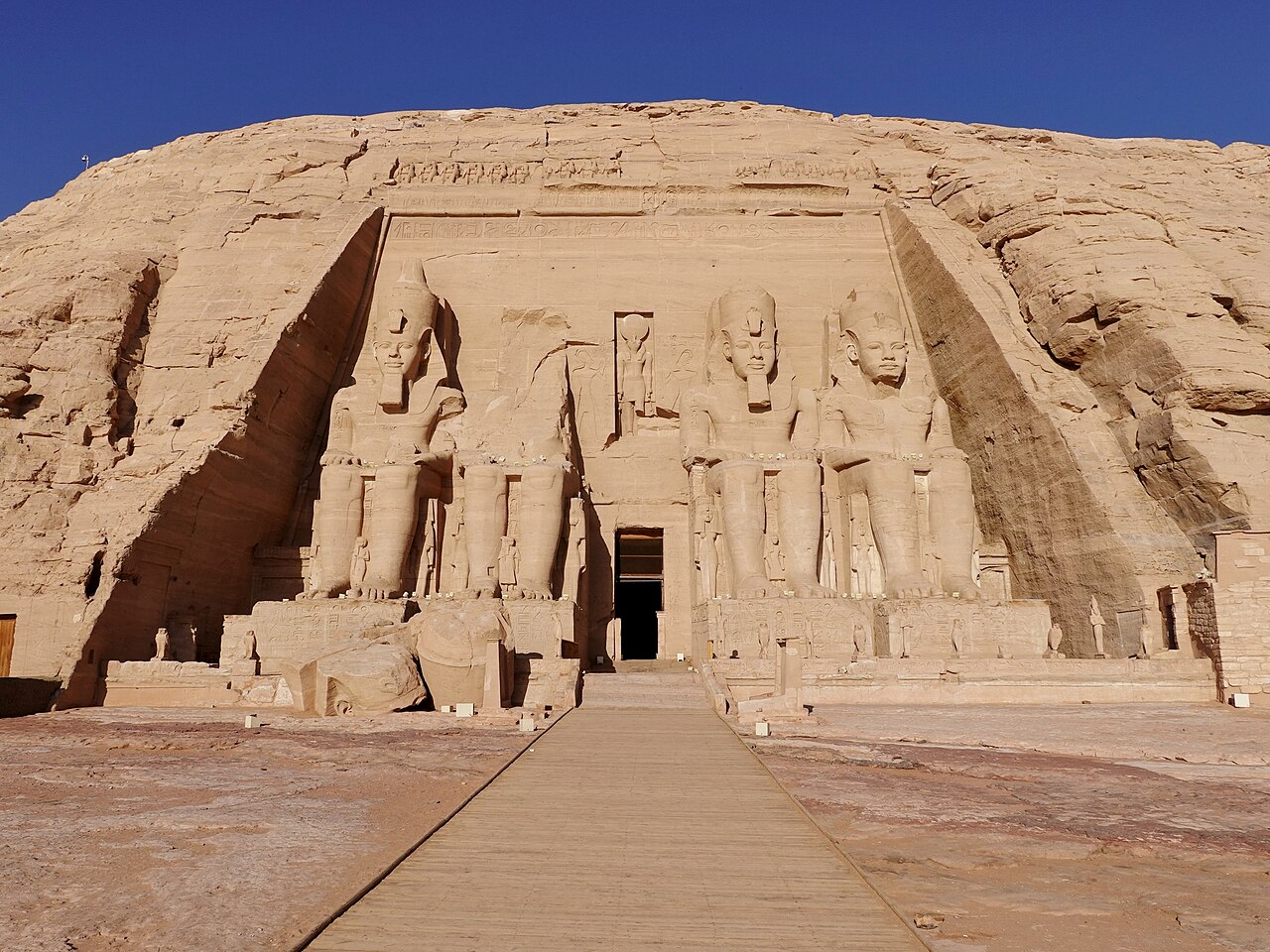 Artifact
Primary source
Abu Simbel
Ramesses II · c. 1273 BCE
 Photograph
Secondary source
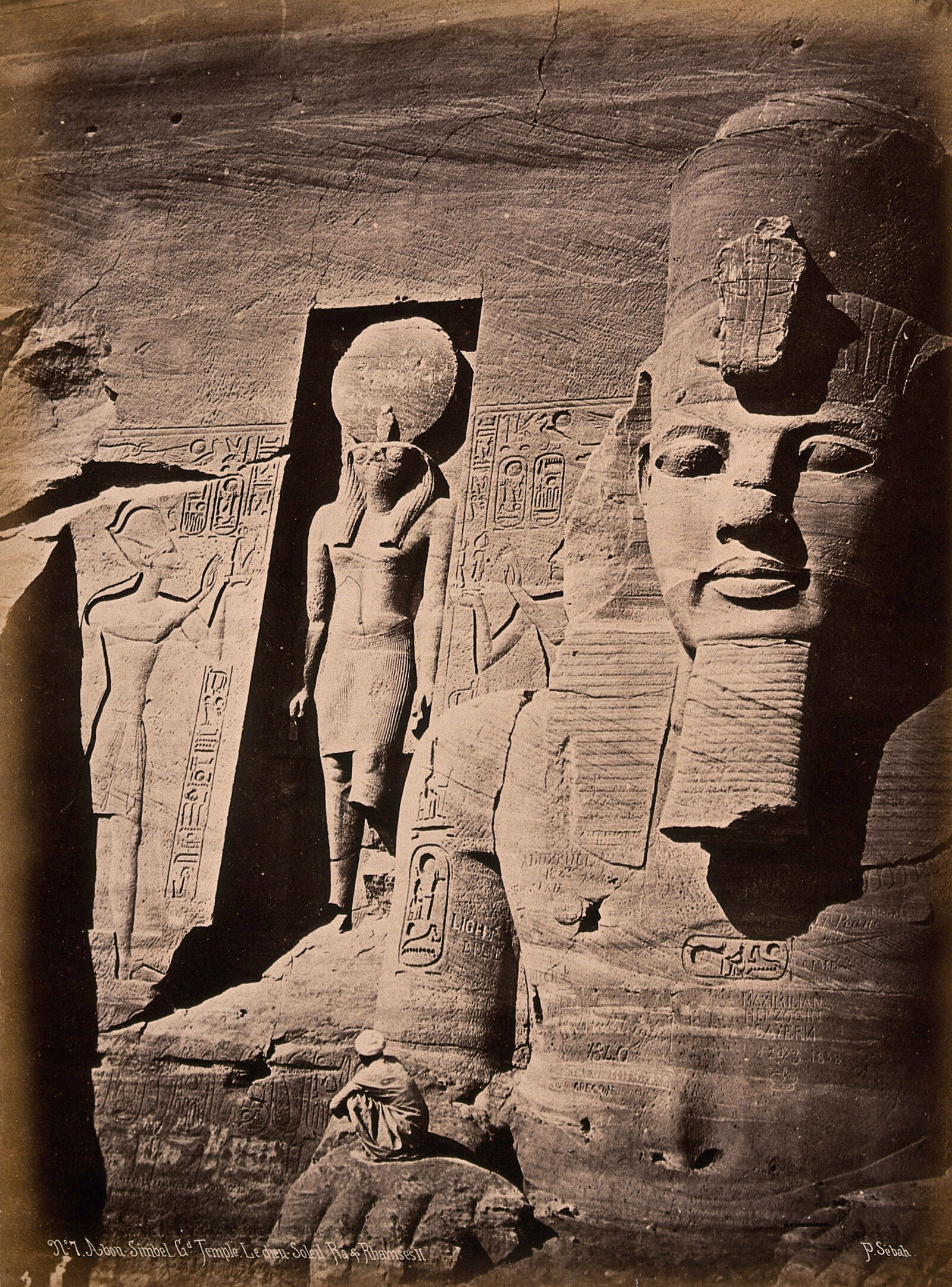
Facade Detail of Abu Simbel Showing Ramesses II and Ra
Pascal Sébah · 1875
 Photograph
Secondary source
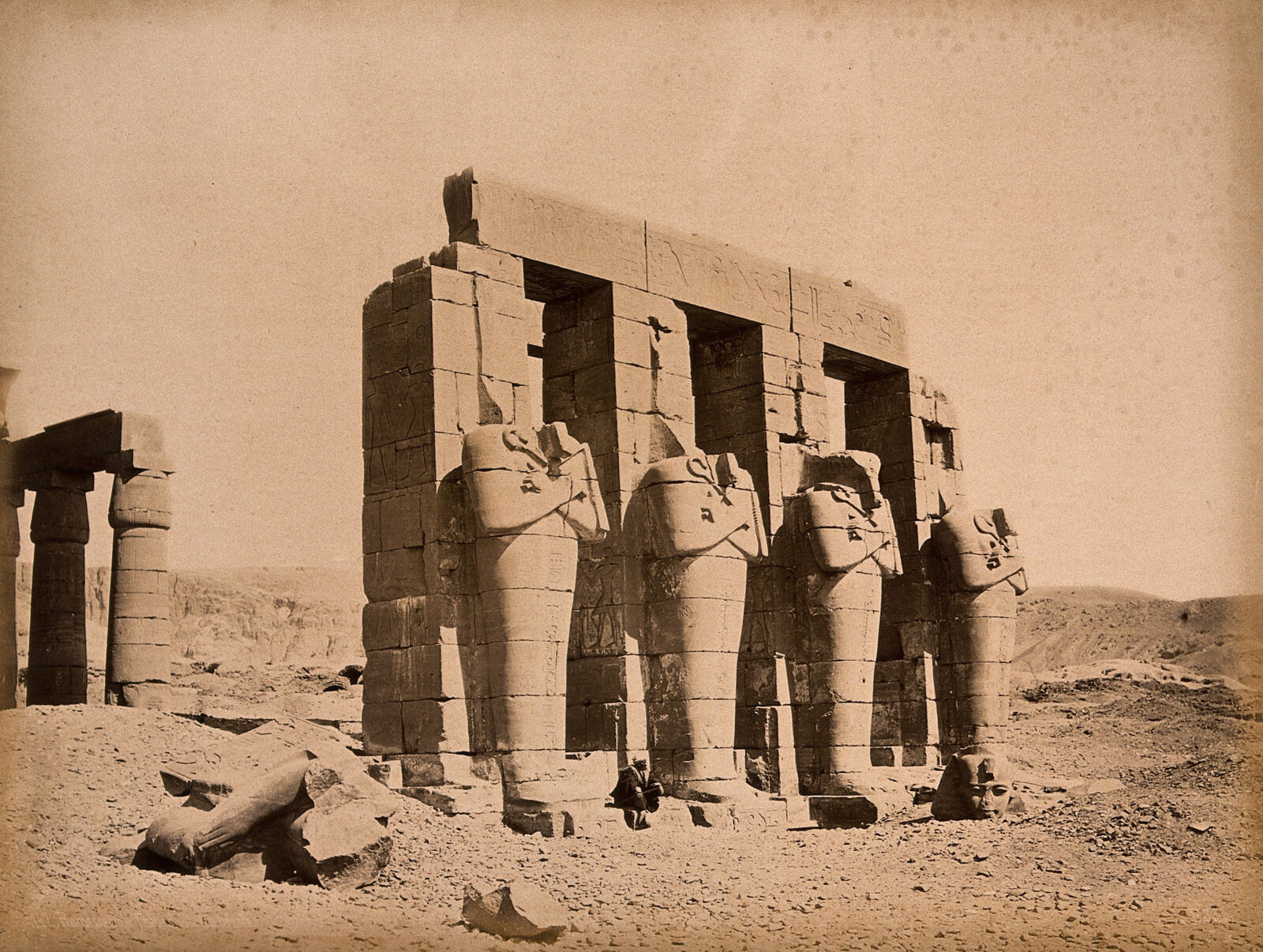
Ramesseum Colossi in Ruins
Pascal Sébah · c. 1875
Ready when you are
Start chatting with Ramses II (Ramses the Great) now.
20 messages free · No credit card · Available in 50+ languages.