


Secondary sourceArtifact
Grave of Aurangzeb
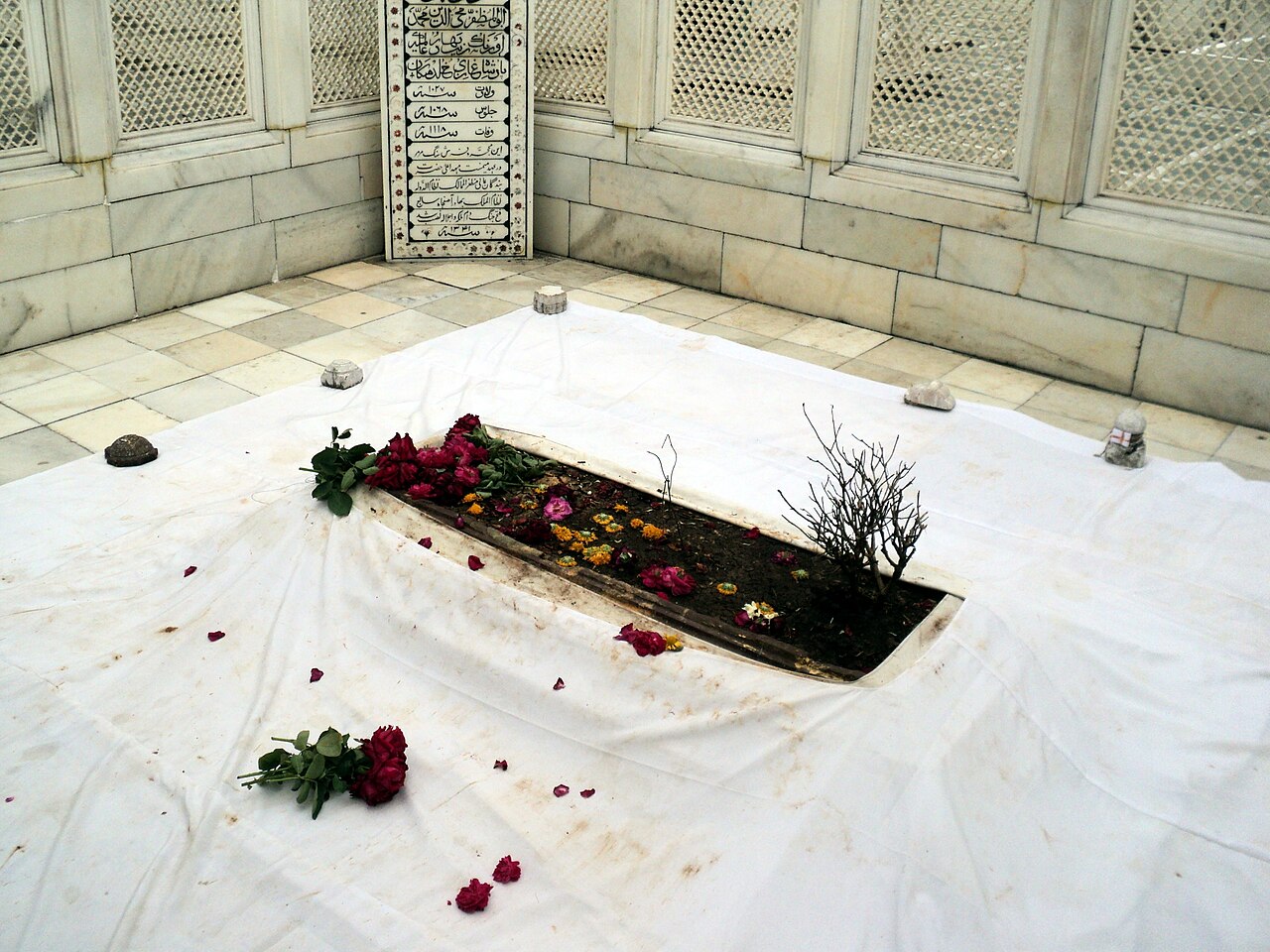
The plain, open-air marble grave of Emperor Aurangzeb at Khuldabad, built according to his own wishes for simplicity.
This is Aurangzeb's own grave, deliberately plain, reflecting the austerity he valued in contrast to his family's grand tombs.
About this source
What it is
This is the burial site of the Mughal emperor Aurangzeb in Khuldabad, India. The grave is simple and open to the sky, covered with soil and marigolds rather than an elaborate monument.
Why it matters
Aurangzeb's grave contrasts sharply with the grand mausoleums built for his father Shah Jahan, his mother Mumtaz Mahal (the Taj Mahal), and his own wife Dilras Banu Begum (Bibi Ka Maqbara). According to his wishes, it reflects his professed personal austerity and religious ideals, even though he ruled one of the wealthiest empires of his time.
Look closer
- Why might a powerful emperor choose such a simple grave?
- How does this grave compare with the grand tombs of his relatives?
- What does this choice tell you about how Aurangzeb wanted to be remembered?
This artifact is part of the curated material that grounds the AI version of Aurangzeb on Humy.ai — when students ask about related events, the AI can quote it and cite it.
More Aurangzeb sources
Meet the AI Aurangzeb →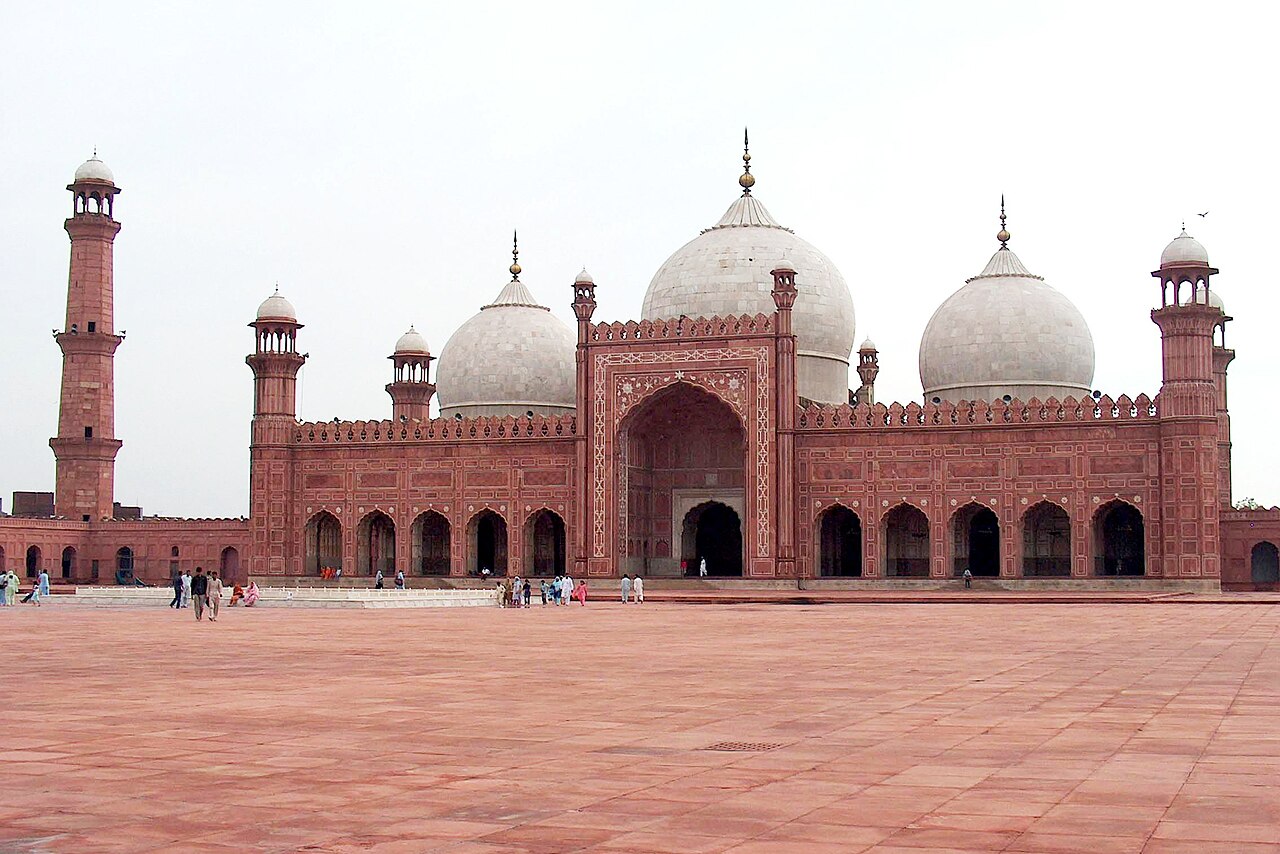 Artifact
Primary source
Badshahi Mosque
1671–1673
 Document
Primary source
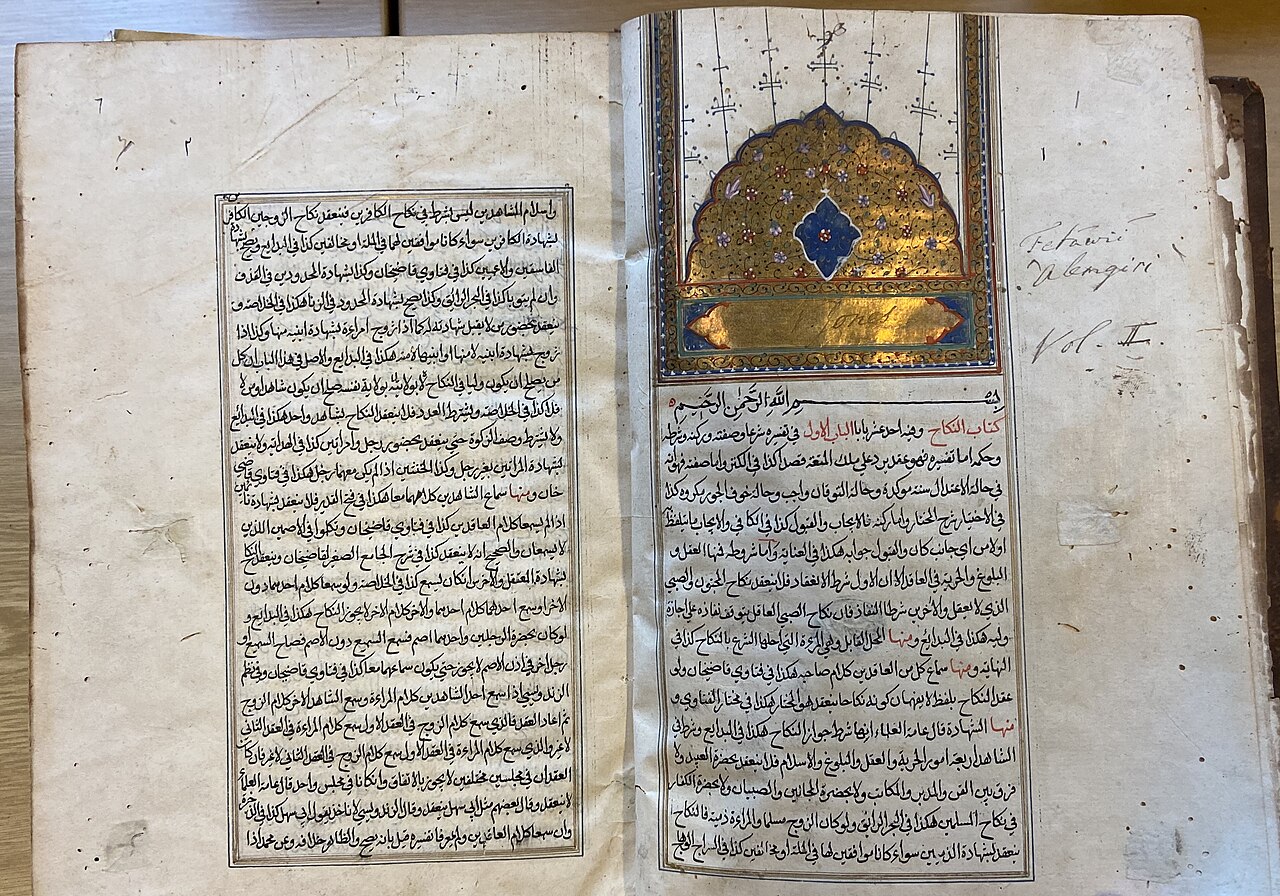
Fatawa-i Alamgiri Manuscript
17th century (this copy later recopied)
 Book
Secondary source
Maasir-i-Alamgiri
Saqi Musta'id Khan · c. 1710 (this copy 1763-1764)
Primary source
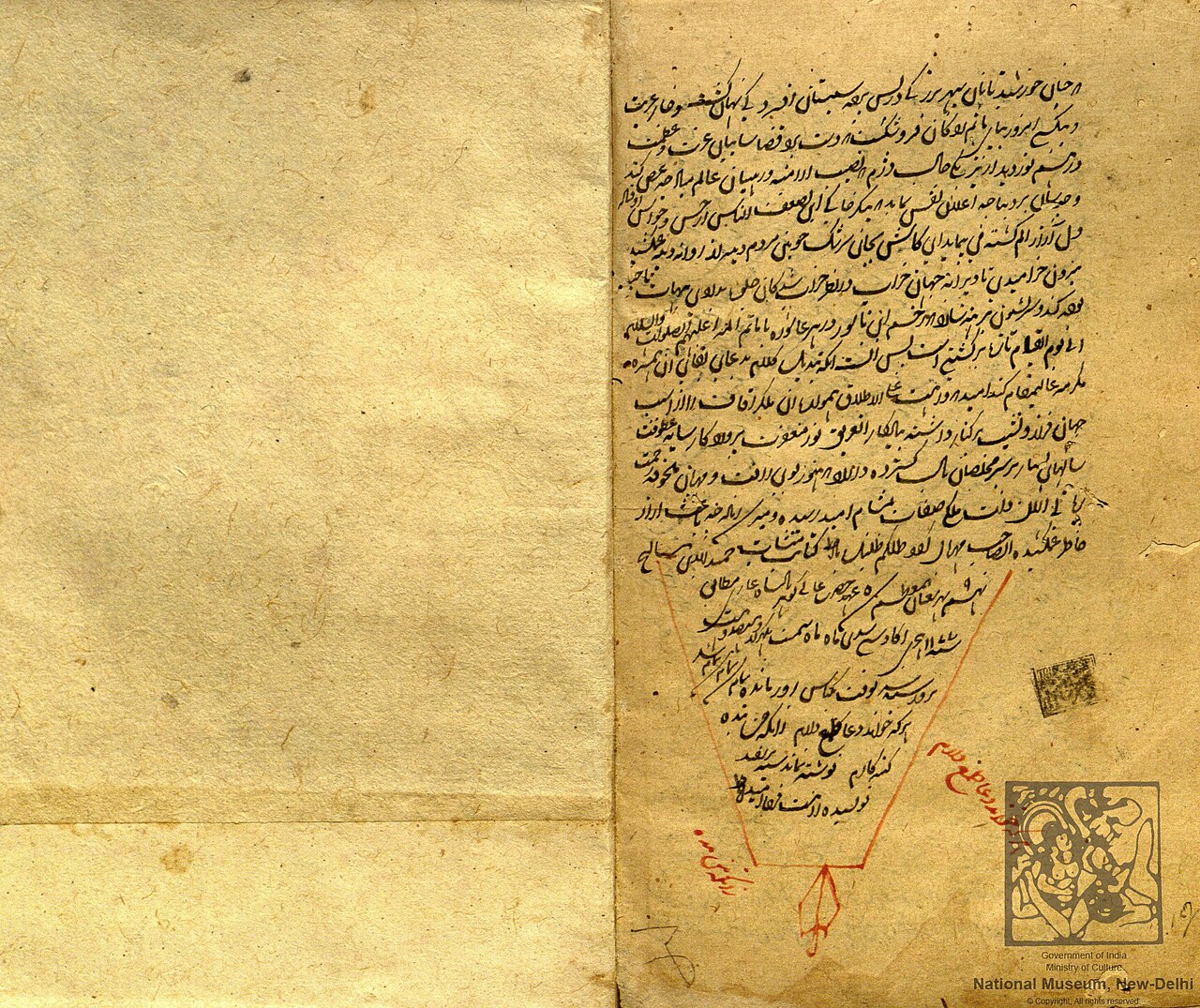
Ruka'at-i-Alamgiri
Aurangzeb · 17th century
 Letter
Primary source
Zafarnamah
Guru Gobind Singh · 1705
Ready when you are
Start chatting with Aurangzeb now.
20 messages free · No credit card · Available in 50+ languages.