


Secondary sourceArtifact
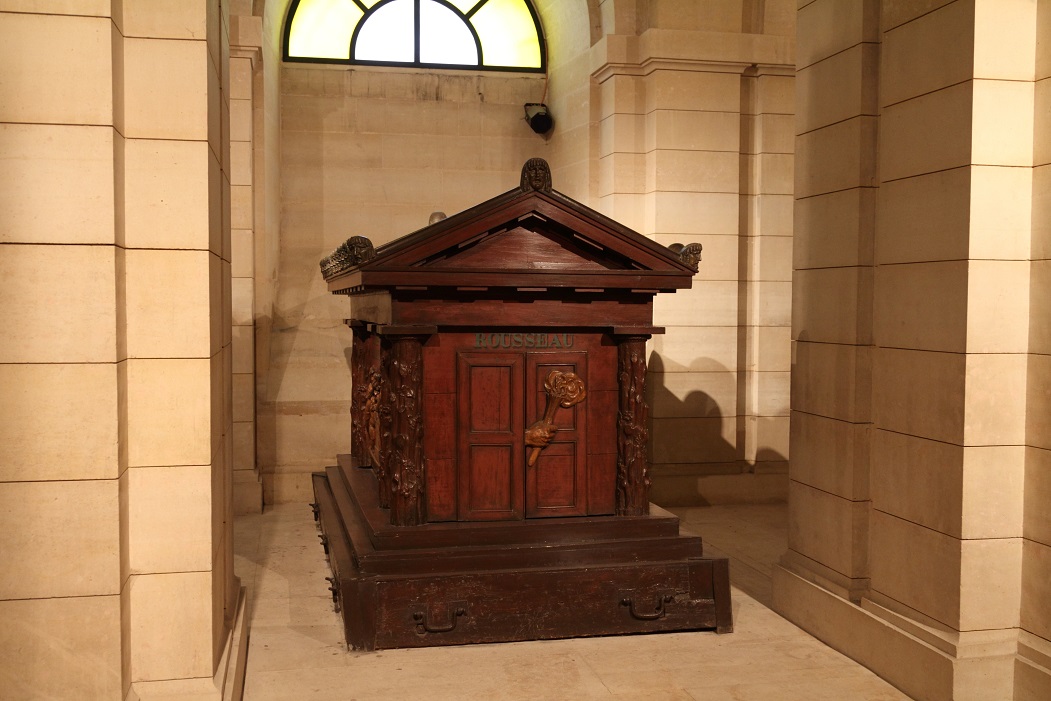
Grave of Jean-Jacques Rousseau
Rousseau's revolutionary-era tomb inside the Panthéon in Paris, positioned facing the tomb of Voltaire.
This is the actual tomb holding Rousseau's remains, placed in the Panthéon to honor him as a philosopher of the Revolution.
About this source
What it is
This is a photograph of Jean-Jacques Rousseau's tomb inside the Panthéon in Paris. The wooden sarcophagus-style monument has a pitched pediment, carved corner columns, and his name inscribed above its double doors, decorated with a carved rose-and-leaf ornament.
Why it matters
The Panthéon was built during the revolutionary era to honor great citizens of France, and placing Rousseau's tomb there, facing that of Voltaire, shows how the two philosophers were linked in the public imagination even though they disagreed during their lifetimes. The tomb reflects how later generations chose to remember and display Rousseau as a national figure.
Look closer
- Why might the designers have chosen a sarcophagus shape with columns and a pediment rather than a simple grave marker?
- What does placing Rousseau's tomb opposite Voltaire's suggest about how the Revolution viewed these two thinkers?
- What questions can't a tomb answer about what someone actually believed or wrote?
This artifact is part of the curated material that grounds the AI version of Jean-Jacques Rousseau on Humy.ai — when students ask about related events, the AI can quote it and cite it.
More Jean-Jacques Rousseau sources
Meet the AI Jean-Jacques Rousseau →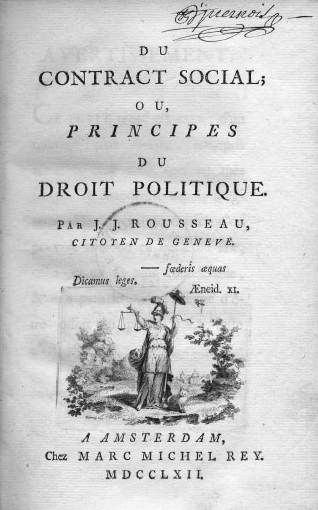 Book
Primary source
The Social Contract
Jean-Jacques Rousseau · 1762
 Painting
Primary source
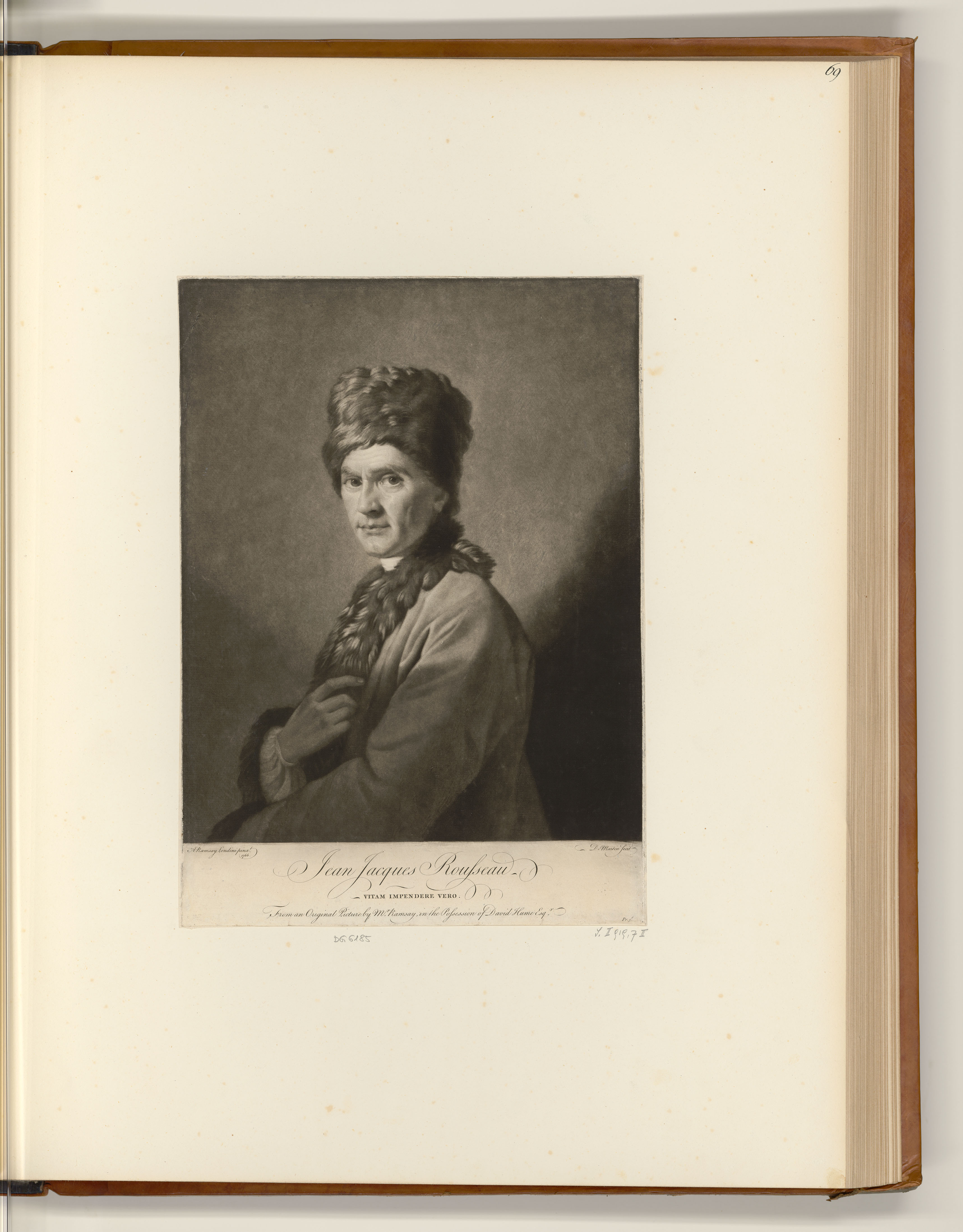
Portrait of Jean Jacques Rousseau
David Martin · 1766
 Book
Primary source
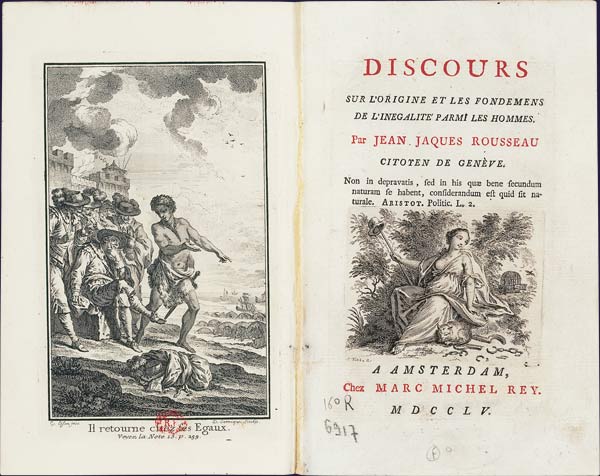
Discourse on Inequality
Jean-Jacques Rousseau · 1754 (published 1755)
 Painting
Secondary source
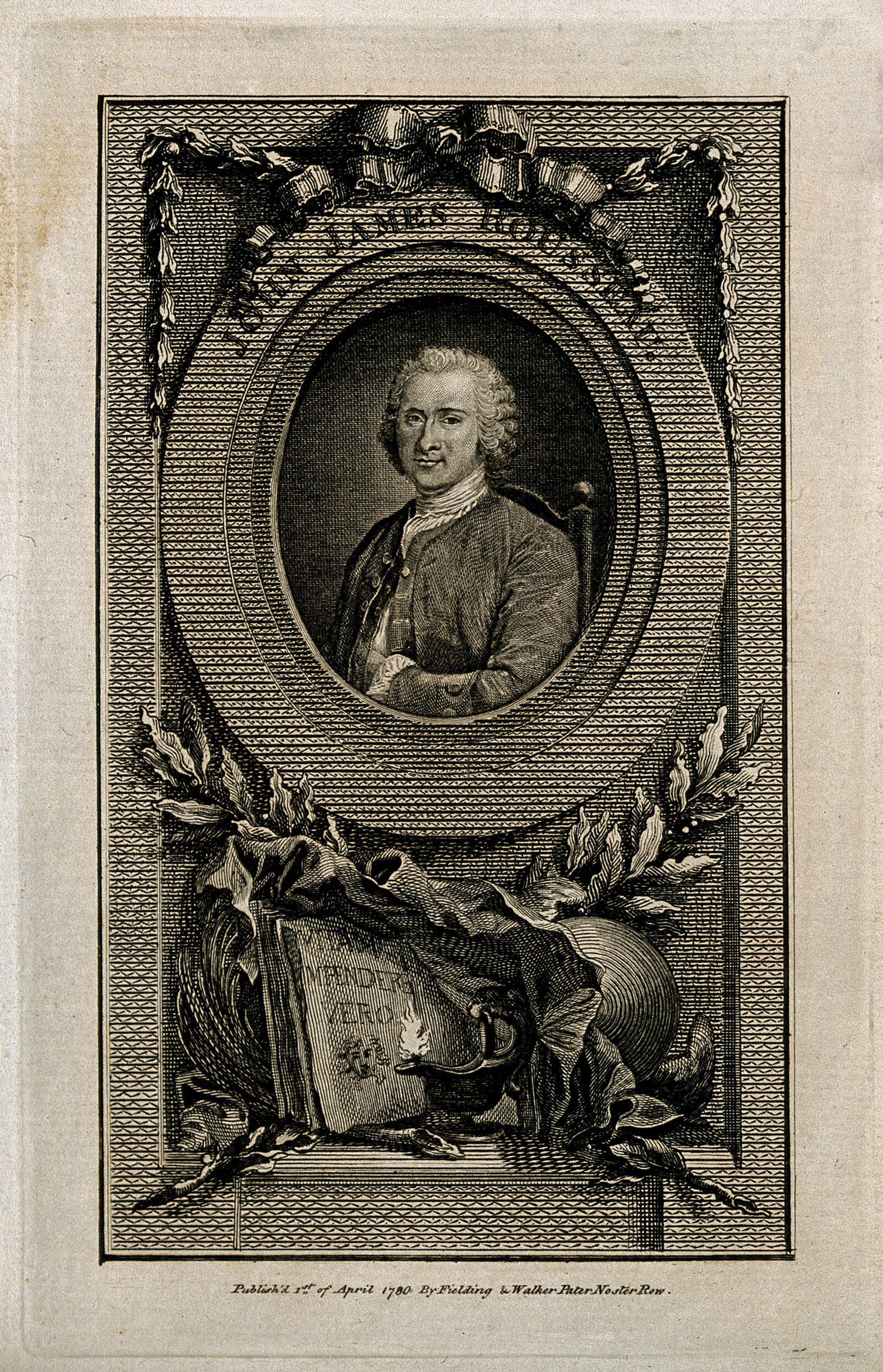
Engraving of Rousseau after La Tour's Portrait
E. Ficquet, after Maurice Quentin de La Tour · 1780
 Book
Primary source
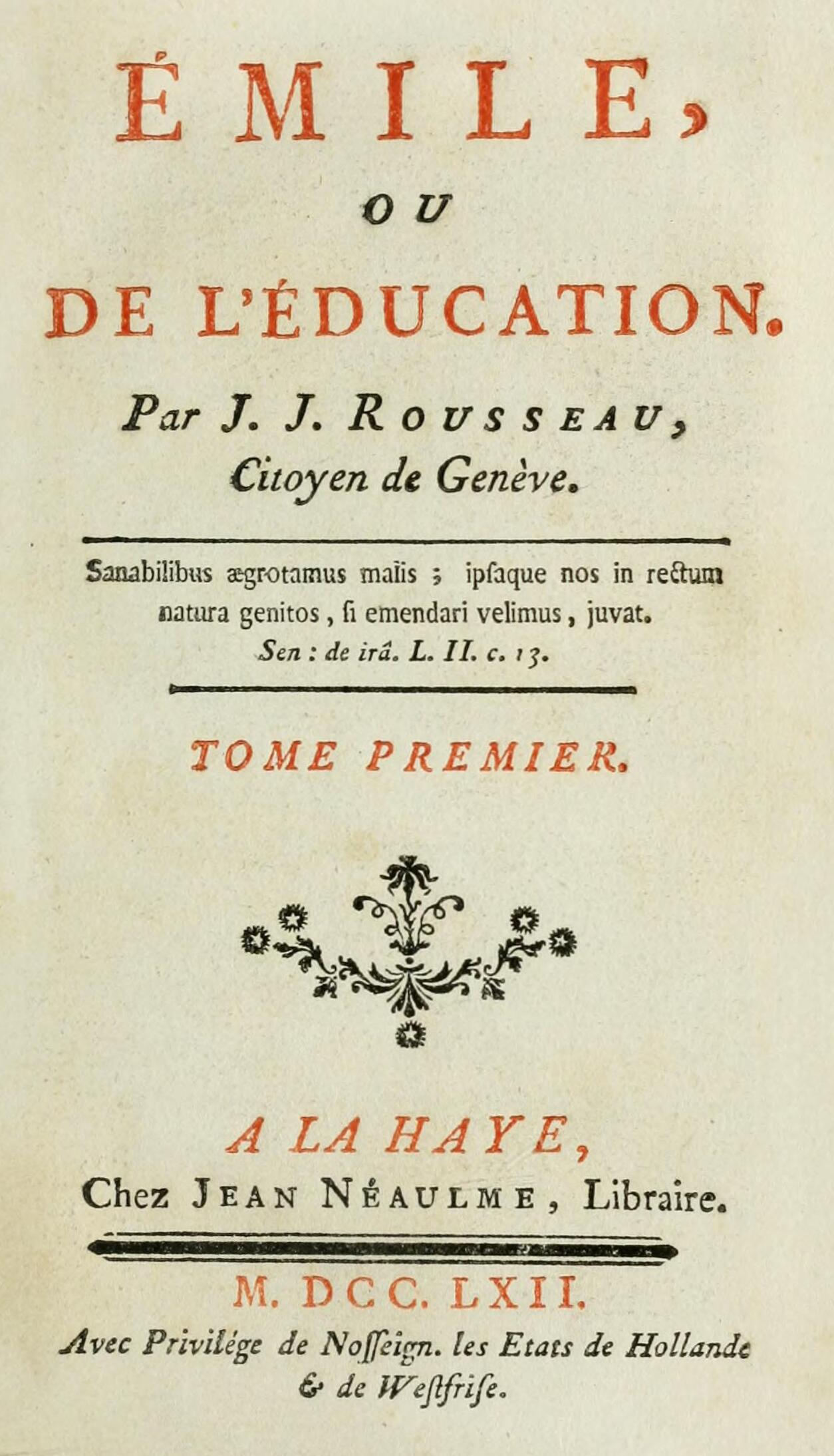
Emile, or On Education
Jean-Jacques Rousseau · 1762
Ready when you are
Start chatting with Jean-Jacques Rousseau now.
20 messages free · No credit card · Available in 50+ languages.