


Secondary sourceArtifact
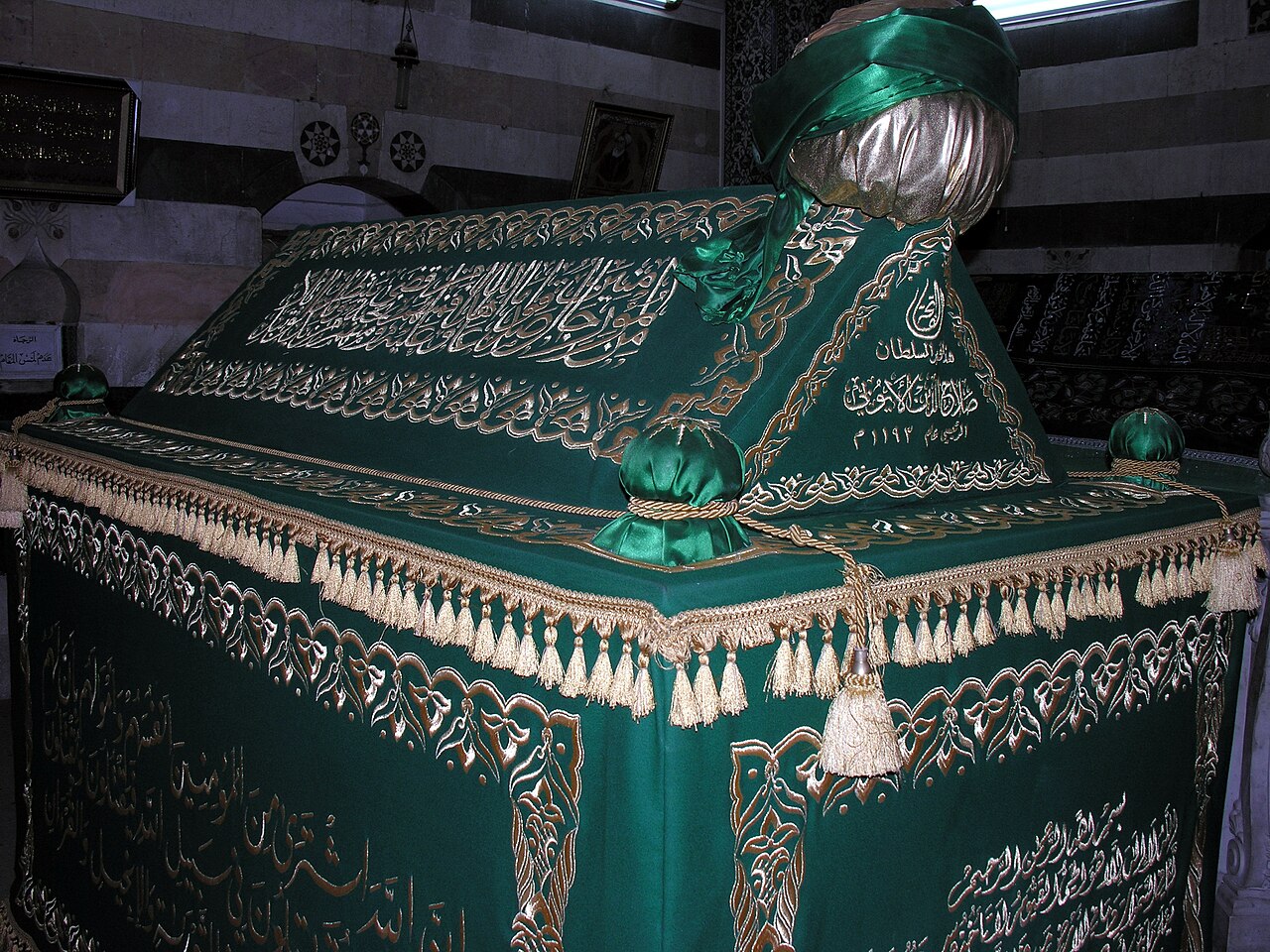
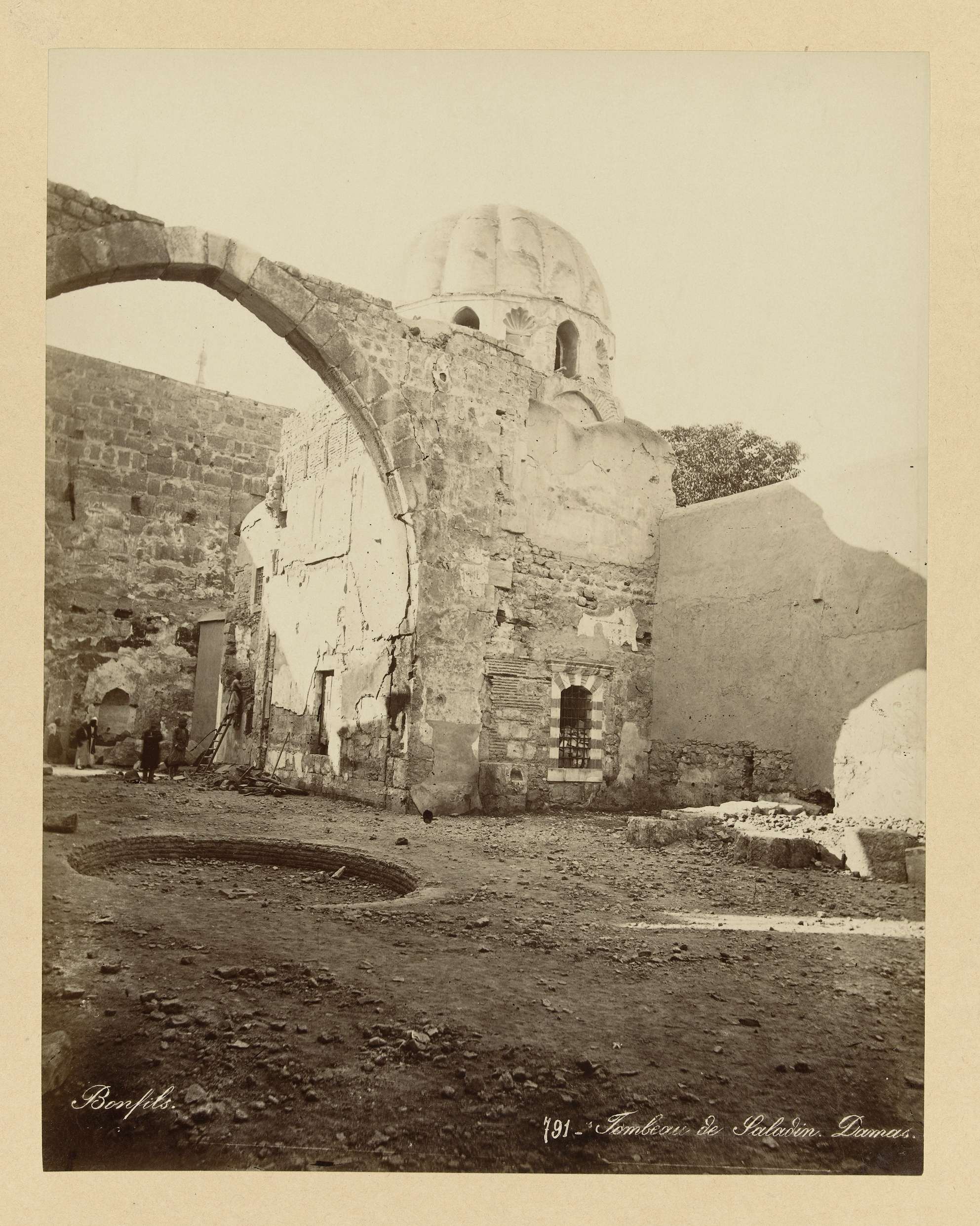
Grave of Saladin
Saladin's mausoleum in Damascus, built soon after his death, containing his original wooden cenotaph and a later marble one given by Kaiser Wilhelm II.
This is Saladin's own tomb, built soon after his death and still honoured with later additions.
About this source
What it is
This is the tomb of Saladin, located beside the Umayyad Mosque in Damascus. It was built soon after his death and holds both his original wooden cenotaph and a marble cenotaph added in 1898 as a gift from the German Kaiser Wilhelm II.
Why it matters
The mausoleum shows how Saladin continued to be honoured long after his death, both by the Muslim world and, centuries later, by European leaders seeking to associate themselves with his reputation. The presence of two cenotaphs from very different periods makes the tomb itself a record of how his memory was used over time.
Look closer
- Why might a European ruler centuries later want to give a marble cenotaph to Saladin's tomb?
- What does the decoration of the tomb suggest about the status given to Saladin after his death?
- Why do rulers' graves often attract later additions and gifts from people who never knew them?
This artifact is part of the curated material that grounds the AI version of Saladin on Humy.ai — when students ask about related events, the AI can quote it and cite it.
More Saladin sources
Meet the AI Saladin →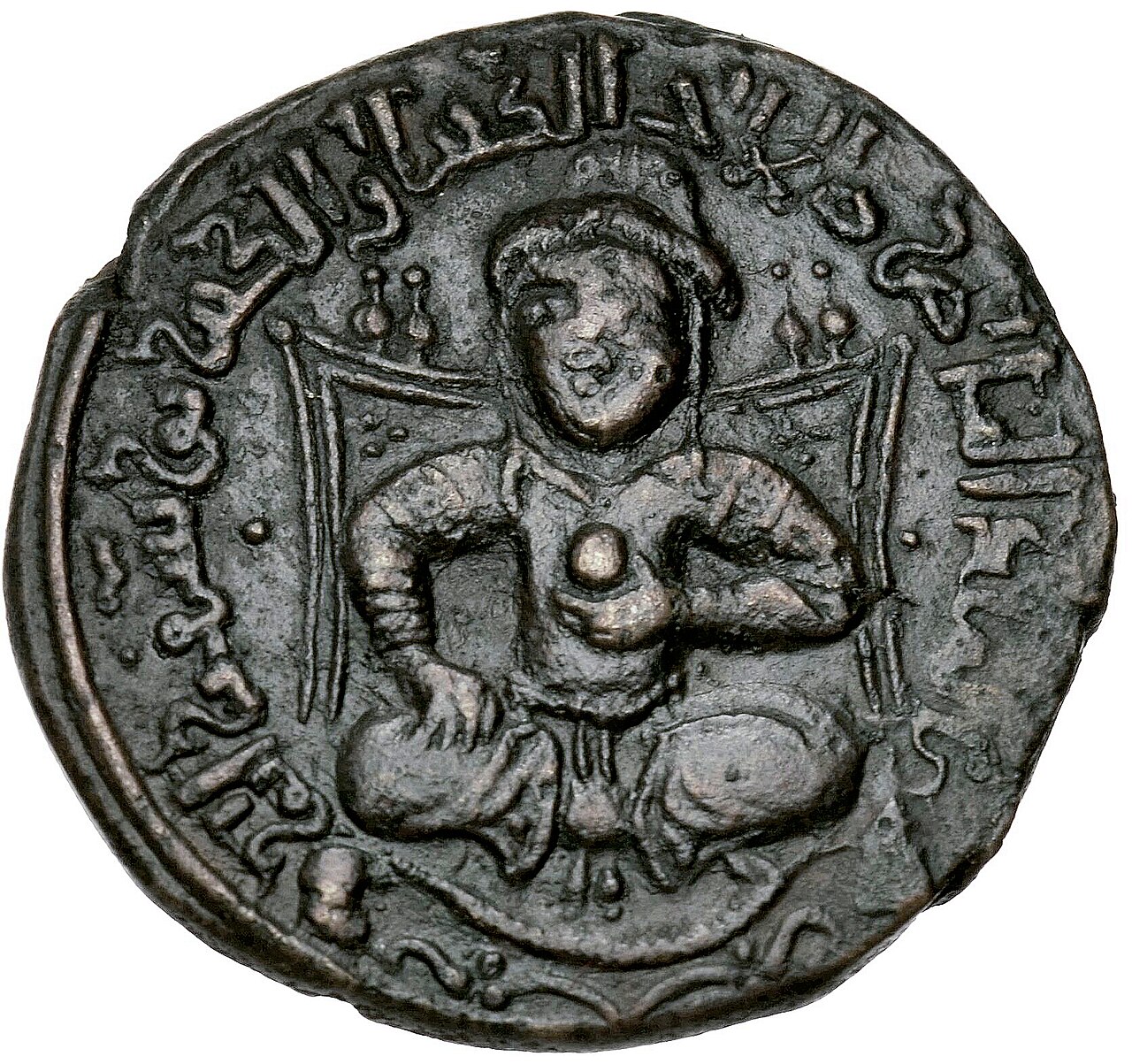 Artifact
Primary source
Dirham of Saladin
AH 586 (AD 1190-91)
 Painting
Secondary source
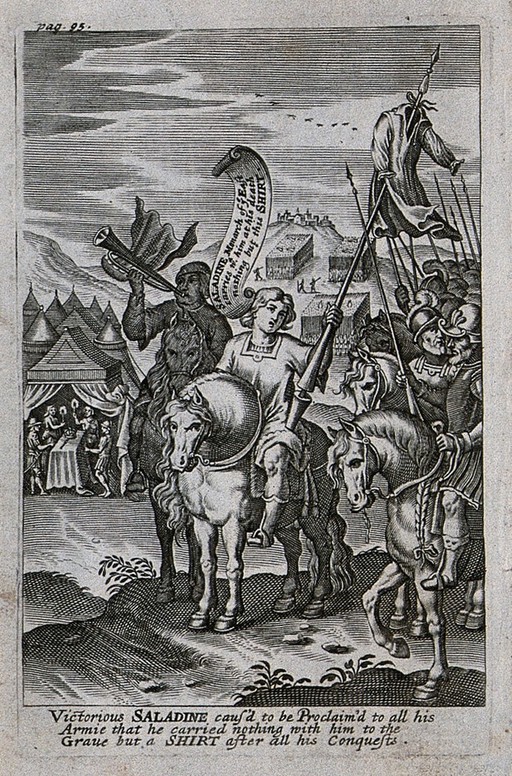
Saladin Proclaims He Will Take Only a Shirt to His Grave
John Payne · 1639
 Artifact
Primary source
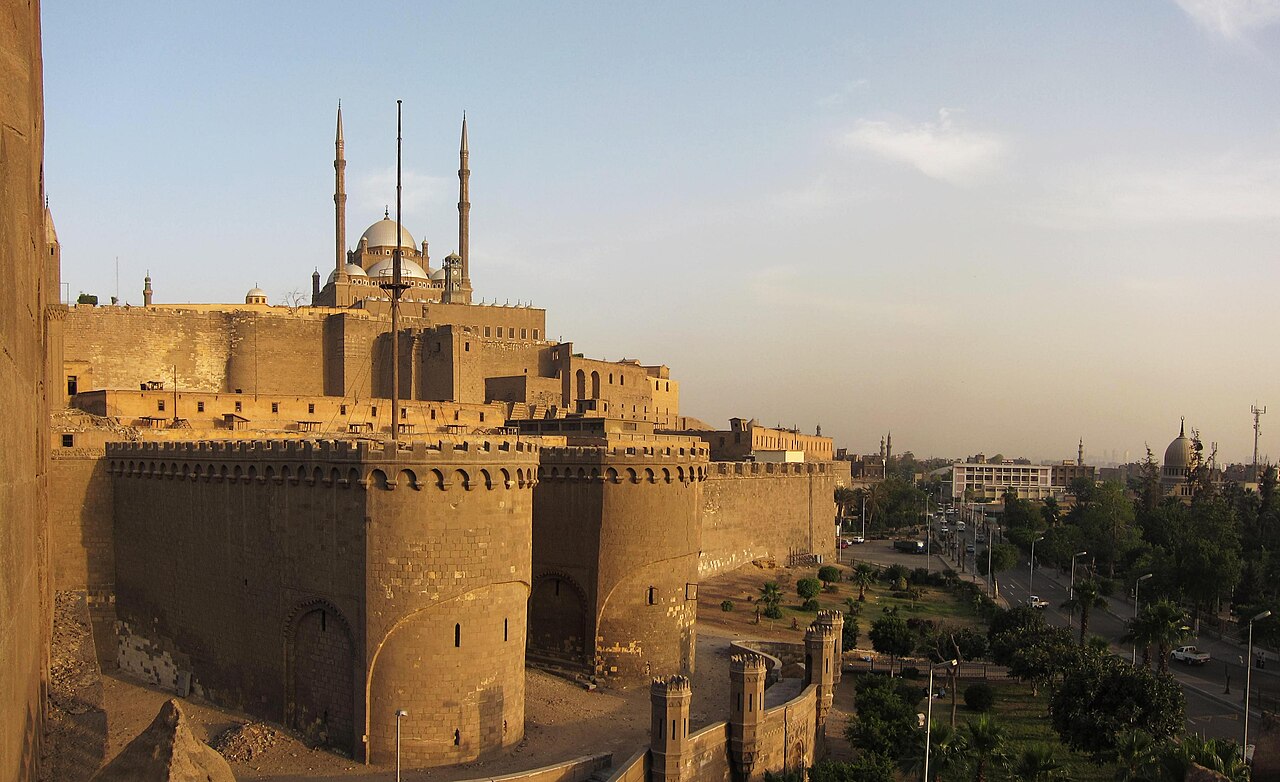
Cairo Citadel
Saladin · begun 1176
 Photograph
Secondary source
Tomb of Saladin, Damascus
 Painting
Secondary source
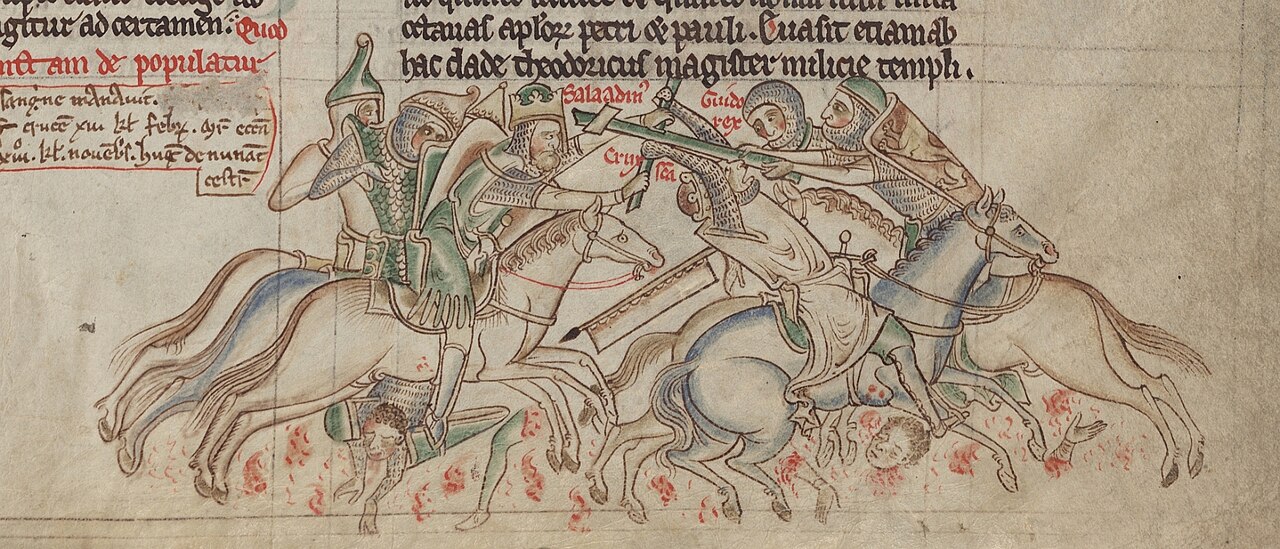
Saladin Seizing the True Cross from Guy of Lusignan
Matthew Paris
Ready when you are
Start chatting with Saladin now.
20 messages free · No credit card · Available in 50+ languages.