


Primary sourceArtifactc. 1290-1224 BCE
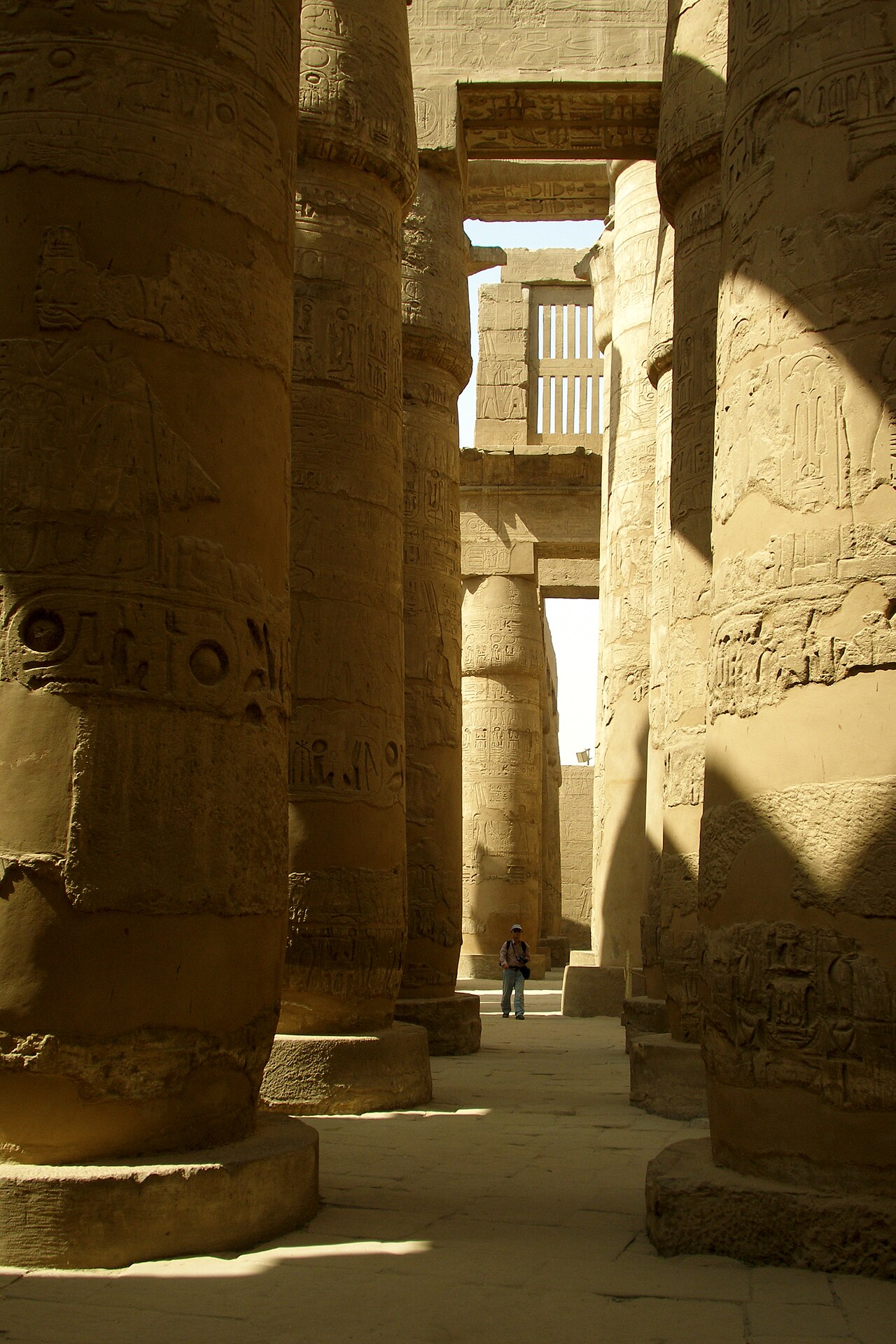
Great Hypostyle Hall
Seti I; Ramesses II · c. 1290-1224 BCE
A vast columned hall at the Karnak temple of Amun-Re, decorated with battle scenes and a copy of Ramesses II's peace treaty with the Hittites.
Ramesses II completed and decorated this hall's southern wing, carving his battle reliefs and treaty copy into its walls.
About this source
What it is
The Great Hypostyle Hall is part of the Precinct of Amun-Re at Karnak. It was begun by Seti I, who decorated its northern wing, and completed and decorated on the southern wing and the great central columns by his son Ramesses II. It still stands at Karnak, Luxor, Egypt.
Why it matters
The hall's huge papyrus-shaped columns and carved walls served religious and political purposes at once. Ramesses II's south wall carries his battle reliefs and a copy of his peace treaty with the Hittites, turning sacred stone into a record of his victories and diplomacy for anyone who entered the temple.
Look closer
- Why might a pharaoh choose a temple wall, rather than a private document, to record a treaty?
- What differences in carving style might show which pharaoh added which section?
- What is left out of this public record of events?
This artifact is part of the curated material that grounds the AI version of Ramses II (Ramses the Great) on Humy.ai — when students ask about related events, the AI can quote it and cite it.
More Ramses II (Ramses the Great) sources
Meet the AI Ramses II (Ramses the Great) →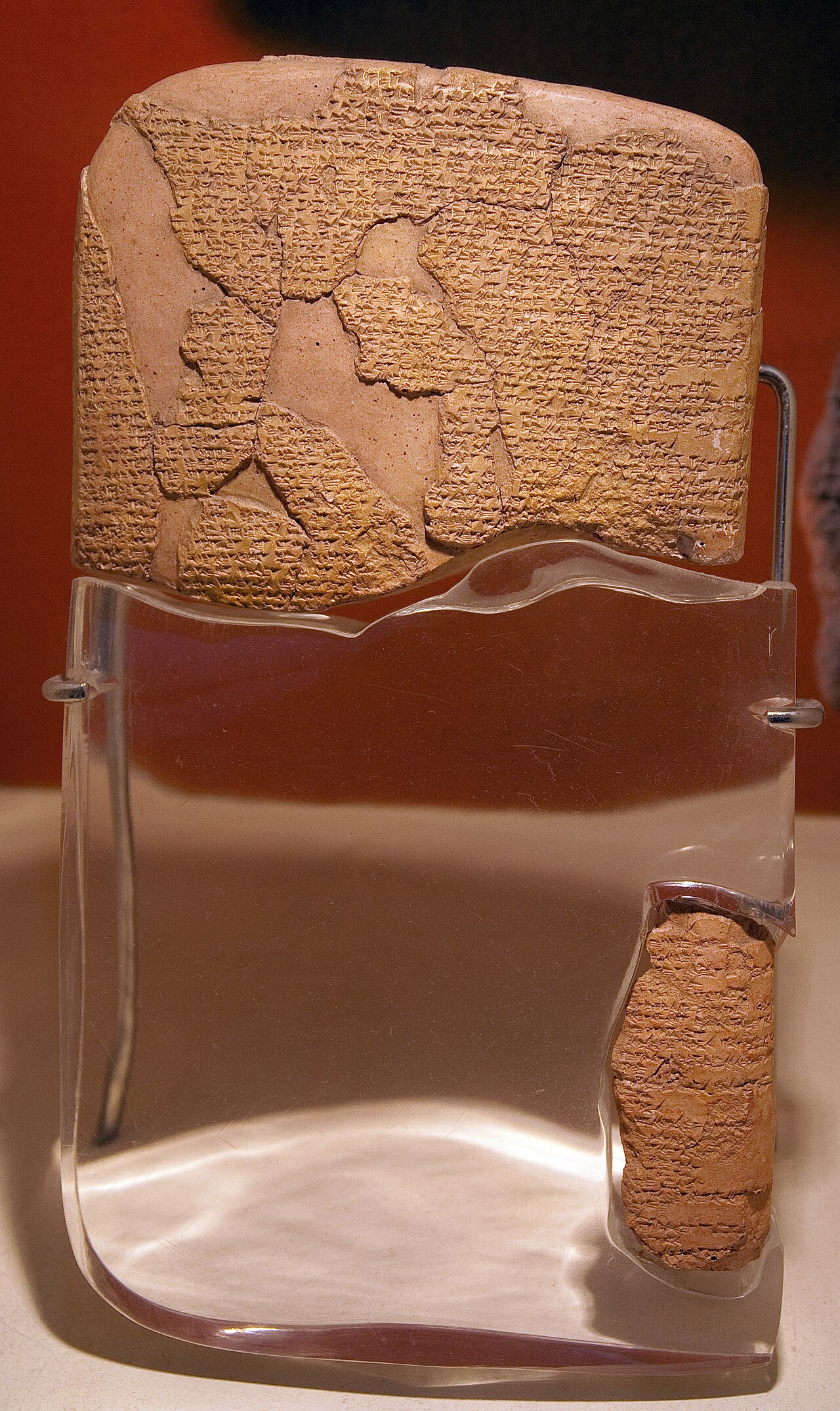 Document
Primary source
Egyptian–Hittite Peace Treaty
c. 1258 BCE
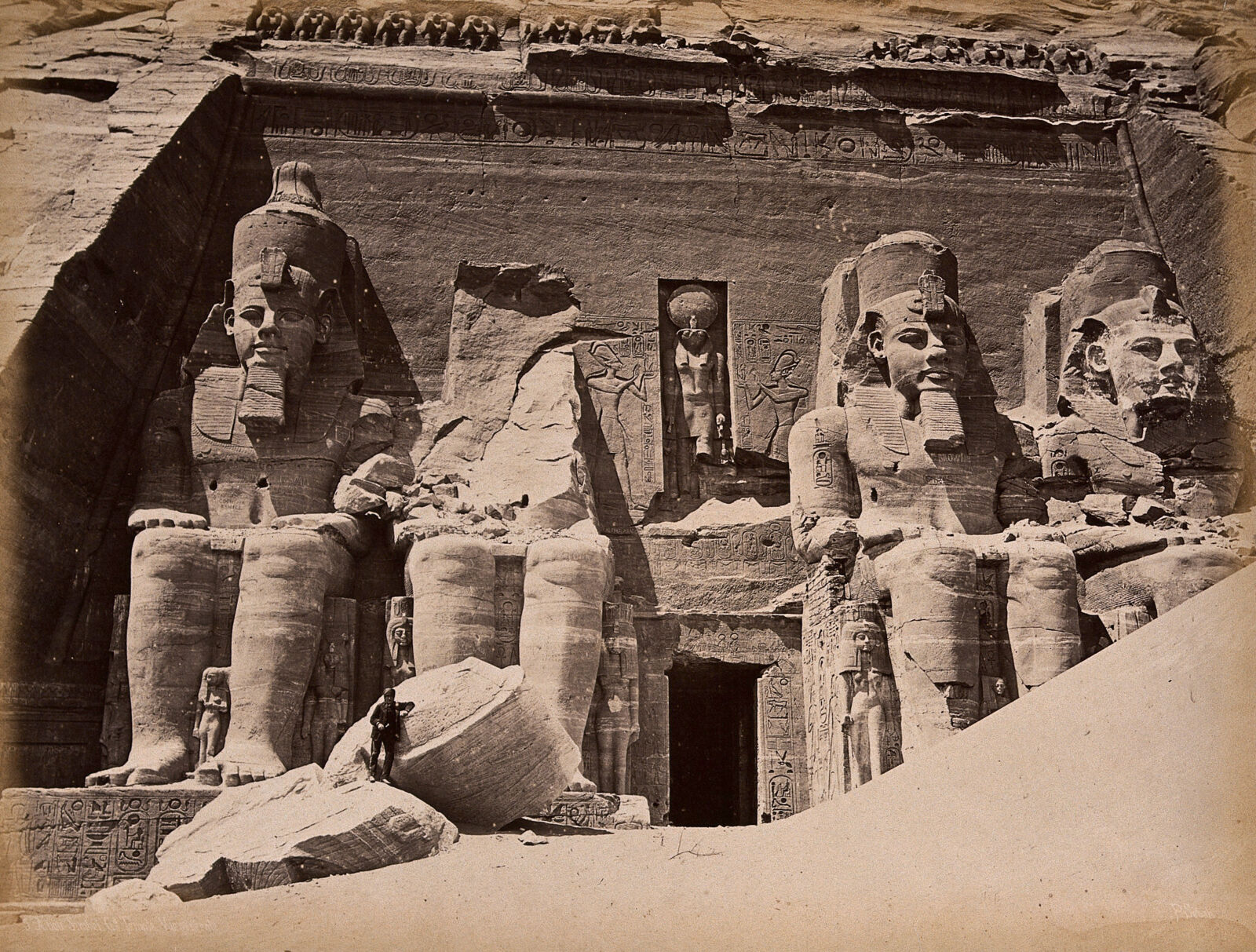 Photograph
Secondary source
Abu Simbel Temple Colossi
Pascal Sébah · 1875
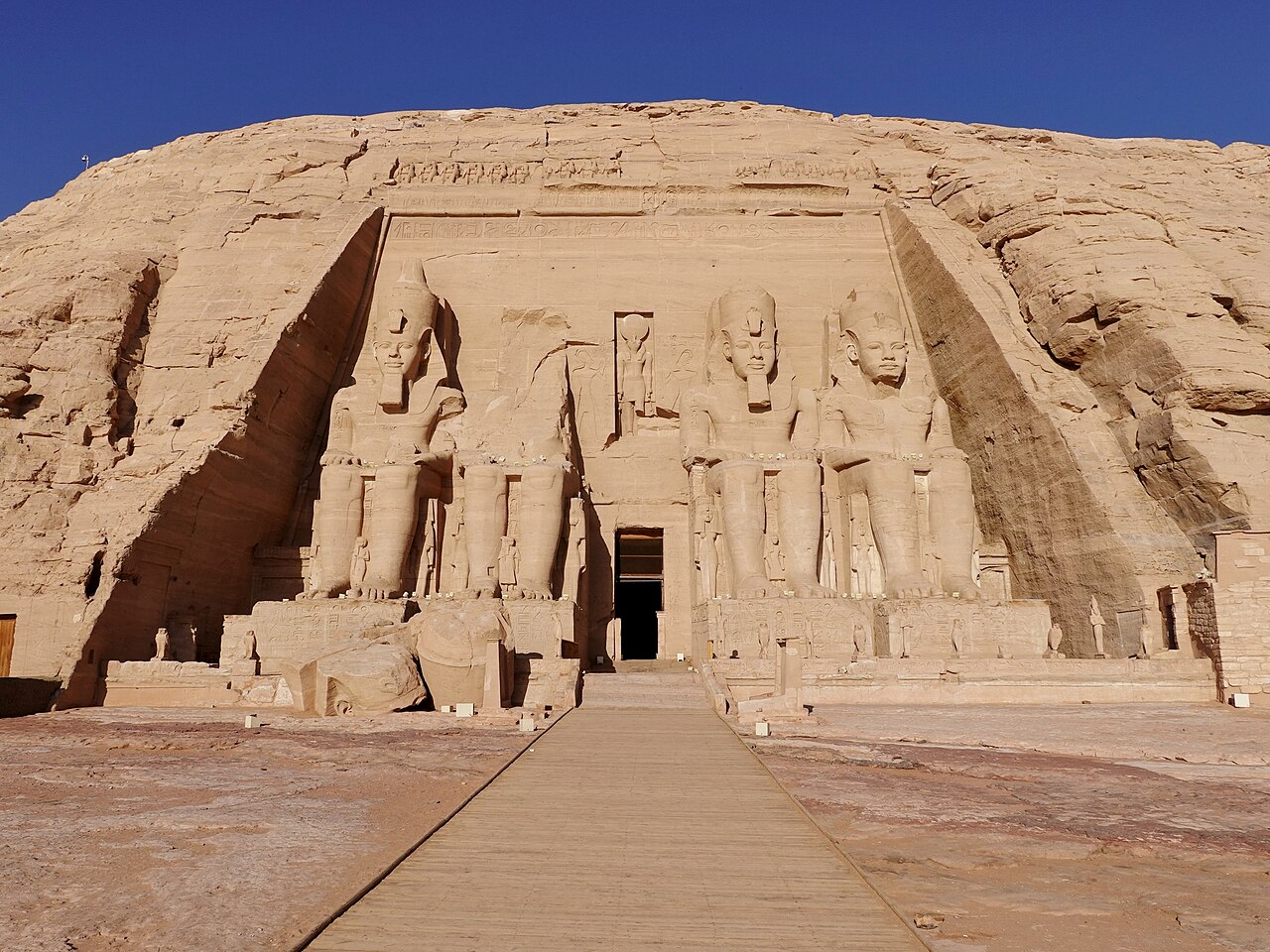 Artifact
Primary source
Abu Simbel
Ramesses II · c. 1273 BCE
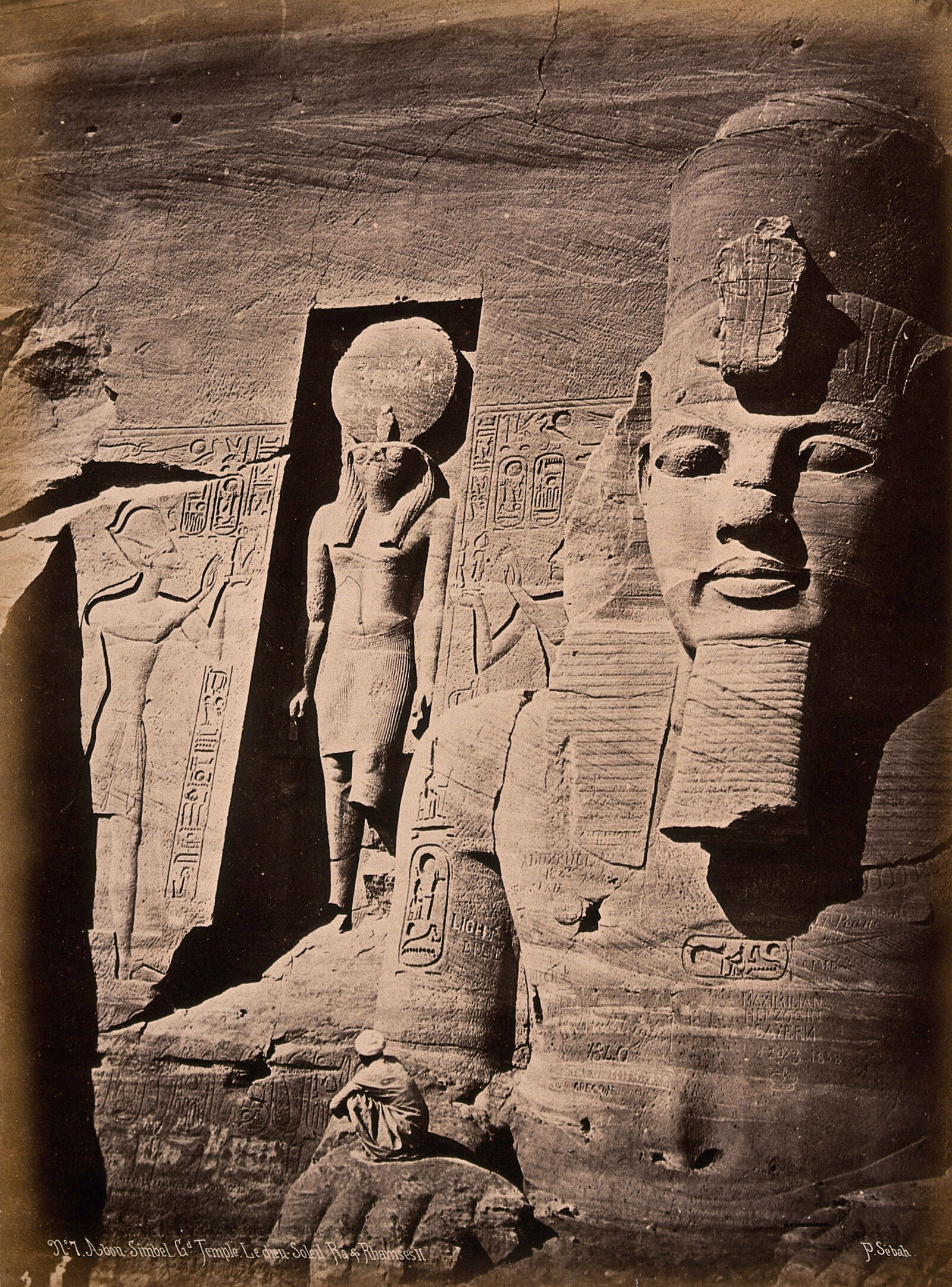 Photograph
Secondary source
Facade Detail of Abu Simbel Showing Ramesses II and Ra
Pascal Sébah · 1875
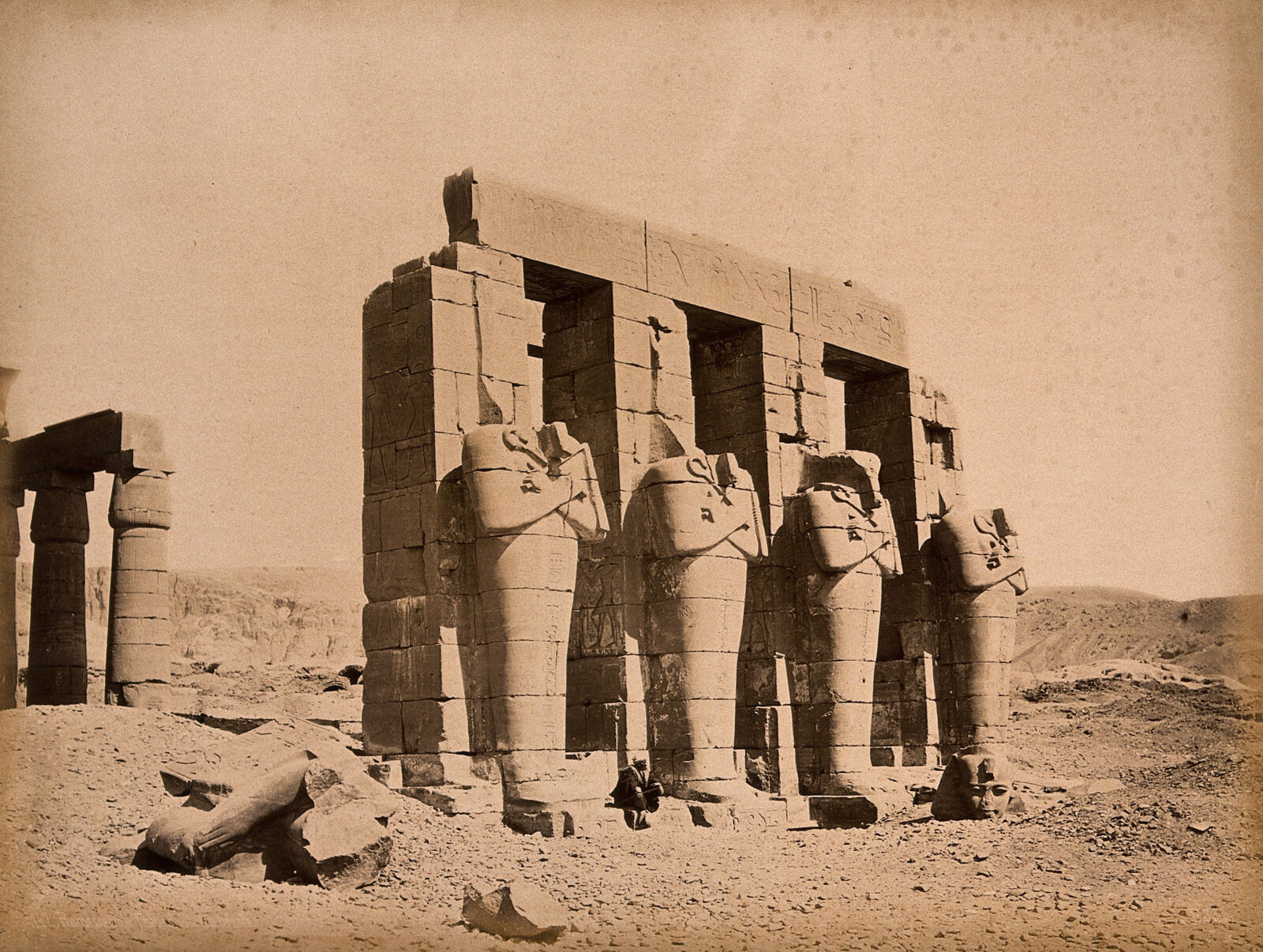 Photograph
Secondary source
Ramesseum Colossi in Ruins
Pascal Sébah · c. 1875
Ready when you are
Start chatting with Ramses II (Ramses the Great) now.
20 messages free · No credit card · Available in 50+ languages.