


Secondary sourceBookCompiled after Confucius's death, later canonized during the Song dynasty
Great Learning
Confucius and Zengzi · Compiled after Confucius's death, later canonized during the Song dynasty
A short Confucian classic laying out a chain from self-cultivation to the ordering of family and state, attributed to Confucius and his disciple Zengzi.
This text is attributed to Confucius's teachings, transcribed and expanded by his disciple Zengzi.
About this source
What it is
The Great Learning (Dàxué) is a short Chinese text originally a chapter of the Book of Rites. Tradition attributes its core teaching to Confucius, transcribed by his disciple Zengzi, with ten commentary chapters credited to Zengzi himself. It later became one of the "Four Books" selected by the scholar Zhu Xi as a foundation of Confucianism.
Why it matters
For centuries this text, alongside the other Four Books, shaped Chinese education and the state examinations that chose government officials. It shows how Confucius's ideas about moral self-improvement were preserved, reorganised and reinterpreted by later thinkers like Zhu Xi, long after his death.
- What steps does the text say must happen before a person can order a family or a state?
- Why might later scholars like Zhu Xi want to rearrange or add commentary to an old text?
- What does it mean that the ideas are attributed to Confucius but written down by someone else?
This book is part of the curated material that grounds the AI version of Confucius on Humy.ai — when students ask about related events, the AI can quote it and cite it.
More Confucius sources
Meet the AI Confucius →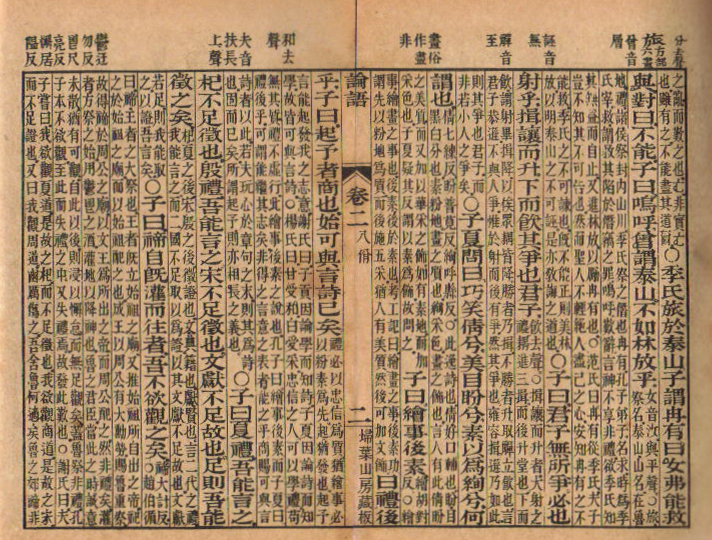 Book
Secondary source
Analects
c. 480 BCE – 2nd century BCE
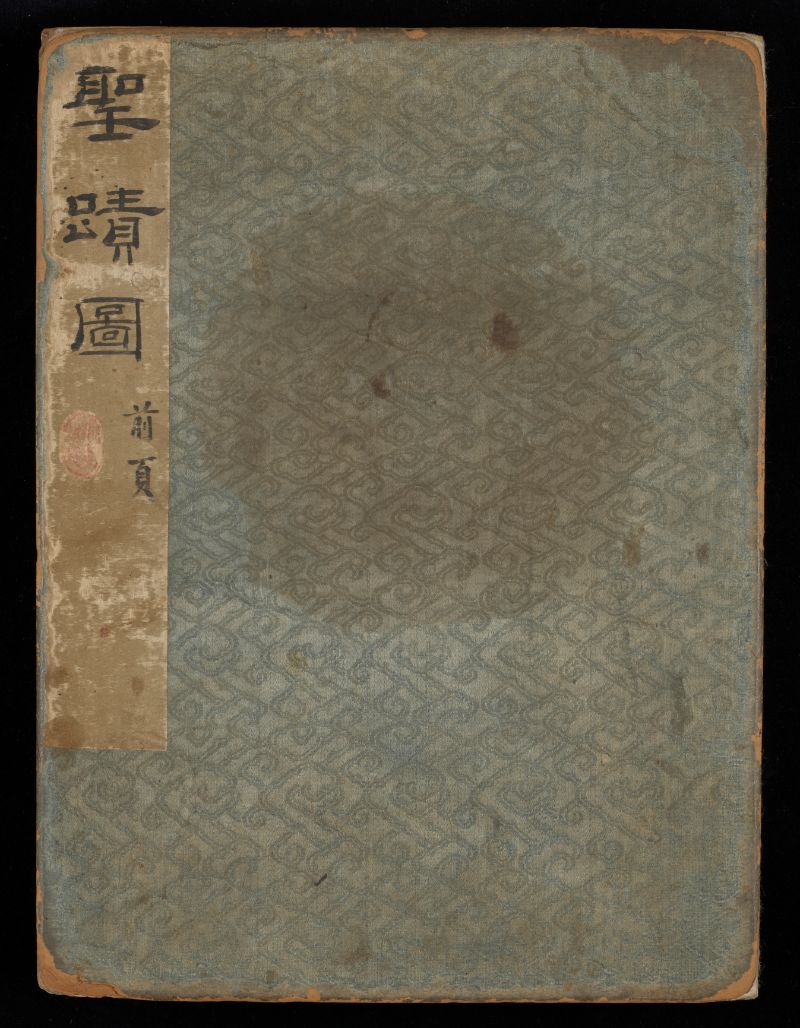 Book
Secondary source
Pictures of the Sage's Traces
Unknown · 1758
Secondary source
Records of the Grand Historian, Vol. 47: Hereditary House of Confucius
Sima Qian · c. 94 BCE
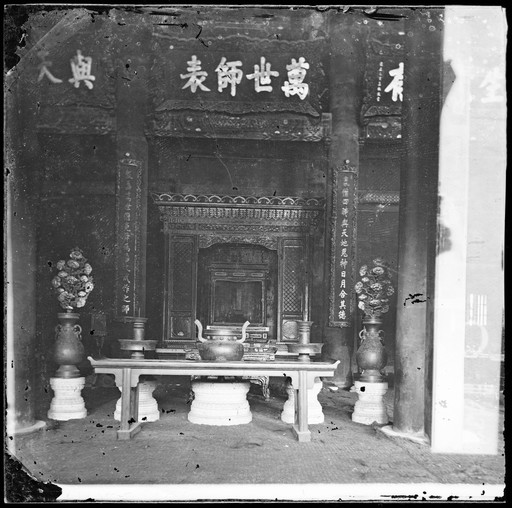 Photograph
Primary source
Temple of Confucius, Peking (Interior)
John Thomson · 1871
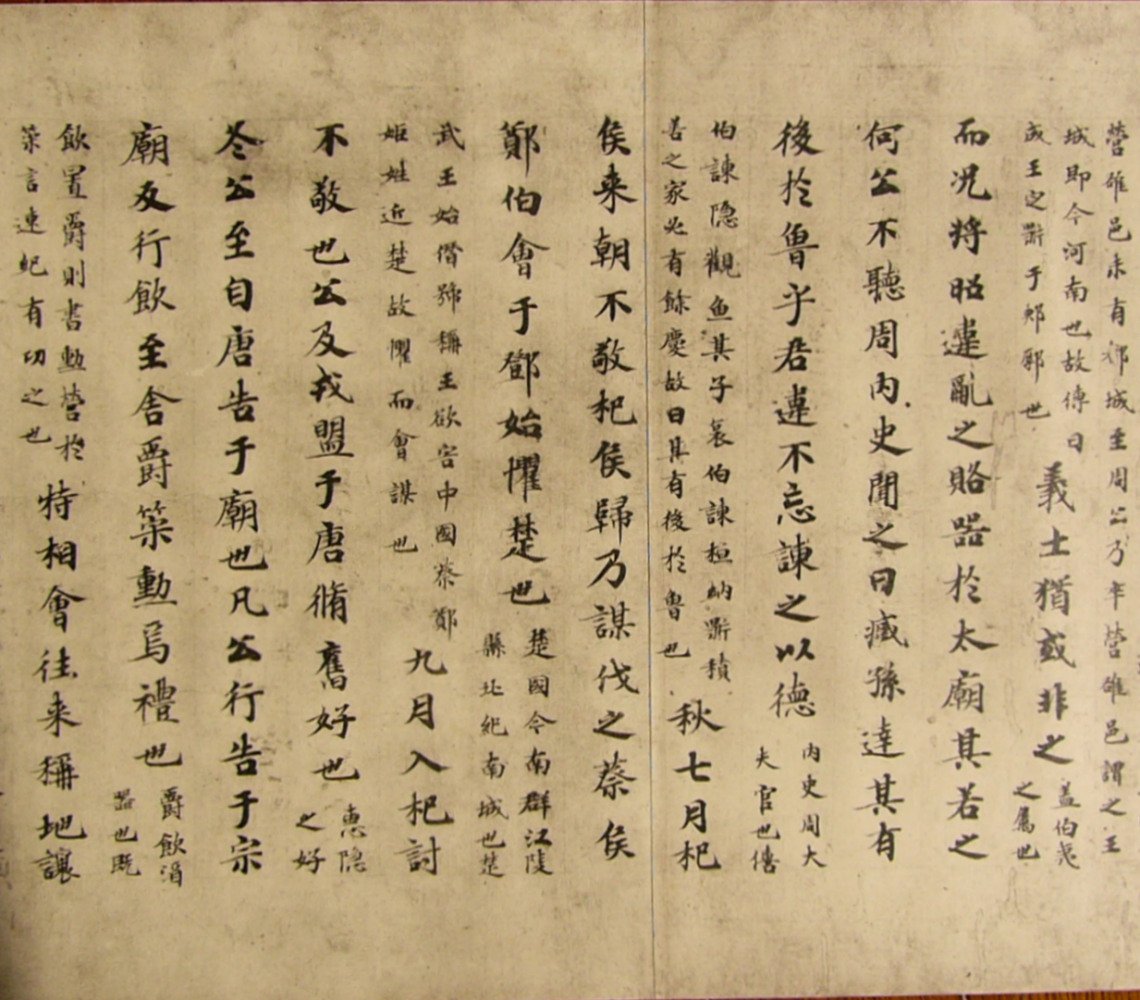 Document
Secondary source
Spring and Autumn Annals
Confucius · 5th century BCE
Ready when you are
Start chatting with Confucius now.
20 messages free · No credit card · Available in 50+ languages.