


Primary sourceArtifact1100–1135
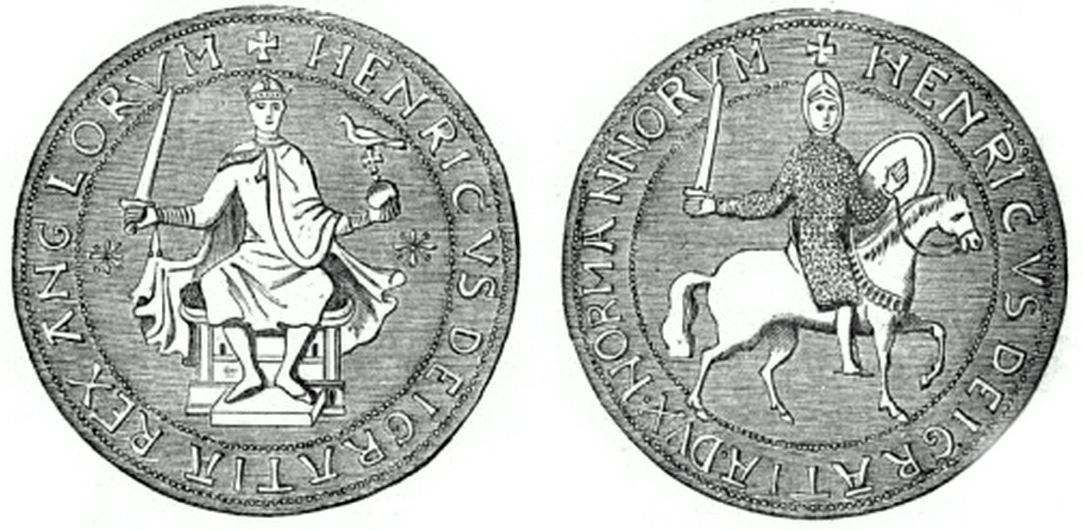
Great Seal of Henry I
Royal chancery of Henry I · 1100–1135
Wax seal impressions showing Henry I enthroned as king on one side and as a mounted warrior on the other, used to authenticate his official documents.
This seal was Henry I's own official device, stamped onto documents to show his authority as king.
About this source
What it is
This is the Great Seal used by Henry I's royal chancery between 1100 and 1135 to authenticate official documents. Surviving wax impressions are held at The National Archives and the British Library.
Why it matters
Royal seals were how medieval kings put their authority onto documents, since few people could verify a signature. The two sides of Henry's seal — an enthroned, crowned king and an armed horseman — show the two images he wanted to project: lawful ruler and warrior-protector.
Look closer
- Why would a king want to show two different images of himself on one seal?
- What does the choice of symbols (crown, throne, horse, weapons) tell you about what medieval rulers thought was important?
- How is a seal different from a modern signature, and why did it matter so much then?
This artifact is part of the curated material that grounds the AI version of Henry I on Humy.ai — when students ask about related events, the AI can quote it and cite it.
More Henry I sources
Browse all 72 →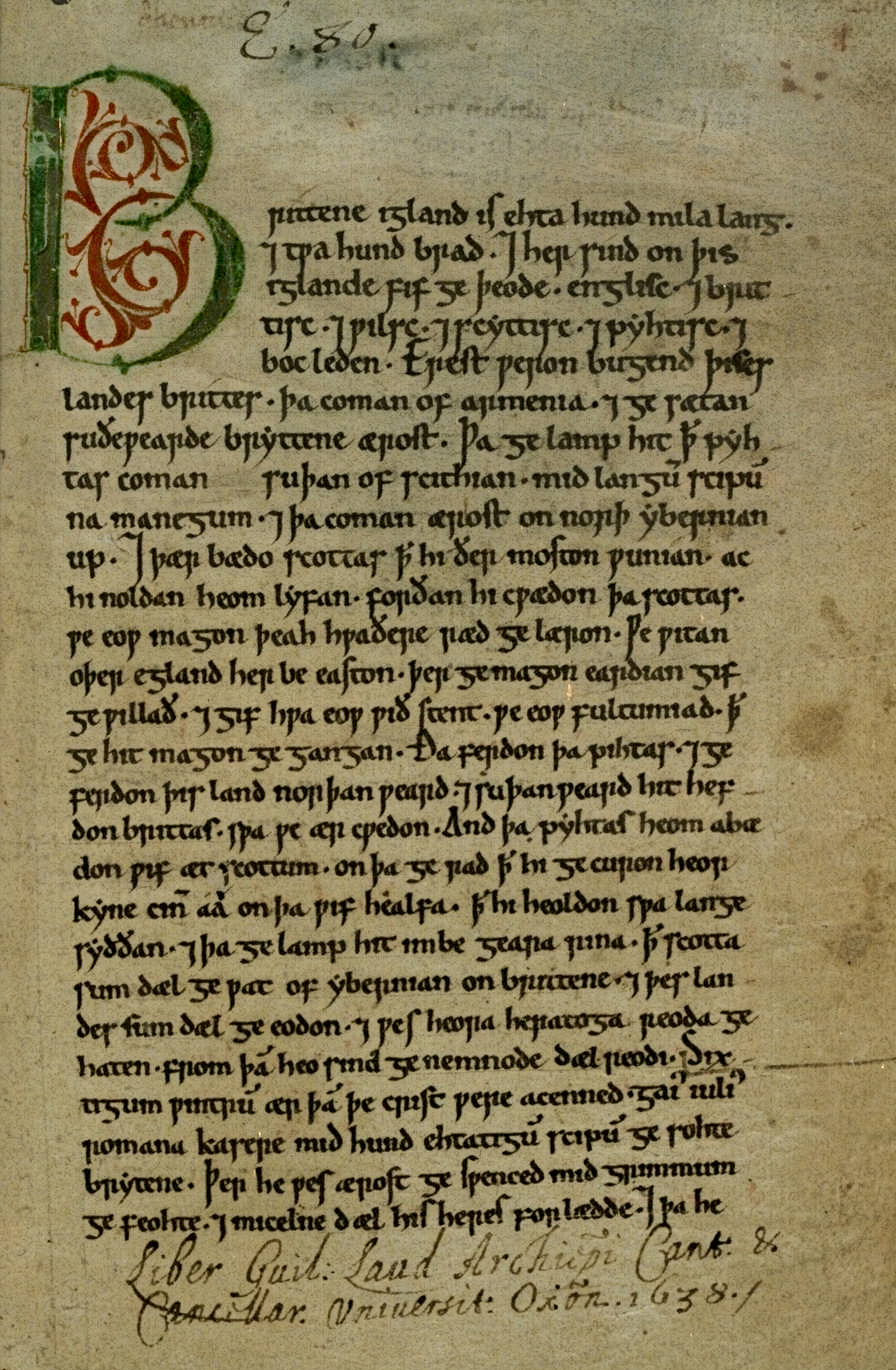 Book
Primary source
Peterborough Chronicle
c. 1130
 Book
Primary source
Ecclesiastical History
Orderic Vitalis · 12th century
 Document
Secondary source
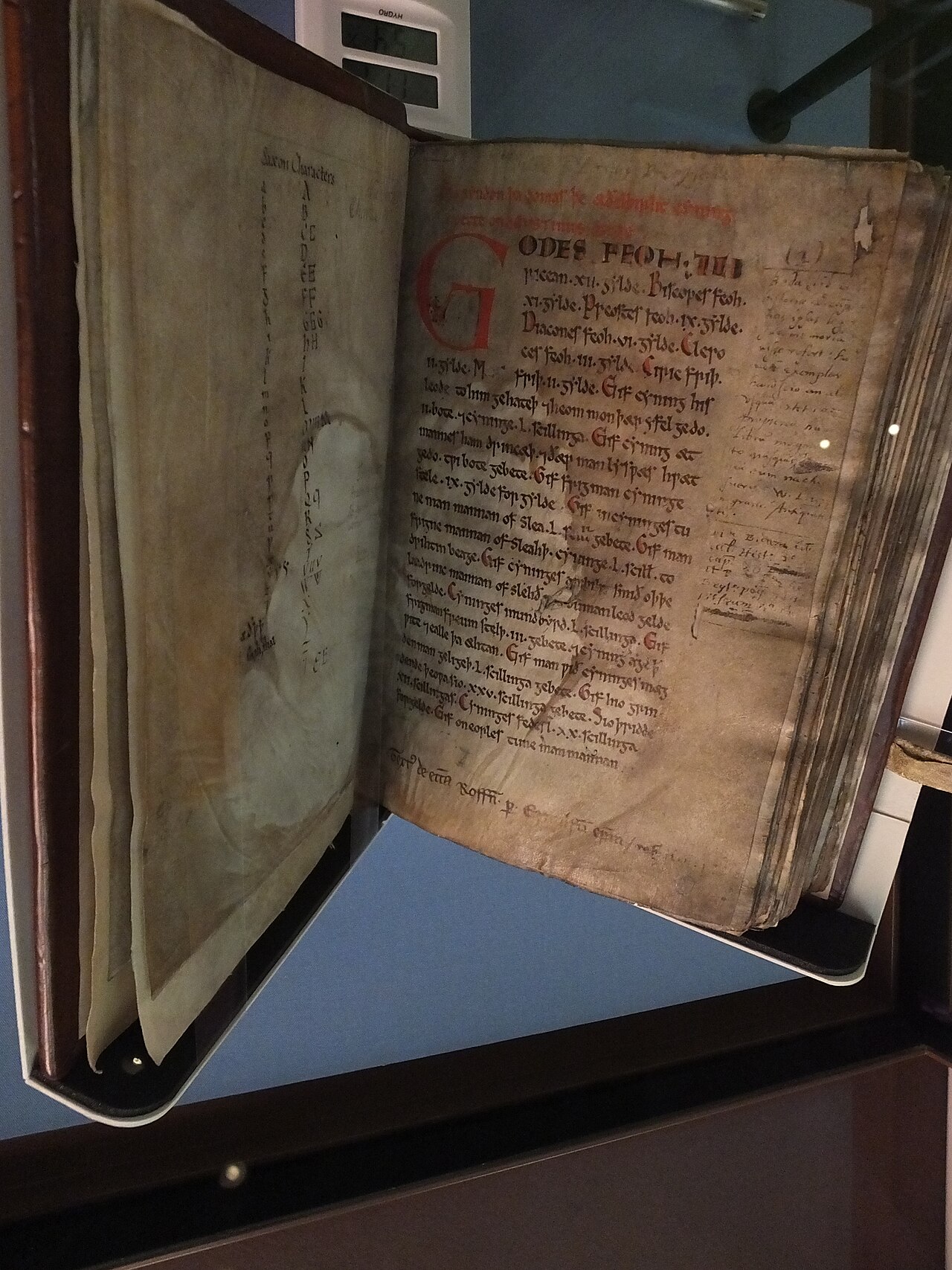
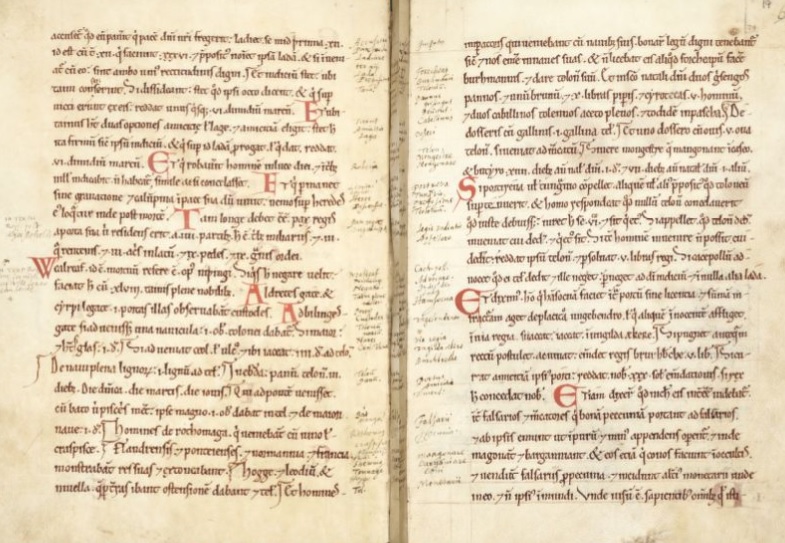
Textus Roffensis
c. 1300 (this copy; text 1122-1124)
 Artifact
Primary source
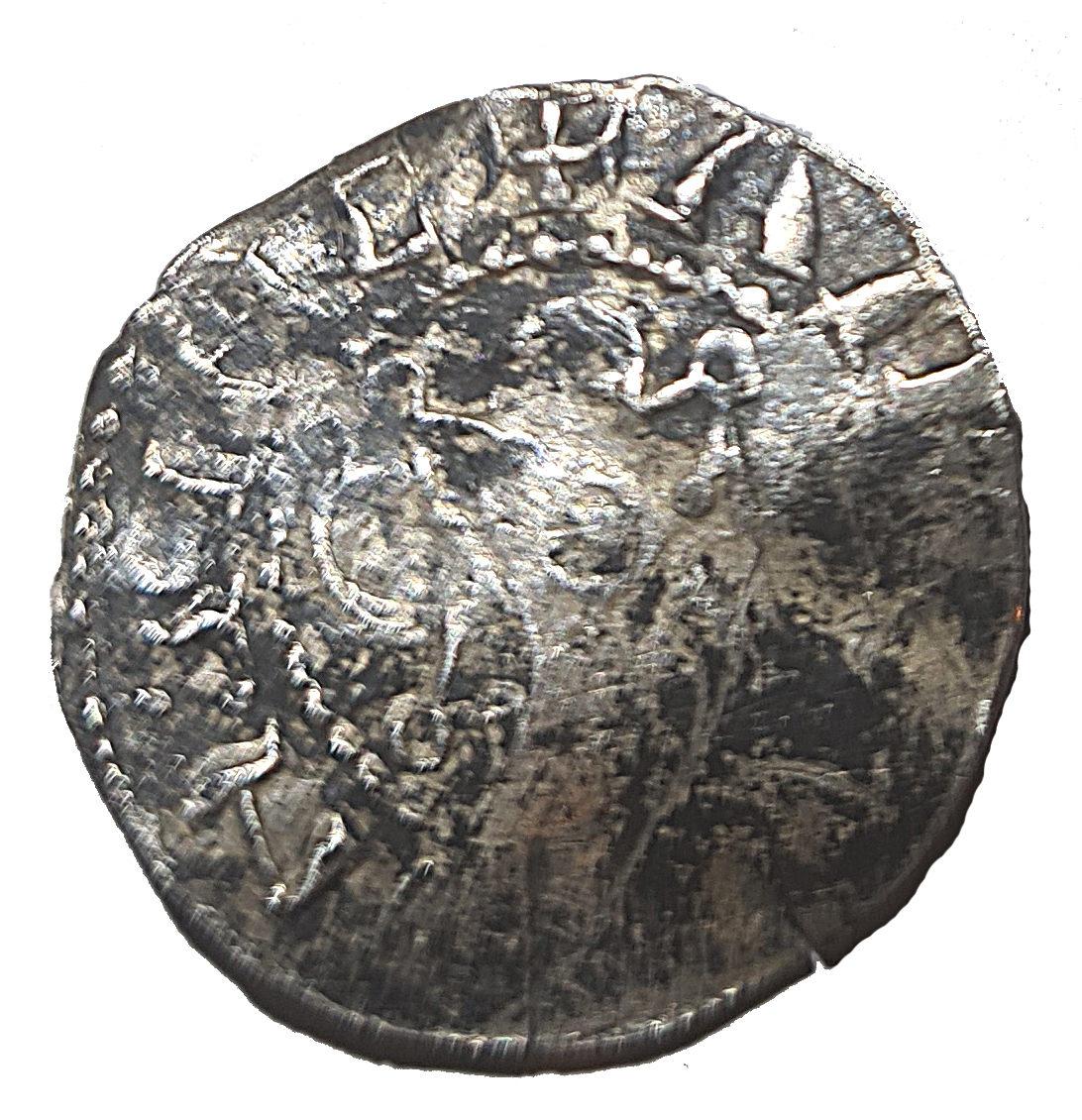
Silver Penny of Henry I
Royal mints of Henry I · c. 1111-1113

Free account
Read every Henry I source
Sign up free →
Ready when you are
Start chatting with Henry I now.
20 messages free · No credit card · Available in 50+ languages.