


Primary sourceArtifactc. 1111-1113
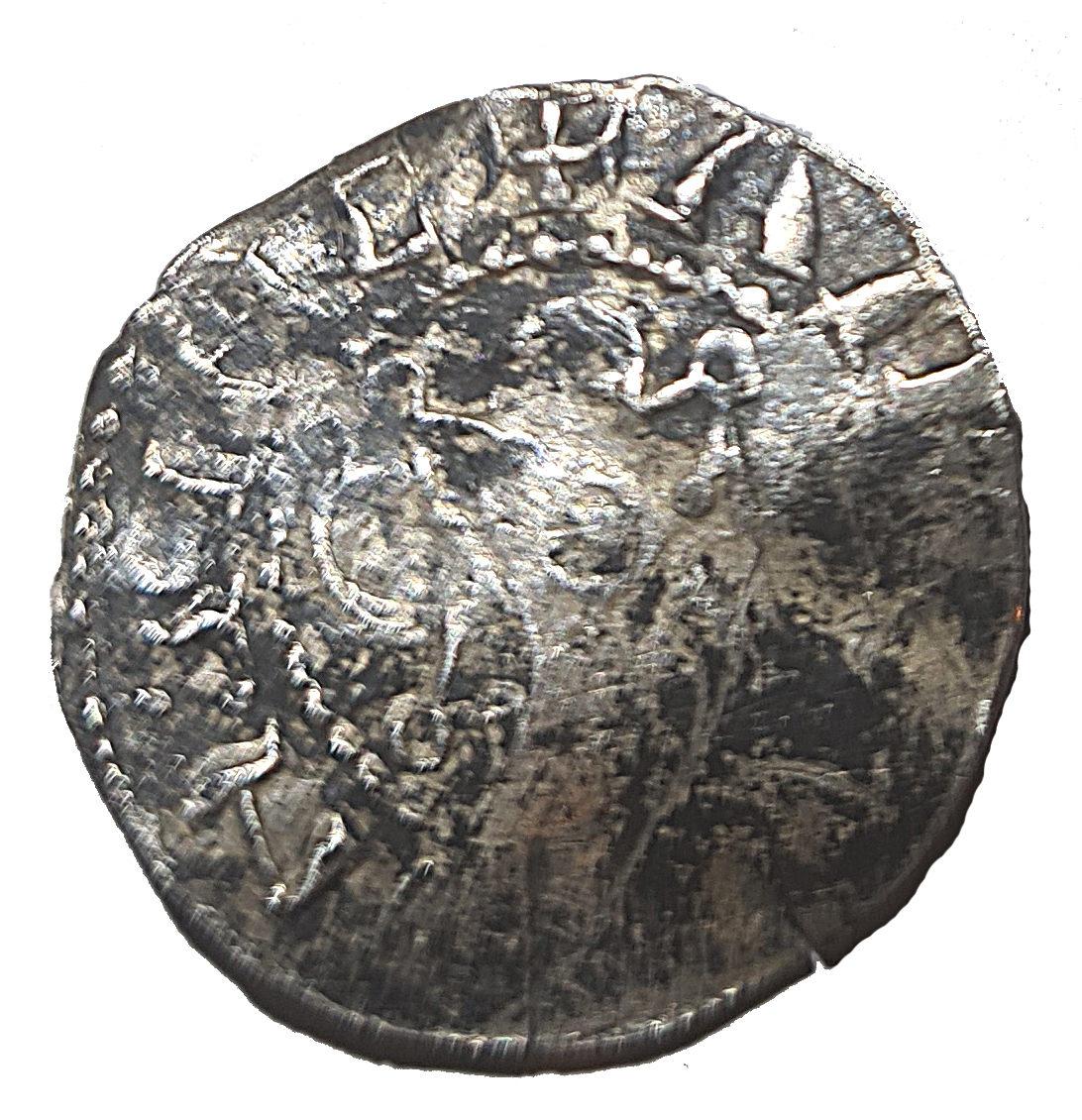
Silver Penny of Henry I
Royal mints of Henry I · c. 1111-1113
A silver penny struck at Henry I's royal mint in Winchester, showing his crowned image and reflecting his control over England's currency.
This coin was struck under Henry I's authority and bears his image, showing his direct control of England's money supply.
Free Humy account · No credit card · 120,912 sources to read
About this source
What it is
This is a silver penny minted during the reign of King Henry I of England, between 1100 and 1135. It was struck at Winchester by a moneyer named Alfwine or Ailwine. One side shows Henry's crowned, facing bust with his name; the other has a decorative cross pattern. It is held today by museums including the British Museum and the Fitzwilliam Museum.
Why it matters
Coins like this were the main form of royal propaganda and economic control in medieval England. Henry I took the quality of his coinage seriously: in 1124 he learned that soldiers had been paid in debased silver pennies, and he launched a harsh crackdown on corrupt moneyers. This coin reveals how closely kingship was tied to trust in money.
Look closer
- What does the design on the coin tell you about how Henry wanted to be seen?
- Why might a king care so much about the purity of silver coins?
- What does punishing moneyers tell you about royal power in this period?
This artifact is part of the curated material that grounds the AI version of Henry I on Humy.ai — when students ask about related events, the AI can quote it and cite it.
More Henry I sources
Browse all 72 →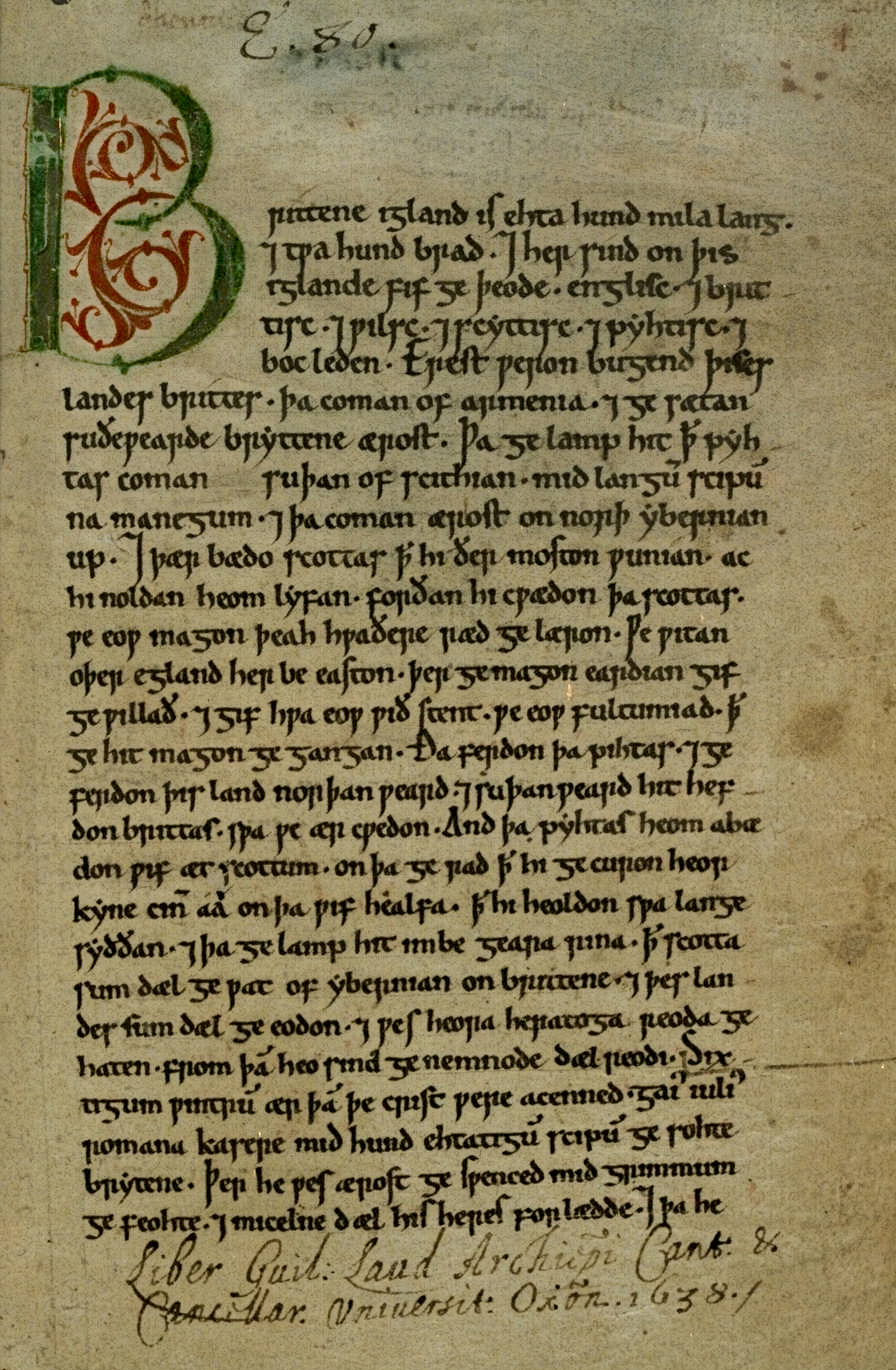 Book
Primary source
Peterborough Chronicle
c. 1130
 Artifact
Primary source
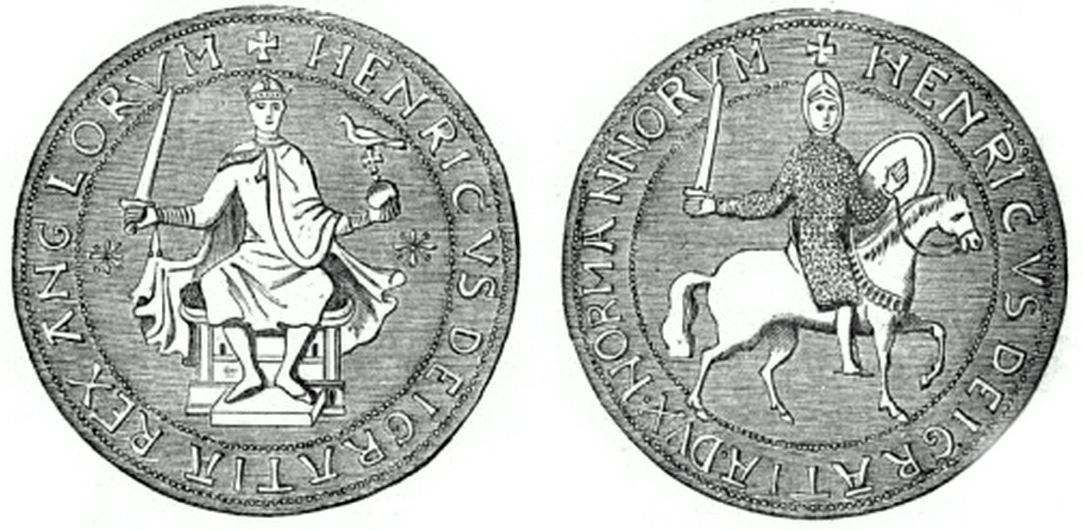
Great Seal of Henry I
Royal chancery of Henry I · 1100–1135
 Book
Primary source
Ecclesiastical History
Orderic Vitalis · 12th century
 Document
Secondary source
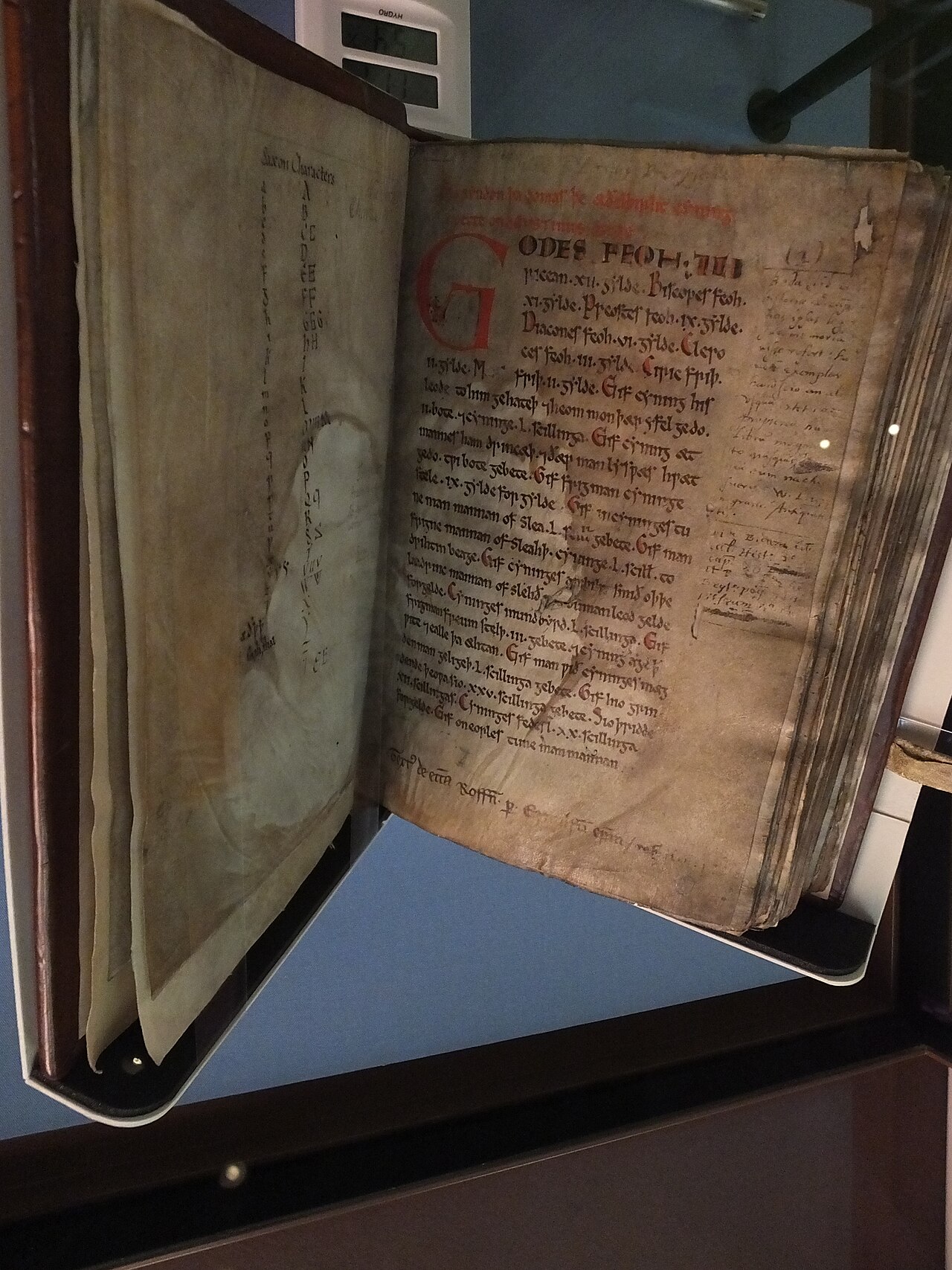
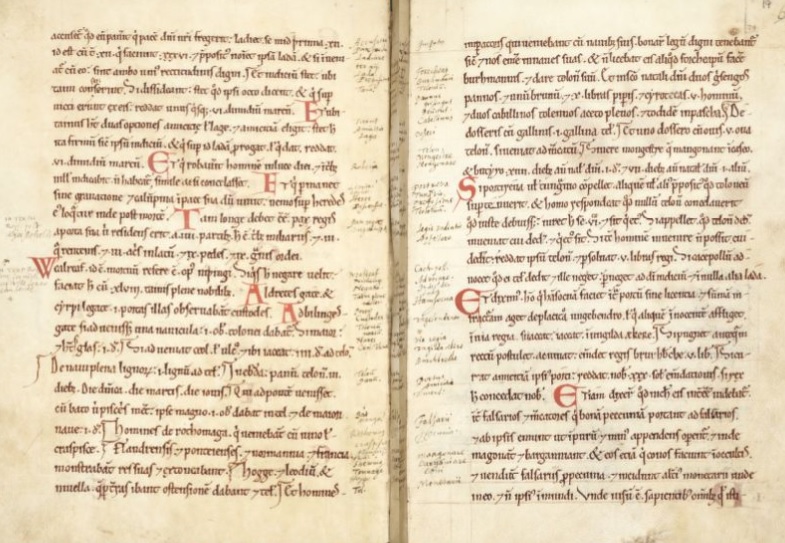
Textus Roffensis
c. 1300 (this copy; text 1122-1124)


Free account
Read every Henry I source
Sign up free →
Ready when you are
Start chatting with Henry I now.
20 messages free · No credit card · Available in 50+ languages.