


Secondary sourceBook
Guliang Zhuan
Guliang Chi
An ancient commentary on the Spring and Autumn Annals that interprets Confucius's wording as moral and ritual judgments.
This ancient commentary interprets the Spring and Autumn Annals as carrying Confucius's deliberate moral judgments.
About this source
What it is
The Guliang Zhuan is one of the Three Commentaries on the Spring and Autumn Annals, a chronicle traditionally linked to Confucius. It is attributed to a writer named Guliang in the tradition of the disciple Zixia, though its exact authorship and date are uncertain. It likely reached its final form by the Han dynasty.
Why it matters
Written as question-and-answer explanations, the commentary treats the Annals' wording as carrying hidden moral and political judgments, supposedly chosen deliberately by Confucius. It is an important source for understanding how Confucian scholars developed and debated his legacy from the Warring States period through the Han dynasty.
Look closer
- Why might later scholars believe that small differences in wording carried deep moral meaning?
- What does the question-and-answer style suggest about how this text was meant to be studied?
- How does this source differ from a text written directly by Confucius himself?
This book is part of the curated material that grounds the AI version of Confucius on Humy.ai — when students ask about related events, the AI can quote it and cite it.
More Confucius sources
Meet the AI Confucius →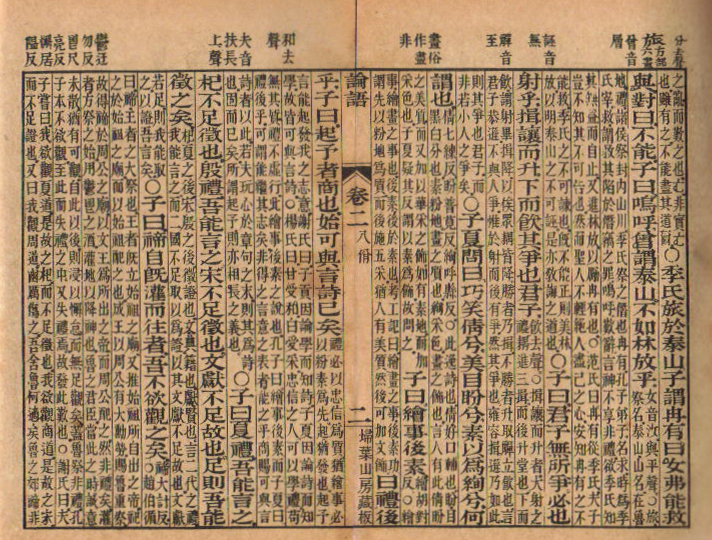 Book
Secondary source
Analects
c. 480 BCE – 2nd century BCE
 Book
Secondary source
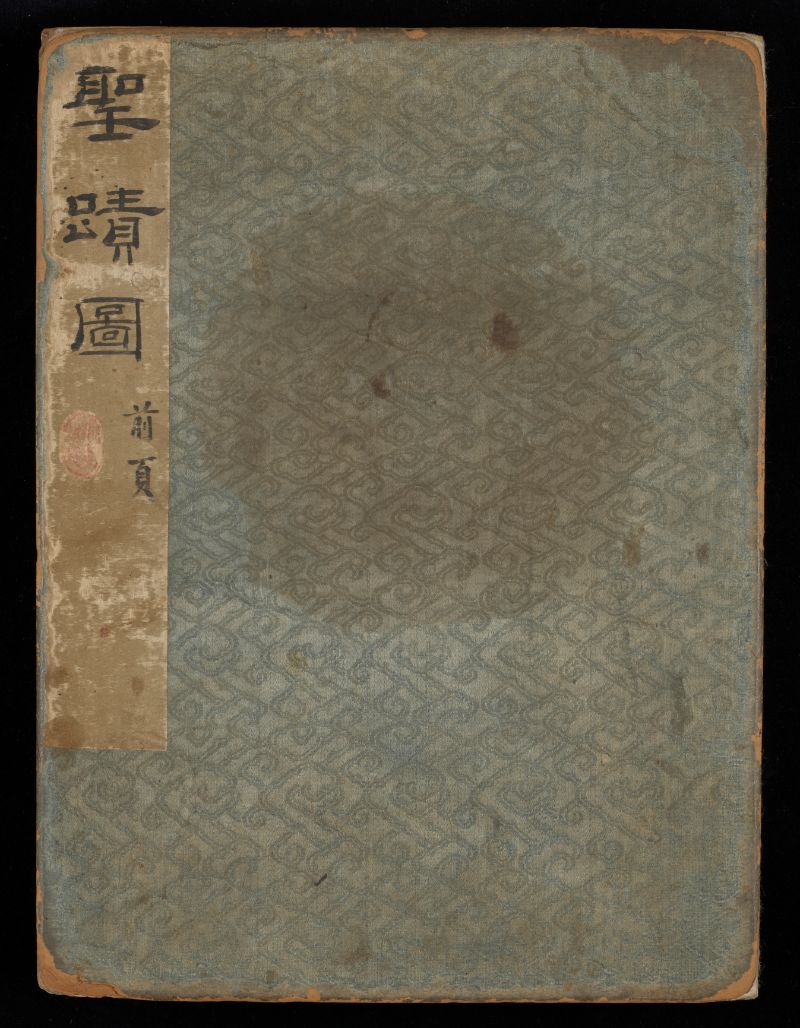
Pictures of the Sage's Traces
Unknown · 1758
Secondary source
Records of the Grand Historian, Vol. 47: Hereditary House of Confucius
Sima Qian · c. 94 BCE
 Photograph
Primary source
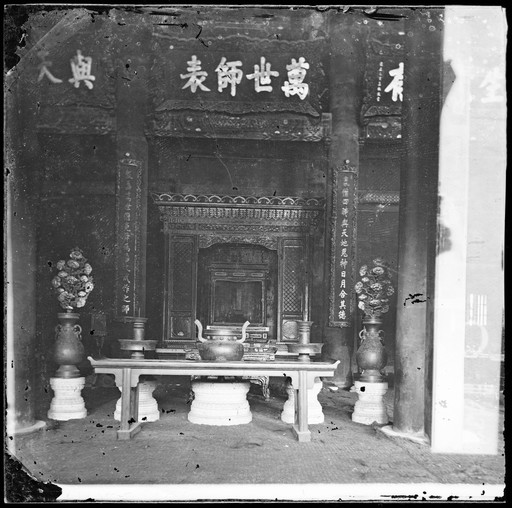
Temple of Confucius, Peking (Interior)
John Thomson · 1871
 Document
Secondary source
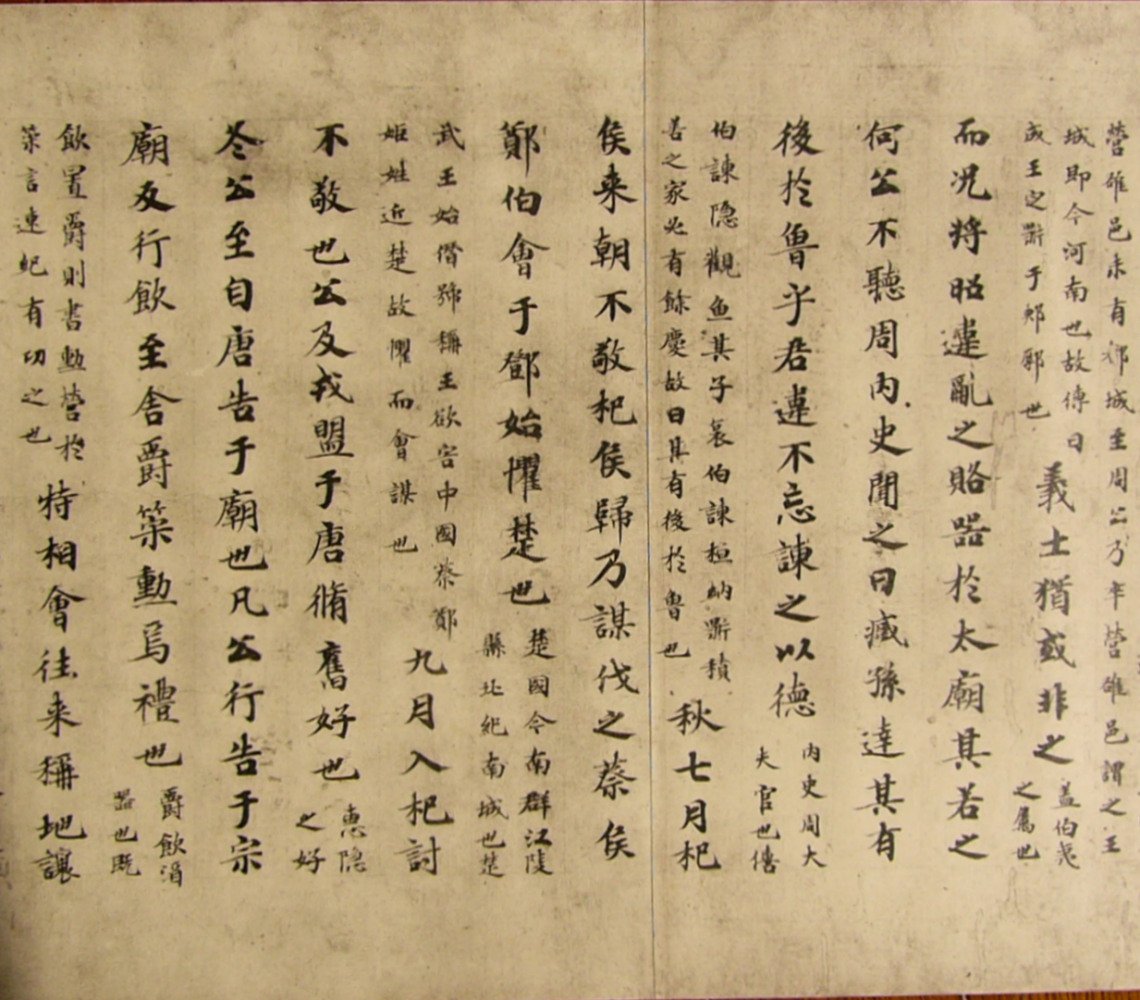
Spring and Autumn Annals
Confucius · 5th century BCE
Ready when you are
Start chatting with Confucius now.
20 messages free · No credit card · Available in 50+ languages.