


Primary sourceArtifactc. 1678 (decree 1669)
Gyanvapi Mosque
c. 1678 (decree 1669)
A mosque in Varanasi built on Aurangzeb's orders after he decreed the destruction of the Vishvanath temple at the site.
Aurangzeb ordered the destruction of the temple and the mosque's construction, making it key evidence of his religious policy.
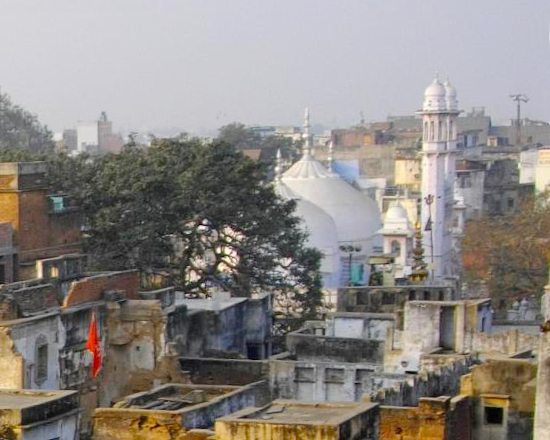
About this source
What it is
The Gyanvapi Mosque stands in Varanasi, India. It was built around 1678, a decade after Mughal emperor Aurangzeb issued a royal decree in 1669 ordering the destruction of an older Hindu temple, the Kashi Vishveshwara, on the site. The present structure still incorporates carved stones and motifs from that earlier temple.
Why it matters
The mosque is one of the most debated monuments linked to Aurangzeb's religious policy. It is cited by historians as direct evidence of a temple demolition ordered by the emperor, and it remains at the centre of modern disputes between Hindu and Muslim communities over ownership of the site.
Look closer
- What does the mosque's structure, built from the remains of a temple, tell us about power and religion in Aurangzeb's empire?
- Why might this single building still cause disagreement centuries later?
- How do modern surveys and old chronicles give different kinds of evidence about the site's history?
This artifact is part of the curated material that grounds the AI version of Aurangzeb on Humy.ai — when students ask about related events, the AI can quote it and cite it.
More Aurangzeb sources
Meet the AI Aurangzeb →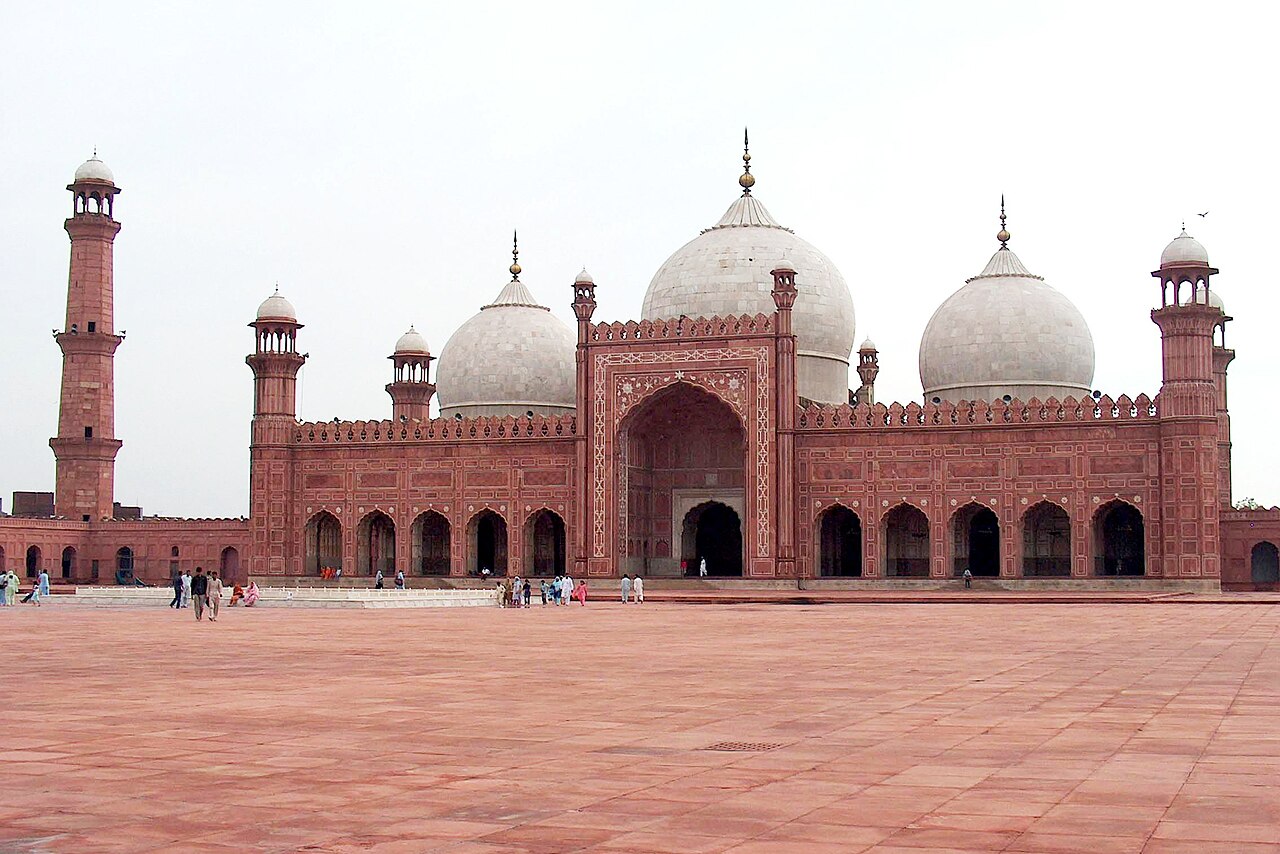 Artifact
Primary source
Badshahi Mosque
1671–1673
 Document
Primary source
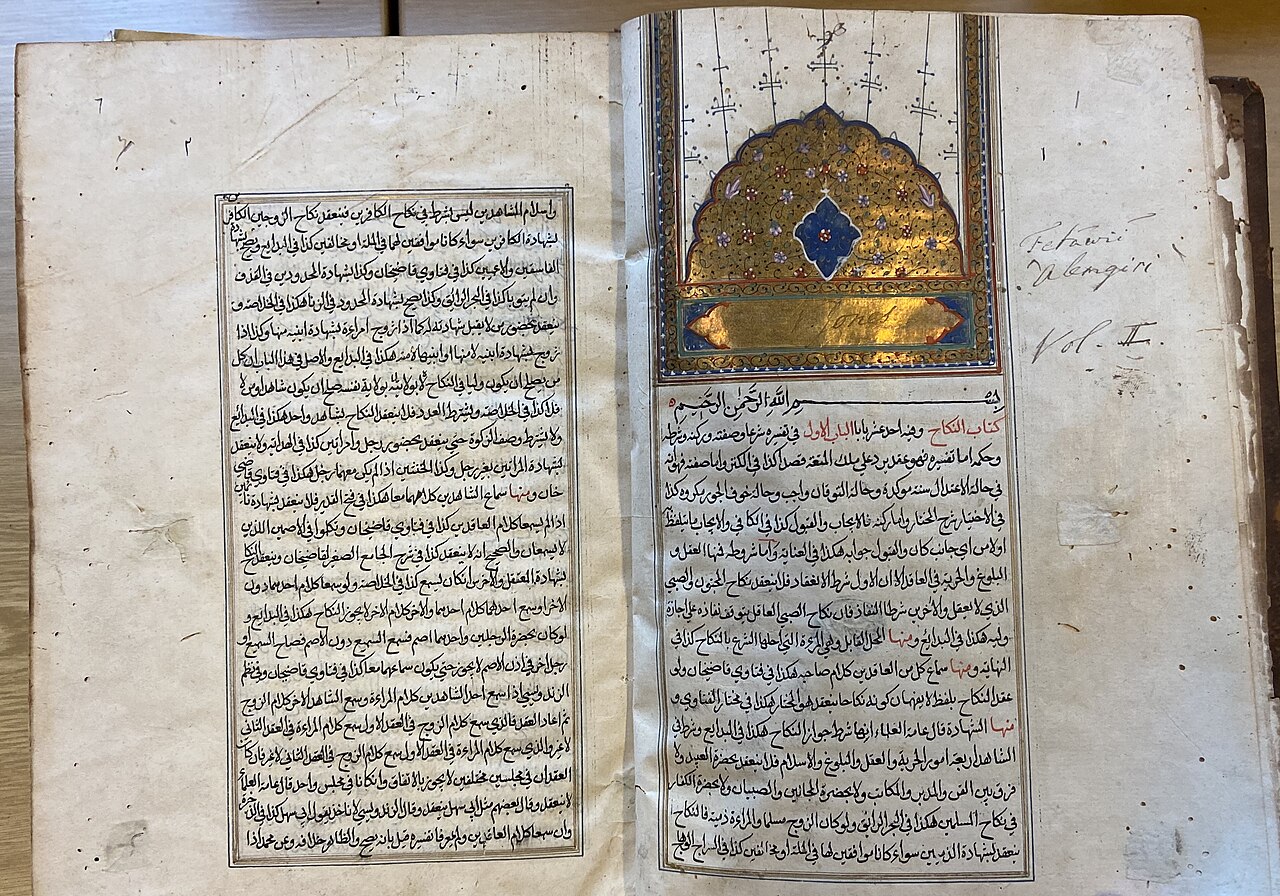
Fatawa-i Alamgiri Manuscript
17th century (this copy later recopied)
 Book
Secondary source
Maasir-i-Alamgiri
Saqi Musta'id Khan · c. 1710 (this copy 1763-1764)
Primary source
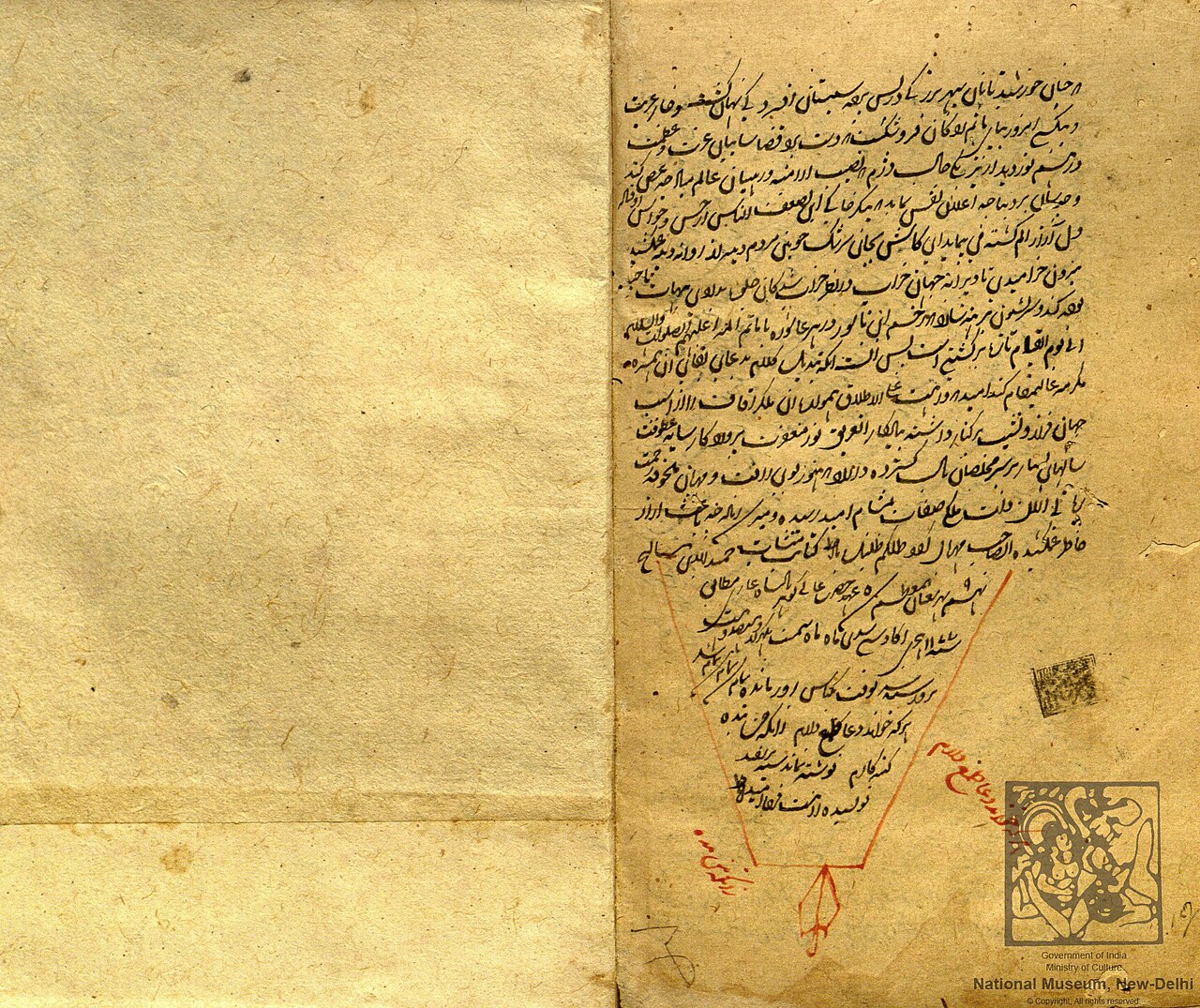
Ruka'at-i-Alamgiri
Aurangzeb · 17th century
 Letter
Primary source
Zafarnamah
Guru Gobind Singh · 1705
Ready when you are
Start chatting with Aurangzeb now.
20 messages free · No credit card · Available in 50+ languages.