


Secondary sourceSculpture1950
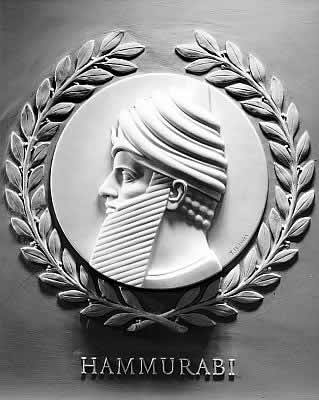
Hammurabi Bas-Relief in the U.S. House of Representatives Chamber
Thomas Hudson Jones · 1950
A 1950 marble relief portrait of Hammurabi, one of 23 lawgivers honored in the U.S. Capitol's House chamber.
This 1950 relief honors Hammurabi as one of history's great lawgivers in the U.S. Capitol.
About this source
What it is
This circular marble bas-relief shows Hammurabi in profile, framed by a carved laurel wreath with his name engraved below. It was sculpted by Thomas Hudson Jones in 1950 and is one of 23 reliefs of historical lawgivers in the chamber of the U.S. House of Representatives in the United States Capitol. The photograph shown here was taken by the Architect of the Capitol.
Why it matters
Hammurabi's inclusion among 23 great lawgivers from history shows how later societies, even far from Mesopotamia, have remembered him specifically as a founder of law. It reveals how his legal code shaped his modern reputation, long after Babylon itself had vanished.
Look closer
- Why might American lawmakers in 1950 have chosen to honor a Babylonian king in their chamber?
- What does the choice of a laurel wreath, a symbol from a different ancient culture, suggest about how history gets presented?
- What parts of Hammurabi's actual rule are left out when he is remembered only as a 'lawgiver'?
This sculpture is part of the curated material that grounds the AI version of Hammurabi on Humy.ai — when students ask about related events, the AI can quote it and cite it.
More Hammurabi sources
Meet the AI Hammurabi →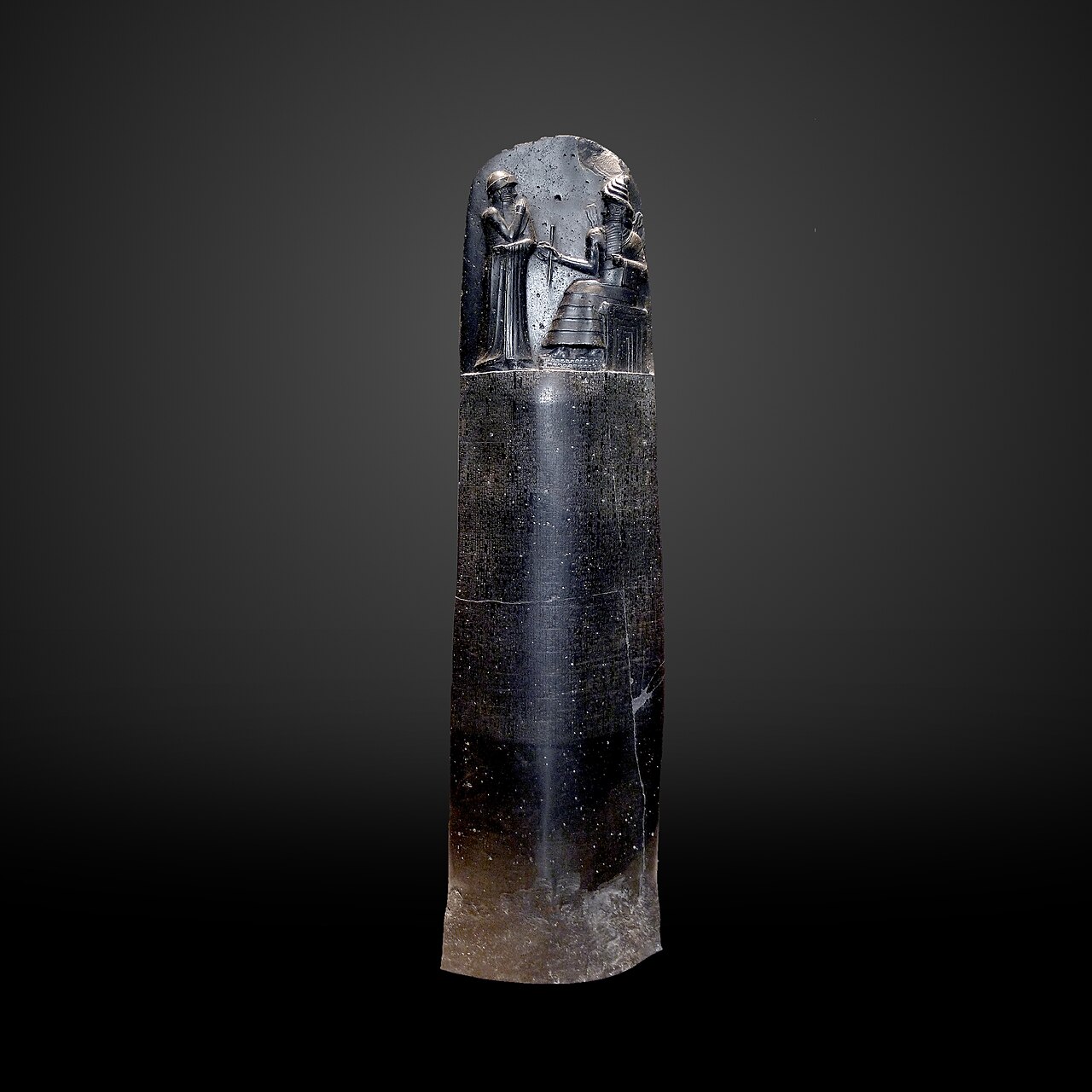 Document
Primary source
Code of Hammurabi
Hammurabi · c. 1753 BCE
 Sculpture
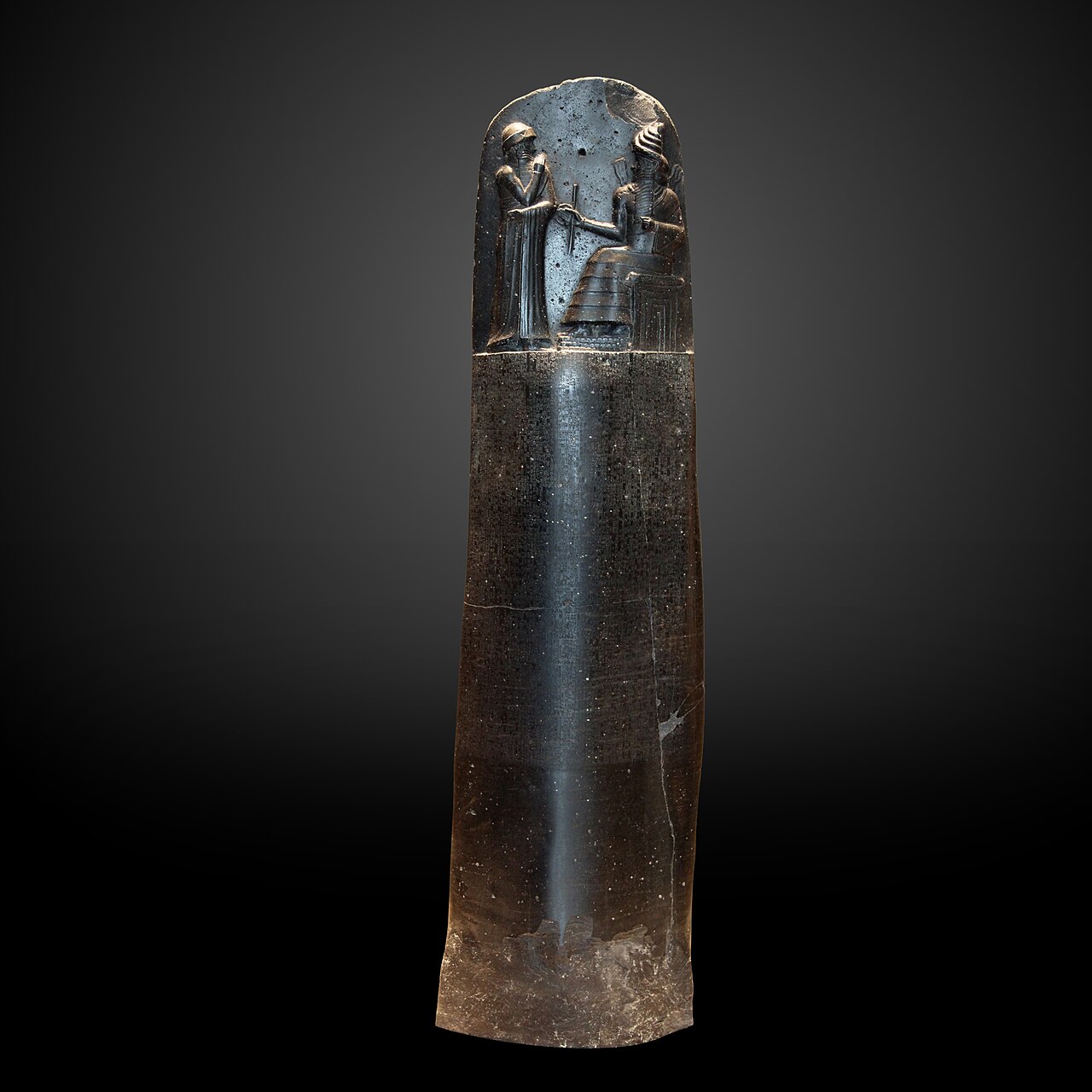
Primary source
Stele with the Code of Hammurabi
Hammurabi · c. 1792 BCE
 Letter
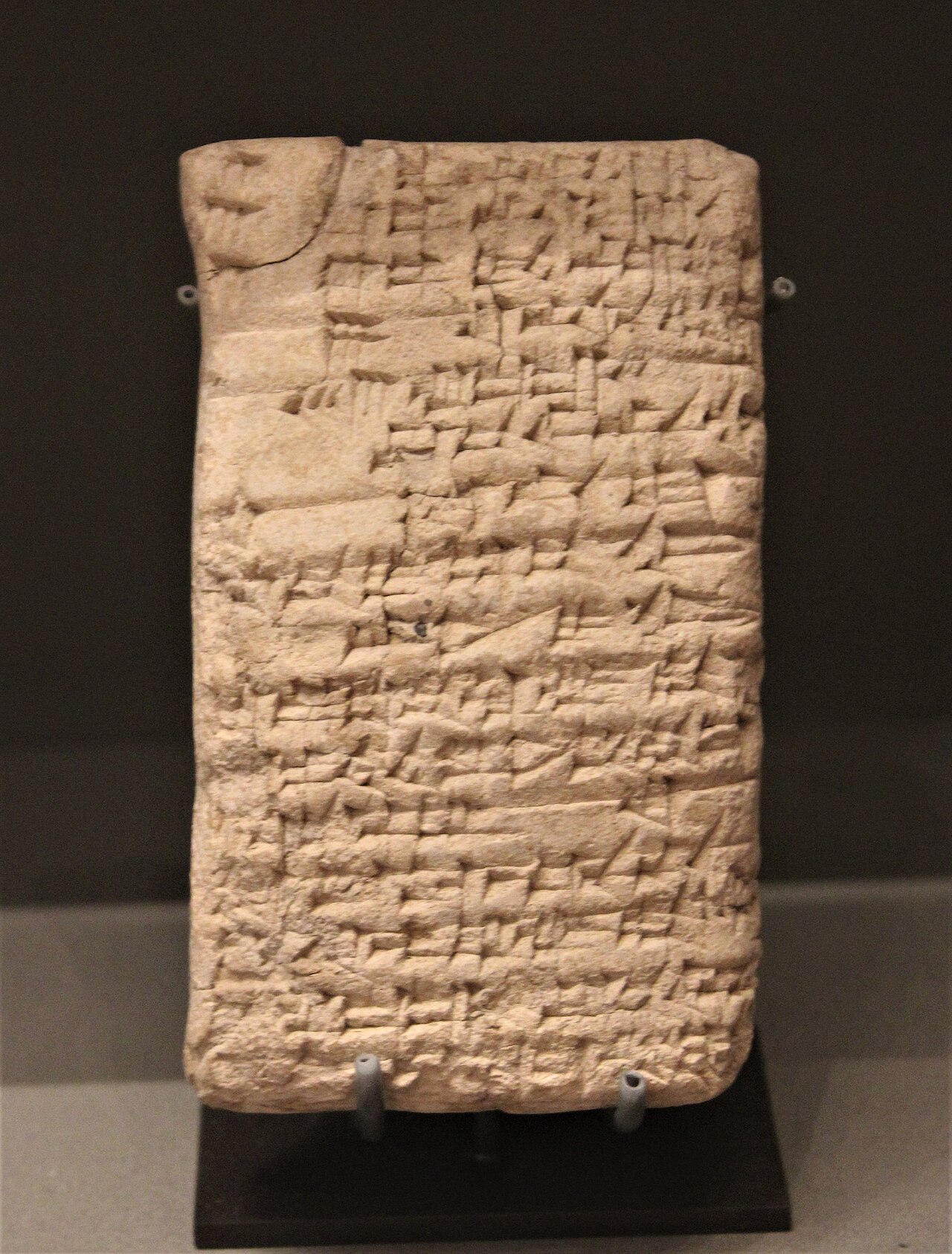
Primary source
Letter from Hammurabi to Sîn-iddinam
Hammurabi · c. 1792-1750 BCE
 Document
Primary source
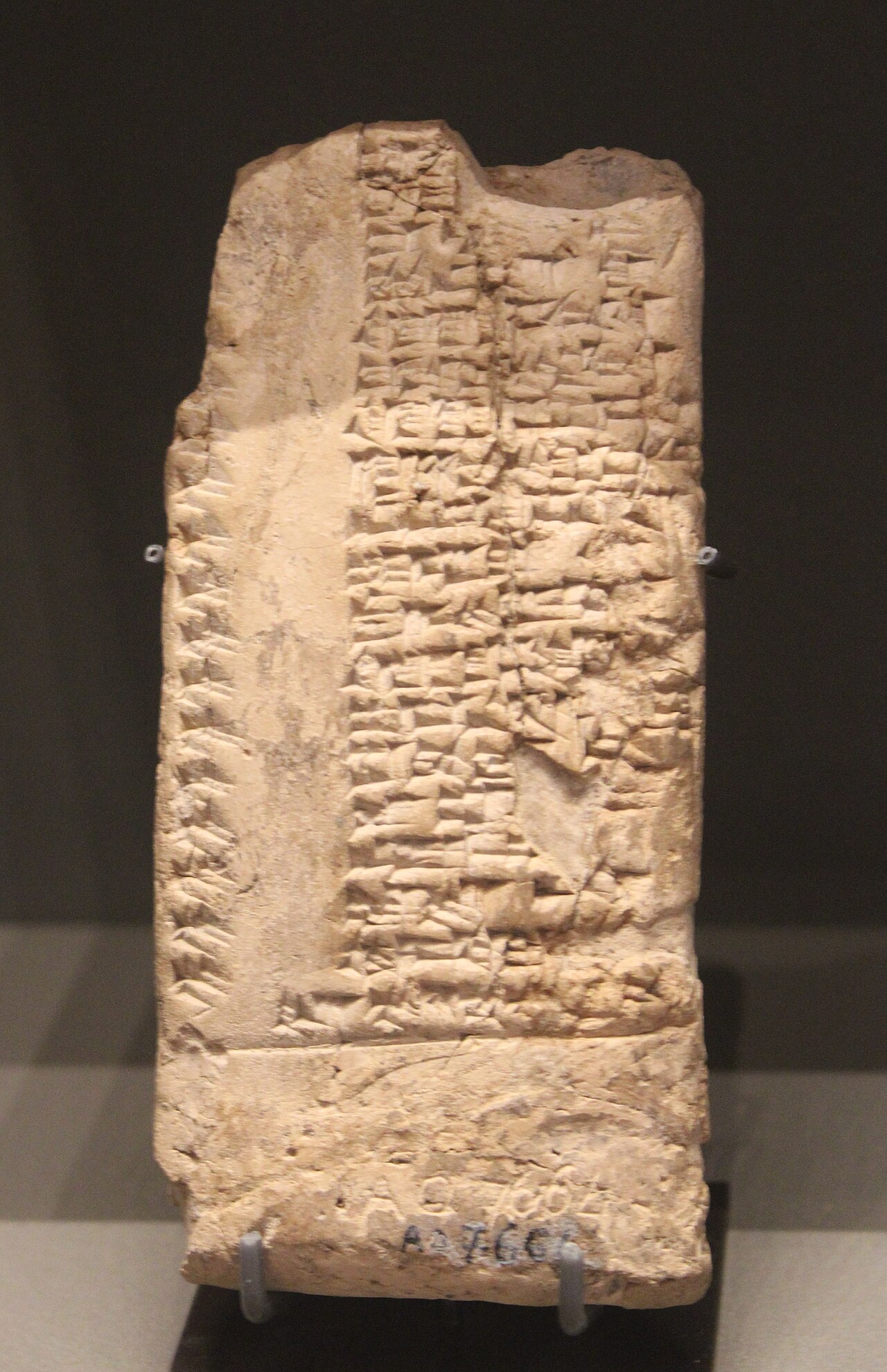
List of the year-names of Hammurabi's reign
Old Babylonian period, reign of Hammurabi (c. 1792-1750 BCE)
 Document
Secondary source
Chronicle of Early Kings
Babylonian scribes · c. 6th century BCE copy
Ready when you are
Start chatting with Hammurabi now.
20 messages free · No credit card · Available in 50+ languages.