


Primary sourceDocument
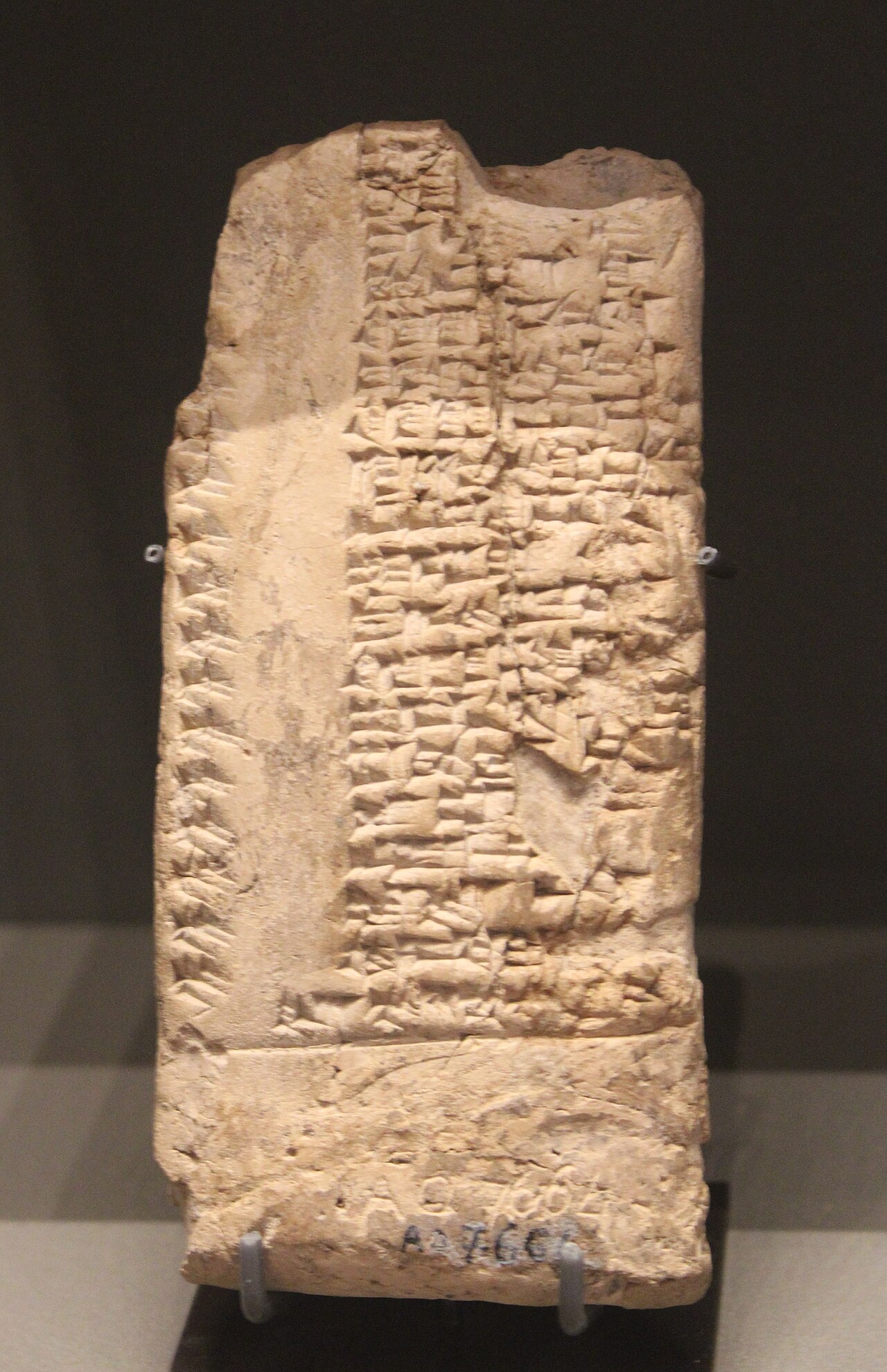
Hammurabi Inscription Tablet, British Museum 91076
Hammurabi
A cuneiform royal inscription naming Hammurabi, showing his standard title as king of Babylon.
A royal inscription bearing Hammurabi's name shows his standard titulary as king of Babylon.
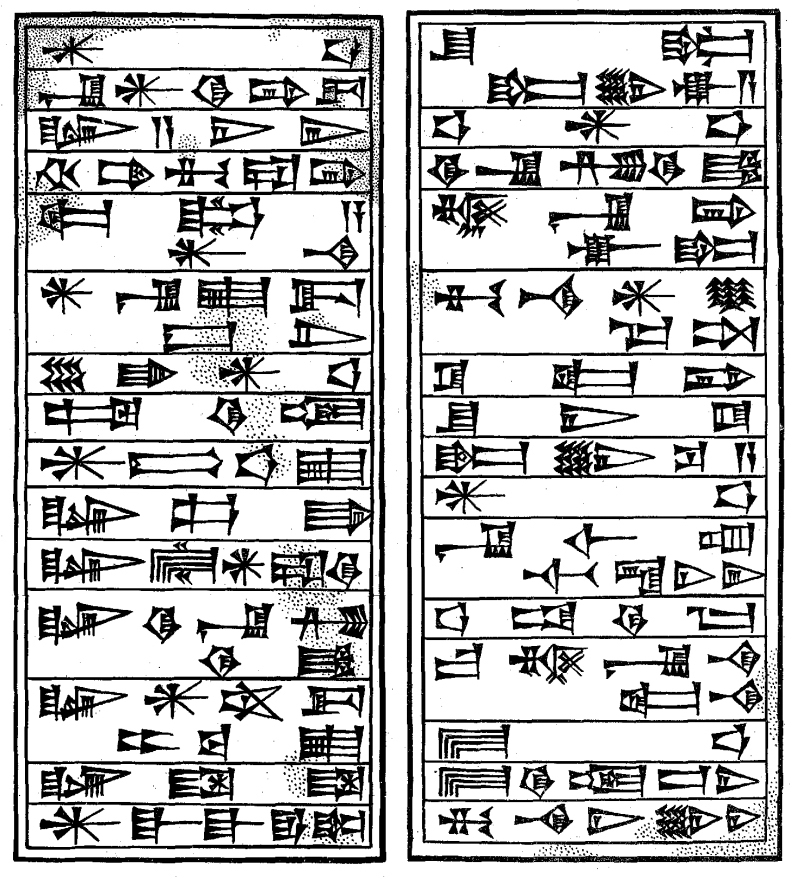
About this source
What it is
This is a clay tablet inscribed in cuneiform with a royal inscription of Hammurabi, king of Babylon. His name appears near the start of the text. The tablet is held at the British Museum, and this reproduction was published by Egyptologist E. A. Wallis Budge and Assyriologist L. W. King.
Why it matters
Royal inscriptions like this one were a standard way for Mesopotamian kings to record their names and titles for future generations. This tablet shows Hammurabi's titulary exactly as he presented it in his own lifetime, giving historians direct evidence of how he described his kingship.
Look closer
- Why might a king want his name and title recorded in writing?
- What does the choice of cuneiform script tell us about the culture of the time?
- What is left out of a short royal inscription compared to a longer document?
This document is part of the curated material that grounds the AI version of Hammurabi on Humy.ai — when students ask about related events, the AI can quote it and cite it.
More Hammurabi sources
Meet the AI Hammurabi →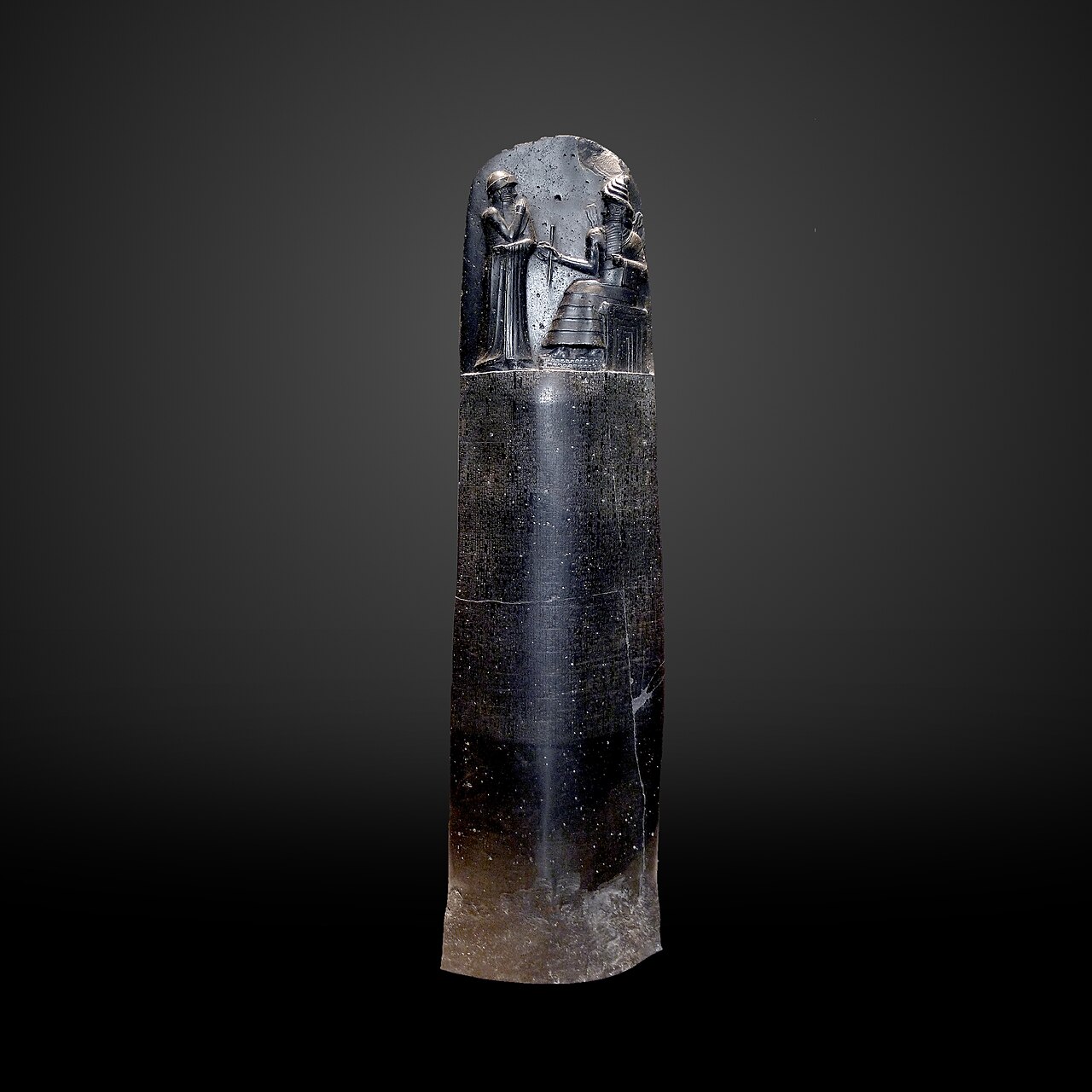 Document
Primary source
Code of Hammurabi
Hammurabi · c. 1753 BCE
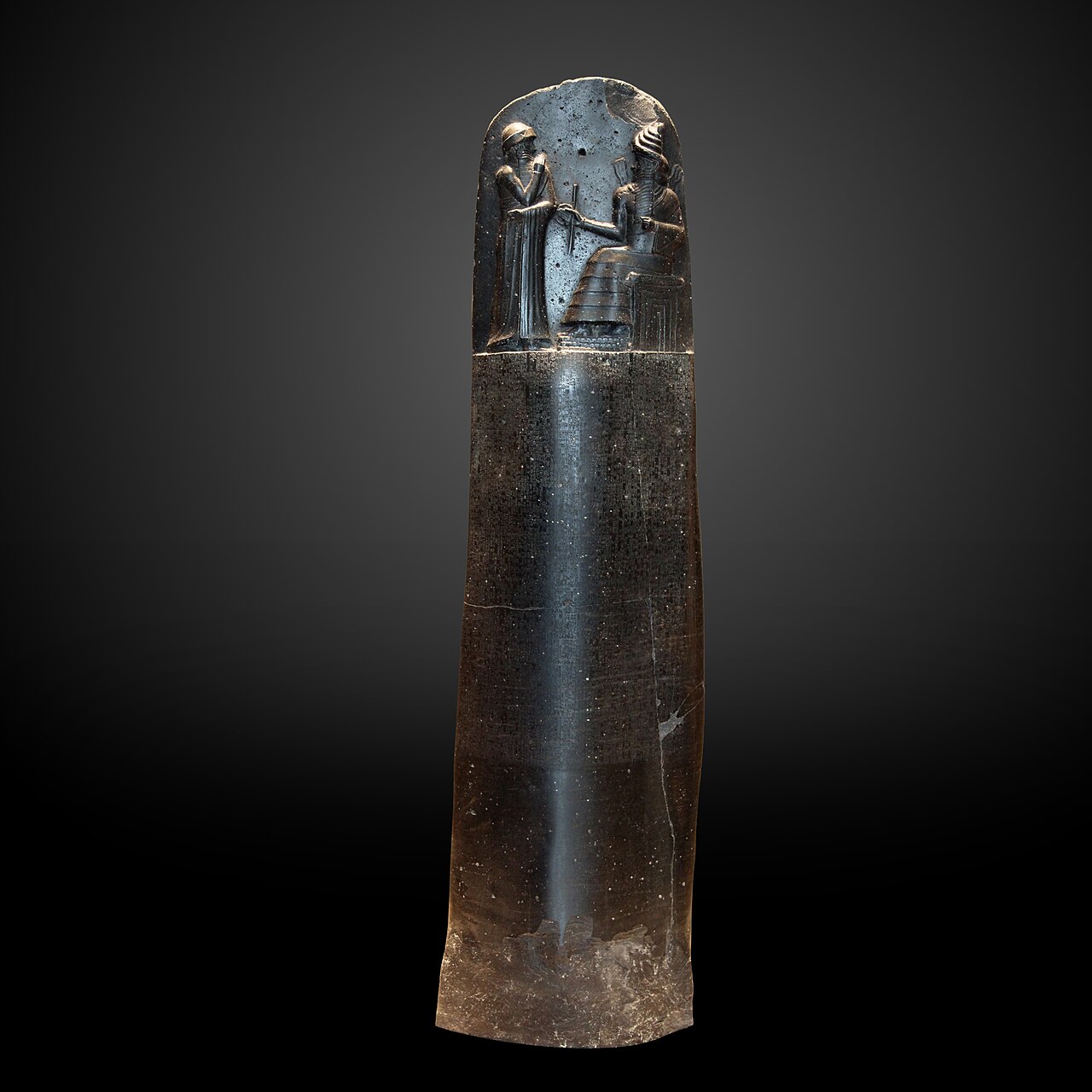 Sculpture
Primary source
Stele with the Code of Hammurabi
Hammurabi · c. 1792 BCE
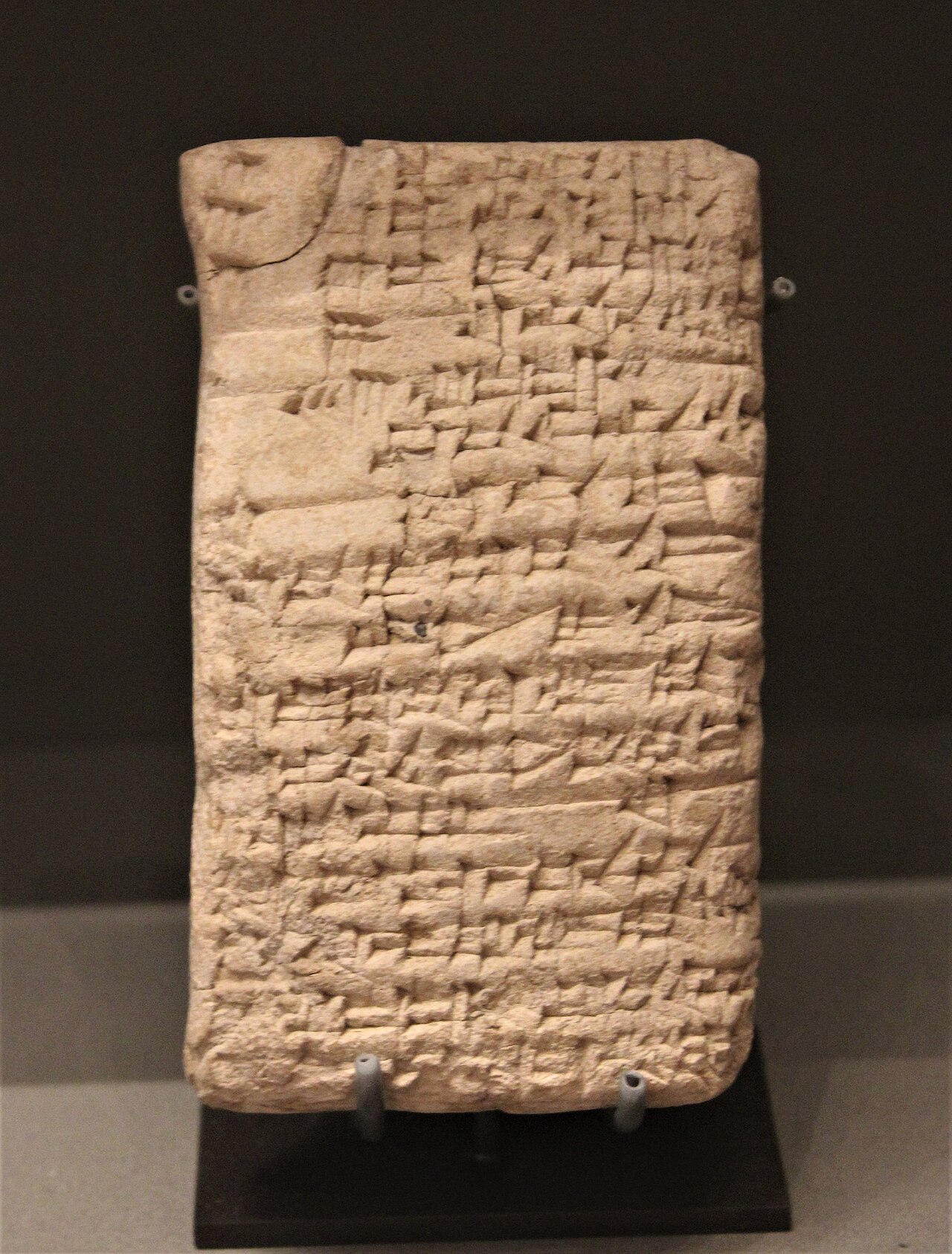 Letter
Primary source
Letter from Hammurabi to Sîn-iddinam
Hammurabi · c. 1792-1750 BCE
 Document
Primary source
List of the year-names of Hammurabi's reign
Old Babylonian period, reign of Hammurabi (c. 1792-1750 BCE)
 Document
Secondary source
Chronicle of Early Kings
Babylonian scribes · c. 6th century BCE copy
Ready when you are
Start chatting with Hammurabi now.
20 messages free · No credit card · Available in 50+ languages.