


Secondary sourceBook1905
Hammurabi's Earliest Law Code
Hugo Winckler · 1905
A 1905 account by historian Hugo Winckler describing Hammurabi's law code as the foundation of Babylonian law.
This essay studies and explains Hammurabi's achievements as lawgiver and unifier of Babylonia.
About this source
What it is
This is a 1905 historical essay by Hugo Winckler, published in The Great Events by Famous Historians, describing the compilation of Hammurabi's code of laws, which Winckler calls the oldest known code in history.
Why it matters
Winckler explains Hammurabi's role in uniting northern and southern Babylonia, making Babylon the capital, and compiling laws older than other ancient codes. The essay also connects Hammurabi to biblical tradition, noting a theory linking him to a figure named in the Bible, showing how early scholars tried to place Hammurabi within wider ancient history.
Look closer
- What achievements does Winckler credit to Hammurabi beyond his laws?
- Why might historians compare Hammurabi's code to other ancient law codes, such as the Mosaic law?
- This essay reflects ideas from 1905 — how might historians' understanding of Hammurabi have changed since then?
This book is part of the curated material that grounds the AI version of Hammurabi on Humy.ai — when students ask about related events, the AI can quote it and cite it.
More Hammurabi sources
Meet the AI Hammurabi → Document
Primary source
Code of Hammurabi
Hammurabi · c. 1753 BCE
 Sculpture
Primary source
Stele with the Code of Hammurabi
Hammurabi · c. 1792 BCE
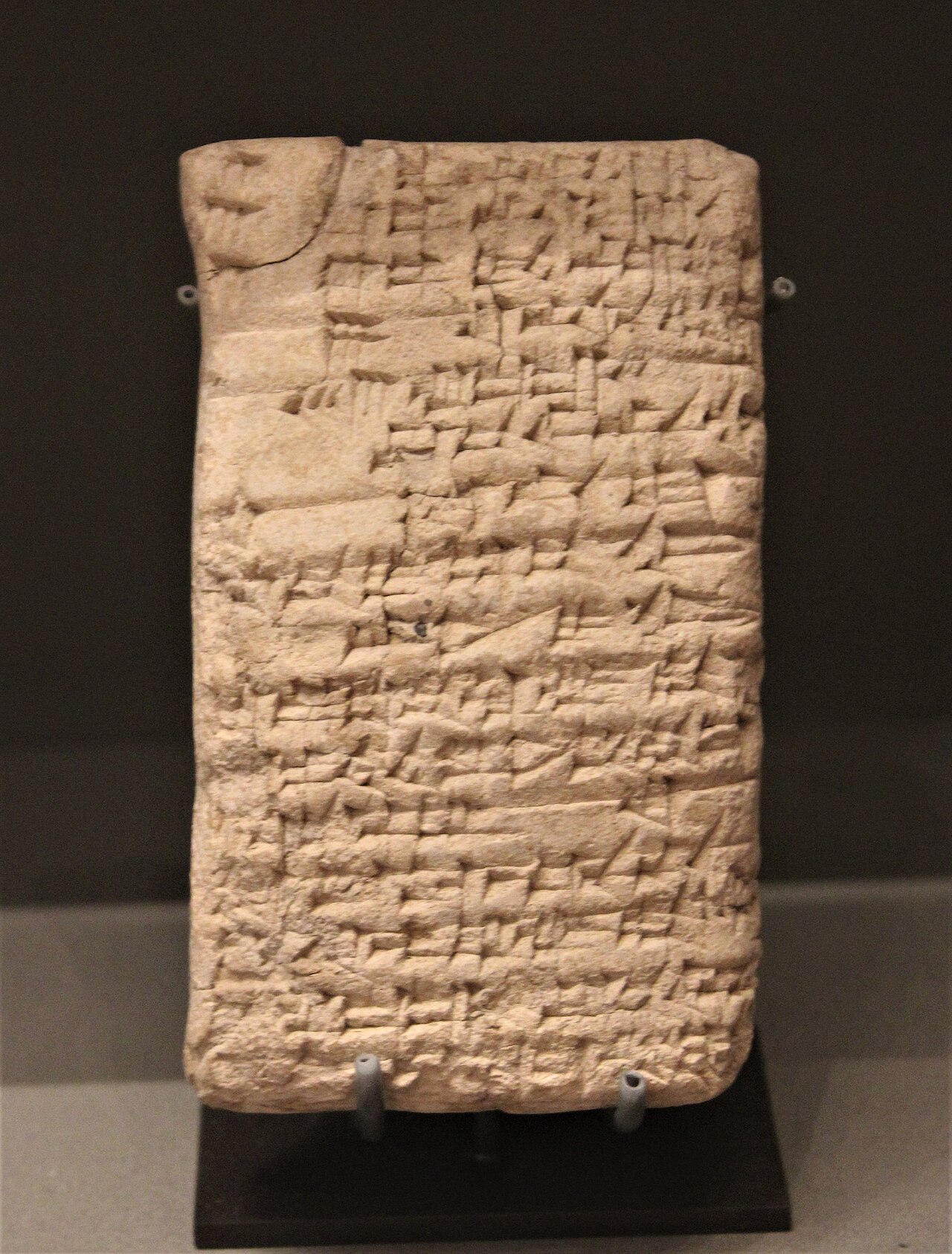 Letter
Primary source
Letter from Hammurabi to Sîn-iddinam
Hammurabi · c. 1792-1750 BCE
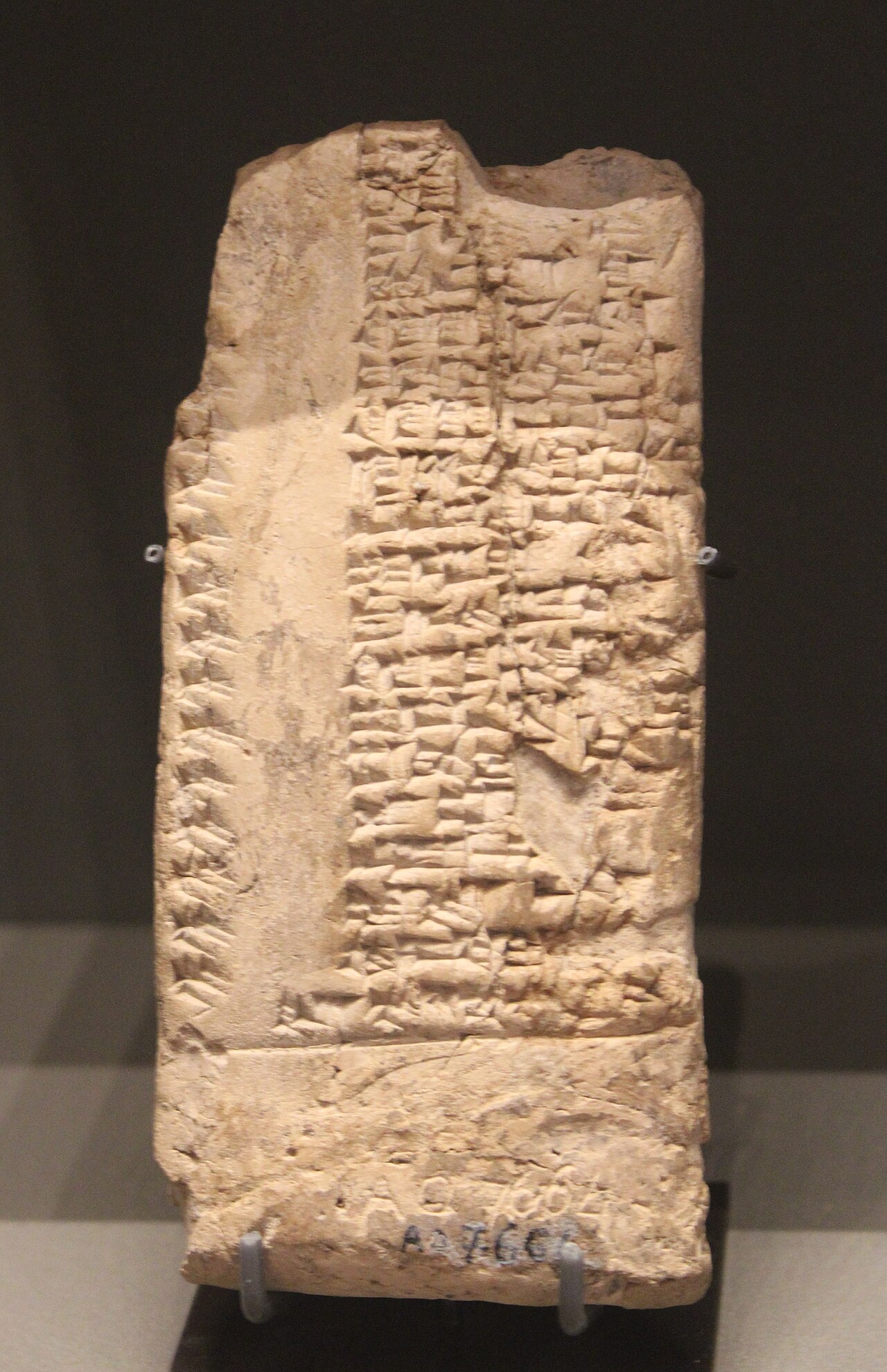 Document
Primary source
List of the year-names of Hammurabi's reign
Old Babylonian period, reign of Hammurabi (c. 1792-1750 BCE)
 Document
Secondary source
Chronicle of Early Kings
Babylonian scribes · c. 6th century BCE copy
Ready when you are
Start chatting with Hammurabi now.
20 messages free · No credit card · Available in 50+ languages.