


Primary sourceDocument1904
Harper Translation of the Code of Hammurabi
Hammurabi · 1904
An English translation of Hammurabi's law code by Robert Francis Harper, including the king's own prologue.
This translation preserves Hammurabi's own prologue, in which he explains his divine right to rule and make law.
About this source
What it is
This 1904 translation by Robert Francis Harper renders Hammurabi's code of laws into English, opening with a prologue attributed to Hammurabi himself describing his appointment by the gods Anu and Bel to bring justice to the land.
Why it matters
The prologue shows how Hammurabi presented his own authority, claiming a divine mandate from the gods Anu, Bel, and Marduk to protect the weak from the strong and spread justice. This translation lets readers see, in Hammurabi's own words, how a Babylonian king justified his rule and laws.
Look closer
- What reasons does Hammurabi give in the prologue for why he should rule and make laws?
- Why might a king want to claim his power came from the gods?
- What might this prologue leave out about how the laws actually affected ordinary people?
This document is part of the curated material that grounds the AI version of Hammurabi on Humy.ai — when students ask about related events, the AI can quote it and cite it.
More Hammurabi sources
Meet the AI Hammurabi →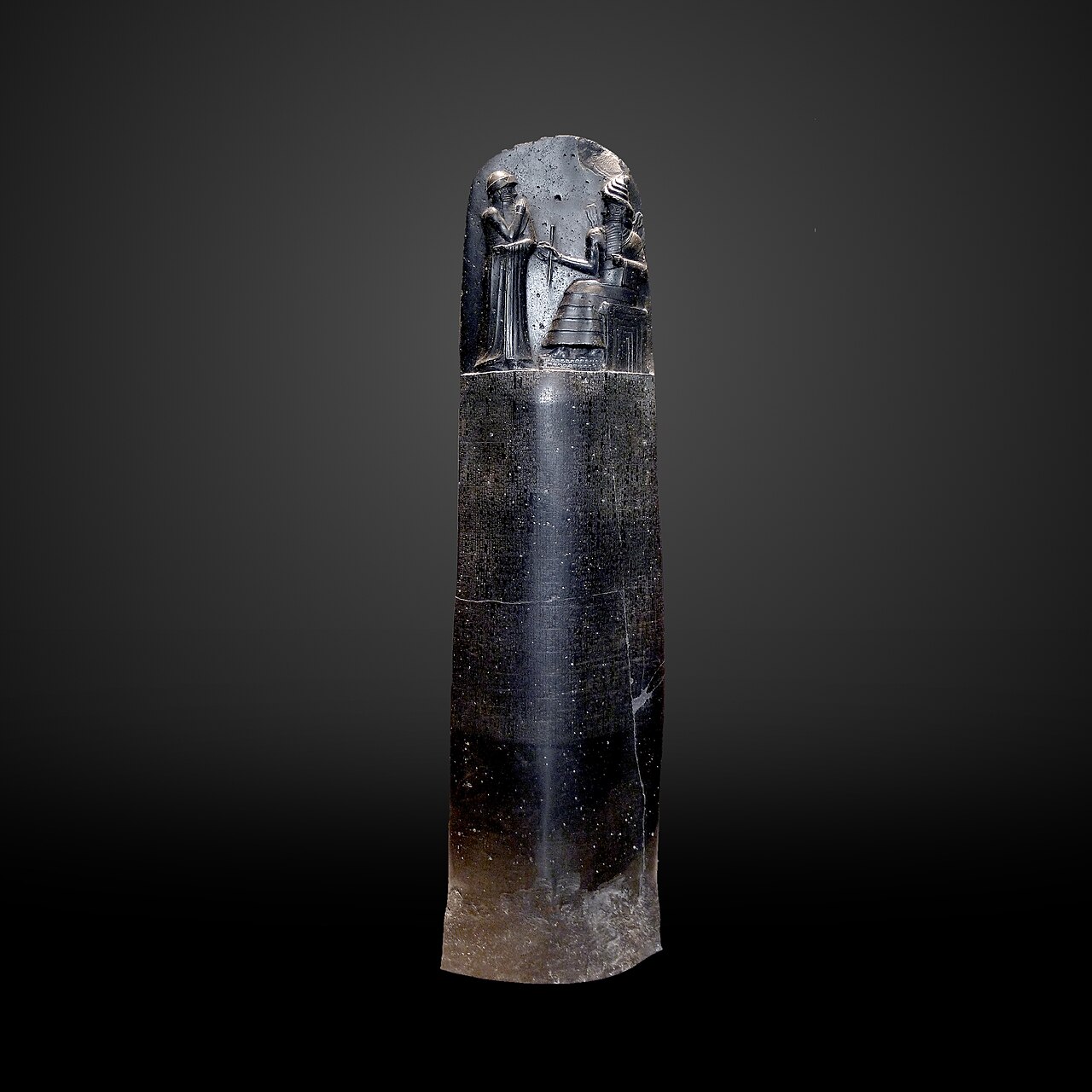 Document
Primary source
Code of Hammurabi
Hammurabi · c. 1753 BCE
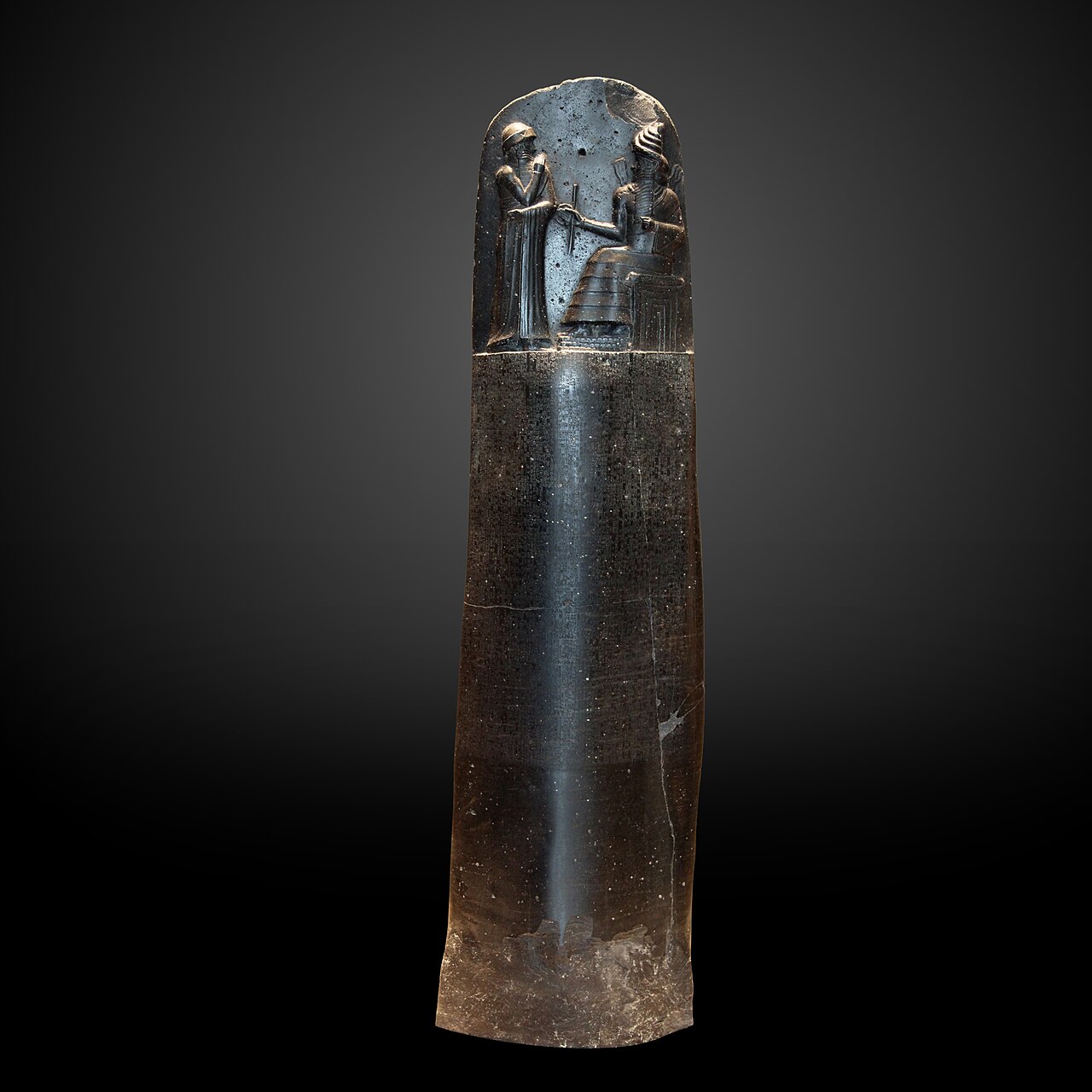 Sculpture
Primary source
Stele with the Code of Hammurabi
Hammurabi · c. 1792 BCE
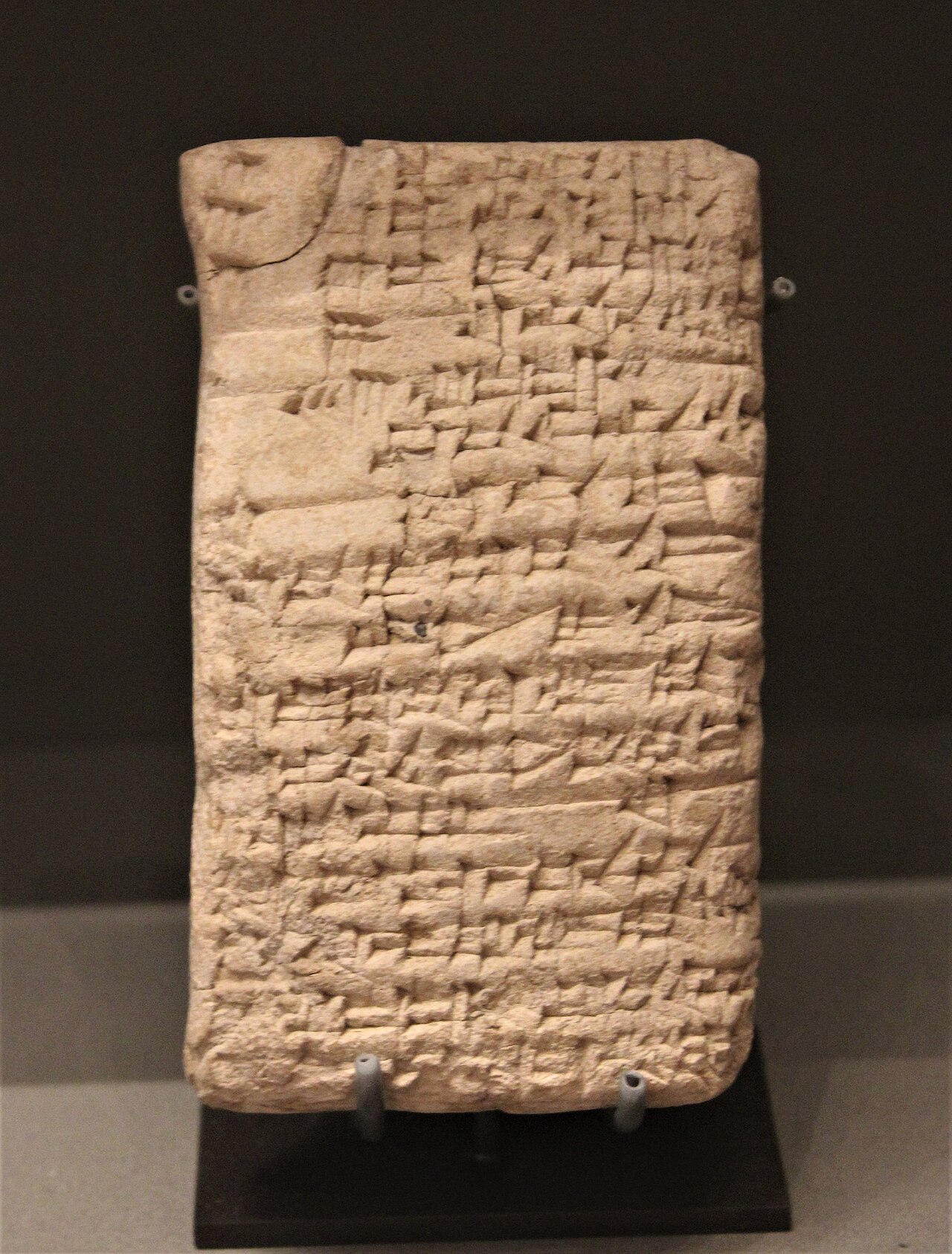 Letter
Primary source
Letter from Hammurabi to Sîn-iddinam
Hammurabi · c. 1792-1750 BCE
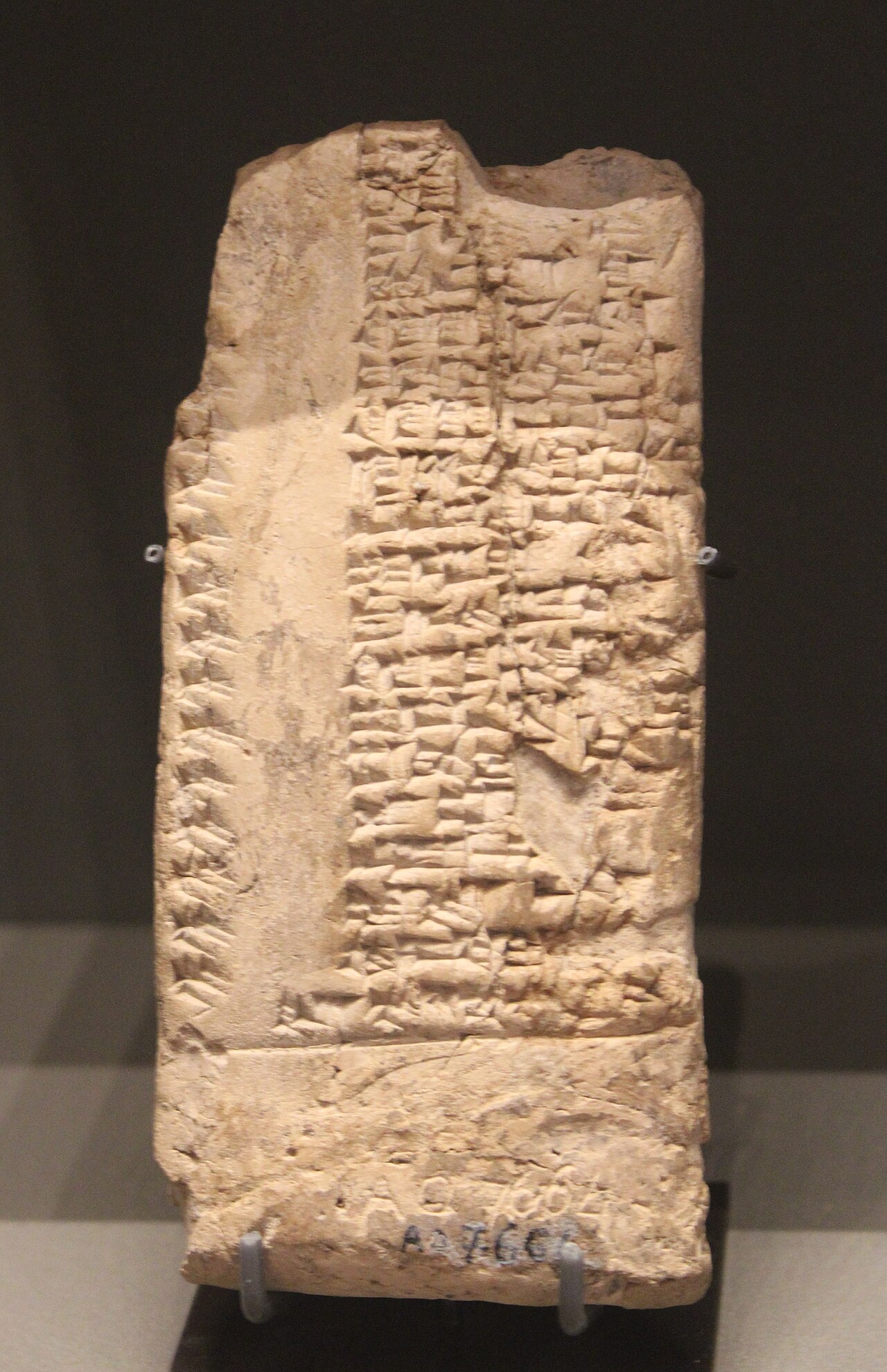 Document
Primary source
List of the year-names of Hammurabi's reign
Old Babylonian period, reign of Hammurabi (c. 1792-1750 BCE)
 Document
Secondary source
Chronicle of Early Kings
Babylonian scribes · c. 6th century BCE copy
Ready when you are
Start chatting with Hammurabi now.
20 messages free · No credit card · Available in 50+ languages.