


Primary sourceArtifact1556
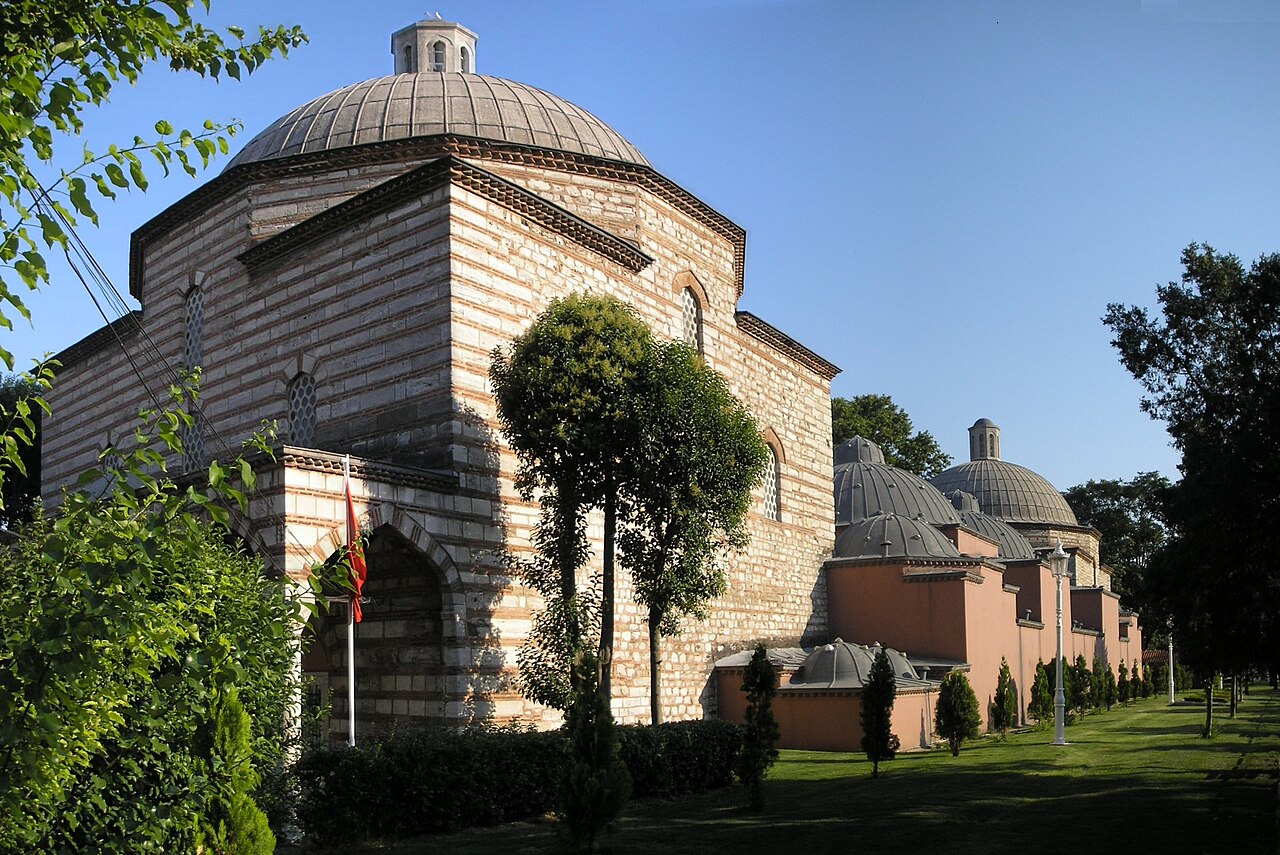
Haseki Hürrem Sultan Hamamı
Mimar Sinan · 1556
A double bathhouse near Hagia Sophia commissioned by Hürrem Sultan and designed by Mimar Sinan.
Hürrem Sultan commissioned this bathhouse, placing her name at a highly symbolic site in Istanbul.
About this source
What it is
This is a 16th-century Turkish bathhouse (hammam) in Istanbul, built in 1556 by the architect Mimar Sinan on the site of the ancient Baths of Zeuxippus. It was commissioned by Hürrem Sultan, wife of Suleiman the Magnificent, as a charitable project for the religious community of the nearby Hagia Sophia, and has separate sections for men and women.
Why it matters
Placing a bathhouse bearing her name right next to Hagia Sophia, one of the most symbolically important buildings in Istanbul, shows how Hürrem Sultan used architecture to establish her presence at the heart of the Ottoman capital. The building later had many uses, including as a carpet showroom, before being restored to its original purpose.
Look closer
- Why might Hürrem Sultan have chosen a spot so close to the Hagia Sophia for this building?
- What does the design, with separate sections for men and women, tell us about the society it was built for?
- How did the later history of the building as a warehouse and showroom change its meaning?
This artifact is part of the curated material that grounds the AI version of Hurrem Sultan on Humy.ai — when students ask about related events, the AI can quote it and cite it.
More Hurrem Sultan sources
Browse all 57 →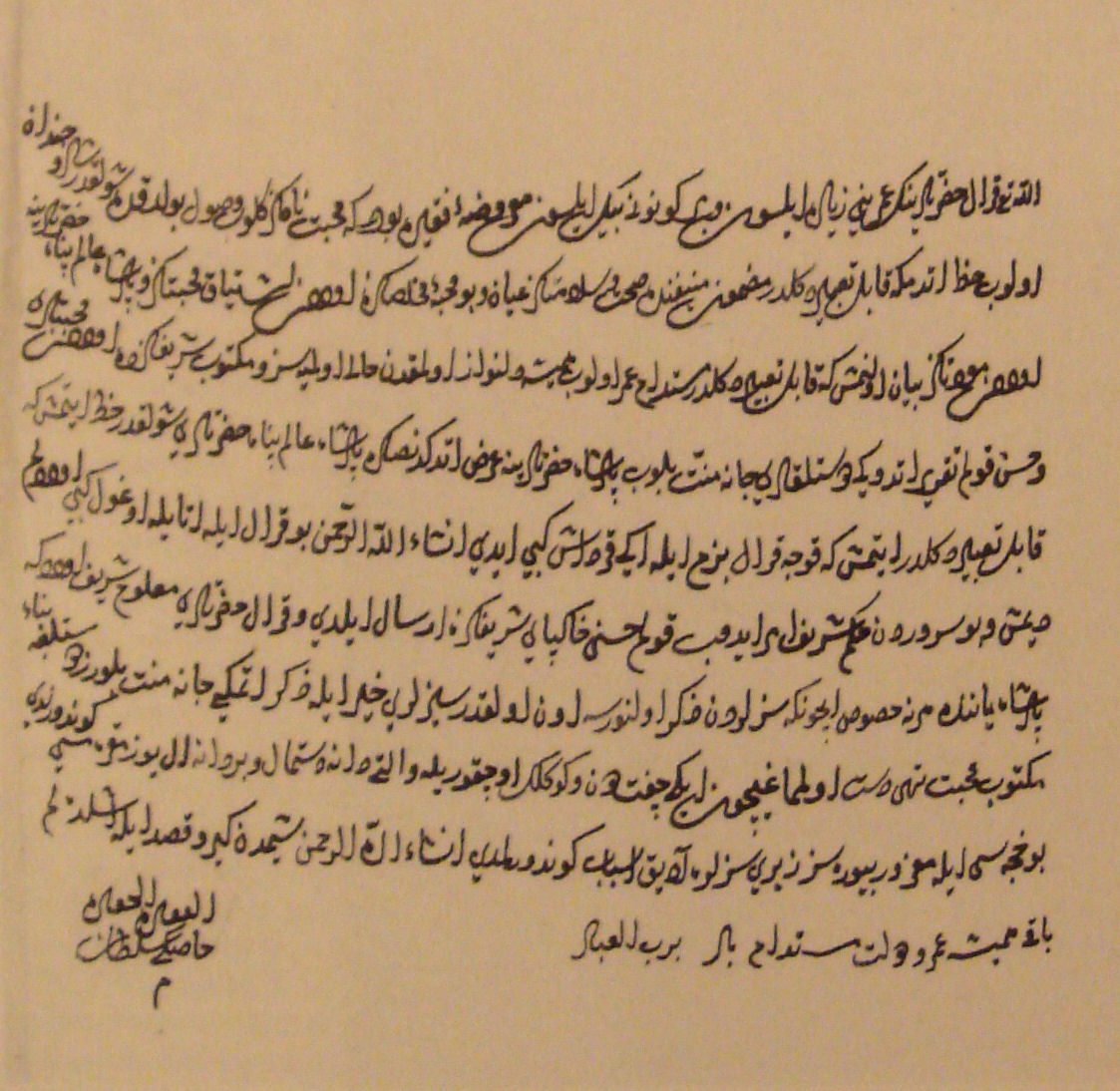 Letter
Primary source
Letter of Roxelane to Sigismund Augustus
Hürrem Sultan · 1549
 Artifact
Primary source
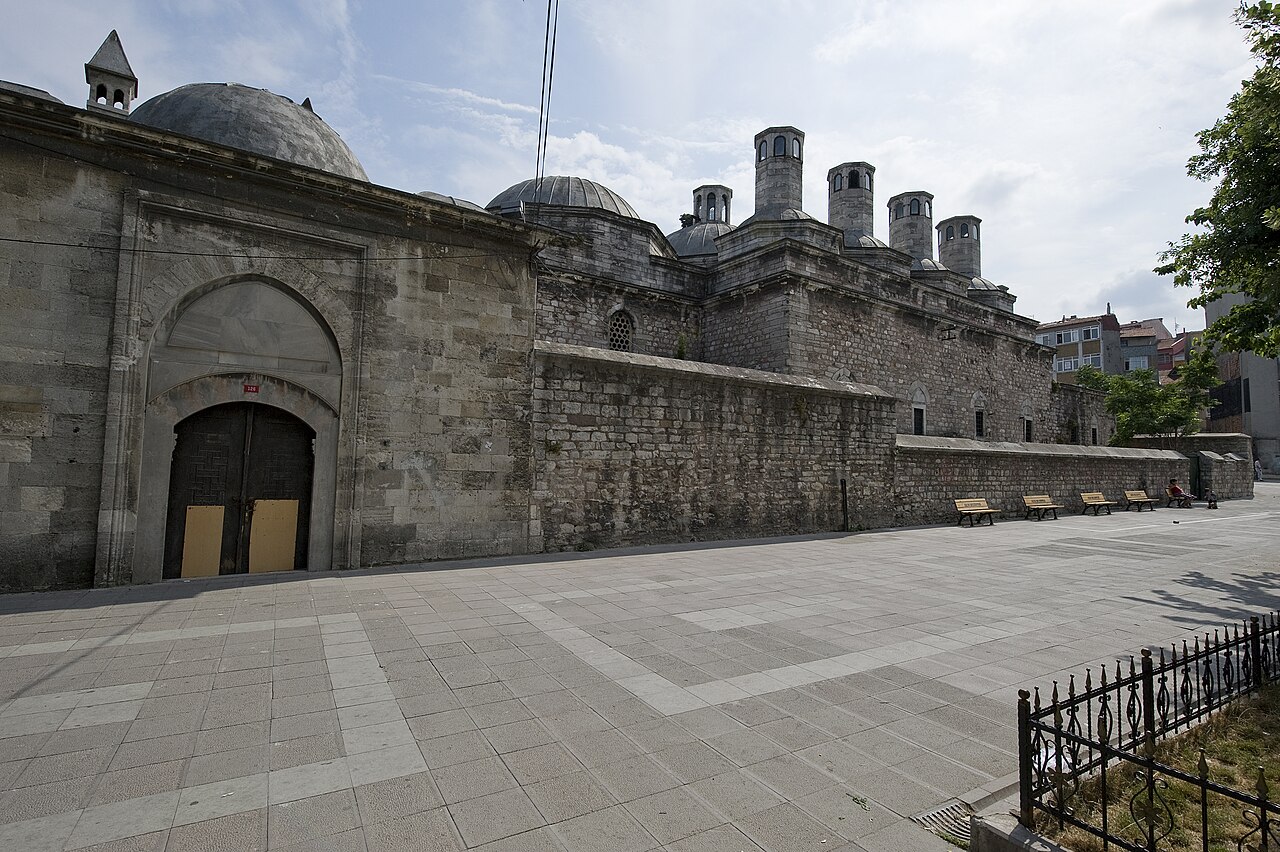
Haseki Sultan Mosque
Mimar Sinan · 1538
 Artifact
Primary source
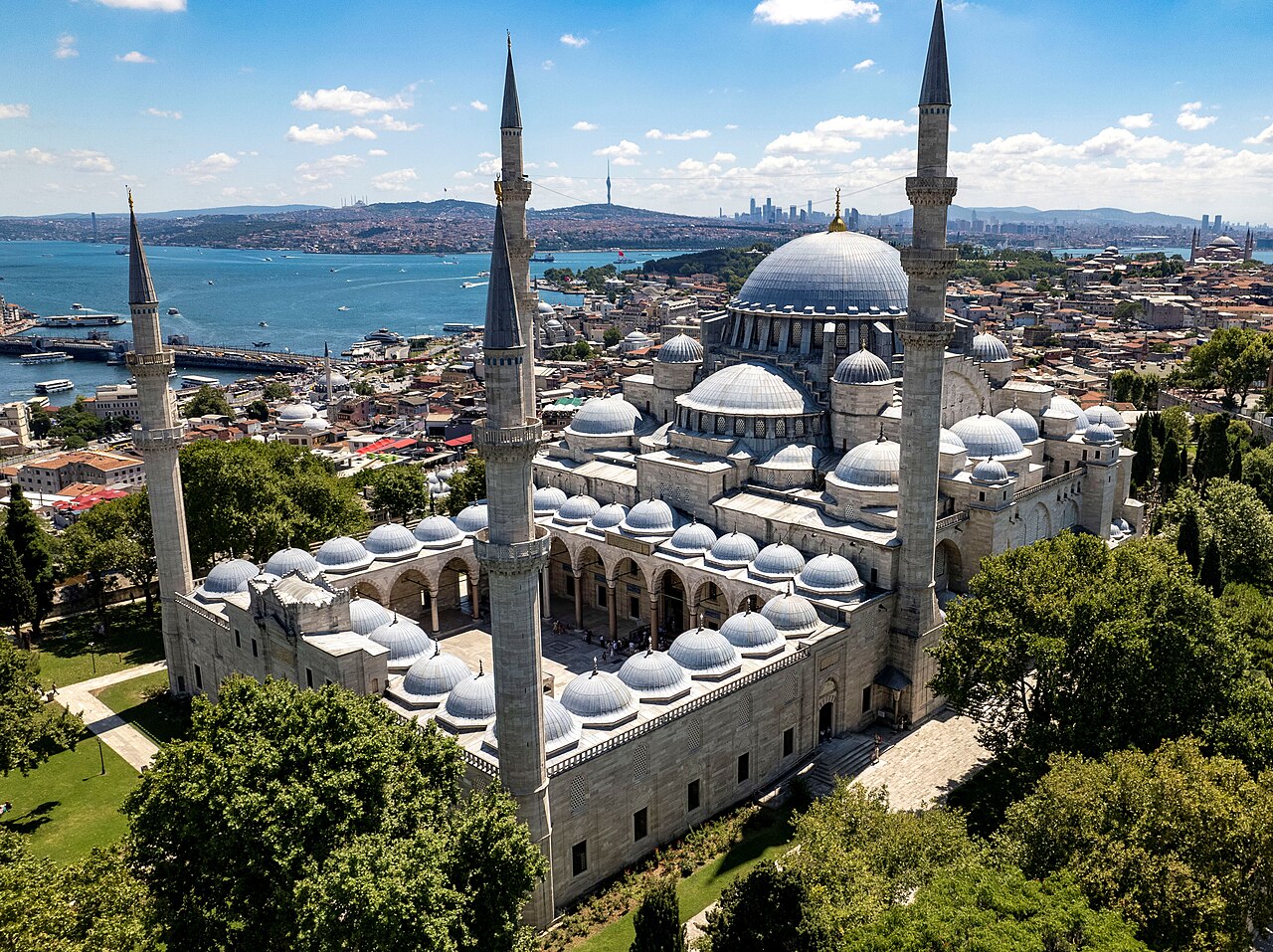
Süleymaniye Mosque
Mimar Sinan · 1550-1557
 Document
Primary source
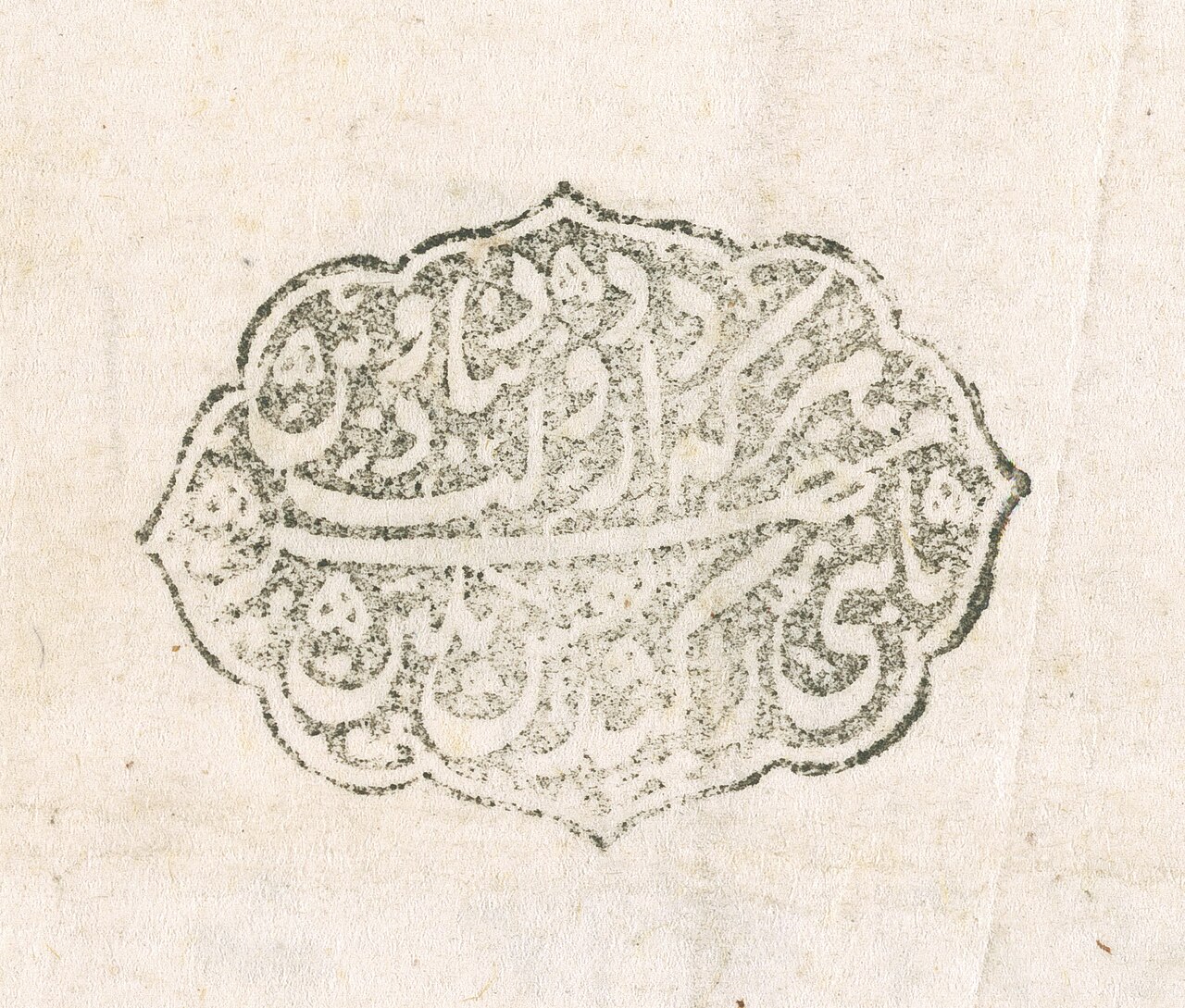
Seal of Hürrem Sultan
Hürrem Sultan · 1548
Free account
Read every Hurrem Sultan source
Sign up free →
Ready when you are
Start chatting with Hurrem Sultan now.
20 messages free · No credit card · Available in 50+ languages.