


Primary sourceDocument1548
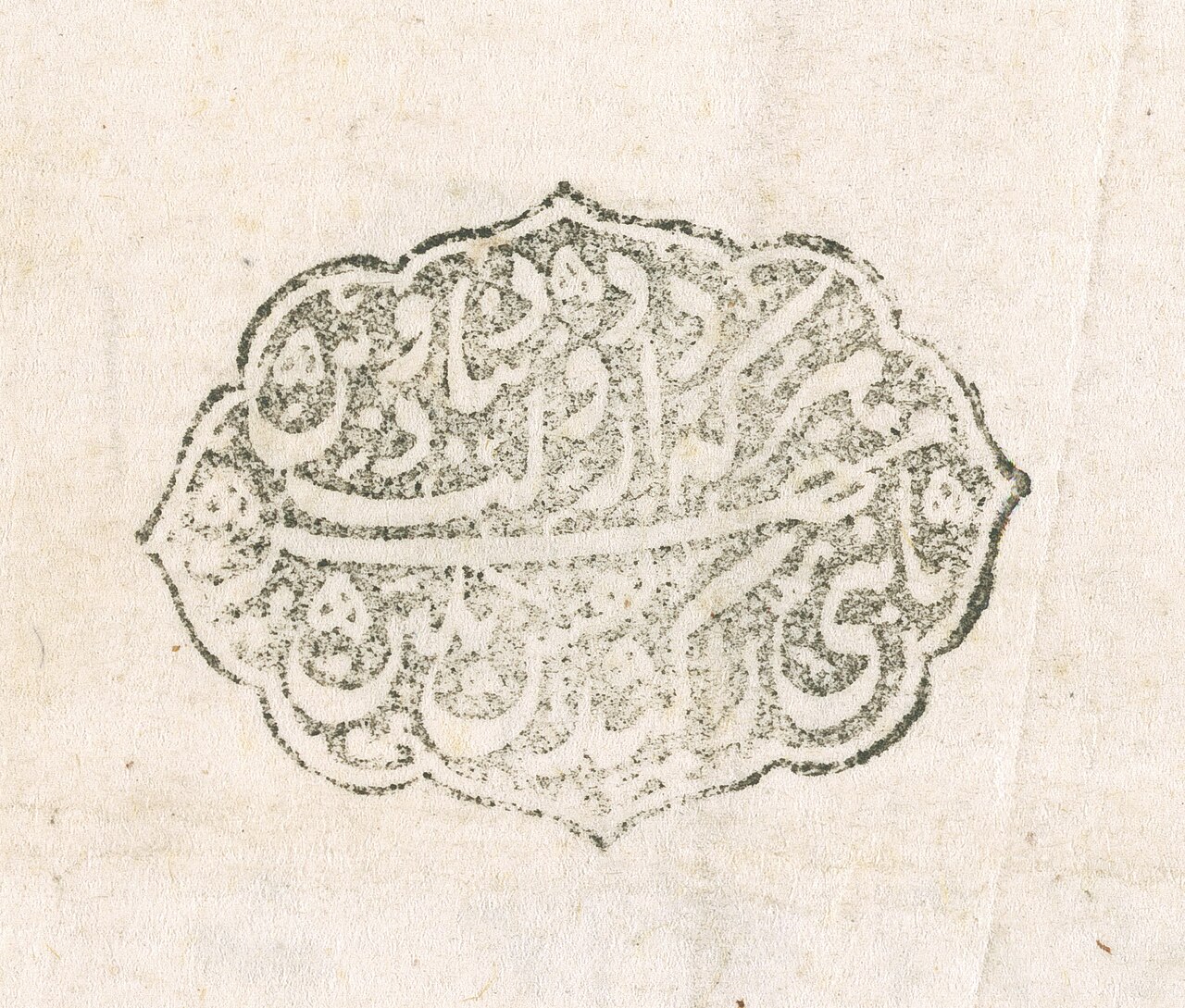
Seal of Hürrem Sultan
Hürrem Sultan · 1548
The personal seal of Hürrem Sultan, stamped on a 1548 letter to the King of Poland, marking her authority as a correspondent.
Her personal seal, stamped on this 1548 letter, is direct evidence of her individual political authority.
About this source
What it is
This is the ink impression of Hürrem Sultan's personal seal, found on a 1548 letter she sent to Sigismund II Augustus, King of Poland and Grand Duke of Lithuania. The seal is oval with a scalloped border and dense Arabic-script calligraphy inside.
Why it matters
A personal seal was a mark of individual authority in Ottoman culture. That Hürrem Sultan had her own seal, used on diplomatic correspondence with a foreign king, is direct evidence that she acted as a recognised political figure in her own right, not merely as the sultan's wife behind the scenes.
Look closer
- What does having a personal seal suggest about Hürrem Sultan's status?
- Why would a seal matter on a diplomatic letter?
- What can't a seal alone tell us about who actually composed the letter's words?
This document is part of the curated material that grounds the AI version of Hurrem Sultan on Humy.ai — when students ask about related events, the AI can quote it and cite it.
More Hurrem Sultan sources
Browse all 57 →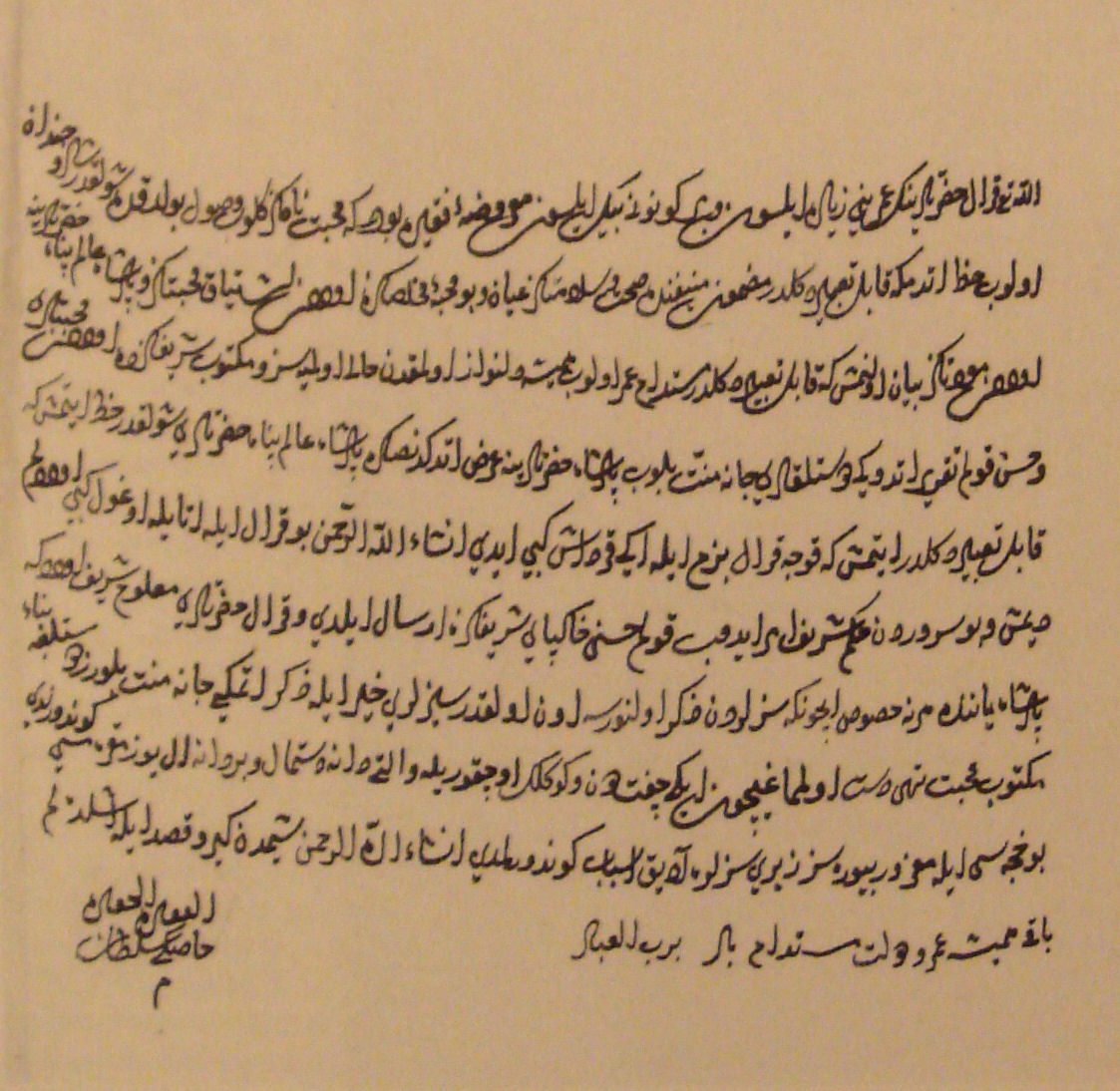 Letter
Primary source
Letter of Roxelane to Sigismund Augustus
Hürrem Sultan · 1549
 Artifact
Primary source
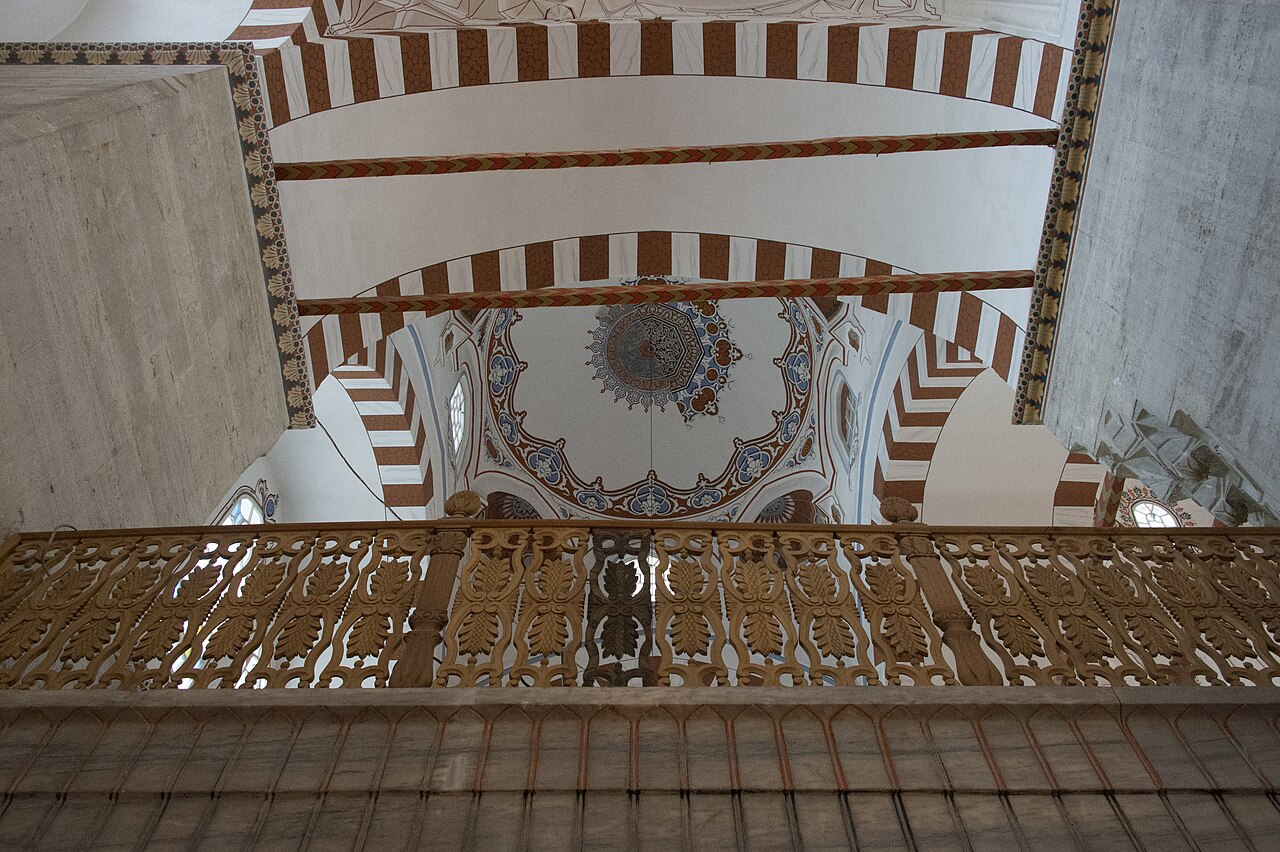
Haseki Sultan Mosque
Mimar Sinan · 1538
 Artifact
Primary source
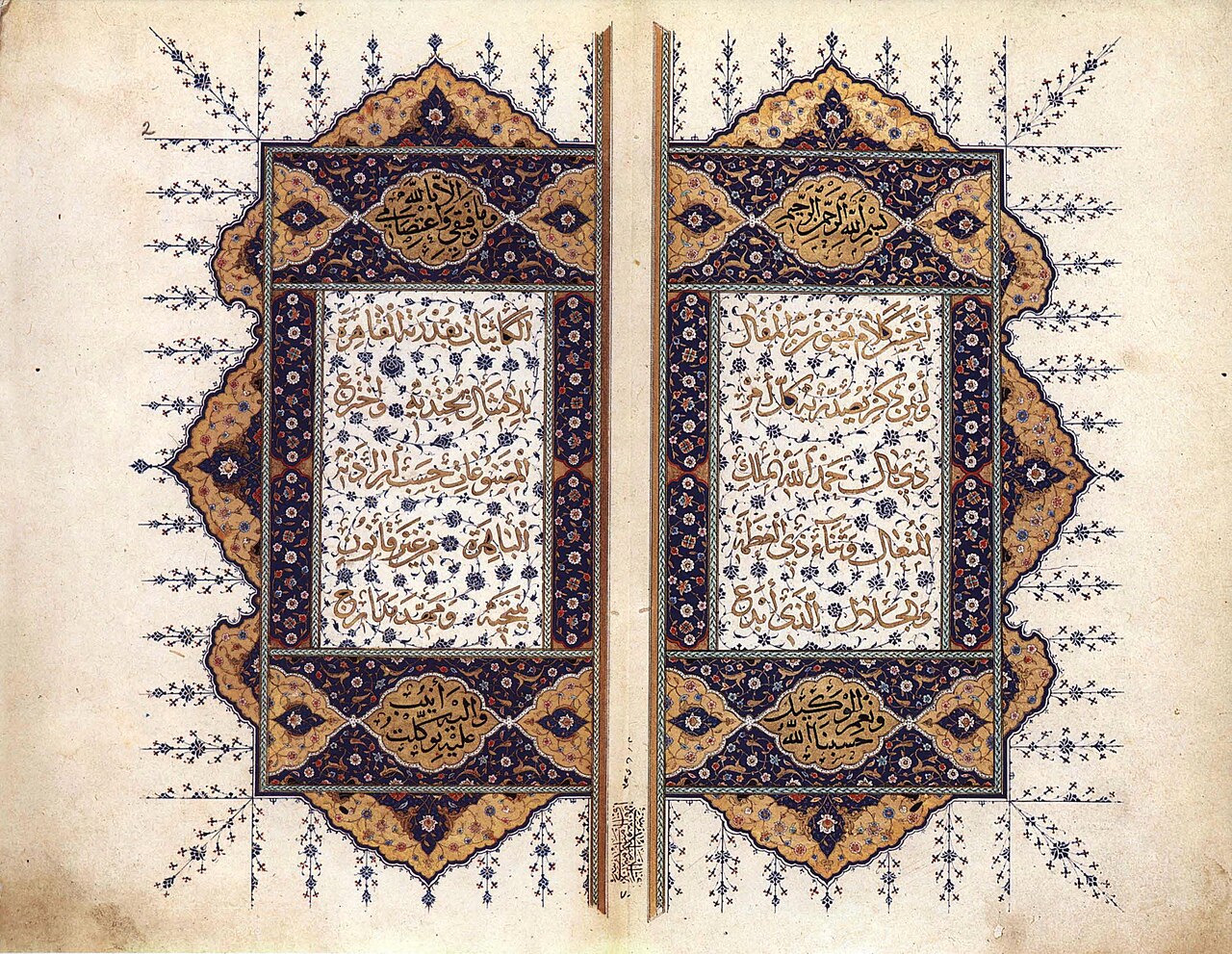
Süleymaniye Mosque
Mimar Sinan · 1550-1557
 Artifact
Primary source
Haseki Hürrem Sultan Hamamı
Mimar Sinan · 1556

Free account
Read every Hurrem Sultan source
Sign up free →
Ready when you are
Start chatting with Hurrem Sultan now.
20 messages free · No credit card · Available in 50+ languages.