


Primary sourceArtifact1538
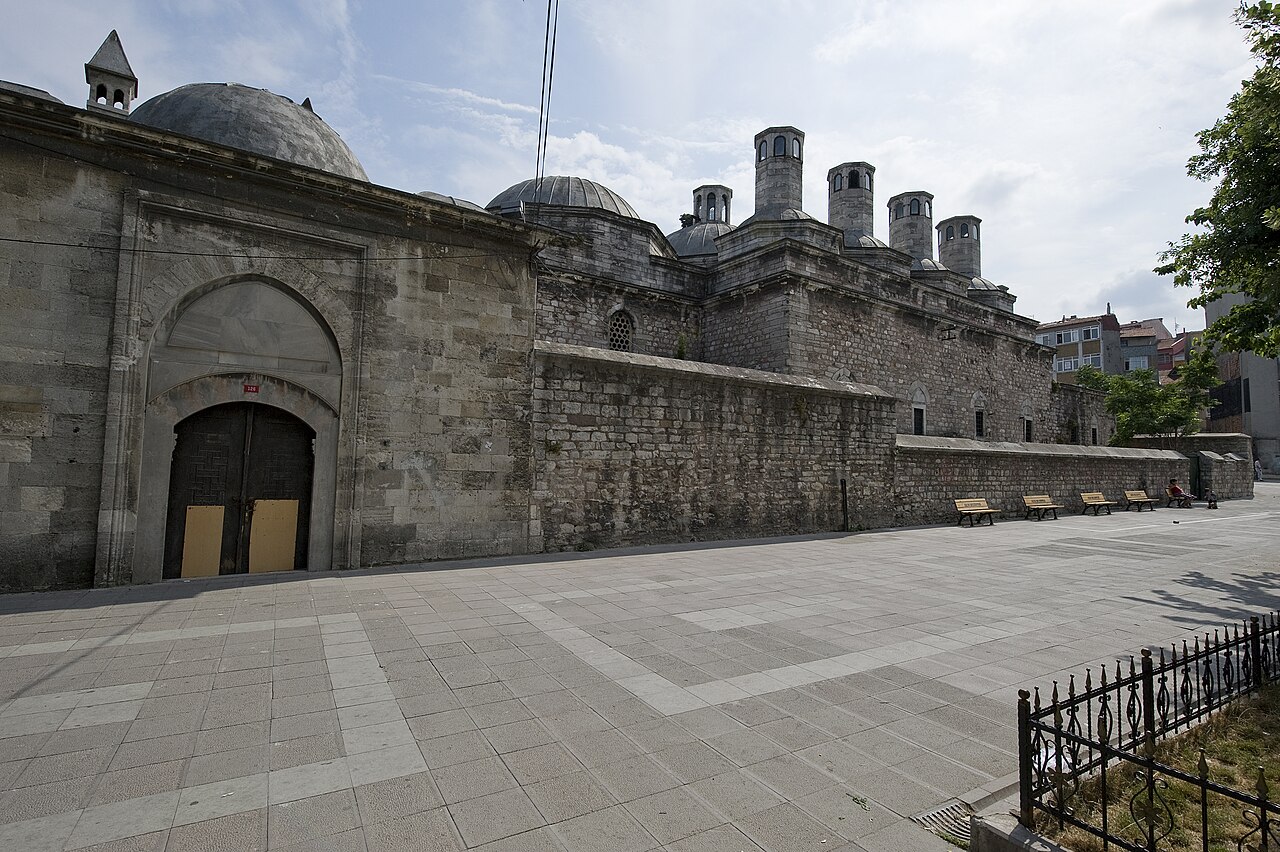
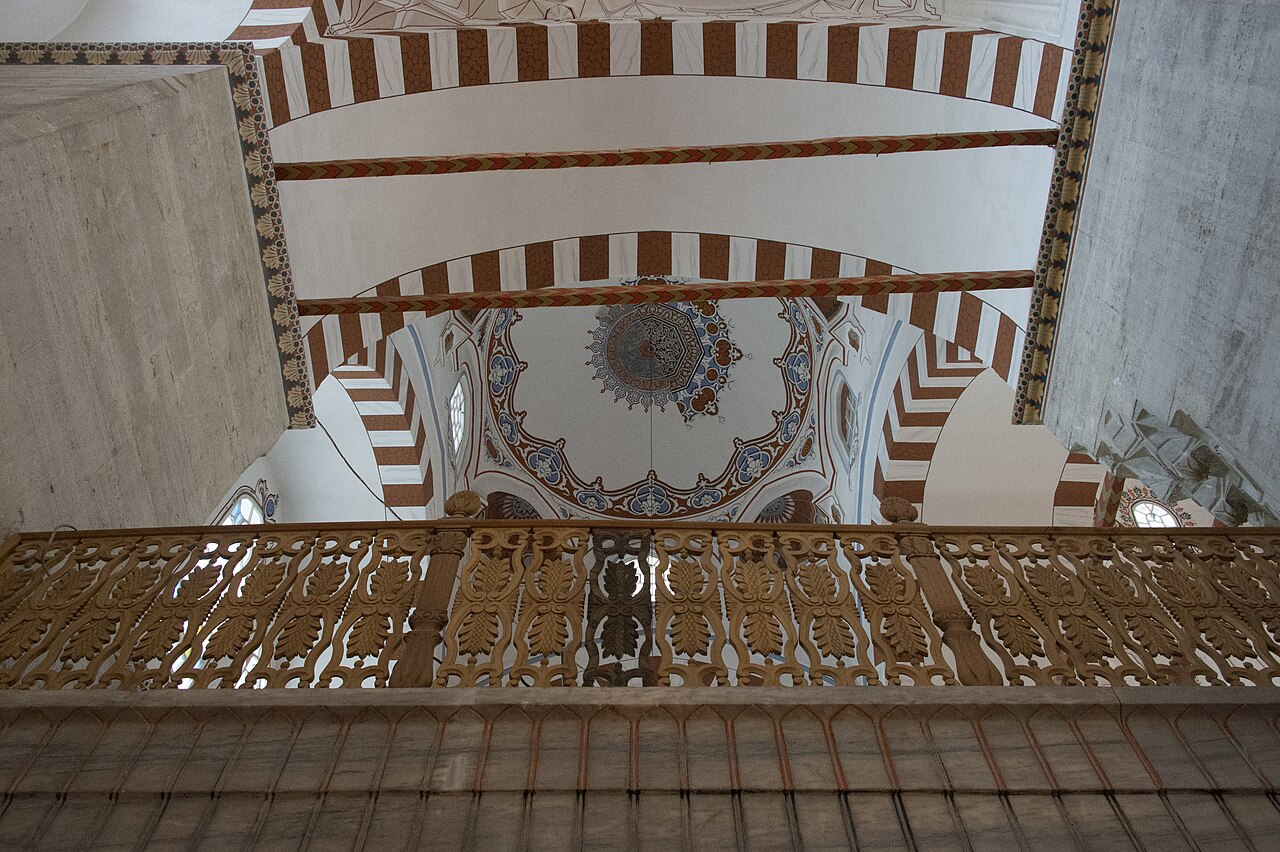
Haseki Sultan Mosque
Mimar Sinan · 1538
An Istanbul mosque complex commissioned by Hürrem Sultan, the first major imperial foundation by a royal woman in the capital.
Hürrem Sultan commissioned and likely financed this complex, demonstrating her unprecedented public and charitable role.
About this source
What it is
The Haseki Sultan Complex is a 16th-century mosque complex in the Fatih district of Istanbul, built in stages from 1538. It includes a mosque, a soup kitchen, a school, a madrasa, and a hospital. It was commissioned by Hürrem Sultan, wife of Suleiman the Magnificent, and was the first imperial project of the chief architect Mimar Sinan.
Why it matters
Royal foundations of this scale in the capital had previously been built only by sultans or princes, not by a sultan's wife. Hürrem Sultan likely paid for it using her own dowry, showing her wealth and her unusual public status as a woman at the Ottoman court. It also marks the beginning of Sinan's long career as imperial architect.
Look closer
- What does the size and variety of buildings in this complex tell you about Hürrem Sultan's resources and ambitions?
- Why might a woman's charitable foundation have been considered remarkable at the time?
- What parts of the complex are missing from the photograph, and what might they have looked like?
This artifact is part of the curated material that grounds the AI version of Hurrem Sultan on Humy.ai — when students ask about related events, the AI can quote it and cite it.
More Hurrem Sultan sources
Browse all 57 →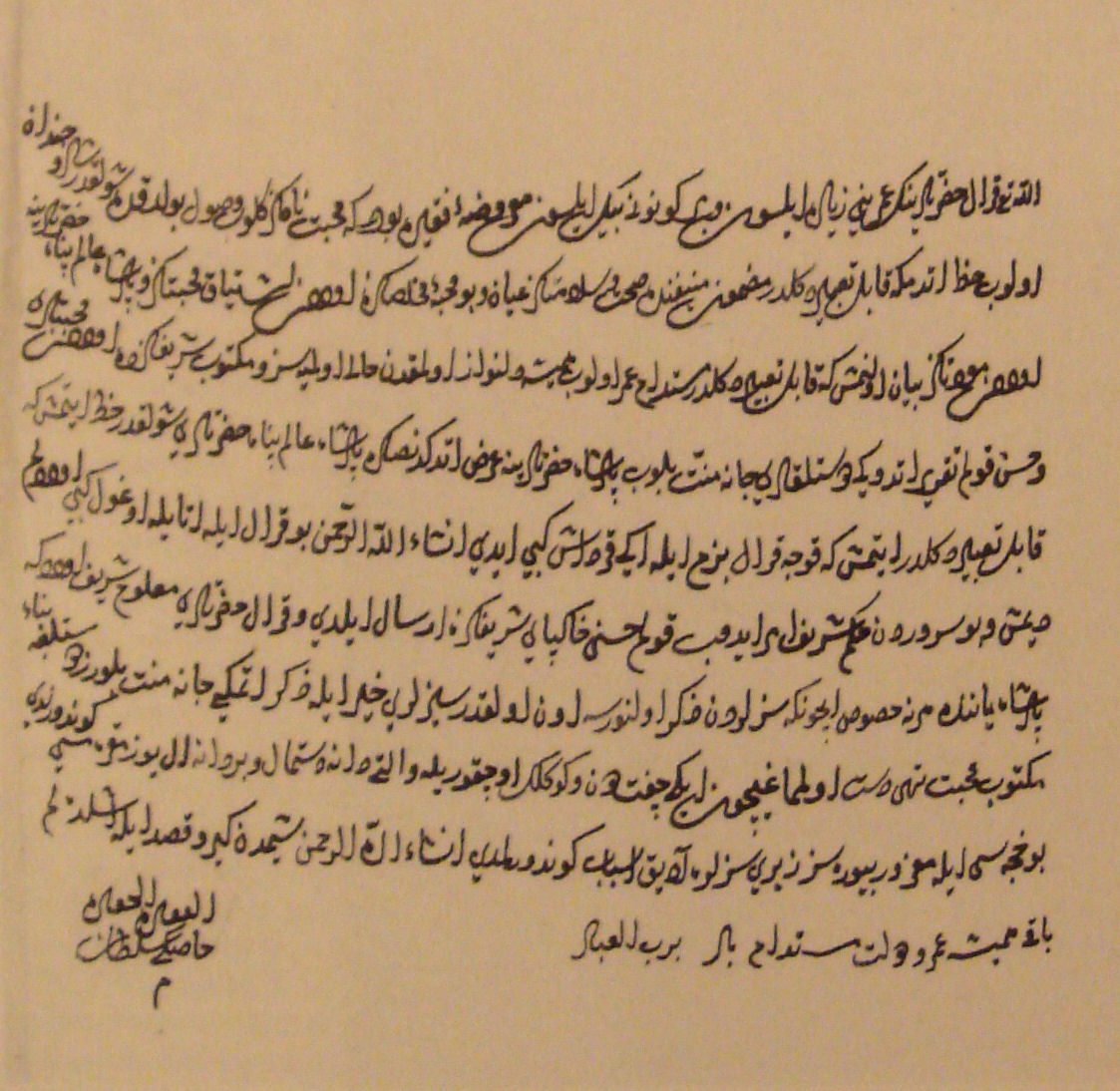 Letter
Primary source
Letter of Roxelane to Sigismund Augustus
Hürrem Sultan · 1549
 Artifact
Primary source
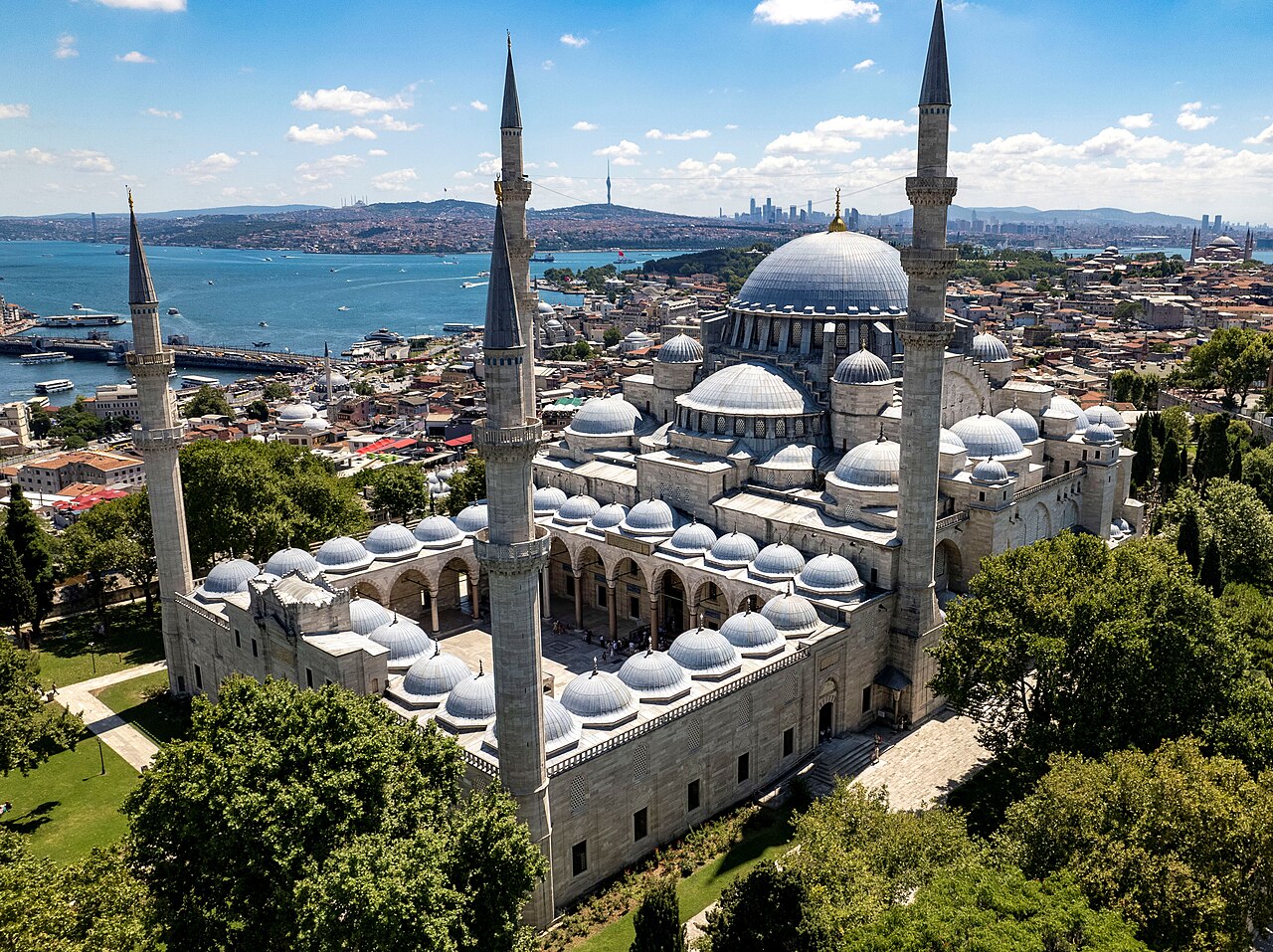
Süleymaniye Mosque
Mimar Sinan · 1550-1557
 Artifact
Primary source
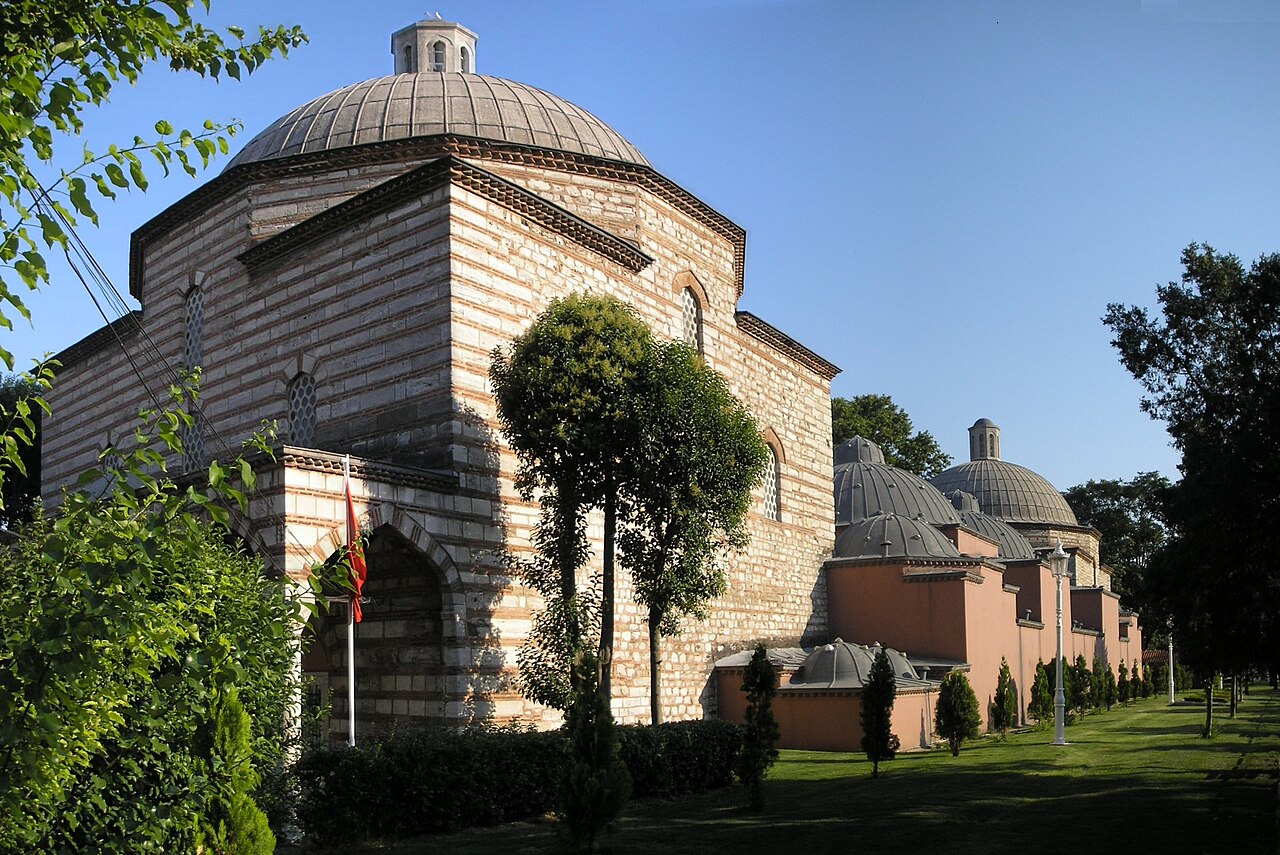
Haseki Hürrem Sultan Hamamı
Mimar Sinan · 1556
 Document
Primary source
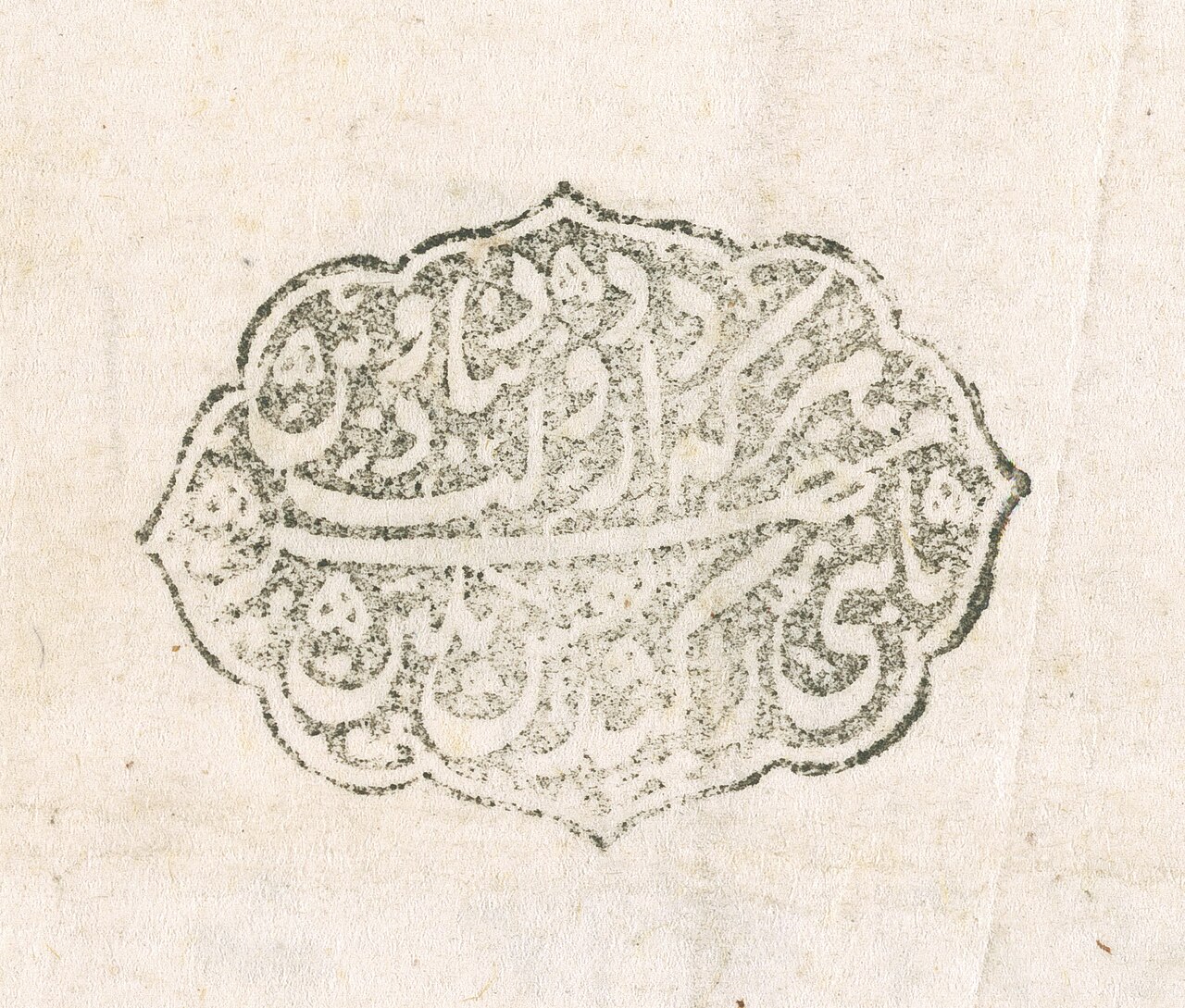
Seal of Hürrem Sultan
Hürrem Sultan · 1548
Free account
Read every Hurrem Sultan source
Sign up free →
Ready when you are
Start chatting with Hurrem Sultan now.
20 messages free · No credit card · Available in 50+ languages.