


Secondary sourceDocument2nd century BCE – 1st century CE
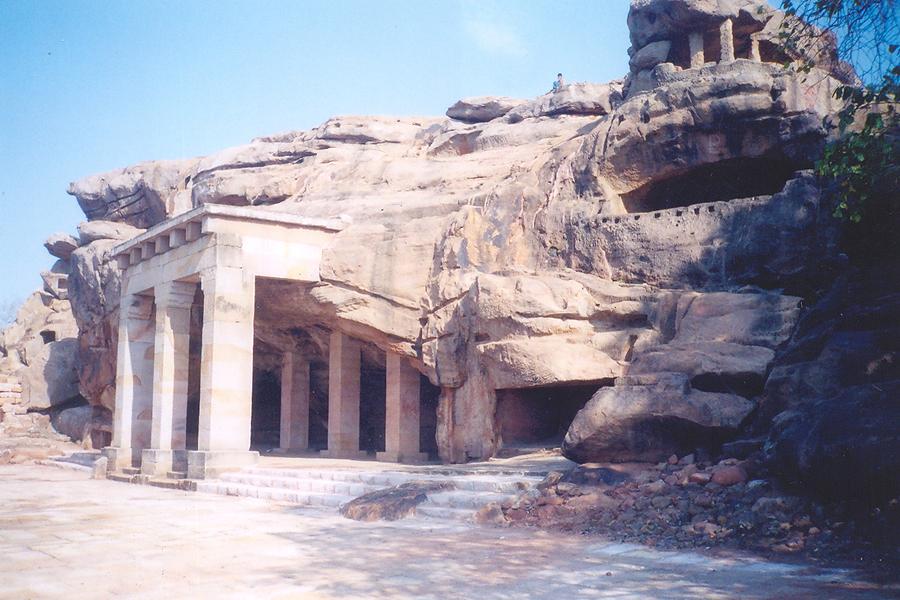
Hathigumpha inscription
2nd century BCE – 1st century CE
A Prakrit inscription in a rock cavern near Bhubaneswar that mentions a canal built by the Nanda king, the dynasty Chandragupta overthrew.
The inscription refers to a canal of the Nanda king, the dynasty Chandragupta Maurya overthrew to found his empire.
About this source
What it is
This is a seventeen-line inscription carved in Brahmi script in Prakrit language, found in the Hathigumpha cavern at Udayagiri hills near Bhubaneswar. It records the deeds of King Kharavela of Kalinga and dates from the 2nd century BCE to 1st century CE.
Why it matters
Although carved long after Chandragupta's time, the inscription refers to a canal built by a Nanda-raja, the dynasty Chandragupta Maurya overthrew to found his empire. This makes it a rare near-contemporary regional memory of the Nandas, helping historians understand the world Chandragupta rose up against. Scholars have debated and revised its reading for over a century, showing how difficult ancient inscriptions can be to interpret.
Look closer
- Why might an inscription about one king mention an earlier, different dynasty?
- What problems do historians face when parts of an inscription are damaged or eroded?
- How does an inscription like this differ from a modern written history?
This document is part of the curated material that grounds the AI version of Chandragupta Maurya on Humy.ai — when students ask about related events, the AI can quote it and cite it.
More Chandragupta Maurya sources
Meet the AI Chandragupta Maurya →Secondary source
Arthashastra
Chanakya (traditional attribution) · c. 1st–3rd century CE (traditionally attributed to Chanakya, c. 300 BCE)
 Document
Secondary source
Junagadh Rock Inscription of Rudradaman
Rudradaman I (commissioner) · shortly after 150 CE
 Book
Secondary source
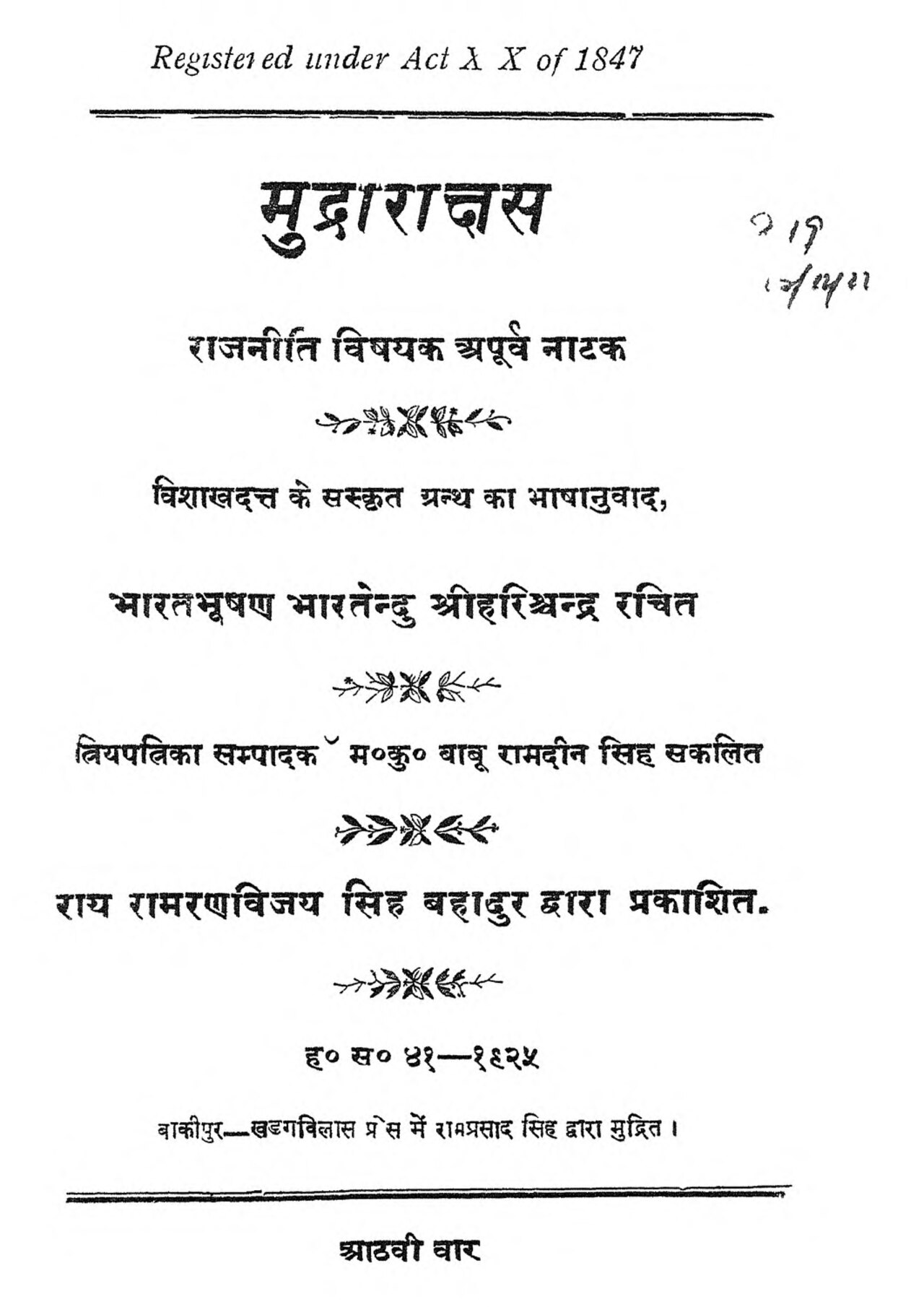
Mudrarakshasa
Vishakhadatta · between the 4th and 8th century CE
 Document
Primary source
Sohgaura Copper Plate Inscription
3rd century BCE
 Document
Secondary source
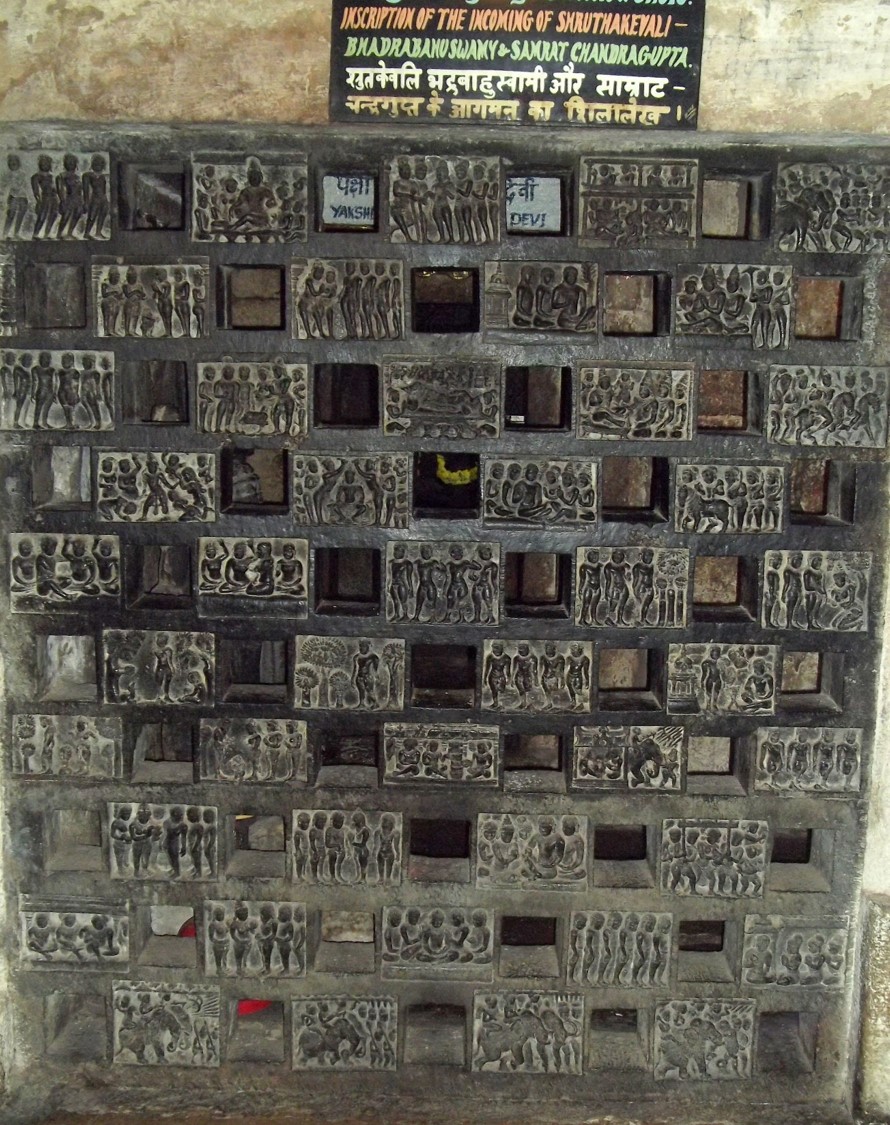
Shravanabelagola Inscription of Bhadrabahu and Chandragupta
Ready when you are
Start chatting with Chandragupta Maurya now.
20 messages free · No credit card · Available in 50+ languages.