


Secondary sourcePainting19th century
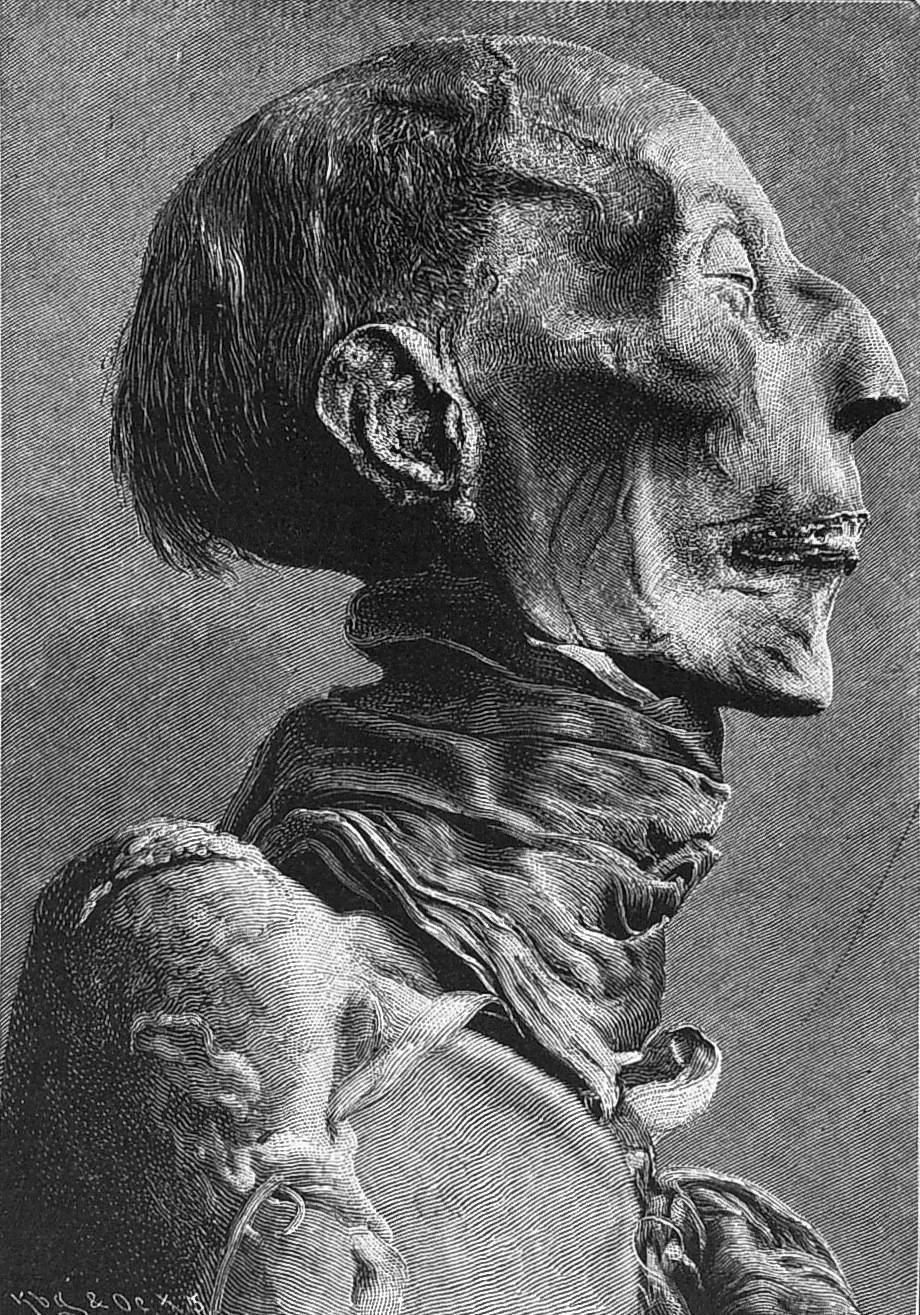
Head of the Mummy of Ramesses II
various · 19th century
A 19th-century engraving reproducing a photograph of the mummified head of Ramesses II, published in a German magazine.
This engraving depicts the mummified remains of Ramesses II, discovered and examined long after his death.
About this source
What it is
This is a black-and-white engraving showing the head and upper body of a mummified figure in profile, with a long narrow face, prominent nose, thin lips, and wrapped linen at the neck and shoulders. It was made in the late 19th century, based on an original photograph, and published with the caption identifying it as the head of the mummy of Ramesses II.
Why it matters
This image reflects the great public interest in Egyptology during the 19th century, when the mummy of Ramesses II was examined and photographed after being rediscovered. Engravings like this spread such discoveries to a wide audience through magazines, shaping how the public imagined ancient Egyptian kings.
Look closer
- How does this engraving differ from a direct photograph, and why does that matter for how we understand it?
- What might people in the 19th century have felt seeing an actual image of a pharaoh's remains?
- Why do you think there was such strong public fascination with mummies at this time?
This painting is part of the curated material that grounds the AI version of Ramses II (Ramses the Great) on Humy.ai — when students ask about related events, the AI can quote it and cite it.
More Ramses II (Ramses the Great) sources
Meet the AI Ramses II (Ramses the Great) →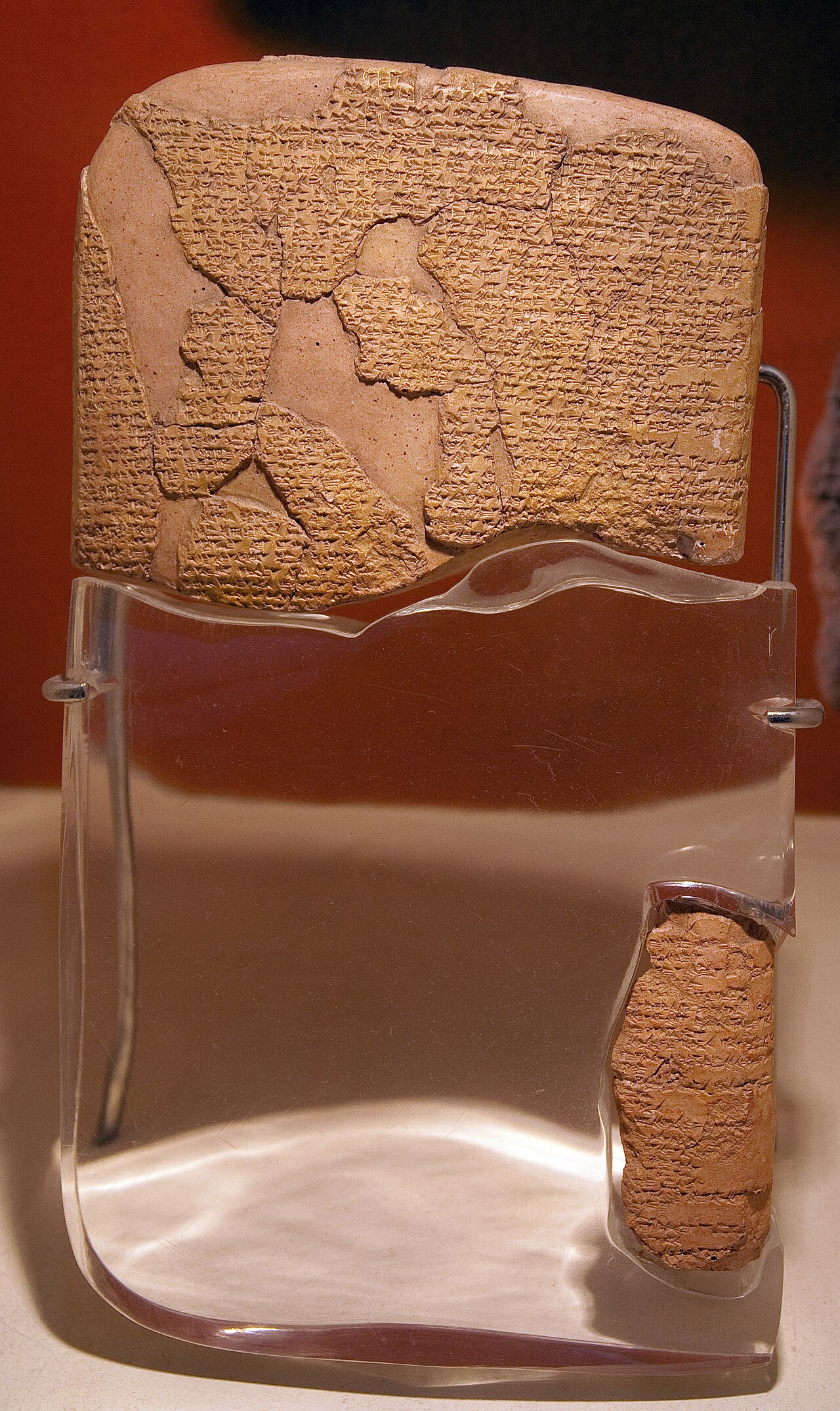 Document
Primary source
Egyptian–Hittite Peace Treaty
c. 1258 BCE
 Photograph
Secondary source
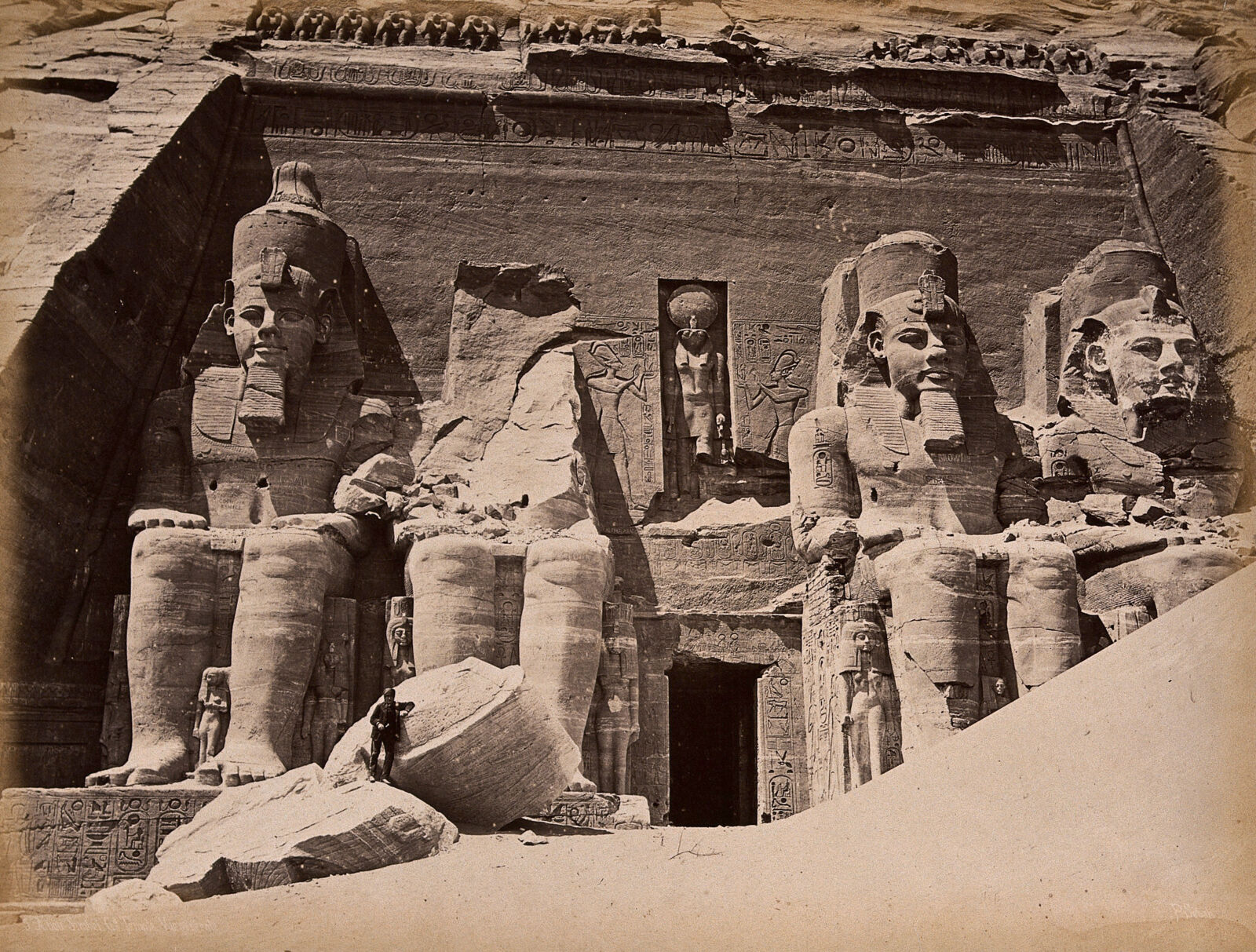
Abu Simbel Temple Colossi
Pascal Sébah · 1875
 Artifact
Primary source
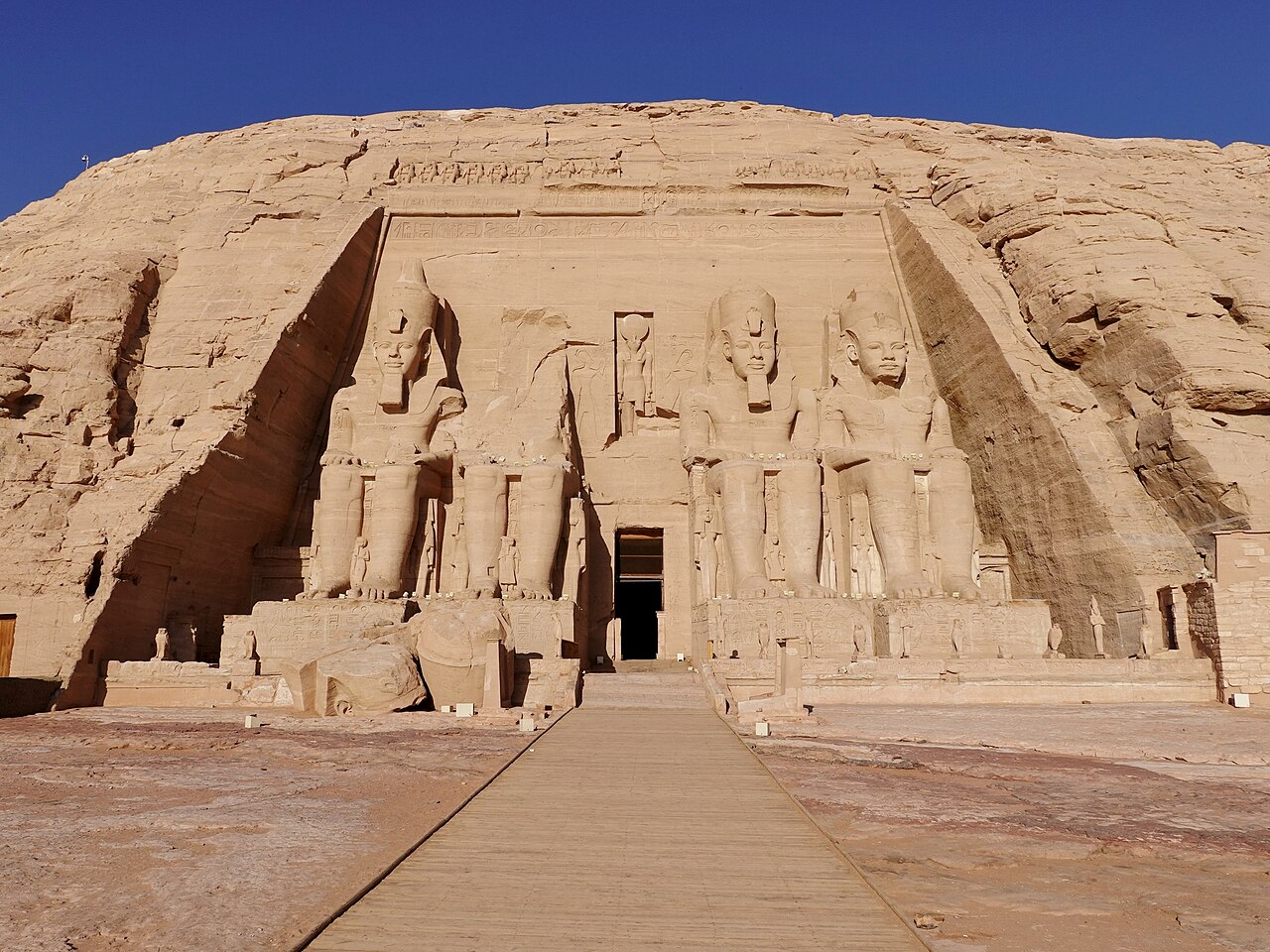
Abu Simbel
Ramesses II · c. 1273 BCE
 Photograph
Secondary source
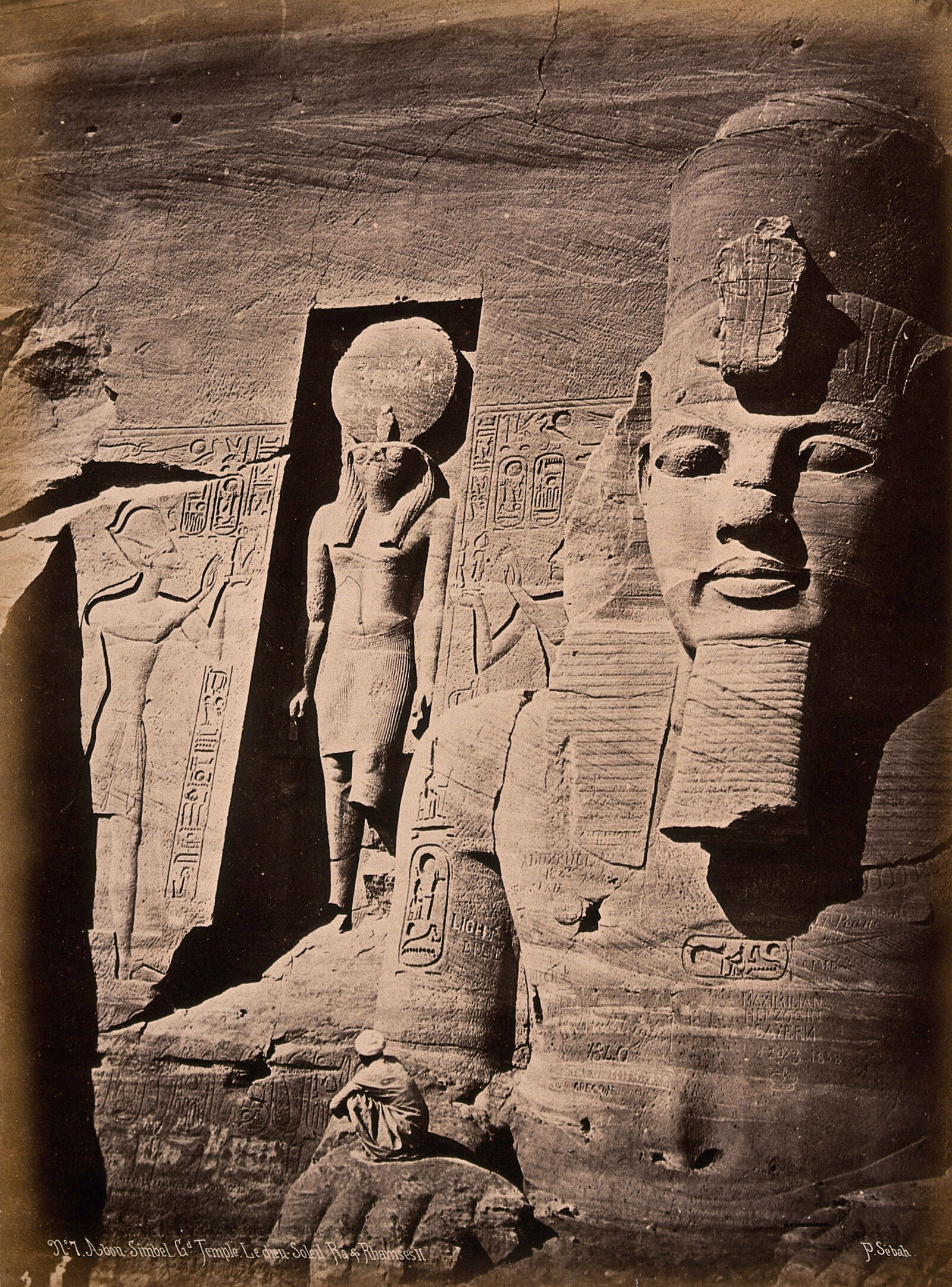
Facade Detail of Abu Simbel Showing Ramesses II and Ra
Pascal Sébah · 1875
 Photograph
Secondary source
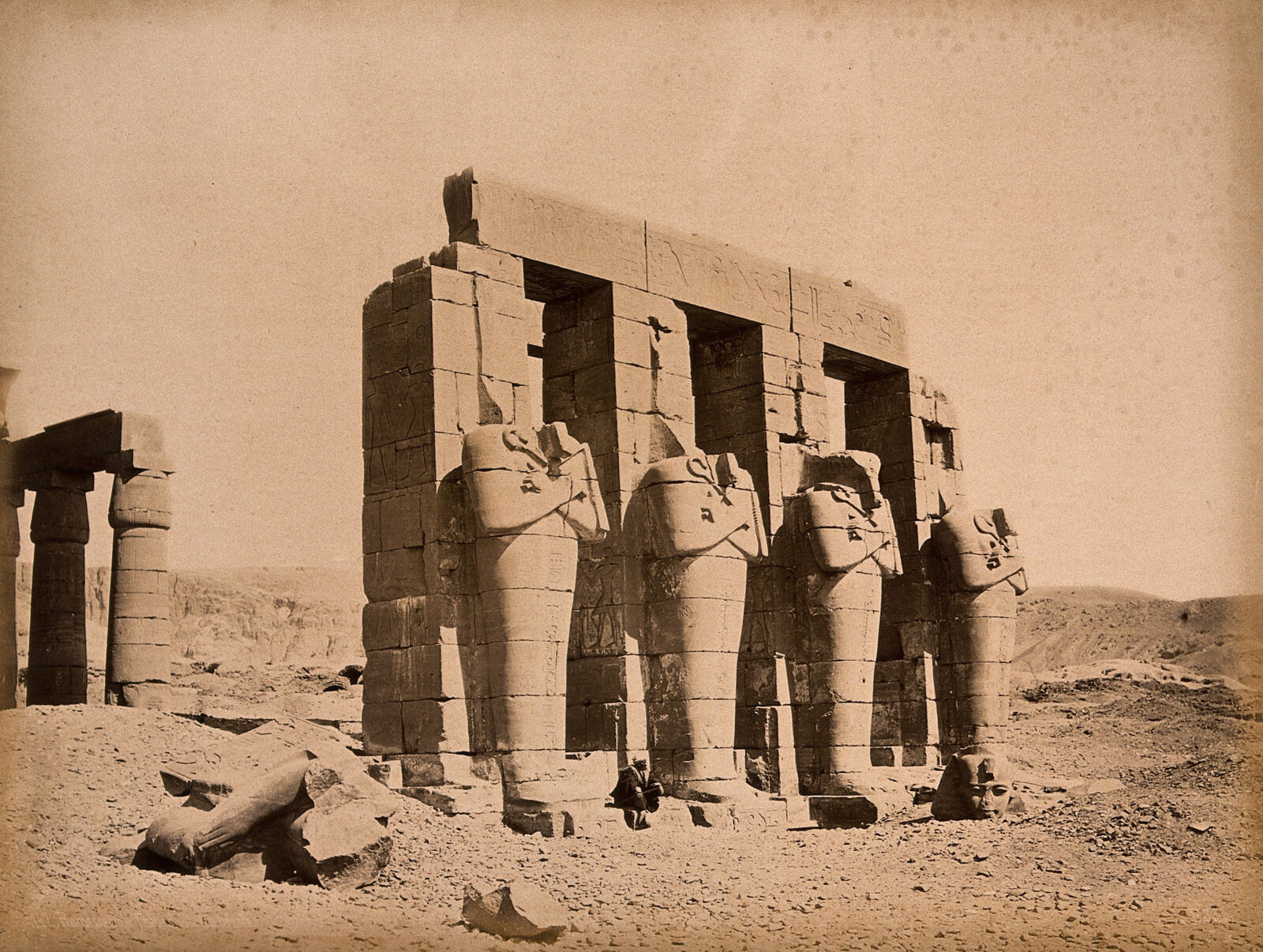
Ramesseum Colossi in Ruins
Pascal Sébah · c. 1875
Ready when you are
Start chatting with Ramses II (Ramses the Great) now.
20 messages free · No credit card · Available in 50+ languages.