


Primary sourceArtifactc. 1765–1778
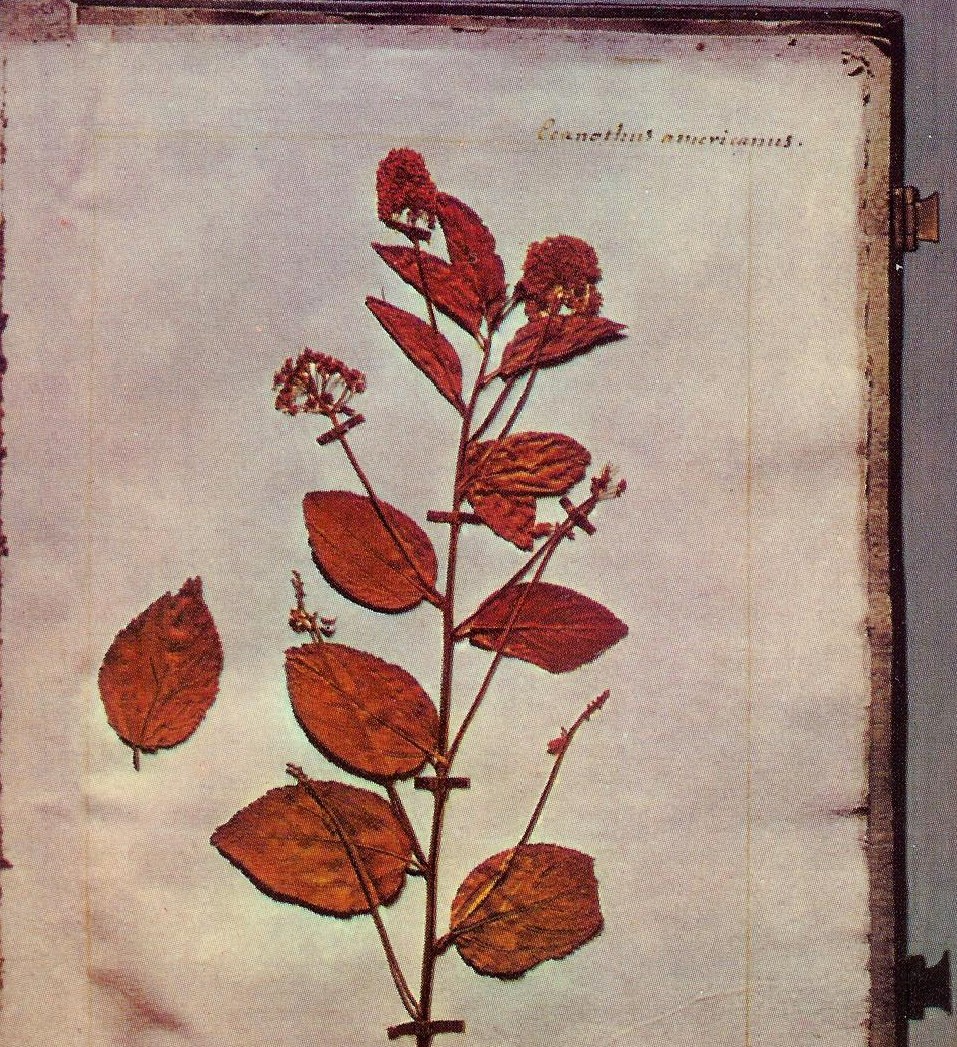
Herbarium of Jean-Jacques Rousseau
Jean-Jacques Rousseau · c. 1765–1778
Dried plant specimens collected and mounted by Rousseau himself, evidence of his botanizing in later life.
Plant specimens Rousseau collected and mounted himself, showing his passion for botany in his later years.
About this source
What it is
This is a page from a personal herbarium, a collection of dried and pressed plants, made by Jean-Jacques Rousseau. It includes a specimen believed to be Ceanothus americanus, labeled in handwriting on the page. Part of his plant collection came from the naturalist Jean Baptiste Christophore Fusée Aublet, who left it to Rousseau when he died in 1778; Rousseau kept it only briefly. The herbarium is held by the Muséum national d'histoire naturelle in Paris.
Why it matters
Rousseau spent much of his later life studying botany as a way to find peace and connect with nature. This herbarium is physical, hands-on evidence of that interest, made by his own hands rather than written in a book.
Look closer
- What does the careful mounting and labeling of a plant tell us about the person who made it?
- Why might a philosopher turn to collecting plants in his later years?
- What might be lost or changed when a living plant is pressed and dried like this?
This artifact is part of the curated material that grounds the AI version of Jean-Jacques Rousseau on Humy.ai — when students ask about related events, the AI can quote it and cite it.
More Jean-Jacques Rousseau sources
Meet the AI Jean-Jacques Rousseau →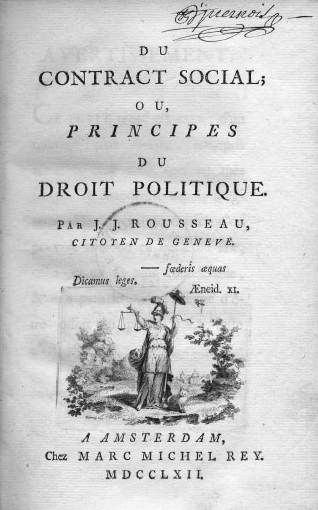 Book
Primary source
The Social Contract
Jean-Jacques Rousseau · 1762
 Painting
Primary source
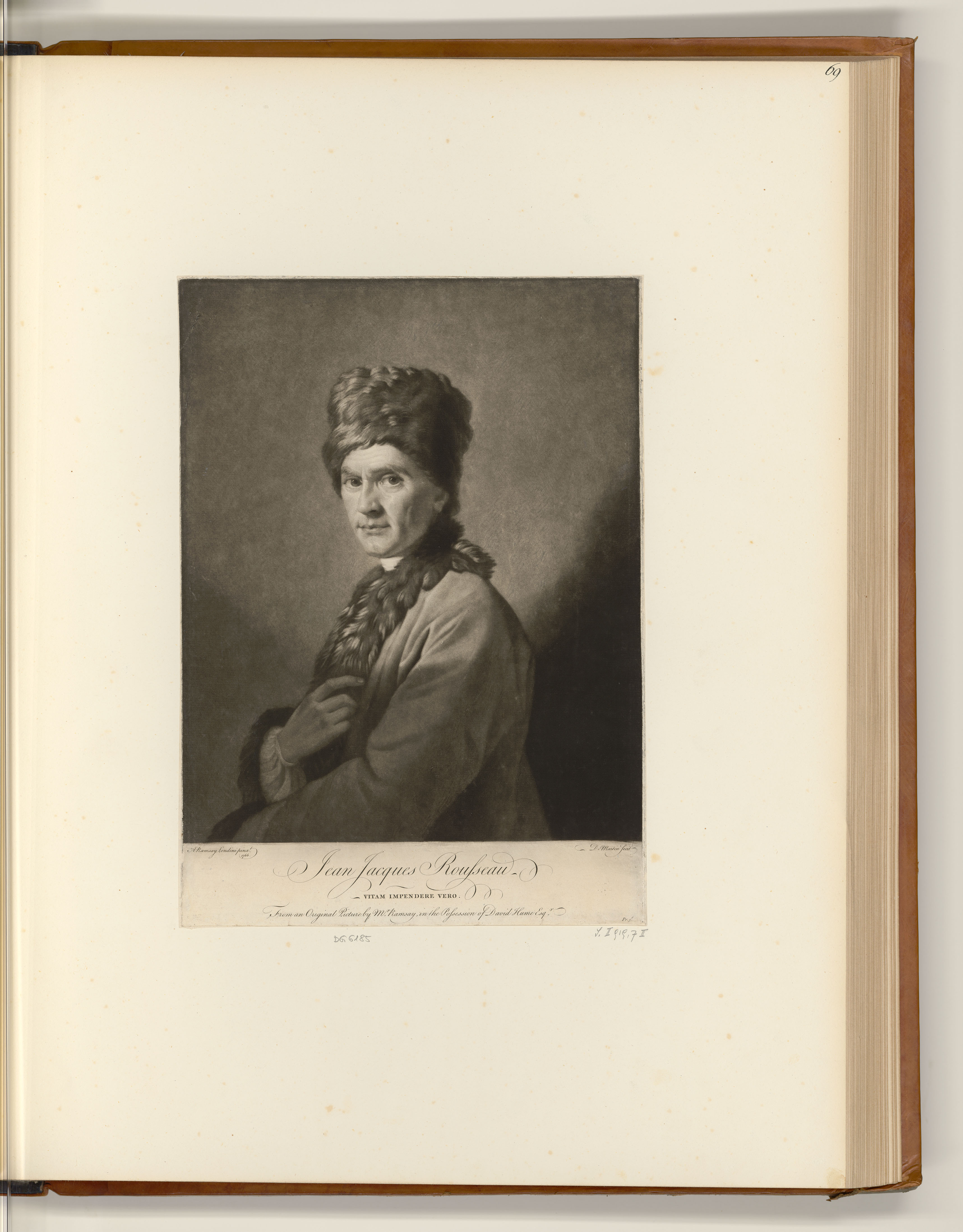
Portrait of Jean Jacques Rousseau
David Martin · 1766
 Book
Primary source
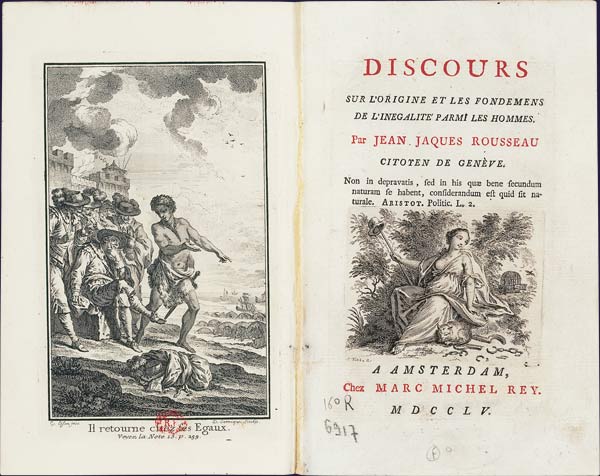
Discourse on Inequality
Jean-Jacques Rousseau · 1754 (published 1755)
 Painting
Secondary source
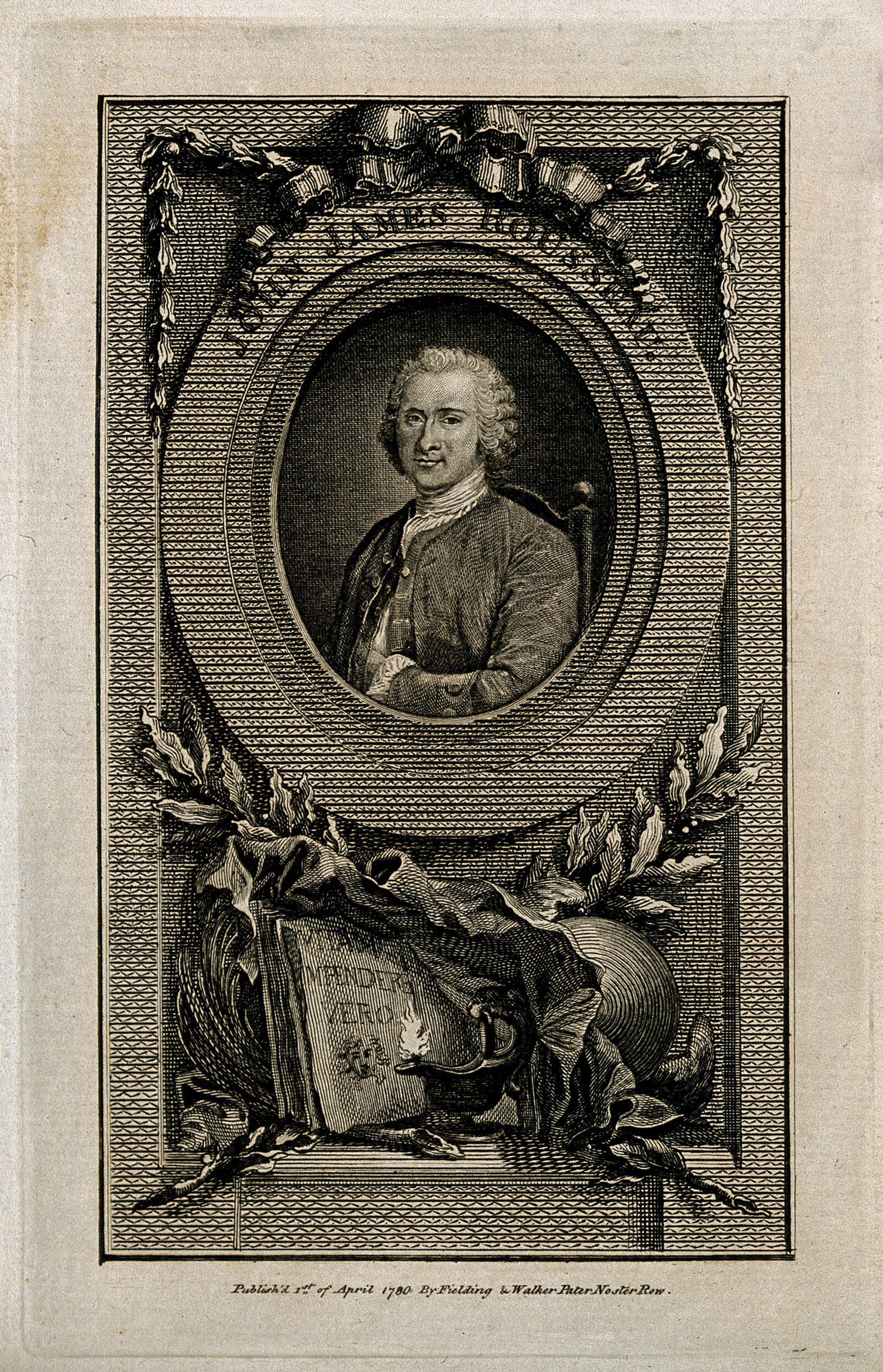
Engraving of Rousseau after La Tour's Portrait
E. Ficquet, after Maurice Quentin de La Tour · 1780
 Book
Primary source
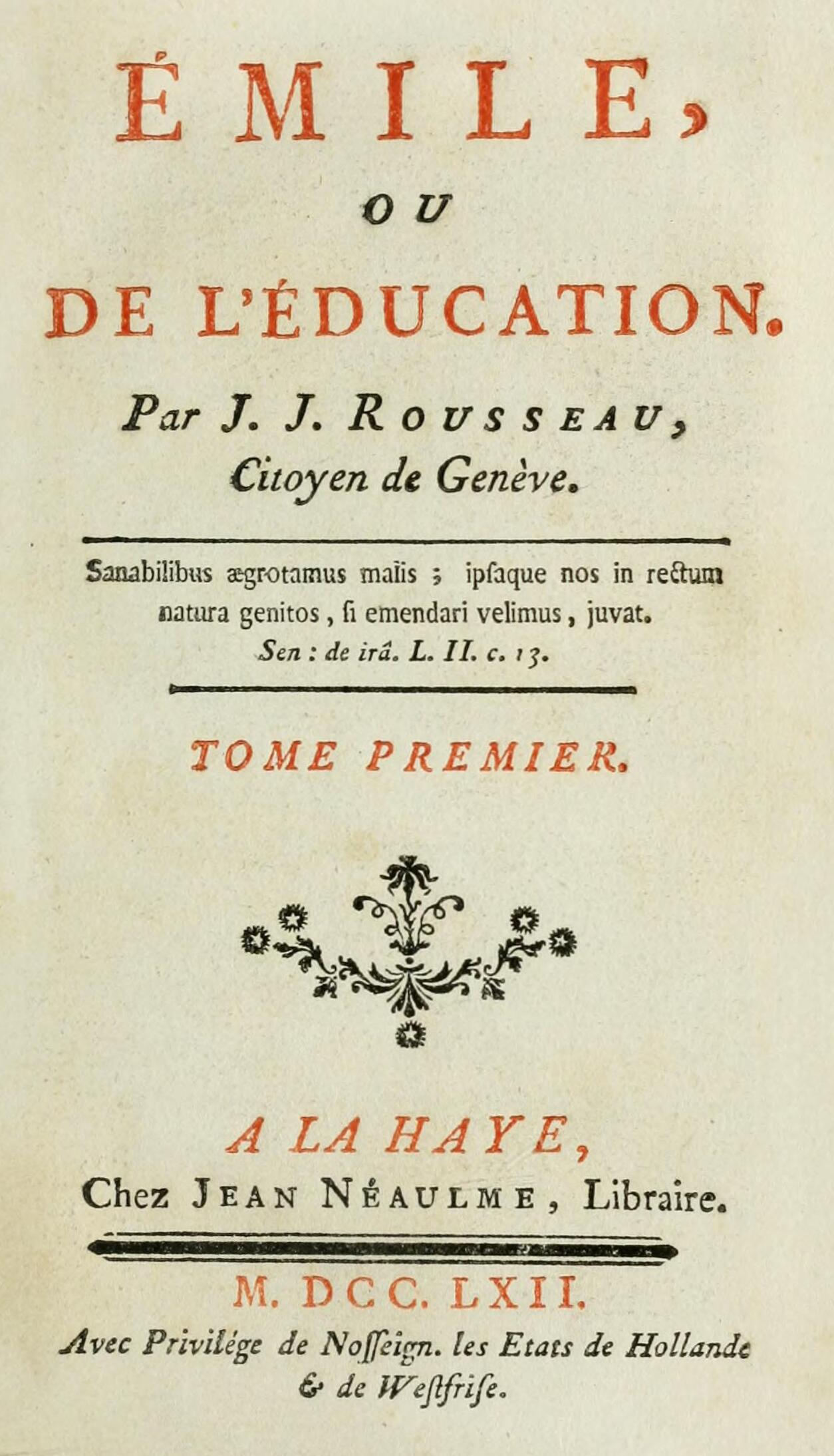
Emile, or On Education
Jean-Jacques Rousseau · 1762
Ready when you are
Start chatting with Jean-Jacques Rousseau now.
20 messages free · No credit card · Available in 50+ languages.