


Secondary sourceBook12th century
Historia Caroli Magni
Pseudo-Turpin · 12th century
A 12th-century forged chronicle, falsely attributed to Charlemagne's contemporary Archbishop Turpin, that invented legendary wars by Charlemagne in Spain.
This forged chronicle invented a legendary Spanish crusade for Charlemagne, shaping his later medieval legend.
About this source
What it is
This is a 12th-century Latin chronicle claiming to be written by Archbishop Turpin, a contemporary of Charlemagne, but actually composed centuries later by an unknown author known as Pseudo-Turpin. It tells of imagined campaigns by Charlemagne in Spain, including miracles and the death of the giant Ferracutus at the hands of Roland. It survives in many manuscripts, including within the Codex Calixtinus.
Why it matters
Although presented as history, this text is a medieval forgery based on legendary poetry rather than real events. It became enormously popular across Europe, shaping how people imagined Charlemagne for centuries and even appearing in stained glass at Chartres Cathedral. It shows how later generations reinvented Charlemagne as a legendary crusader and link to the pilgrimage site of Santiago de Compostela, revealing more about medieval storytelling and religious politics than about the real emperor.
Look closer
- Why would someone forge a chronicle and attribute it to a long-dead archbishop?
- What does the popularity of this false history tell you about what medieval readers wanted from stories about Charlemagne?
- How might this text have shaped later art, like the Chartres windows?
This book is part of the curated material that grounds the AI version of Charlemagne on Humy.ai — when students ask about related events, the AI can quote it and cite it.
More Charlemagne sources
Meet the AI Charlemagne →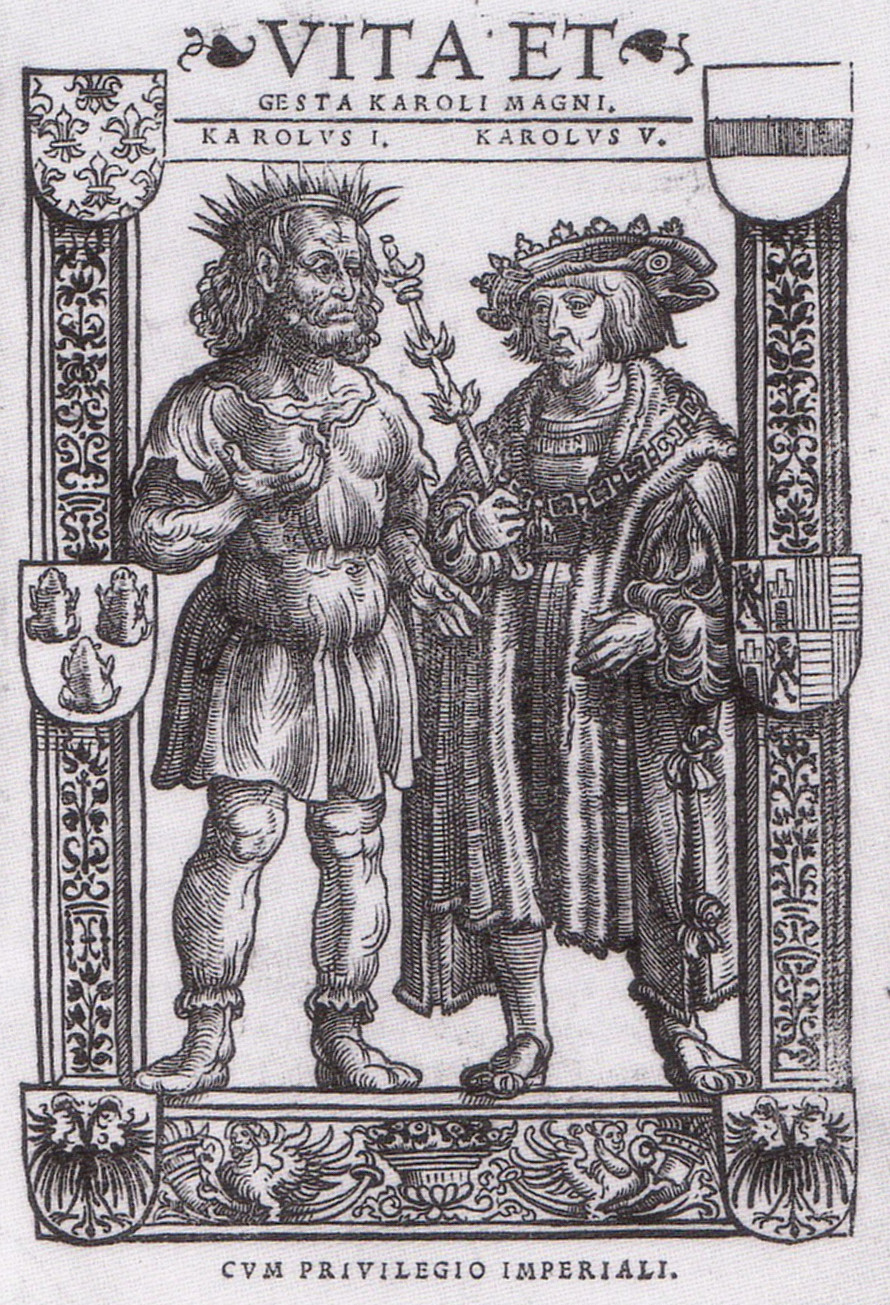 Book
Secondary source
Vita Karoli Magni
Einhard · c. 817-833
 Document
Primary source
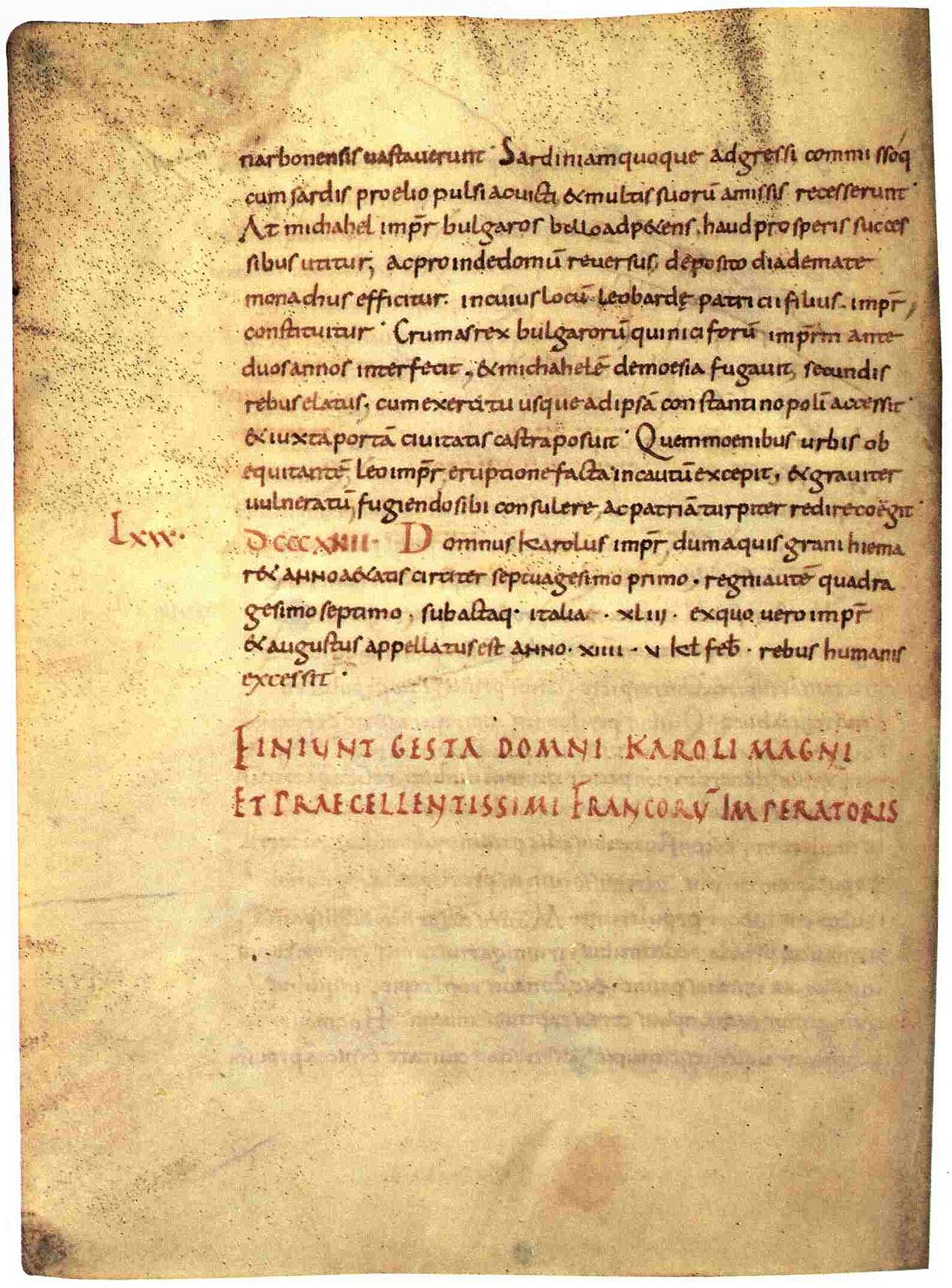
Royal Frankish Annals
741-829, this manuscript c. 900
Primary source
De litteris colendis
Charlemagne · late 780s-800s
 Document
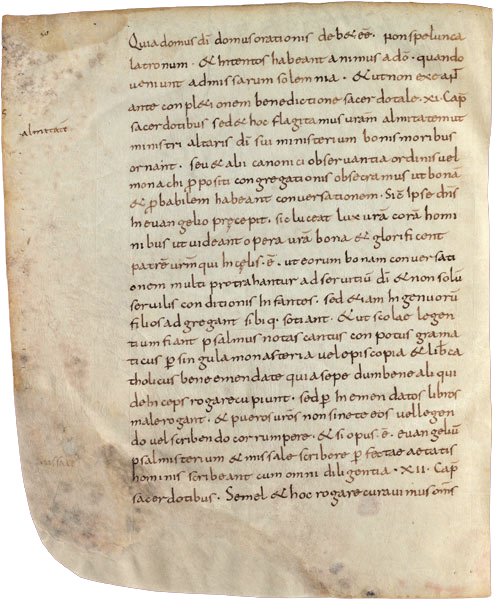
Primary source
Admonitio generalis
Charlemagne · 23 March 789
 Document
Primary source
Capitulare de villis
c. 771-800
Ready when you are
Start chatting with Charlemagne now.
20 messages free · No credit card · Available in 50+ languages.