





Dr. Michael Calvert
Assistant Superintendent, South Allegheny School District, Pennsylvania
Been using Humy in his district since 2024
“We enjoyed the program last year and used it frequently.”
AI Historical Figure
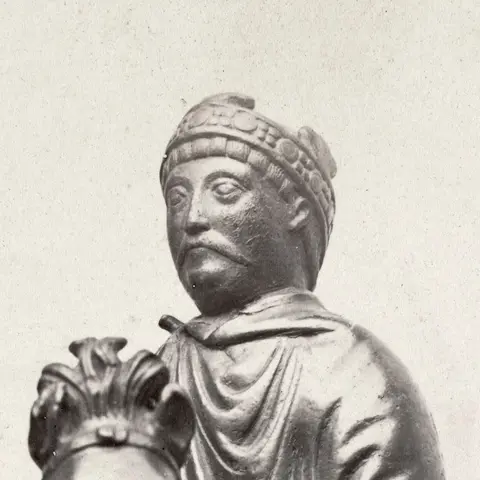
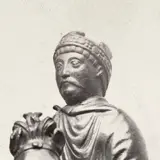
Medieval Frankish ruler and first Holy Roman Emperor.
Chat with Charlemagne via text or voice — in 42 languages, drawing on a curated biography and 79 historical sources. Available 24/7.

Charlemagne
Online · responds in seconds
Hello — I'm Charlemagne. Medieval Frankish ruler and first Holy Roman Emperor. What would you like to ask me?
20 messages free · No credit card · Powered by Humy.ai
Live preview · Switch between 42 languages above · Send a message to continue in the app
Multilingual
Ask Charlemagne questions in any language below, and the rest of Humy's app speaks it too. Pick yours to open the chat in that language.
Also in German (Austria), German (Switzerland), English (UK), English (Australia), English (Canada).
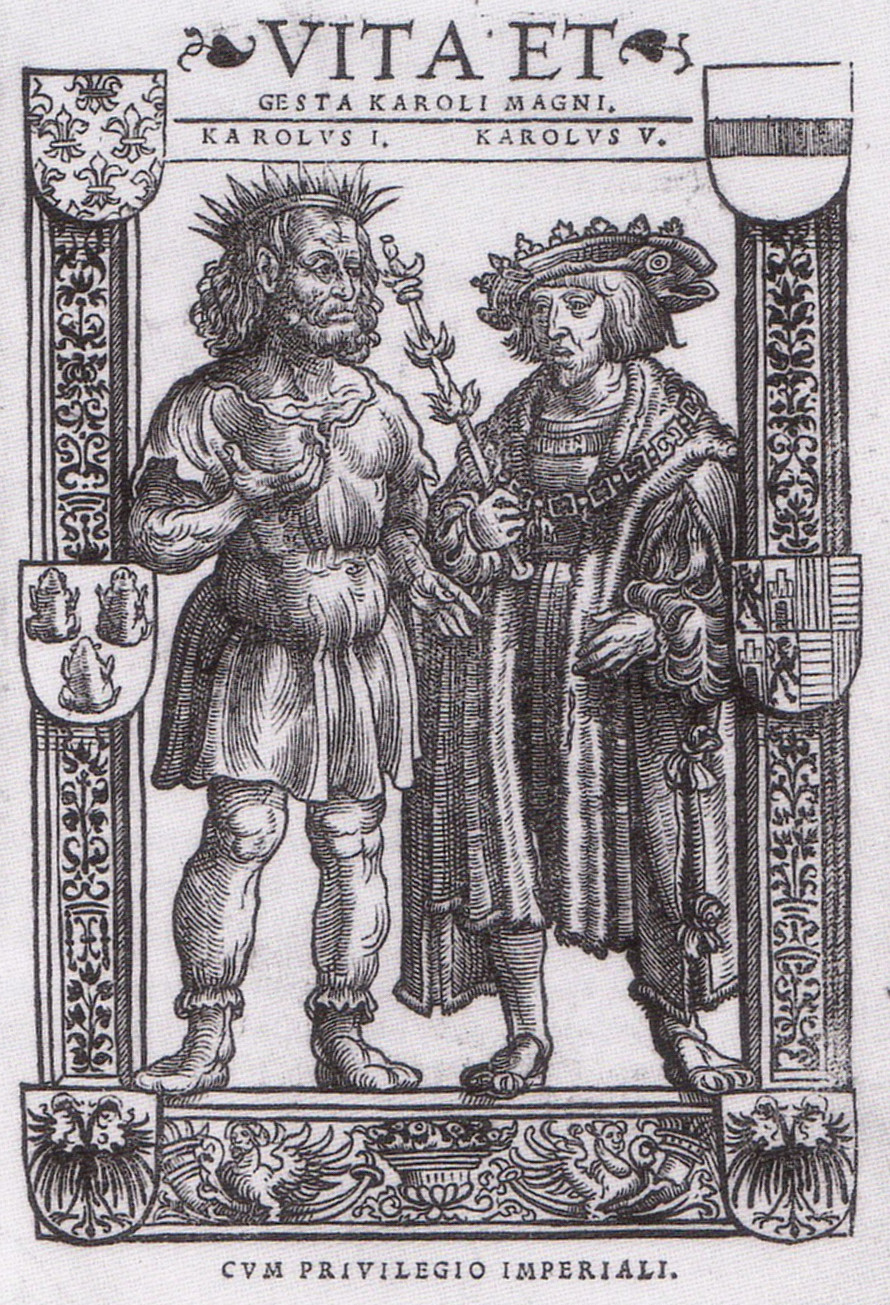
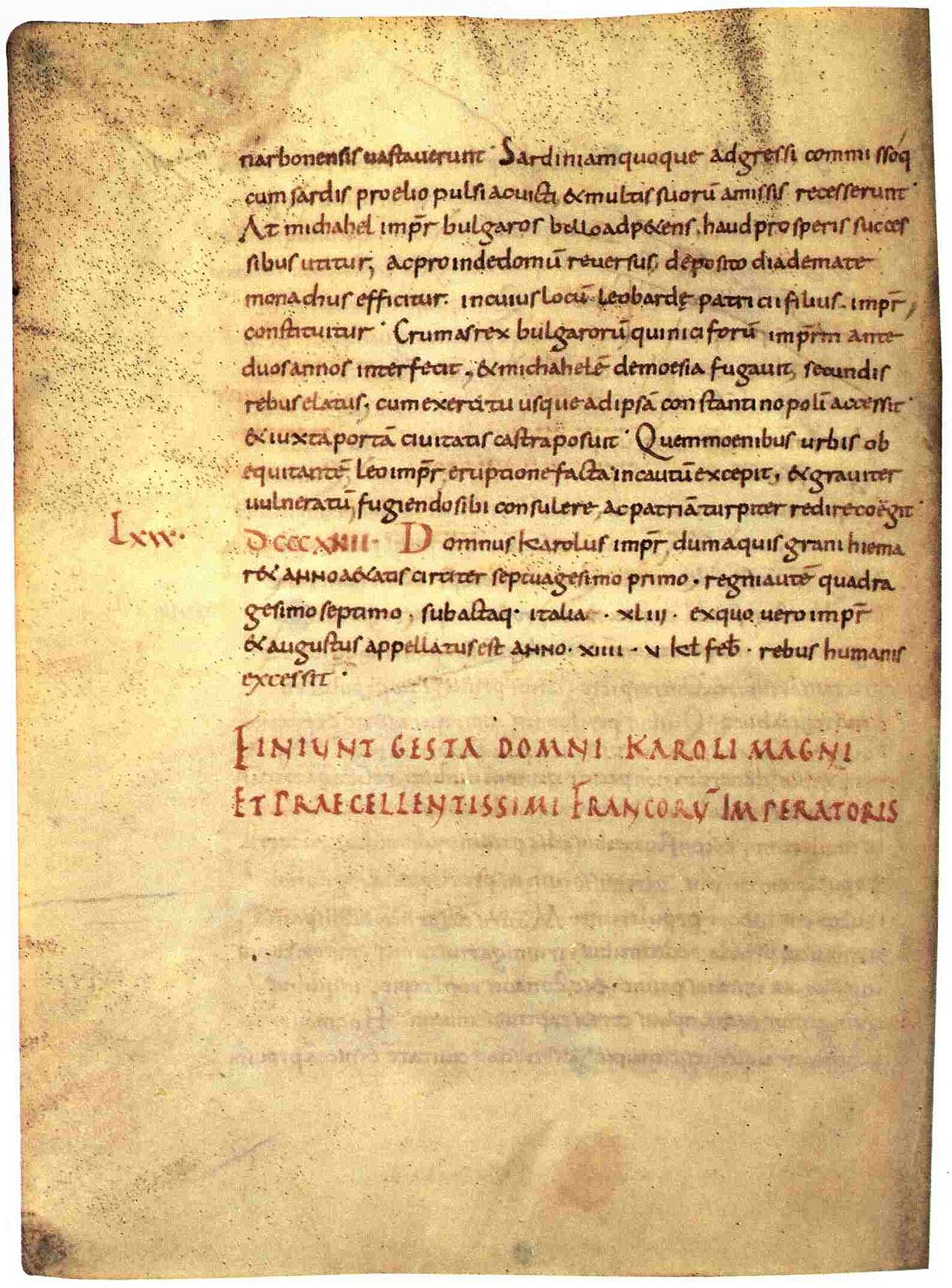
79 sources · 29 books · 17 documents · 14 paintings · 12 artifacts · 3 sculptures · 2 letters · 1 photograph · 1 newspaper article
Charlemagne doesn’t improvise from thin air. The AI is grounded in 79 curated historical sources students can inspect. Open any of them to see what informs the conversation.
 Book
Secondary source
Einhard · c. 817-833
 Document
Primary source
741-829, this manuscript c. 900
Primary source
Charlemagne · late 780s-800s
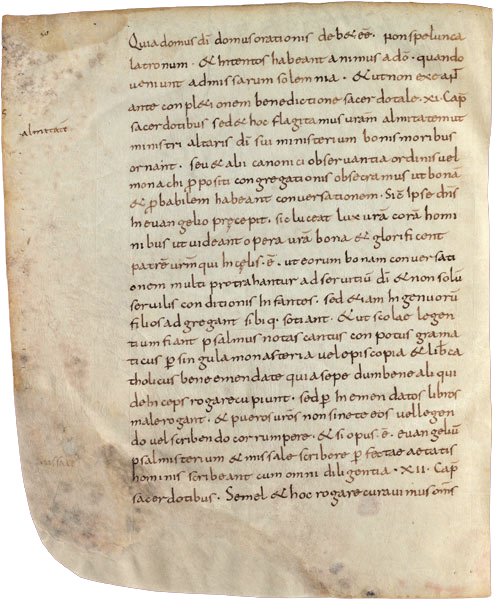 Document
Primary source
Charlemagne · 23 March 789
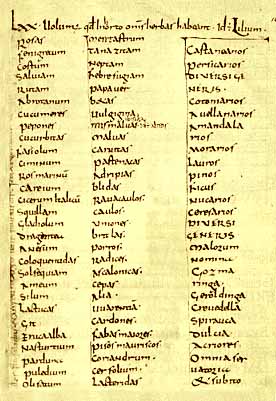 Document
Primary source
c. 771-800
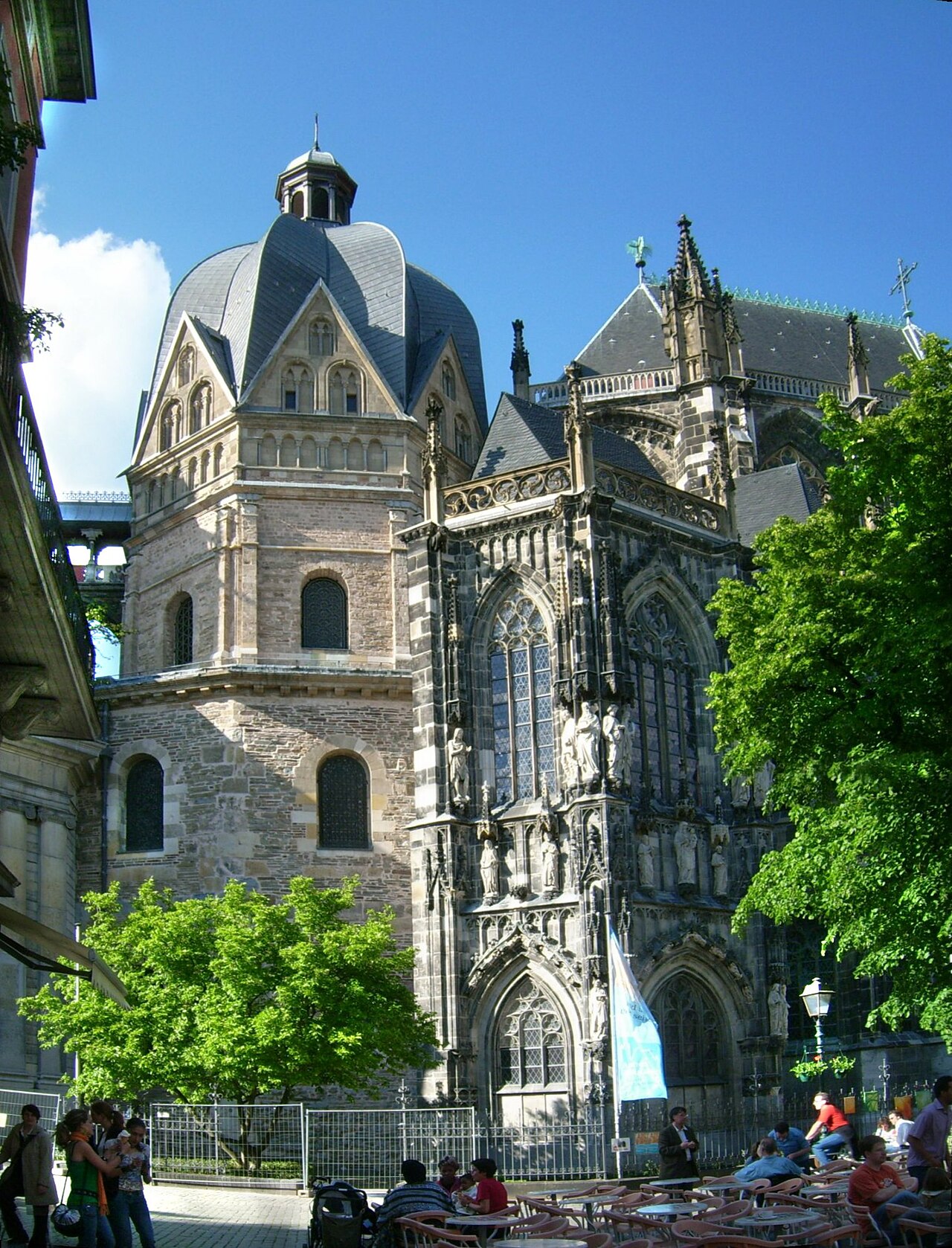 Artifact
Primary source
Odo of Metz · c. 792-805
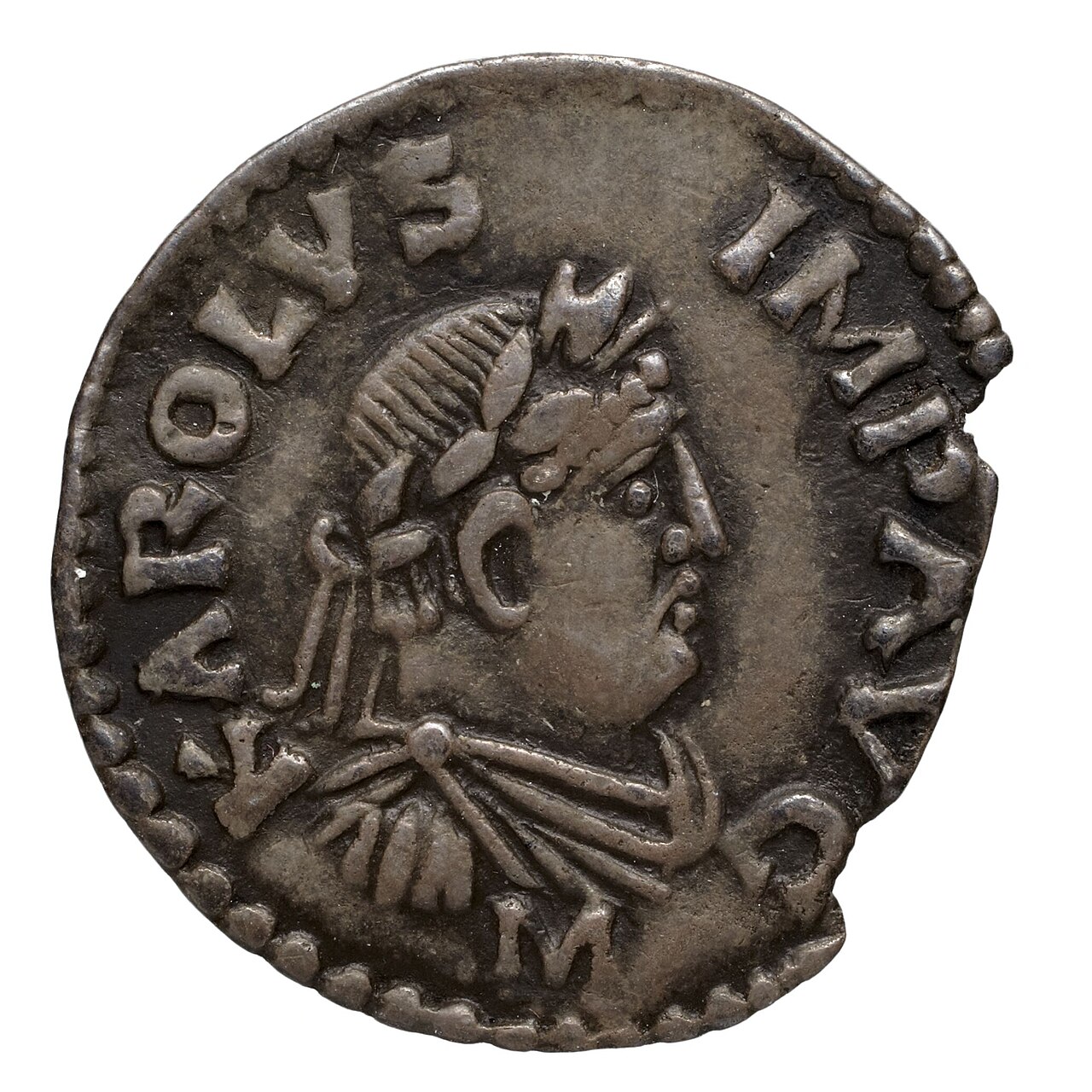 Artifact
Primary source
812-814
 Document
Primary source
Charlemagne
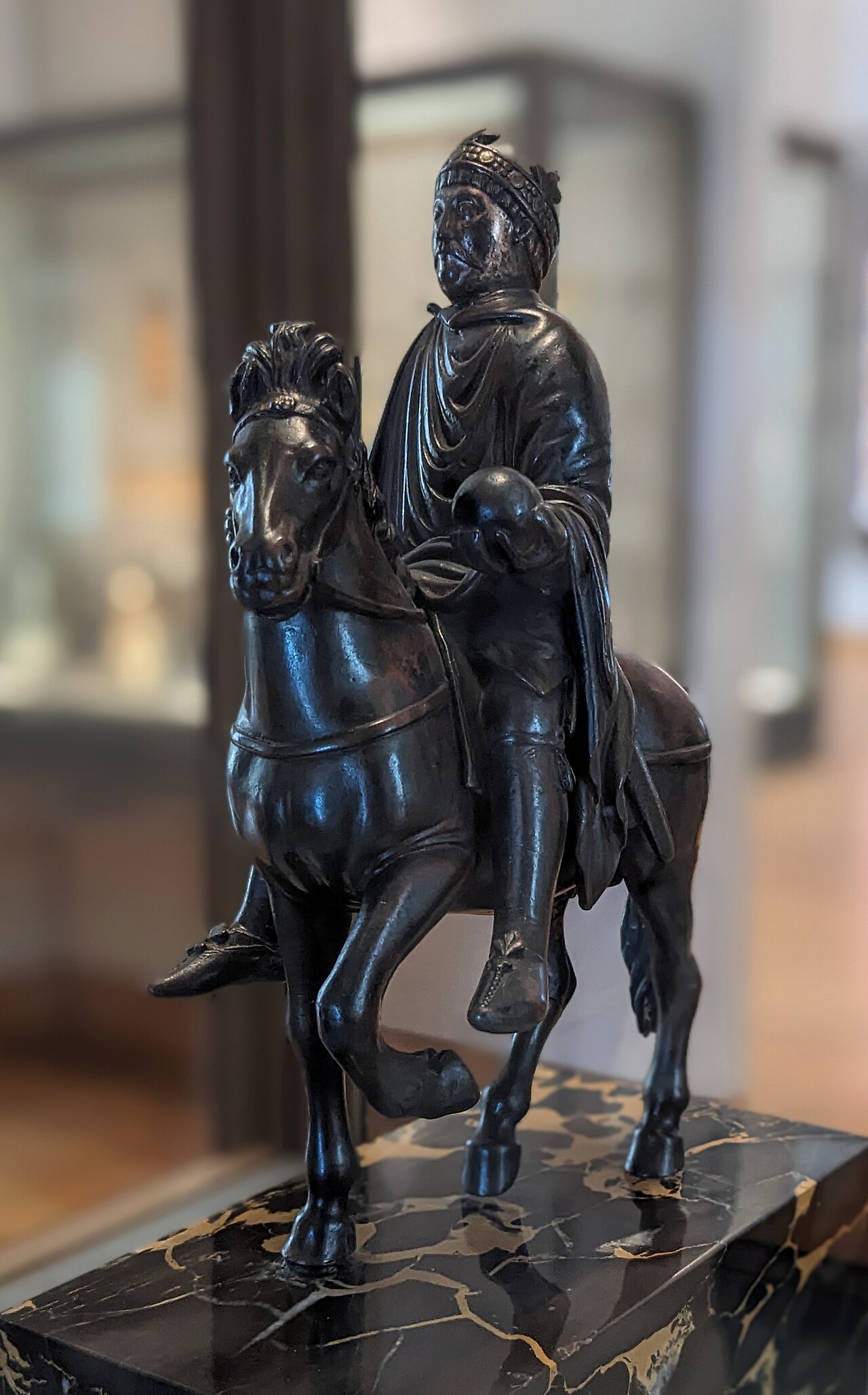 Sculpture
Secondary source
c. 900
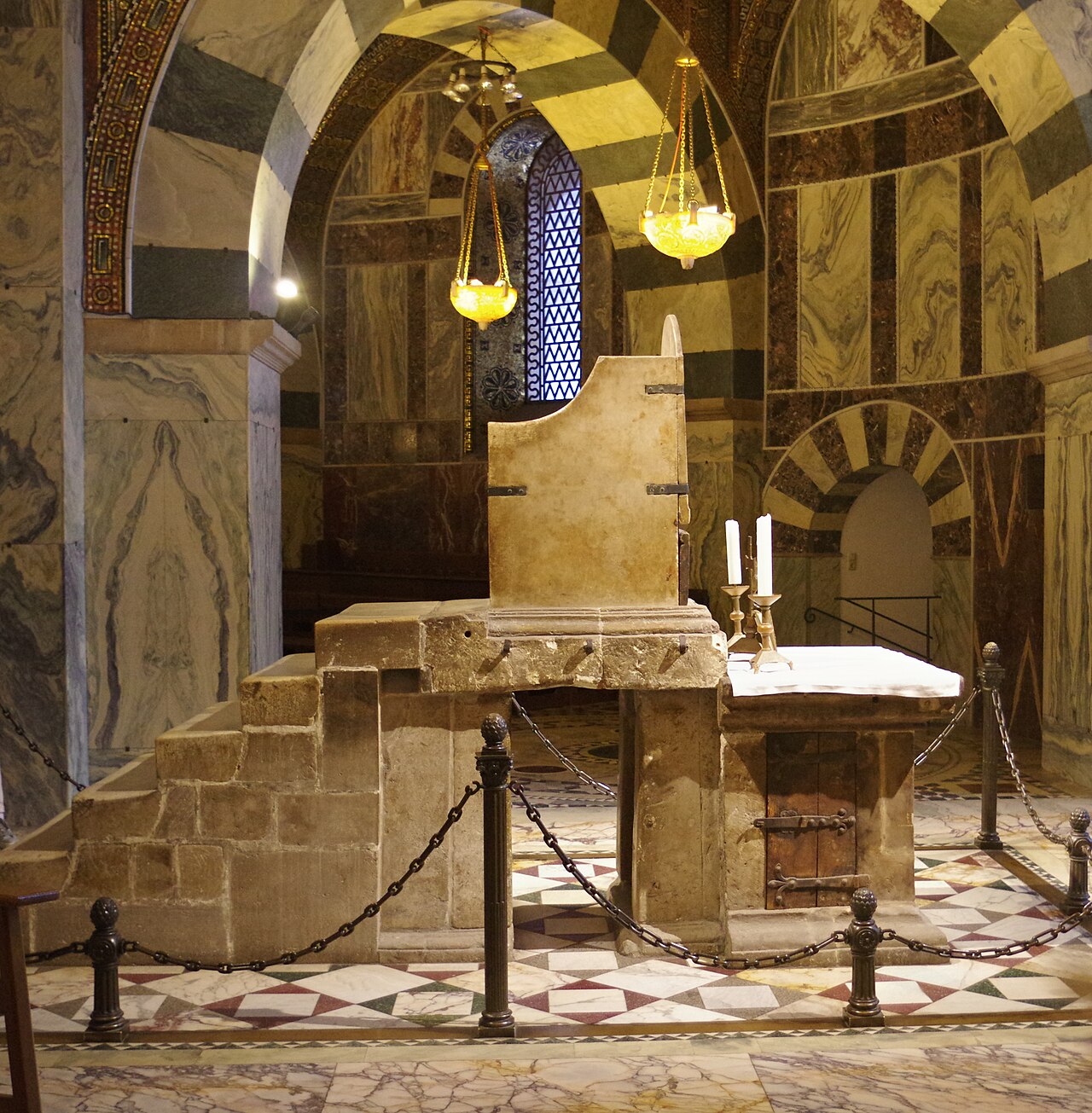 Artifact
Primary source
790s
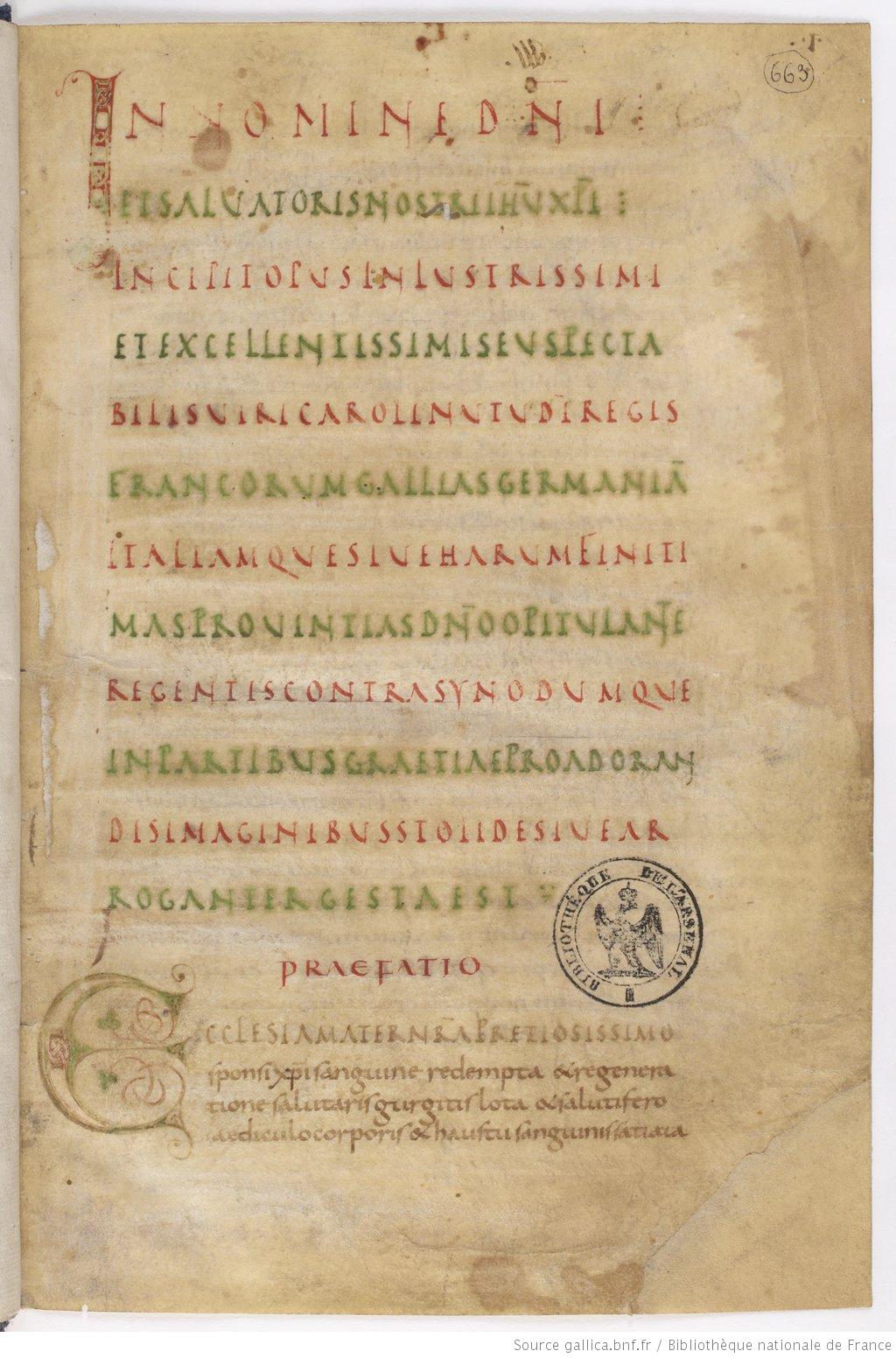 Book
Primary source
Theodulf of Orléans · c. 790s
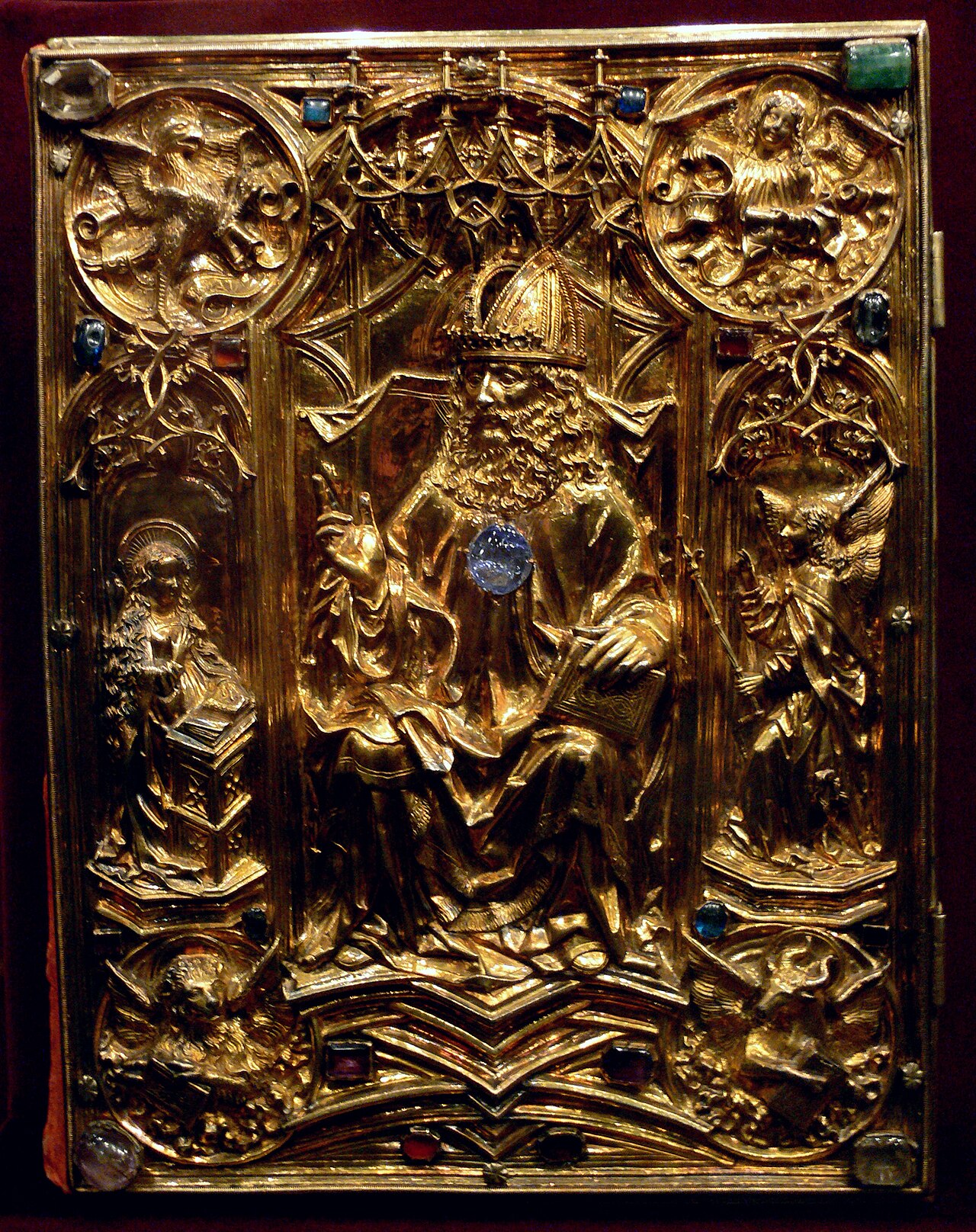 Book
Primary source
Unknown scribes of Charlemagne's court school; cover by Hans von Reutlingen · late 8th century; cover c. 1500
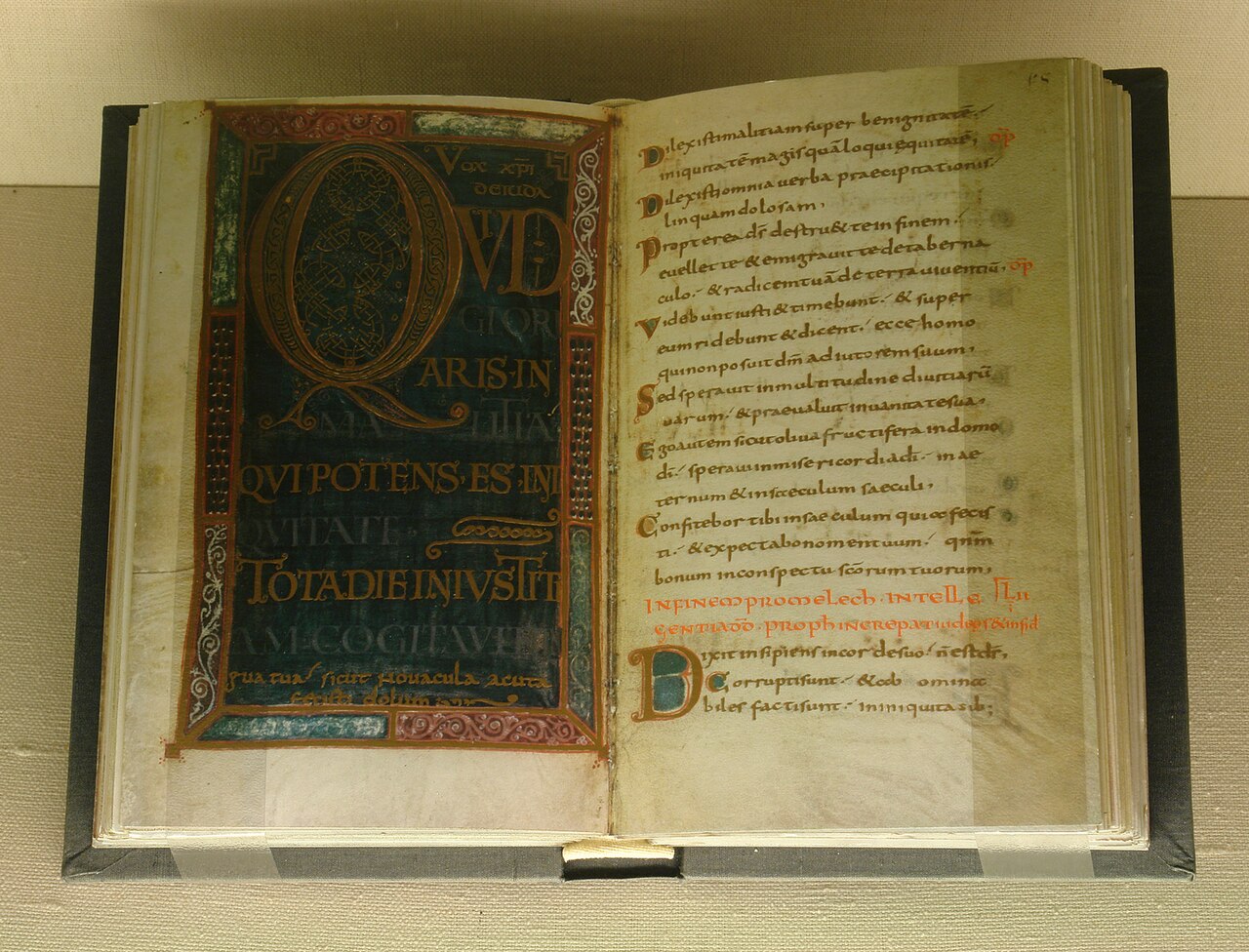 Book
Primary source
Dagulf (scribe) · c. 793-795
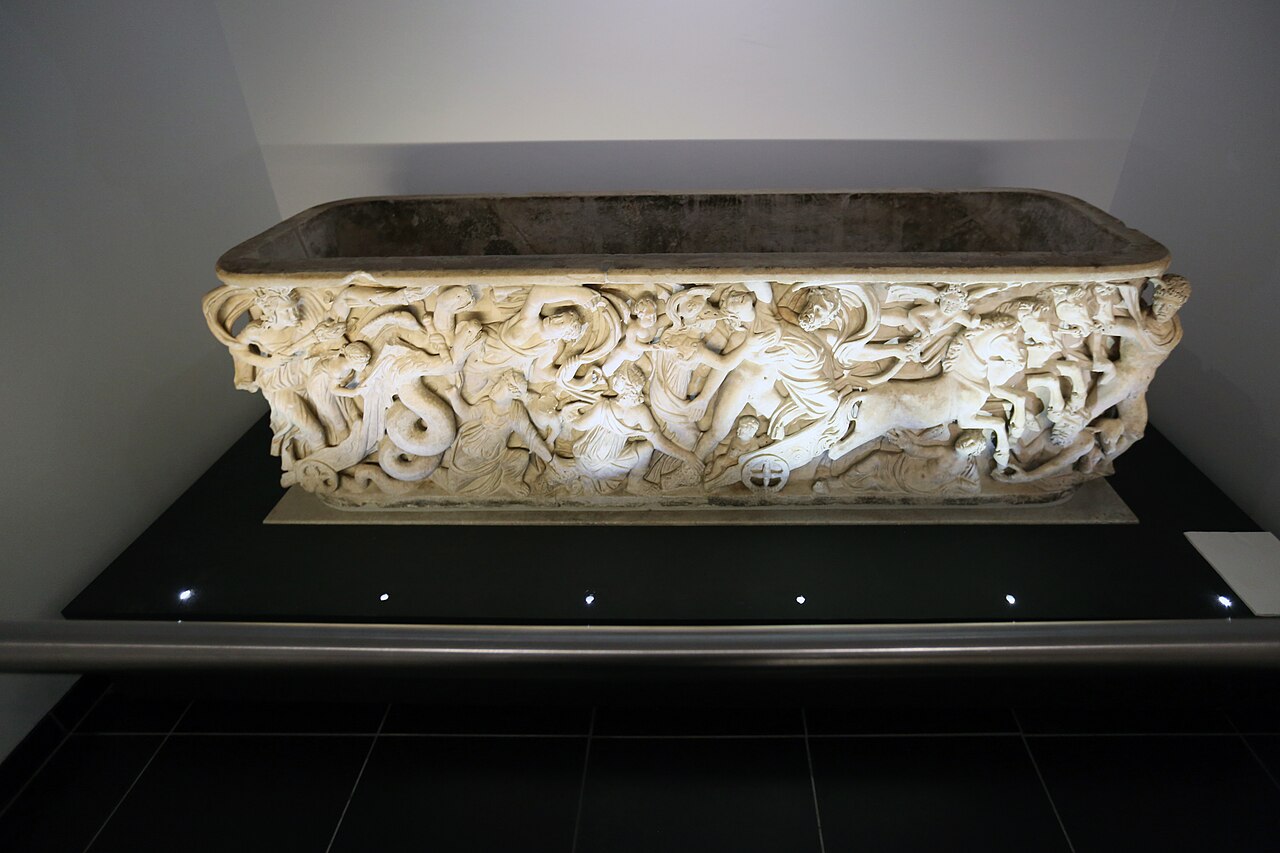 Artifact
Secondary source
first quarter of 3rd century AD
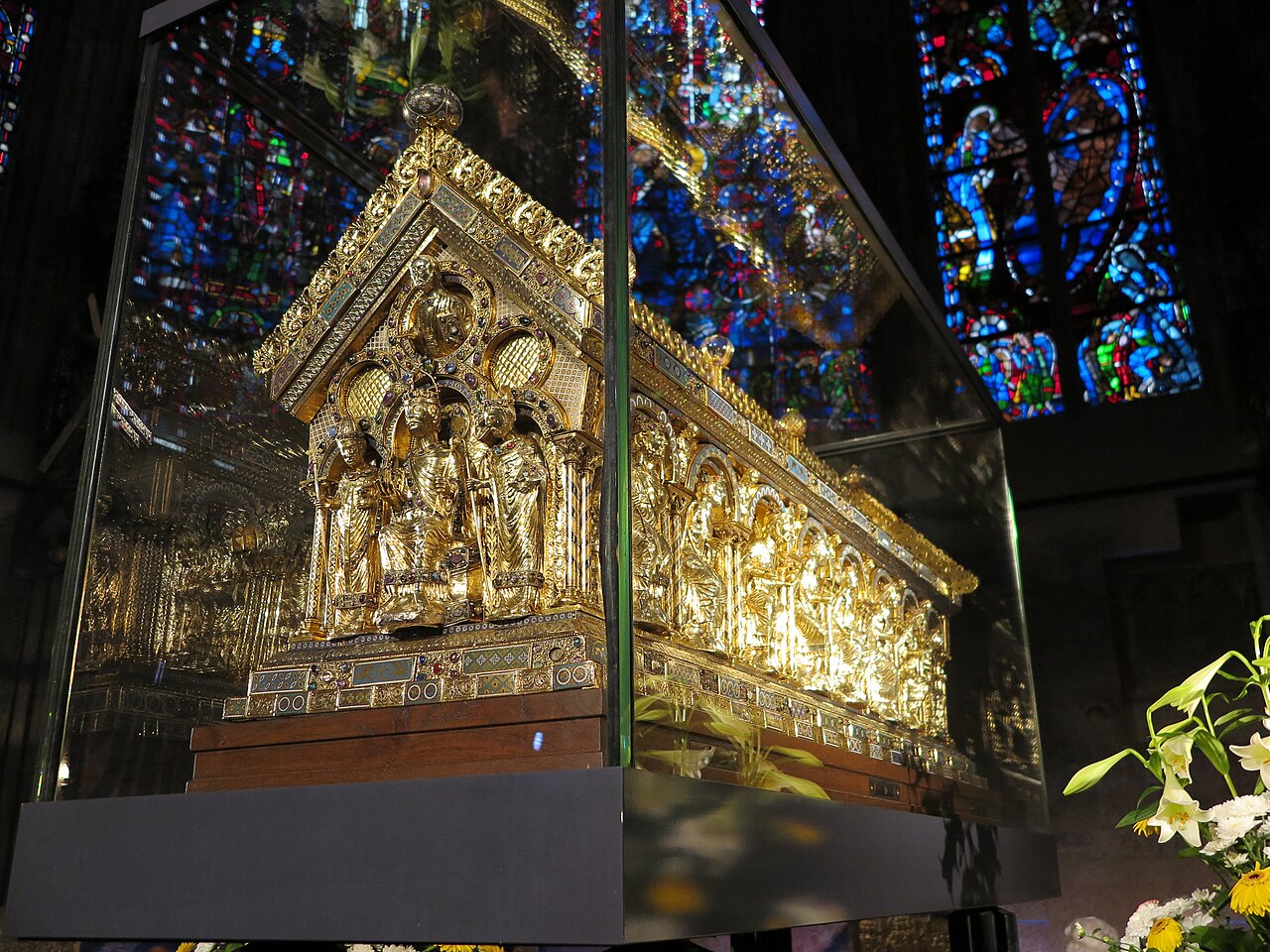 Artifact
Secondary source
1215
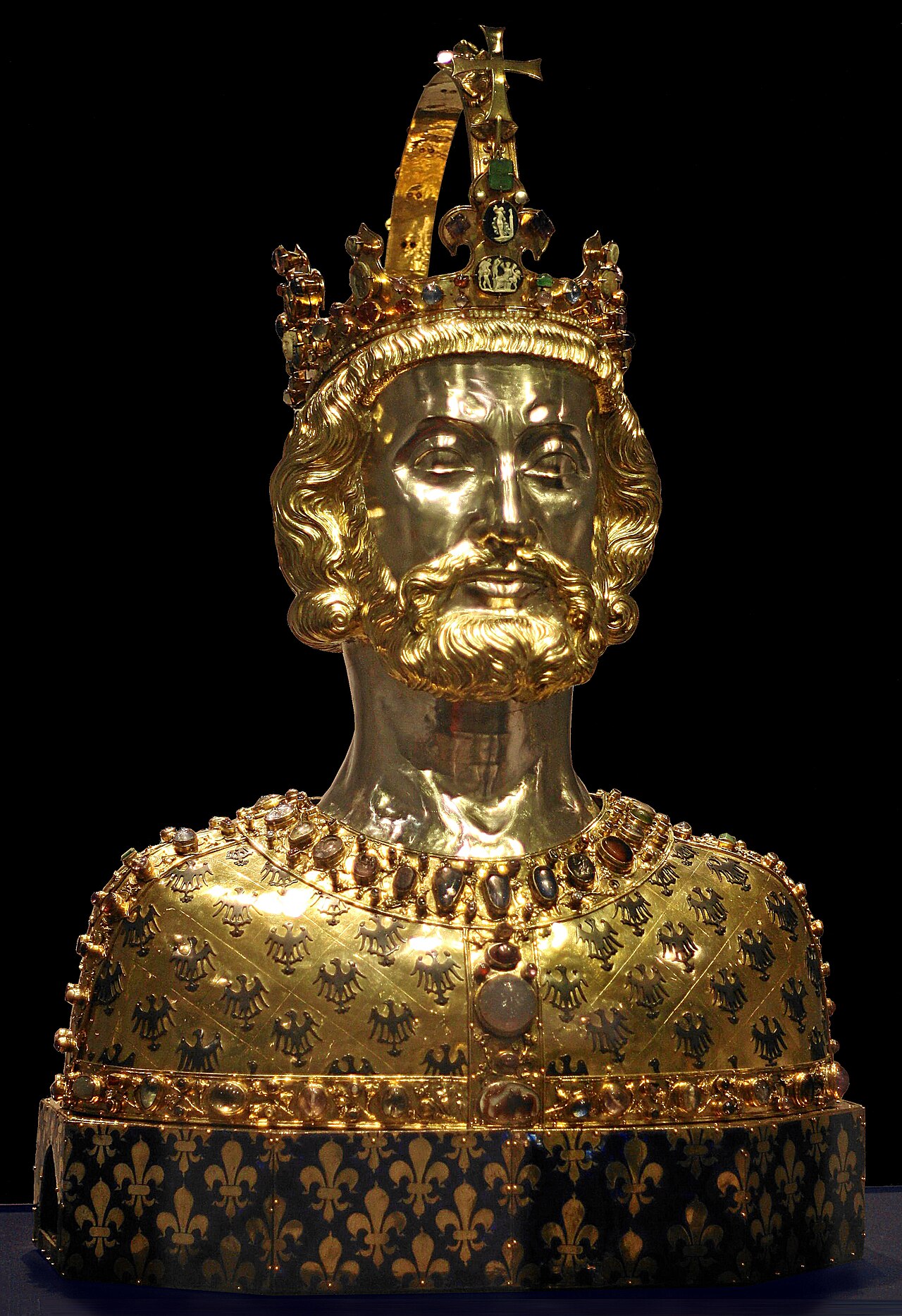 Sculpture
Secondary source
c. 1350
 Book
Secondary source
Turold · c. 1100
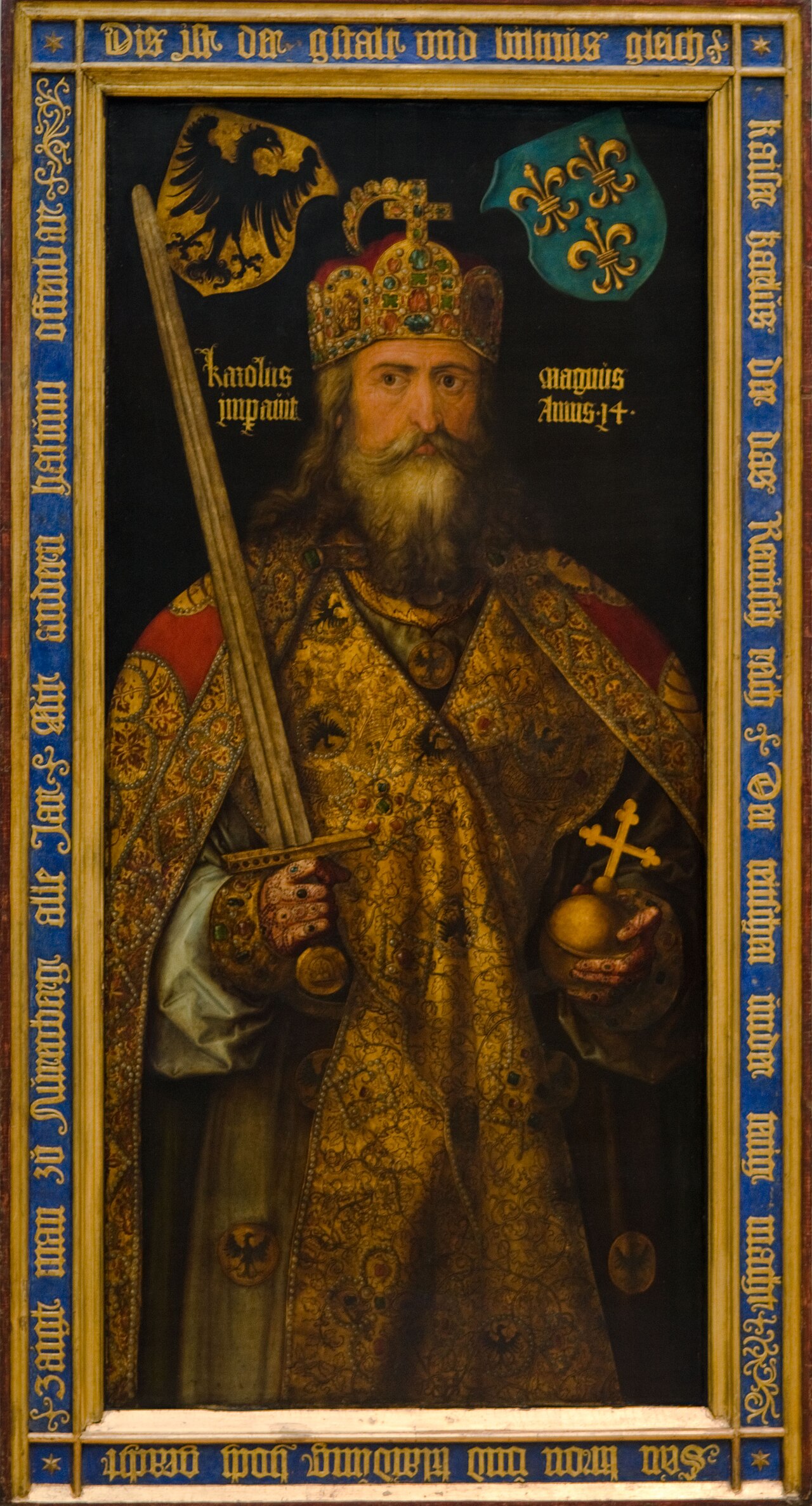 Painting
Secondary source
Albrecht Dürer · 1511
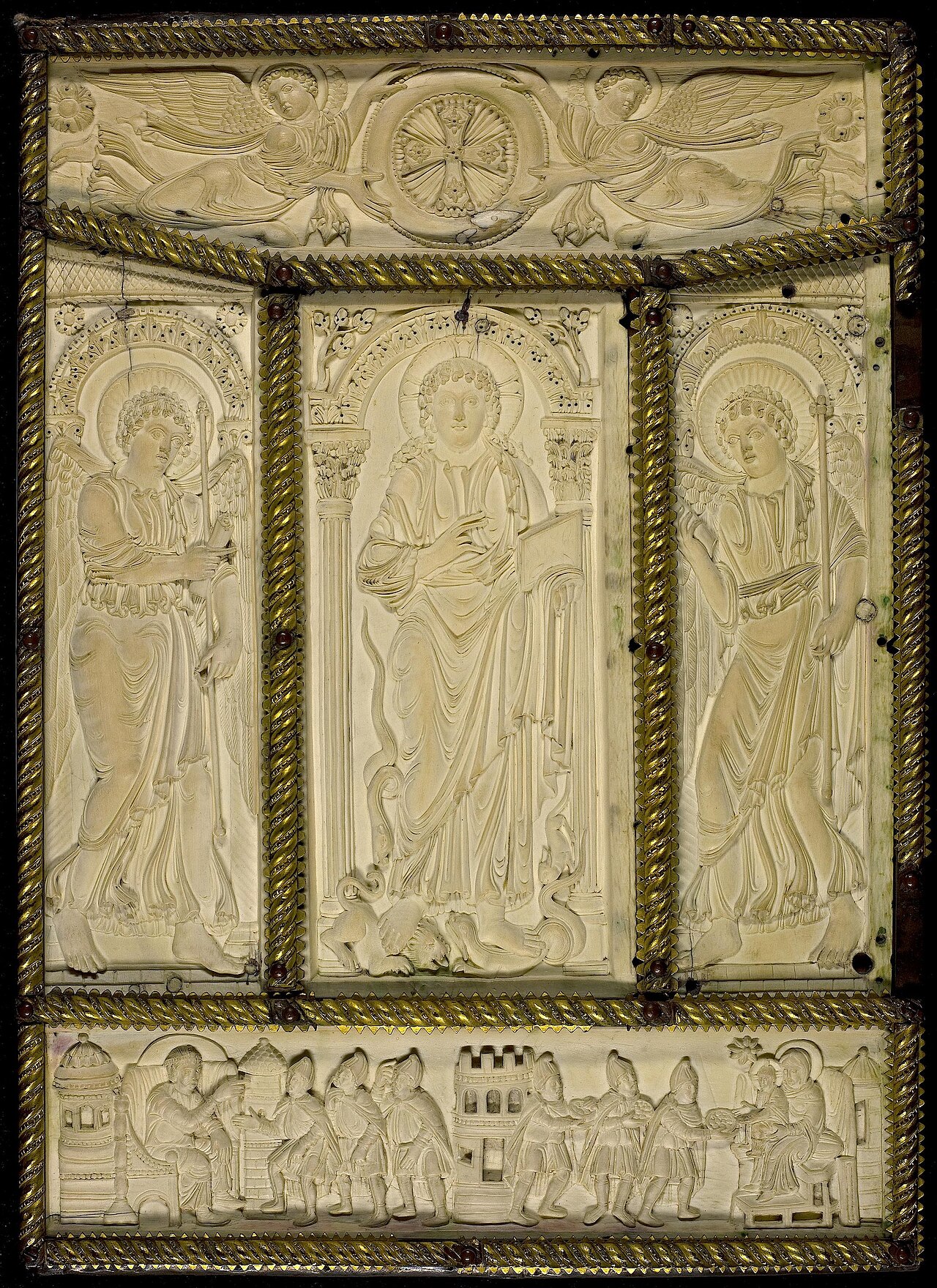 Artifact
Primary source
778-820
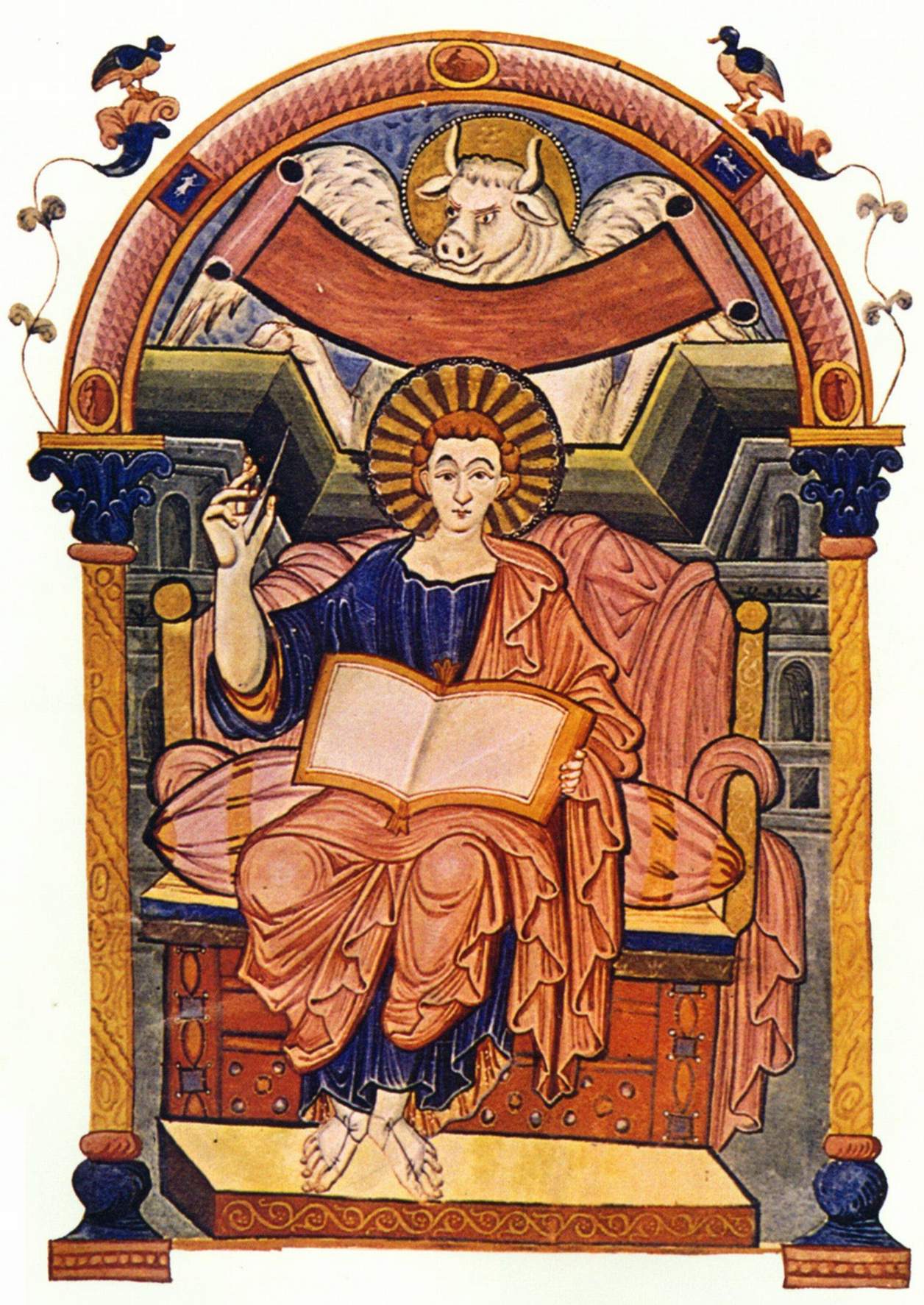 Book
Primary source
late 8th or early 9th century
 Book
Primary source
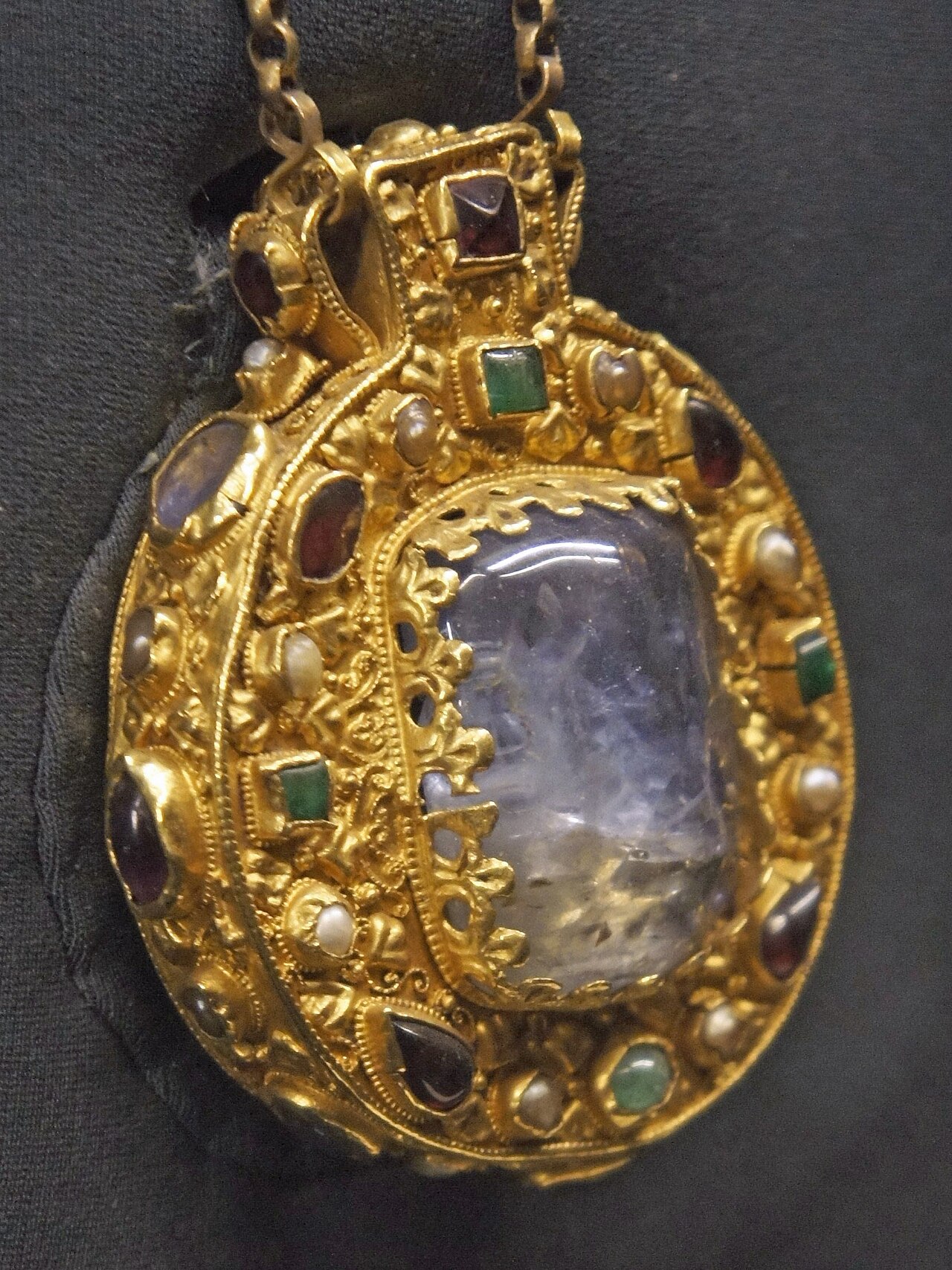 Artifact
Secondary source
c. 900
Secondary source
Pseudo-Turpin · 12th century
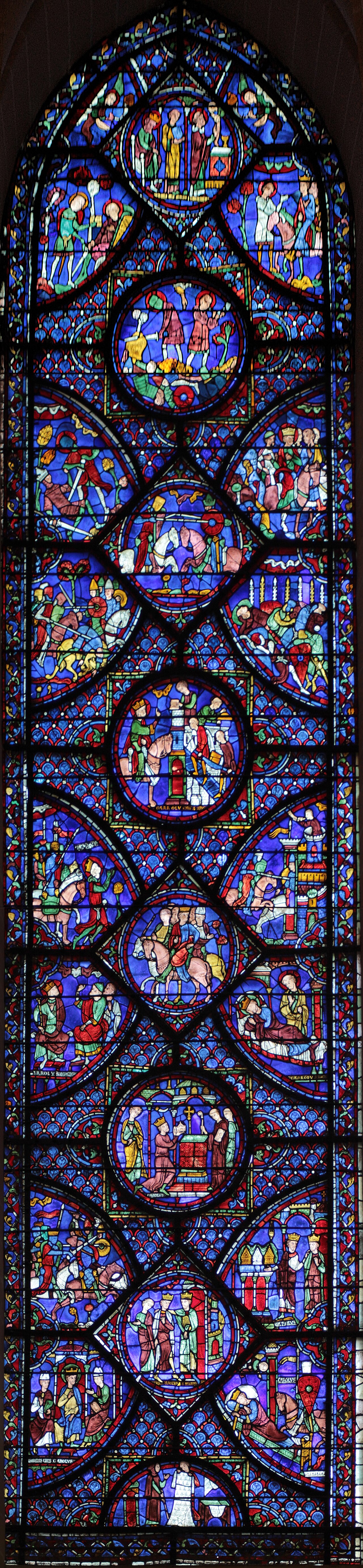 Artifact
Secondary source
c. 1225
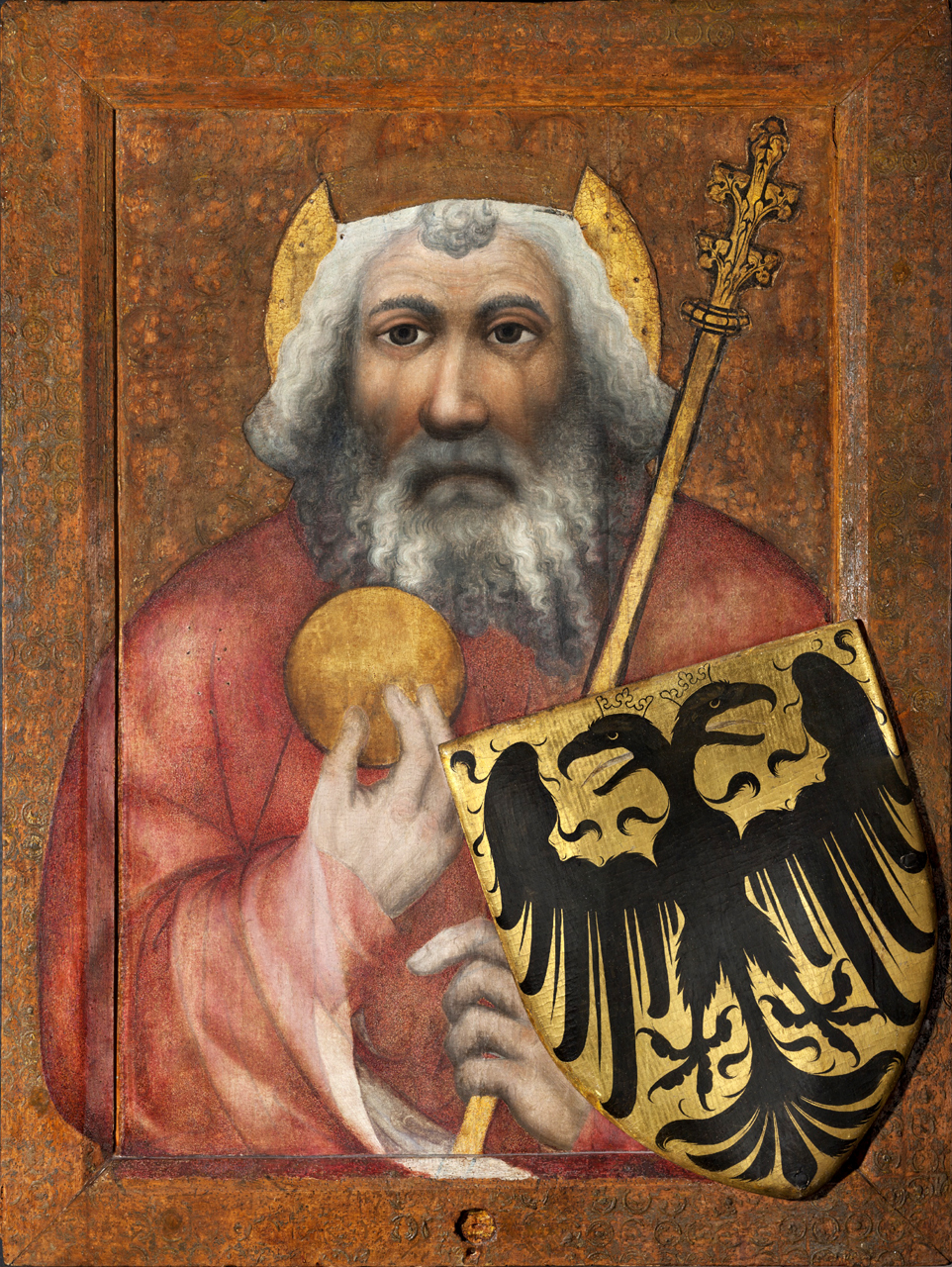 Painting
Secondary source
Theodoric of Prague · 1360
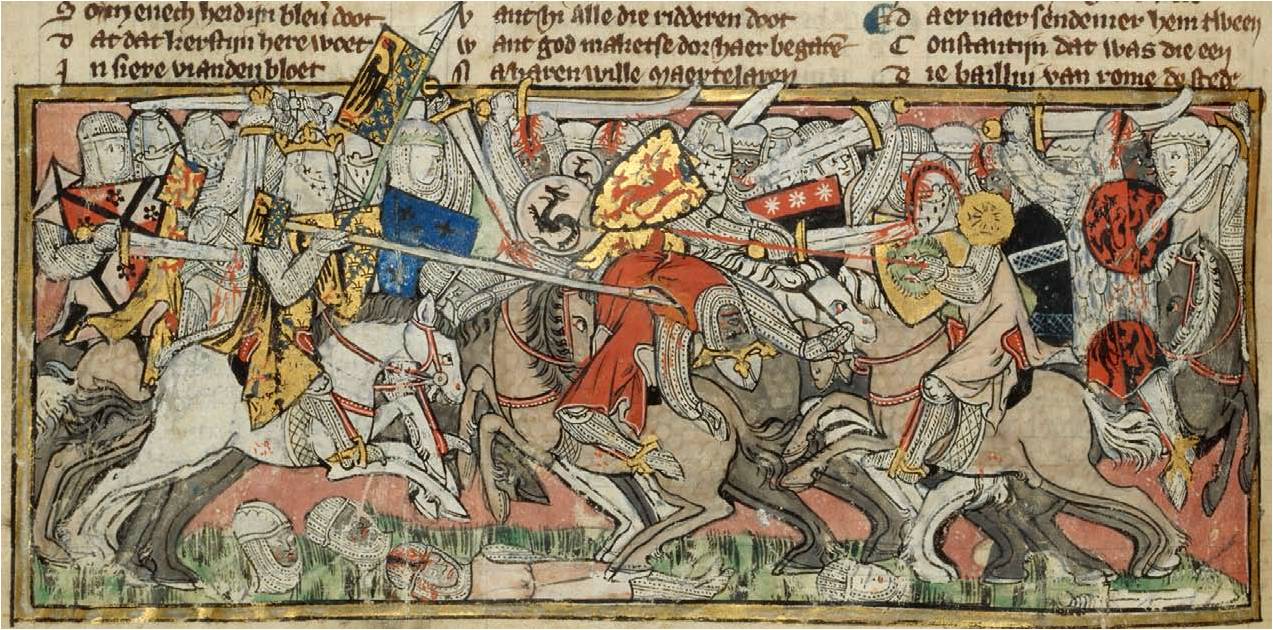 Painting
Secondary source
Jacob van Maerlant · 1330
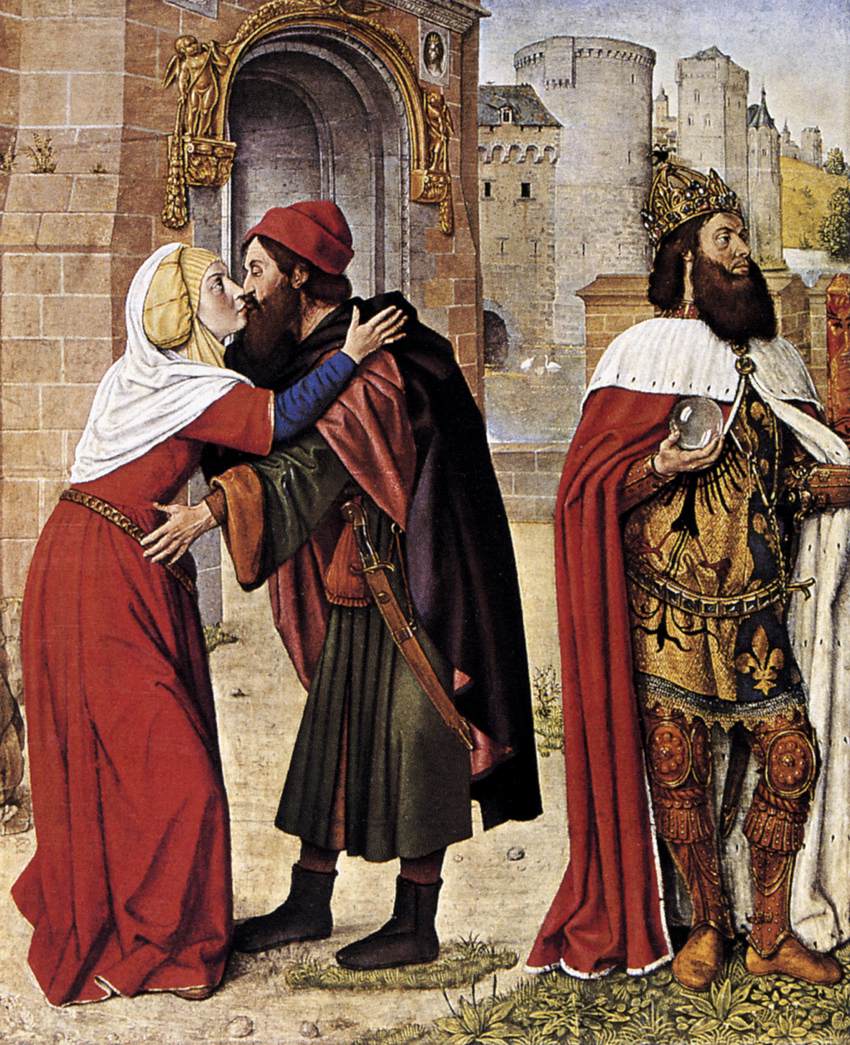 Painting
Secondary source
Jean Hey · 1488
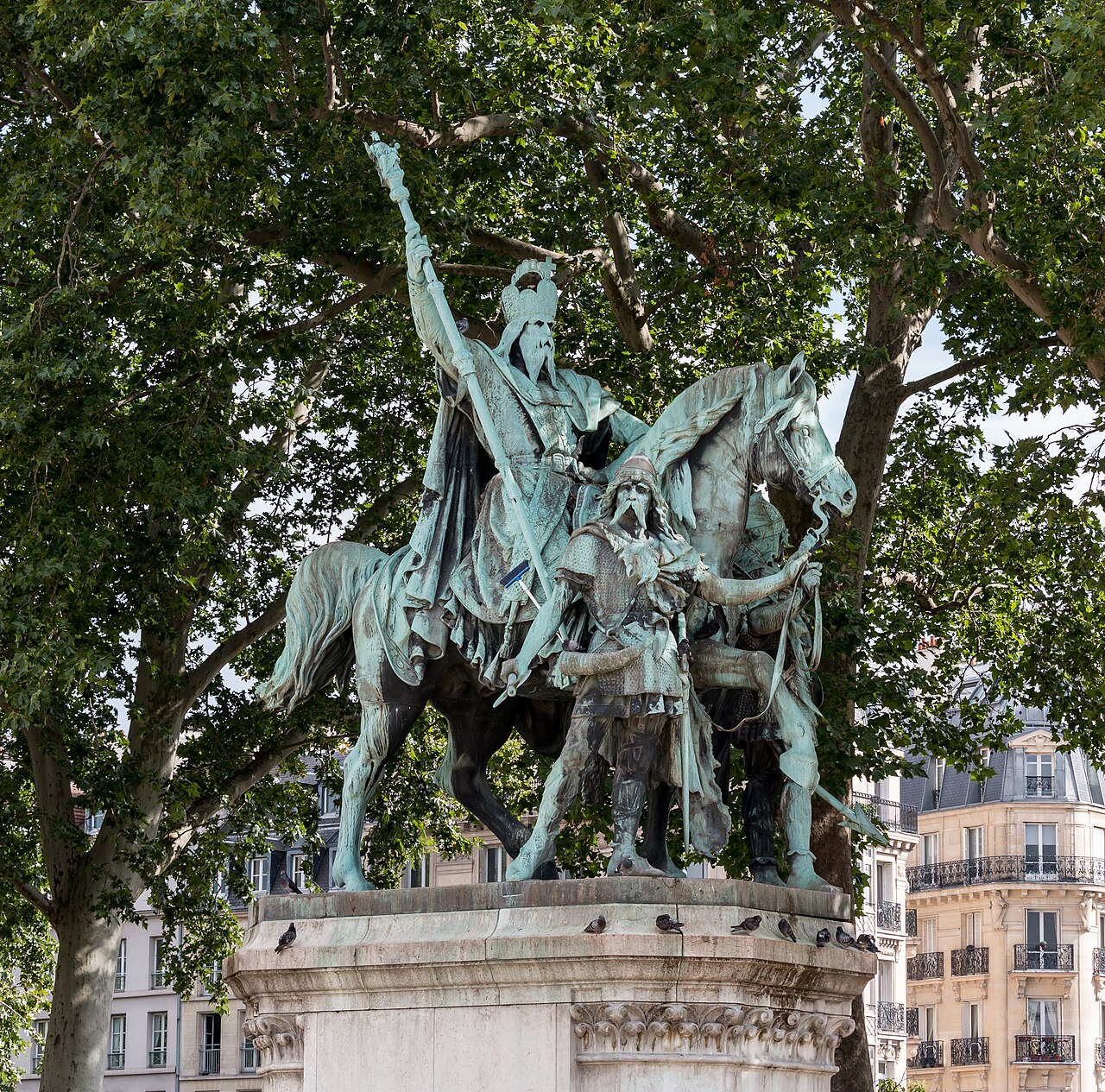 Sculpture
Secondary source
Louis Rochet · 1878
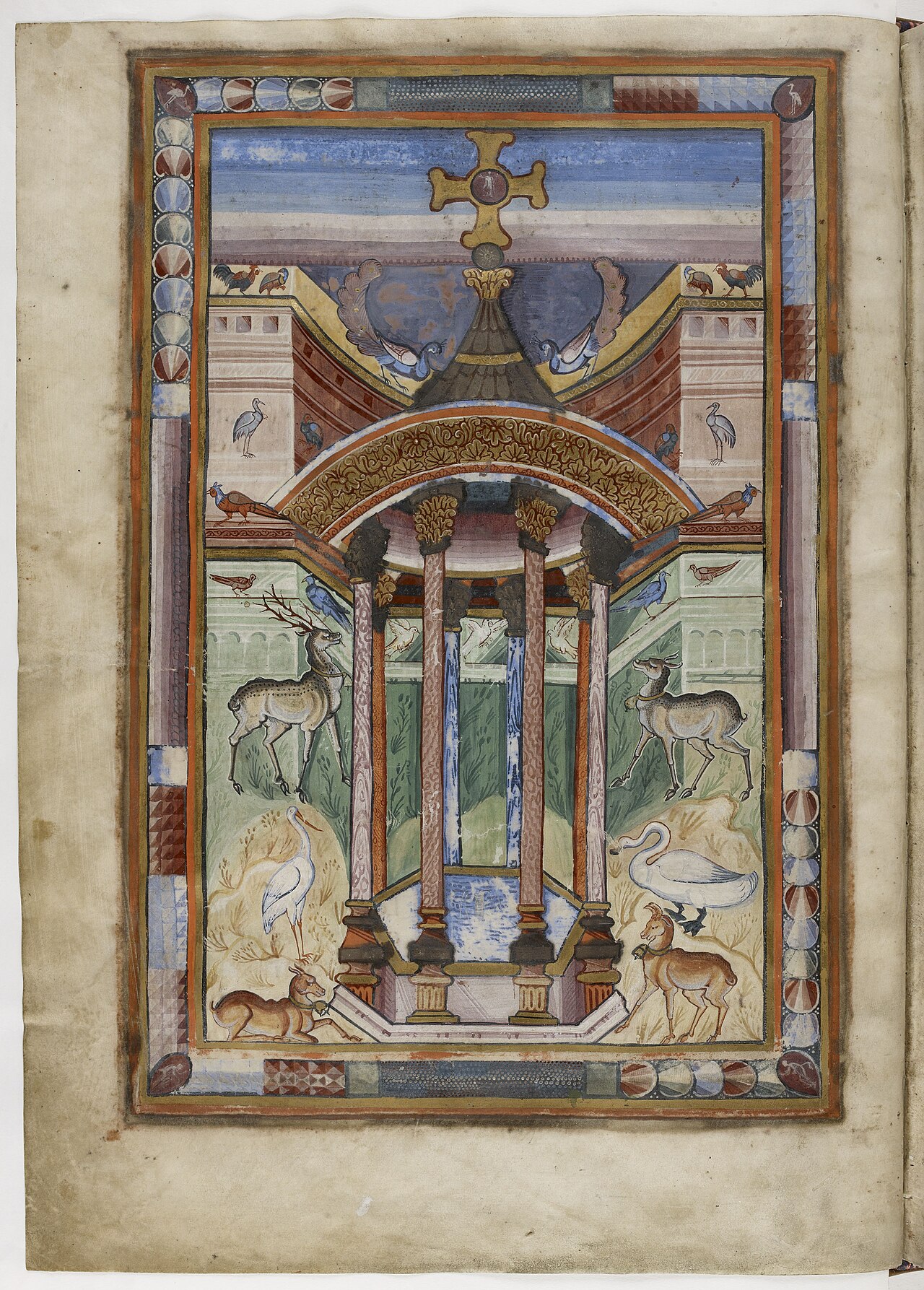 Book
Primary source
c. 800
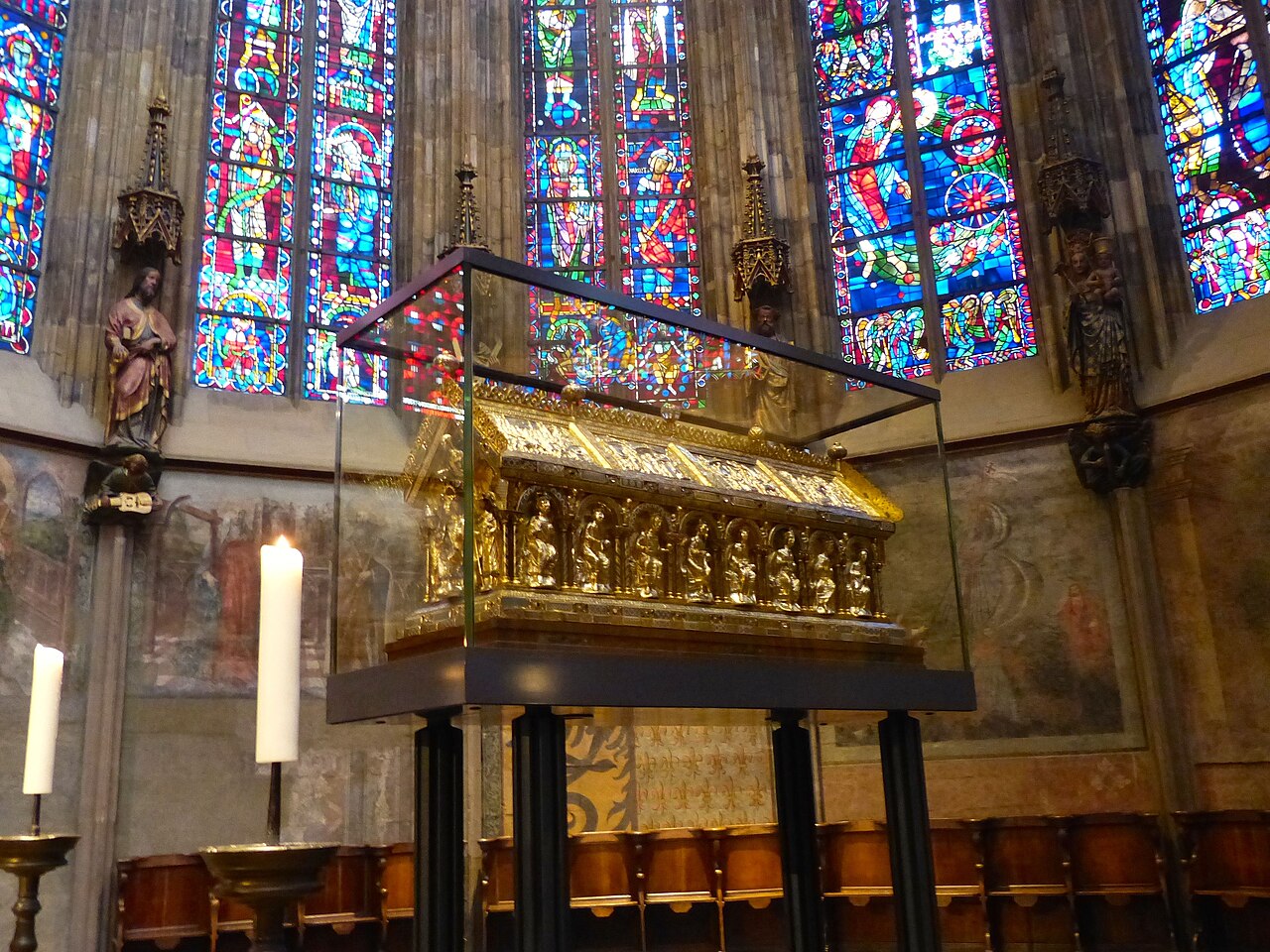 Artifact
Secondary source
1215
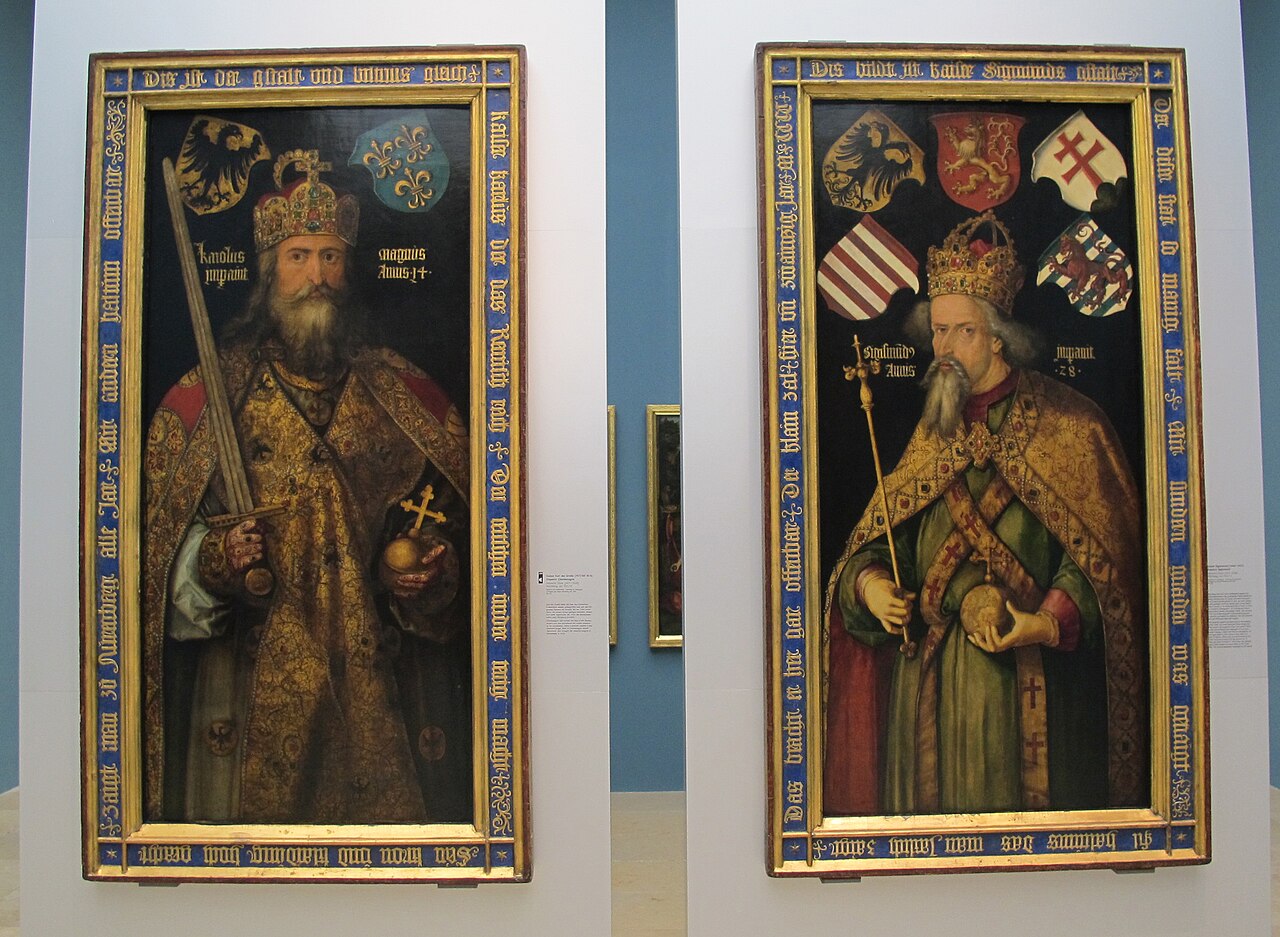 Painting
Secondary source
Albrecht Dürer · 1510
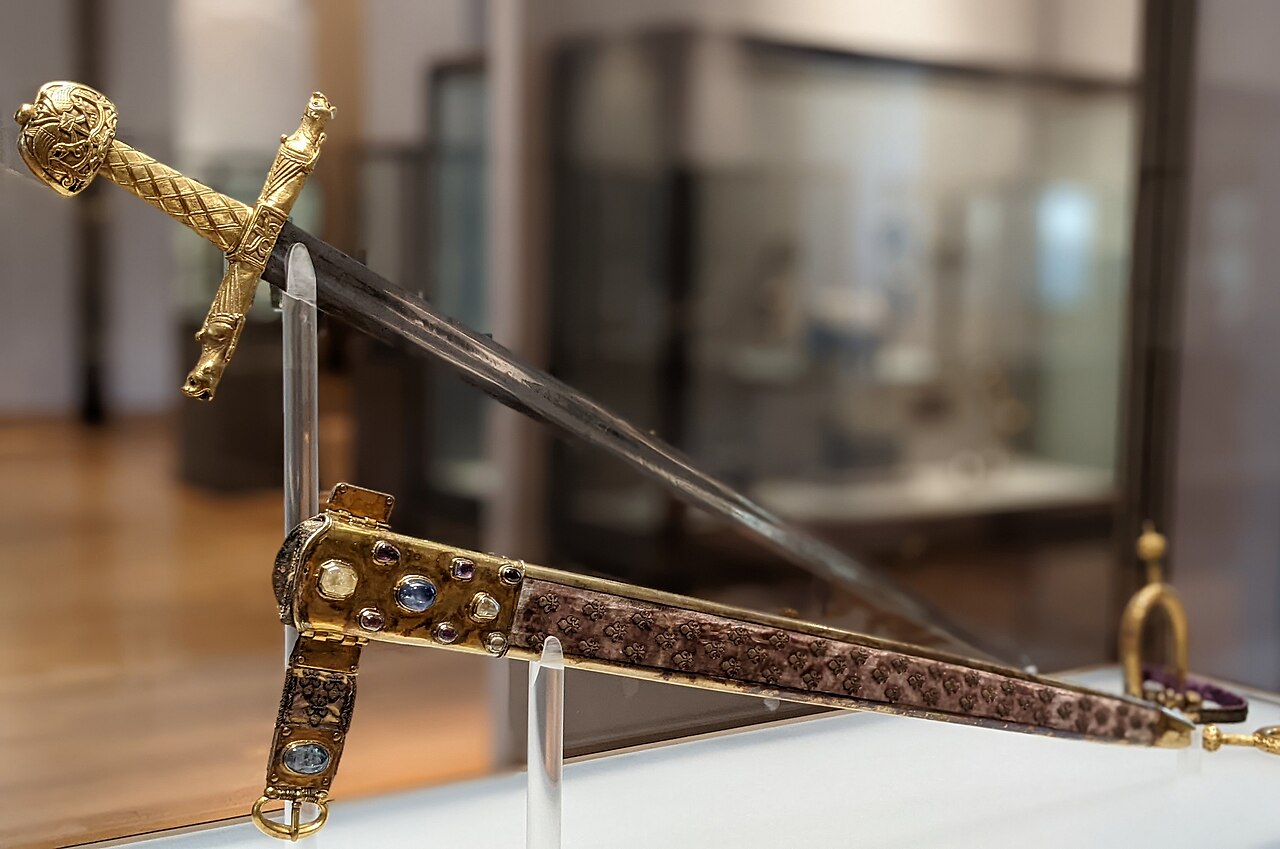 Artifact
Secondary source
c. 950 (traditionally attributed to Charlemagne)
Primary source
Charlemagne · 802
 Book
Primary source
Einhard · 1922 (translation of a 9th-century text)
 Book
Secondary source
Charles L. Wells · 1898
 Book
Secondary source
Louis Halphen · 1921
Secondary source
J. I. Mombert · 1888
 Book
Secondary source
Thomas Hodgkin · 1902
Primary source
Charlemagne · 769-771 (and later)
Primary source
Charlemagne · 8th-9th century
Primary source
Charlemagne · 774 (and later letters)
Primary source
Charlemagne · 811
Primary source
Charlemagne · 16 July 774
Secondary source
P. V. N. Myers · 1890
 Book
Primary source
Einhard · written c. 820s; this edition 1915
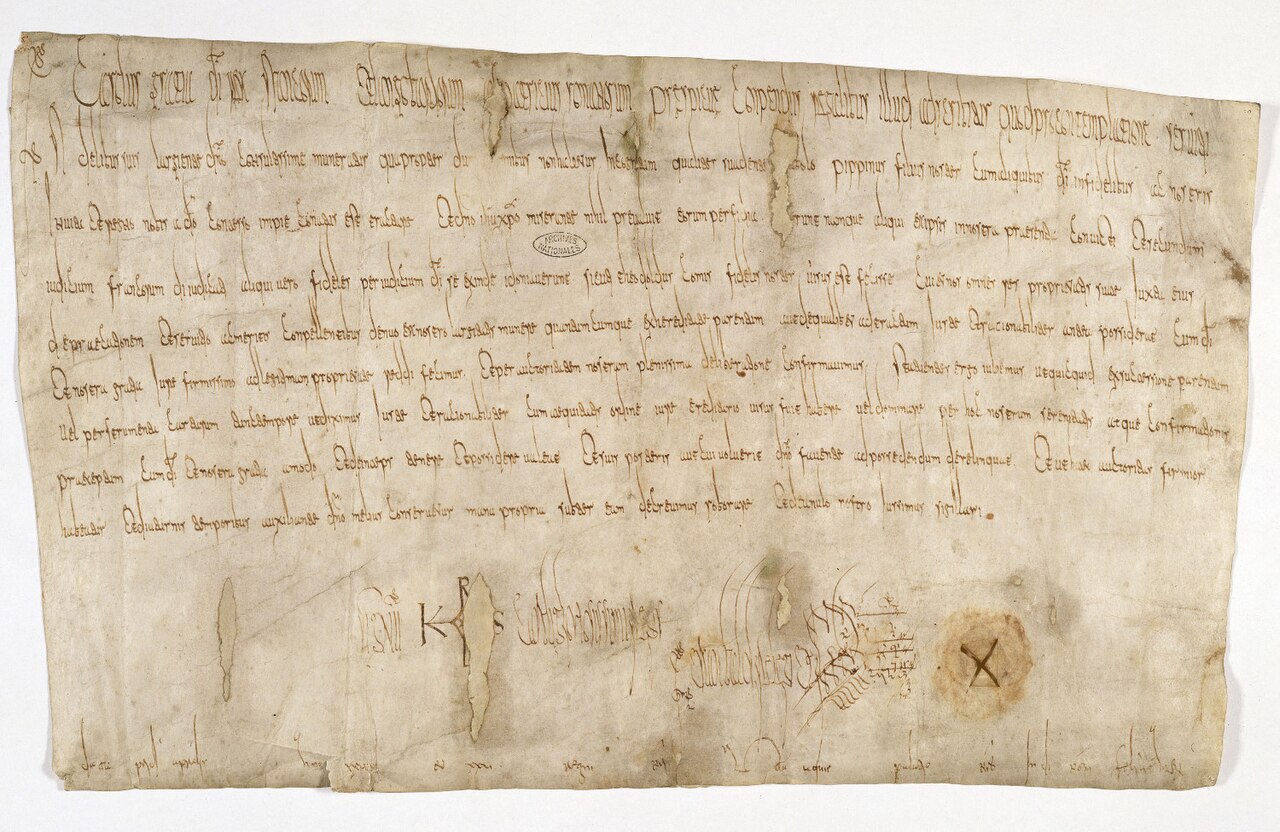 Document
Primary source
Charlemagne · 31 March 797
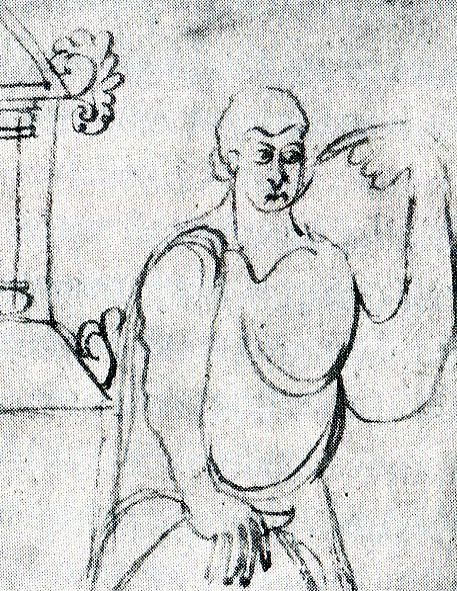 Painting
Primary source
Unknown 9th century artist · circa 800
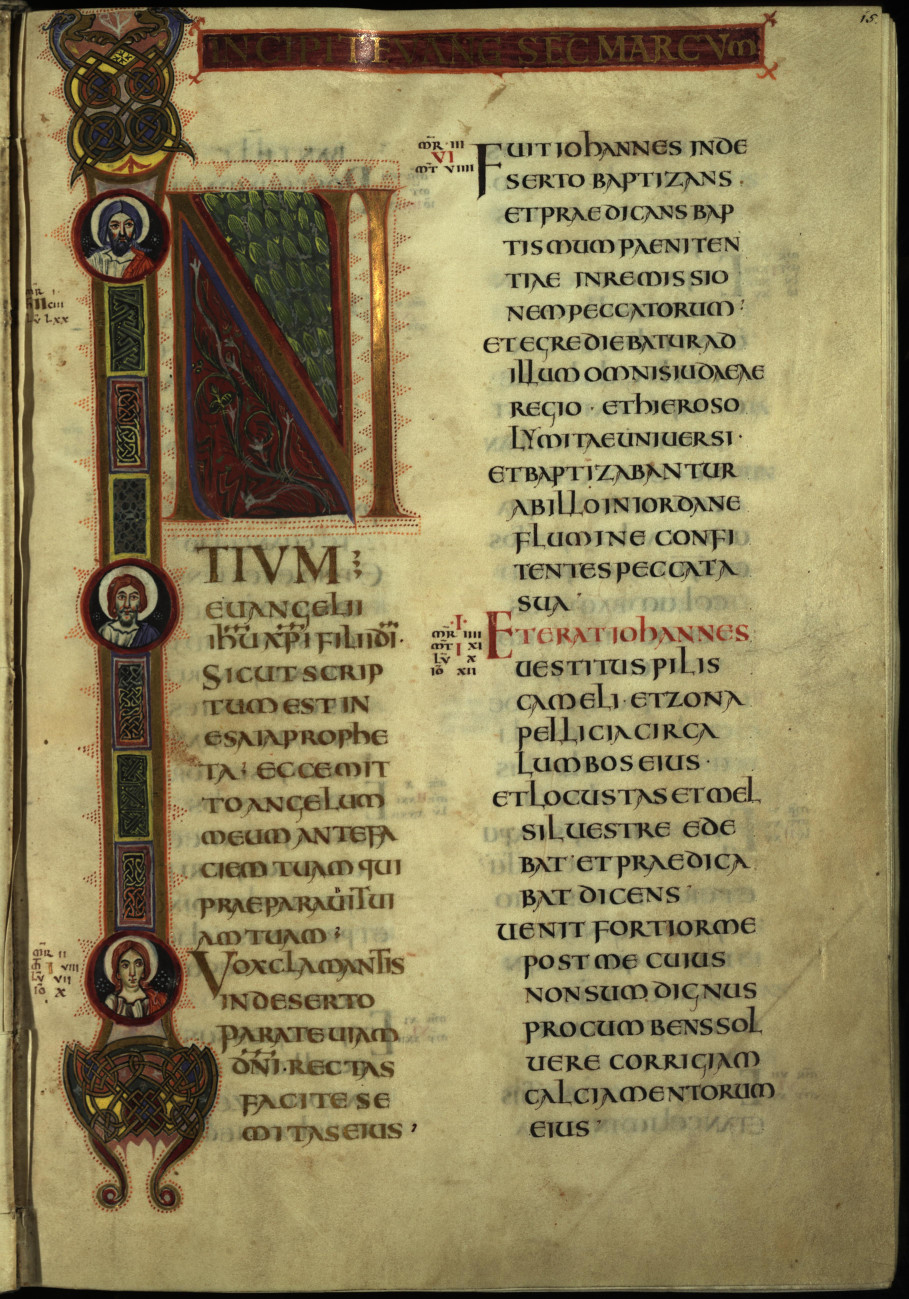 Book
Primary source
c. 800
Secondary source
Lucien Double · 1881
 Book
Secondary source
Voltaire · 1755
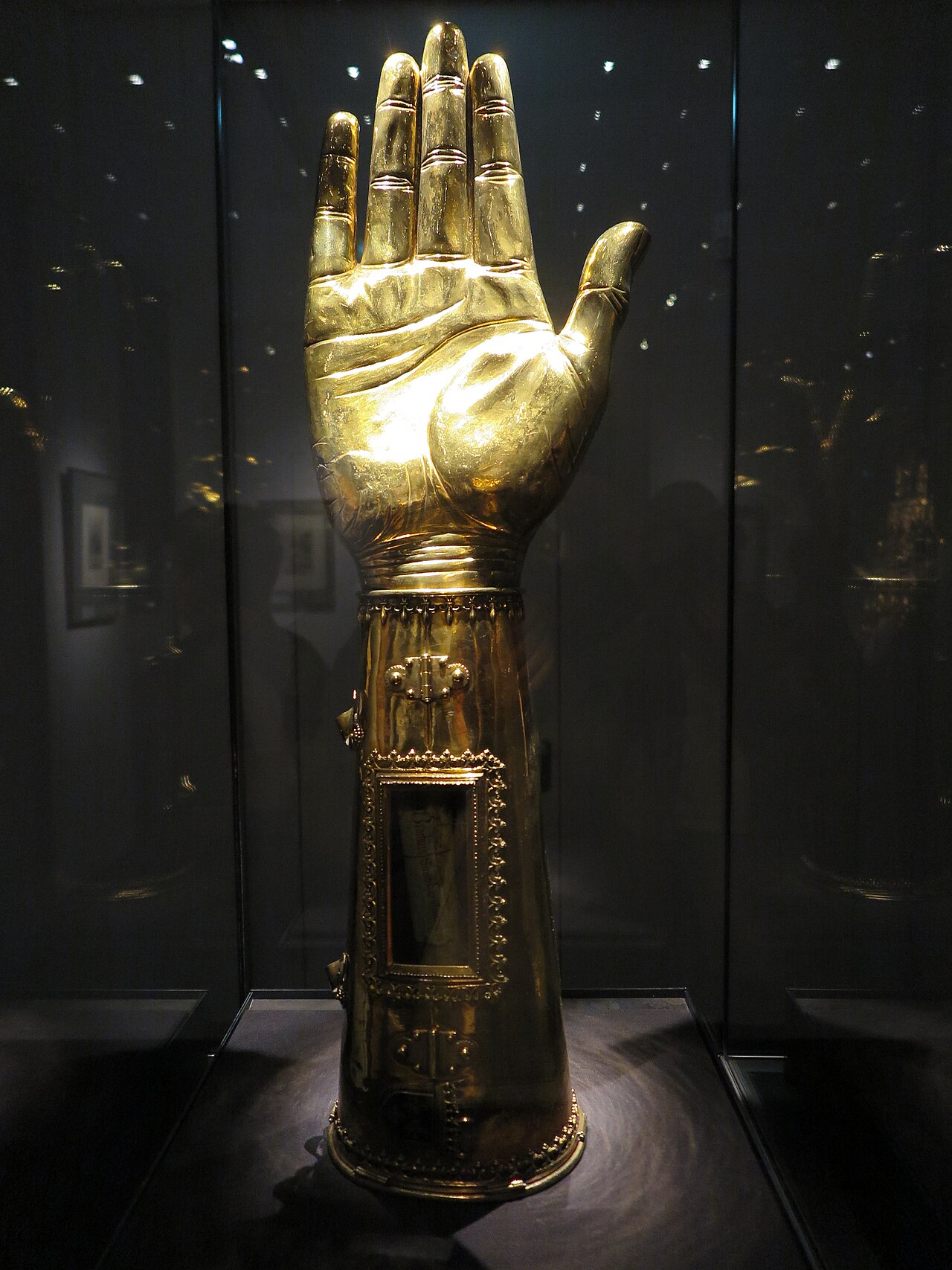 Artifact
Secondary source
1481
Primary source
Charlemagne
Primary source
Charlemagne
Primary source
Charlemagne · 792 (and other dates)
Primary source
Charlemagne · 8th century
Primary source
Charlemagne · 768 (and other dates)
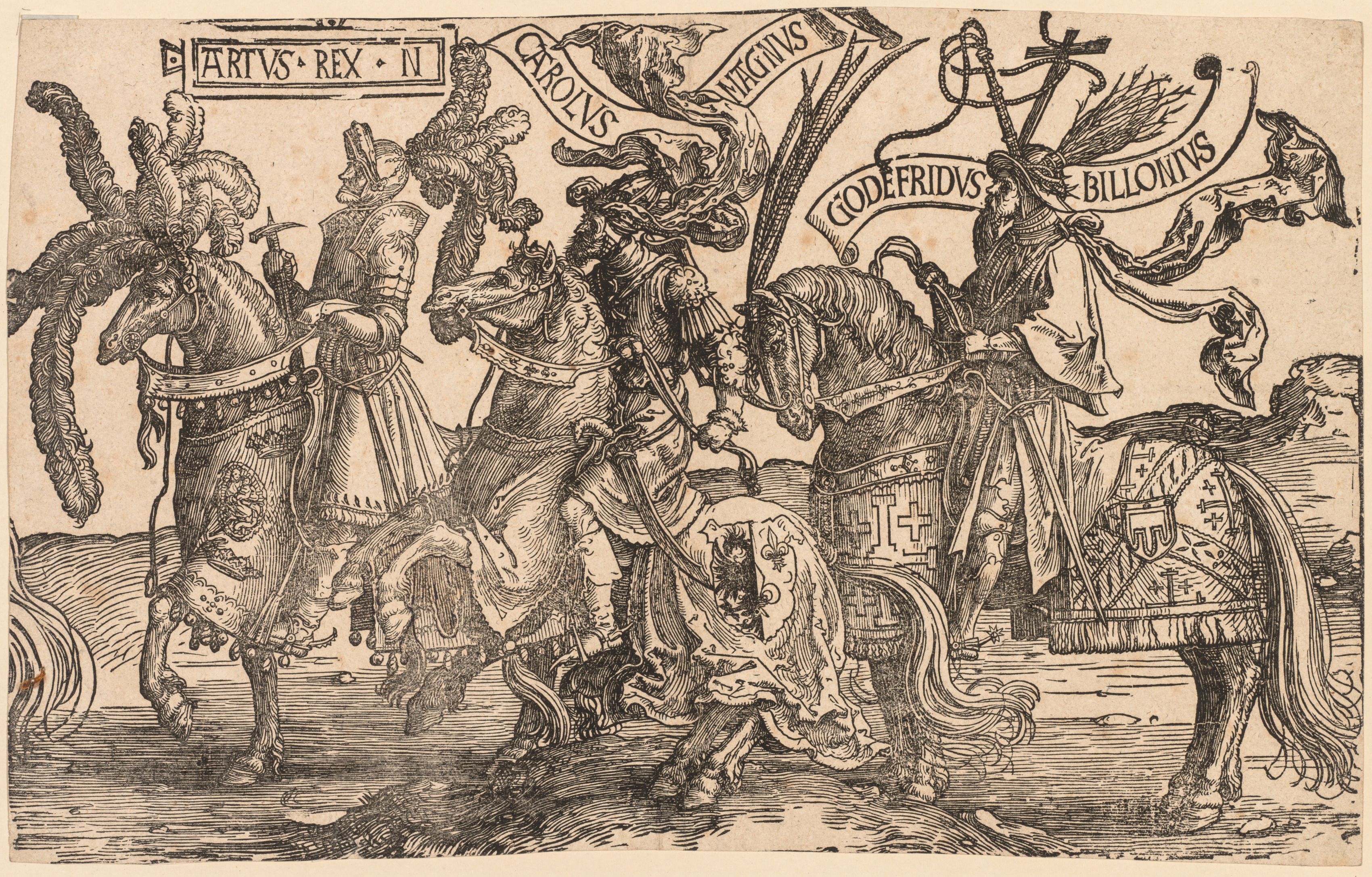 Painting
Secondary source
Lucas van Leyden · 1515-1517
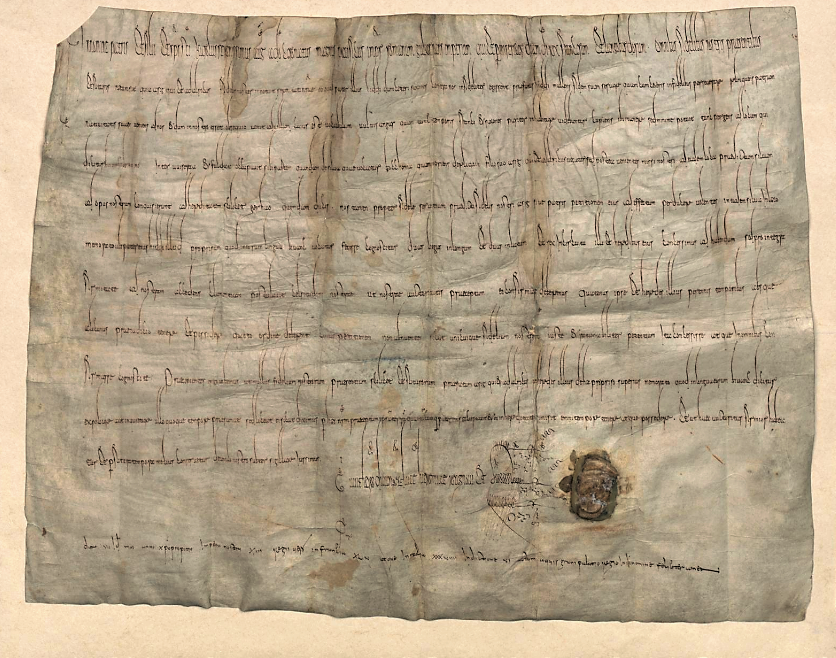 Document
Primary source
Charlemagne · 9 May 813
Secondary source
1904
Secondary source
1911
Secondary source
1913
Secondary source
Ferdinand Schmidt · 1910
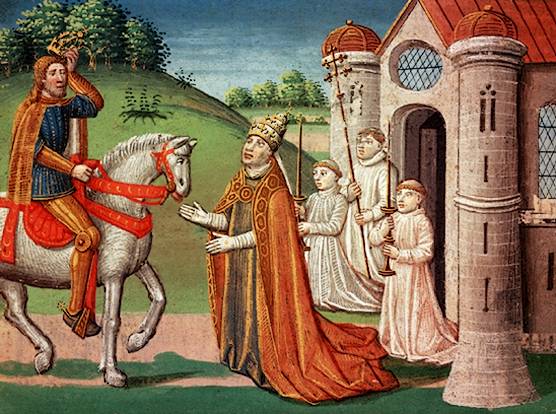 Painting
Secondary source
Anonymous (editor: Antoine Vérard) · 1493
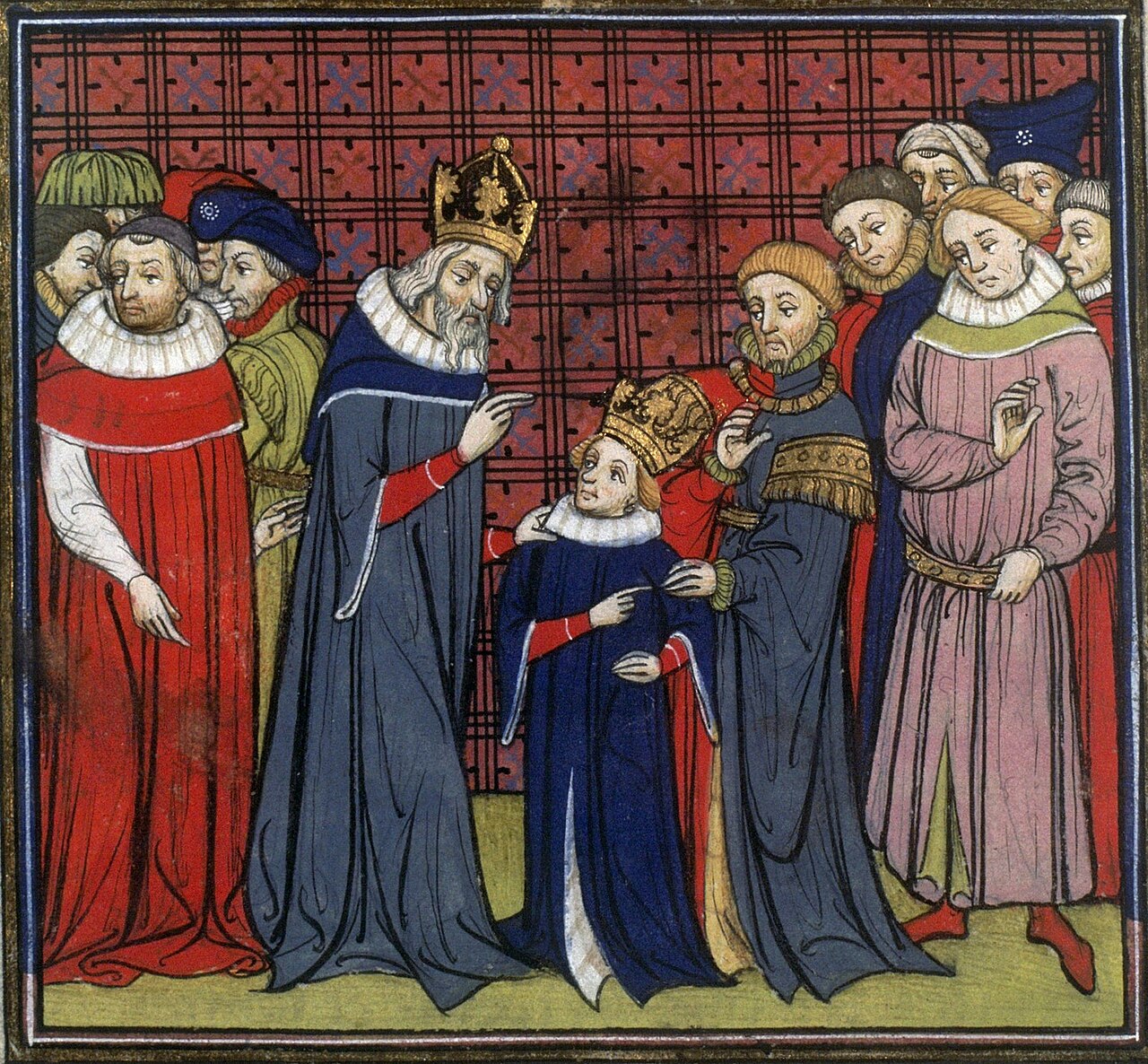 Painting
Secondary source
14th-15th centuries
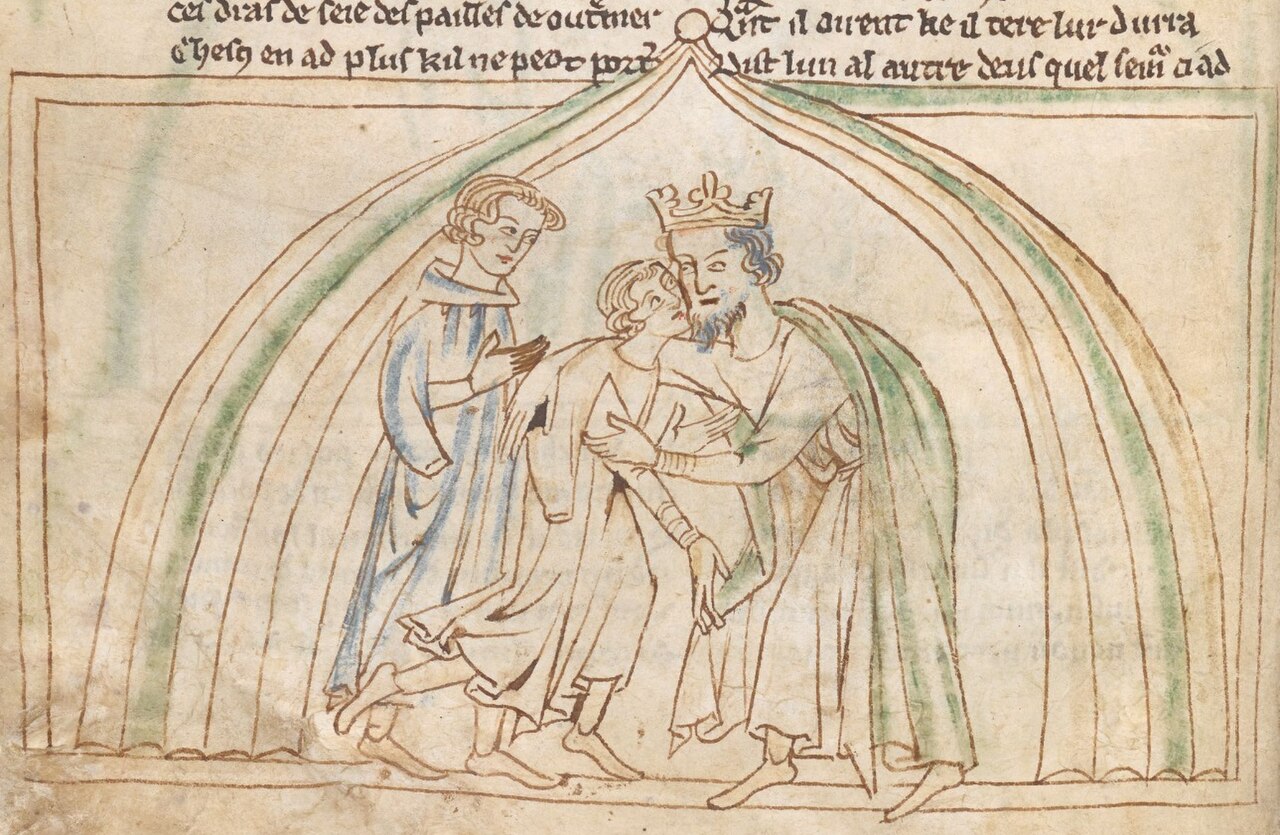 Book
Secondary source
13th century (c. 1240-1250)
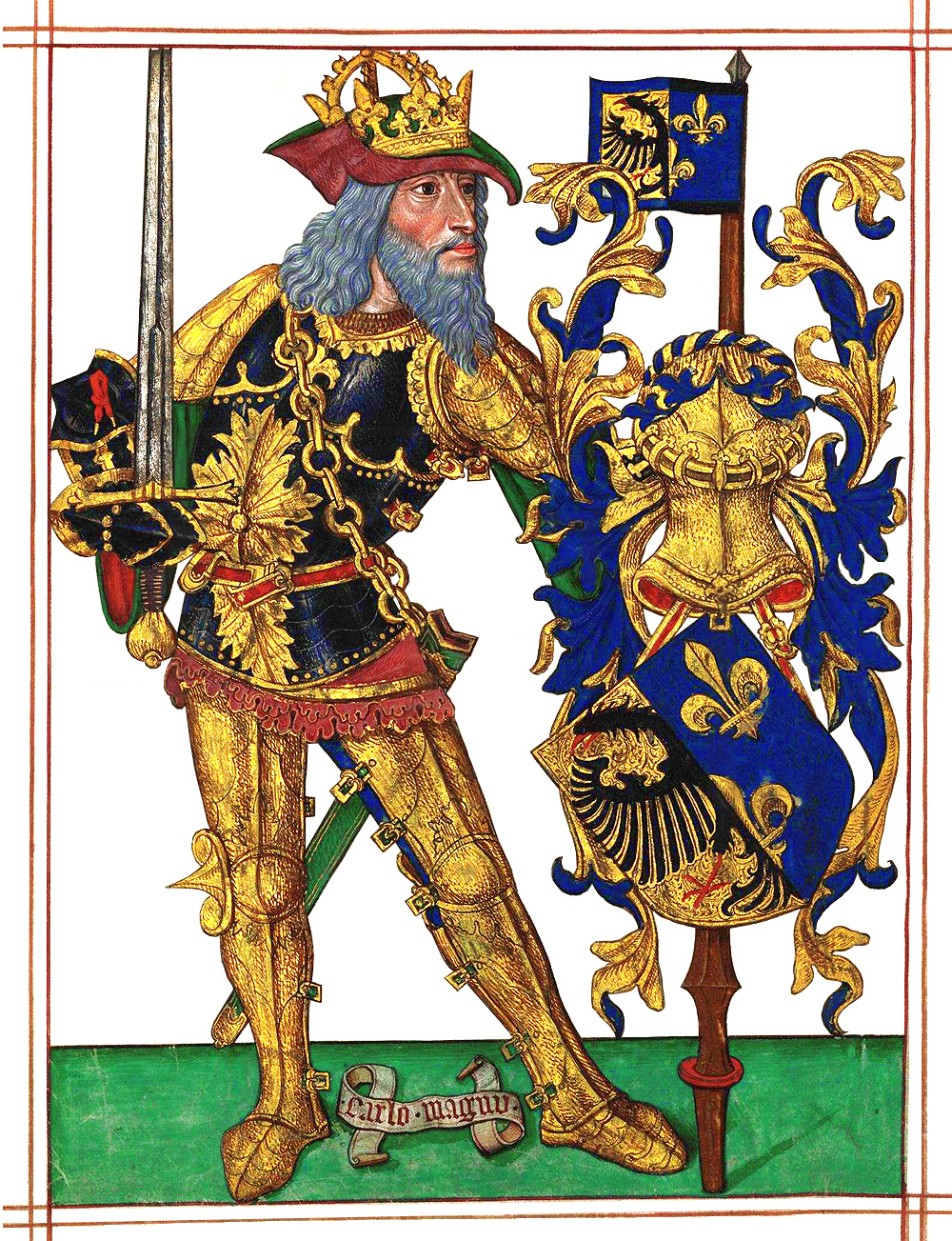 Book
Secondary source
João do Cró · 1509
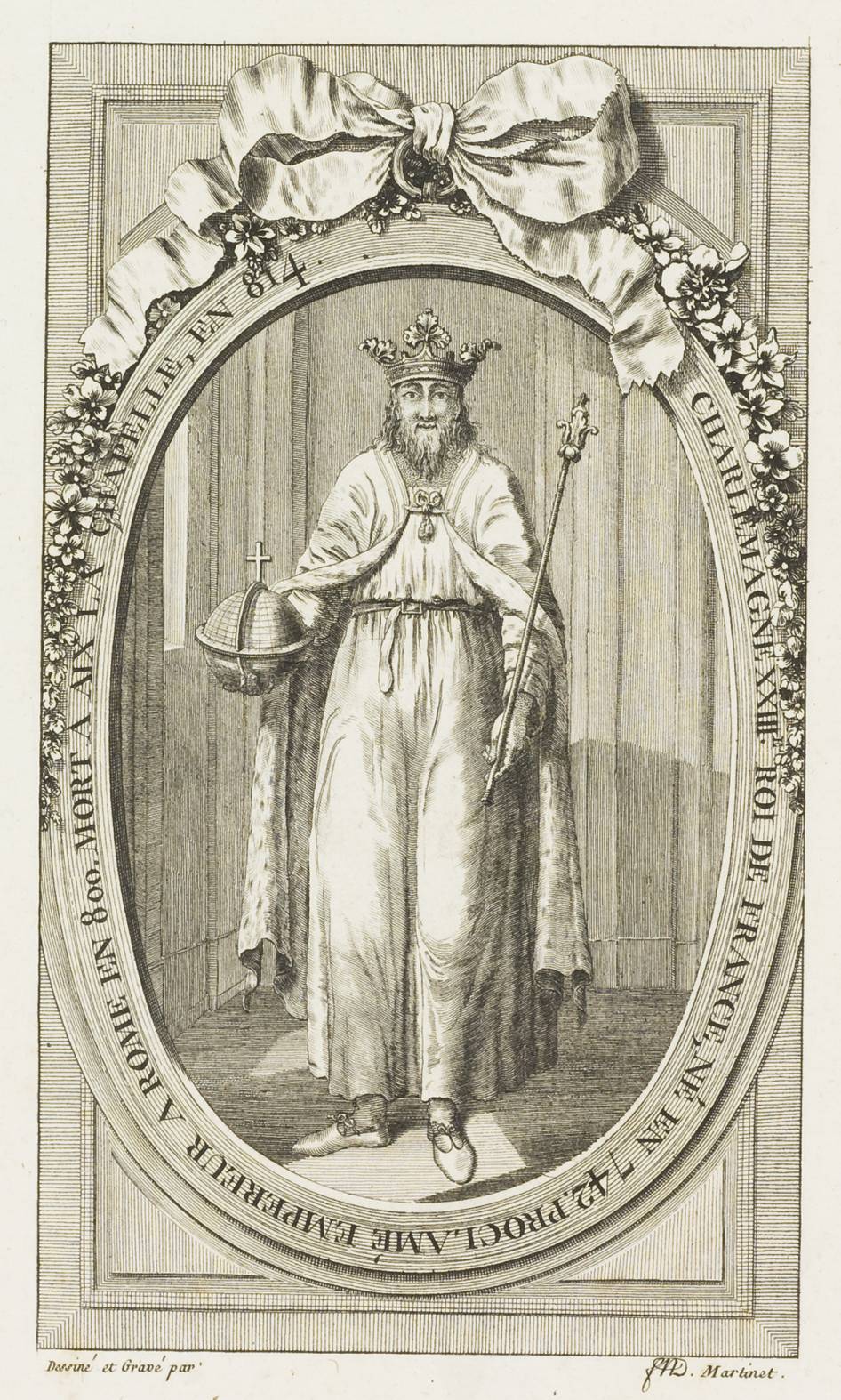 Painting
Secondary source
François-Nicolas Martinet
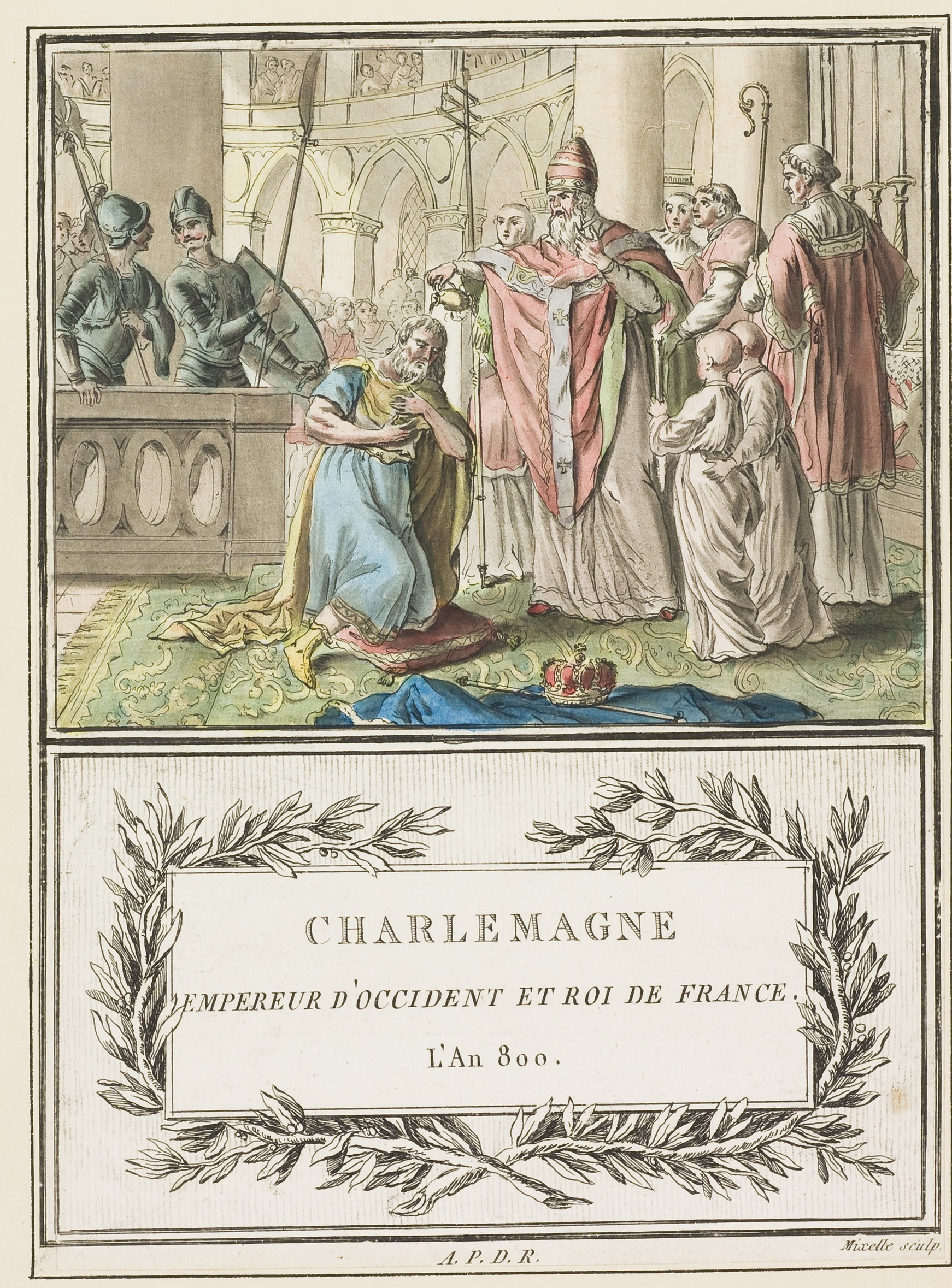 Painting
Secondary source
Jean Marie Mixelle
 Painting
Secondary source
Johann Jakob Kirchner (engraver), after Albrecht Dürer
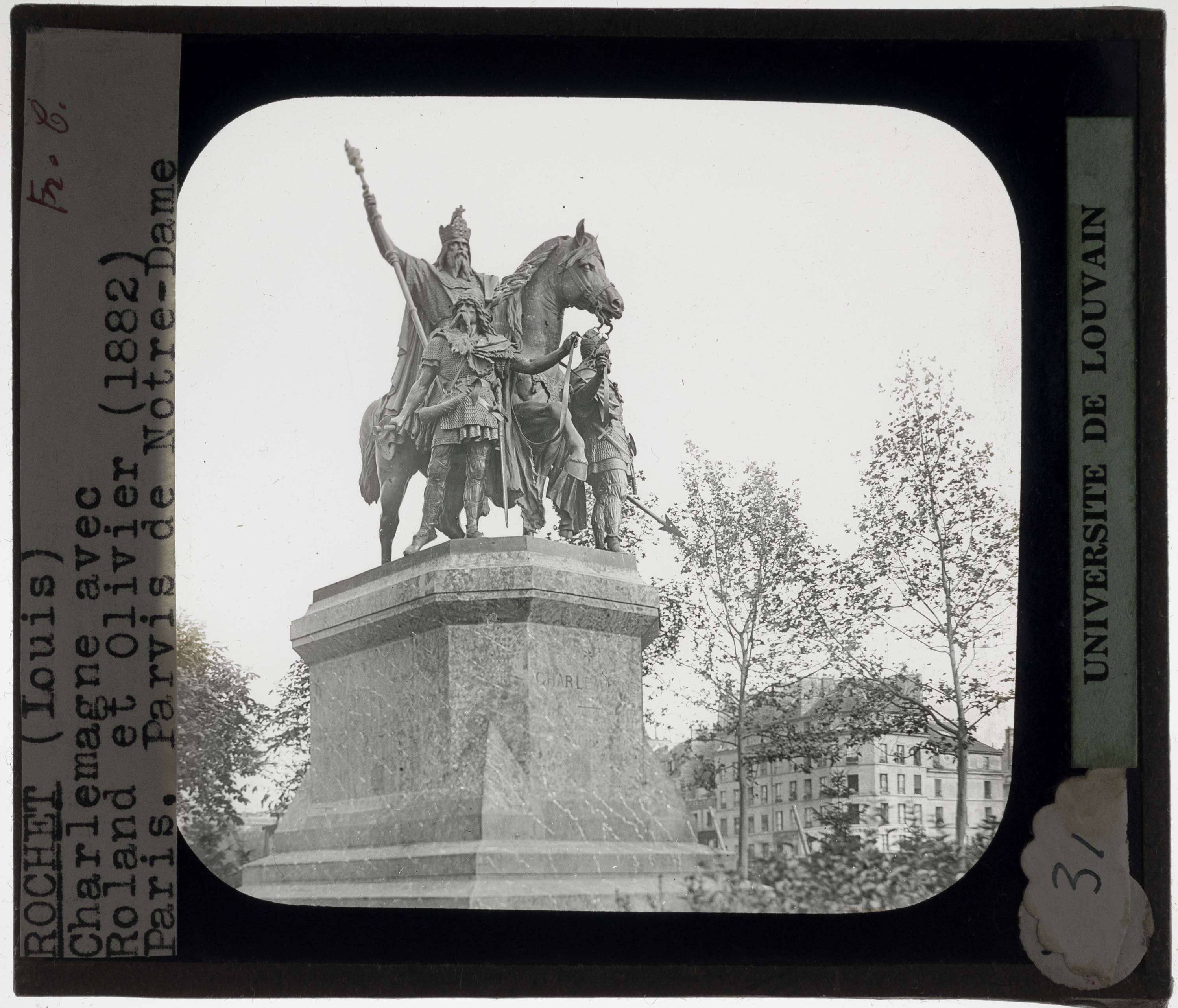 Photograph
Secondary source
Louis Rochet (statue); photographer unknown · 1882
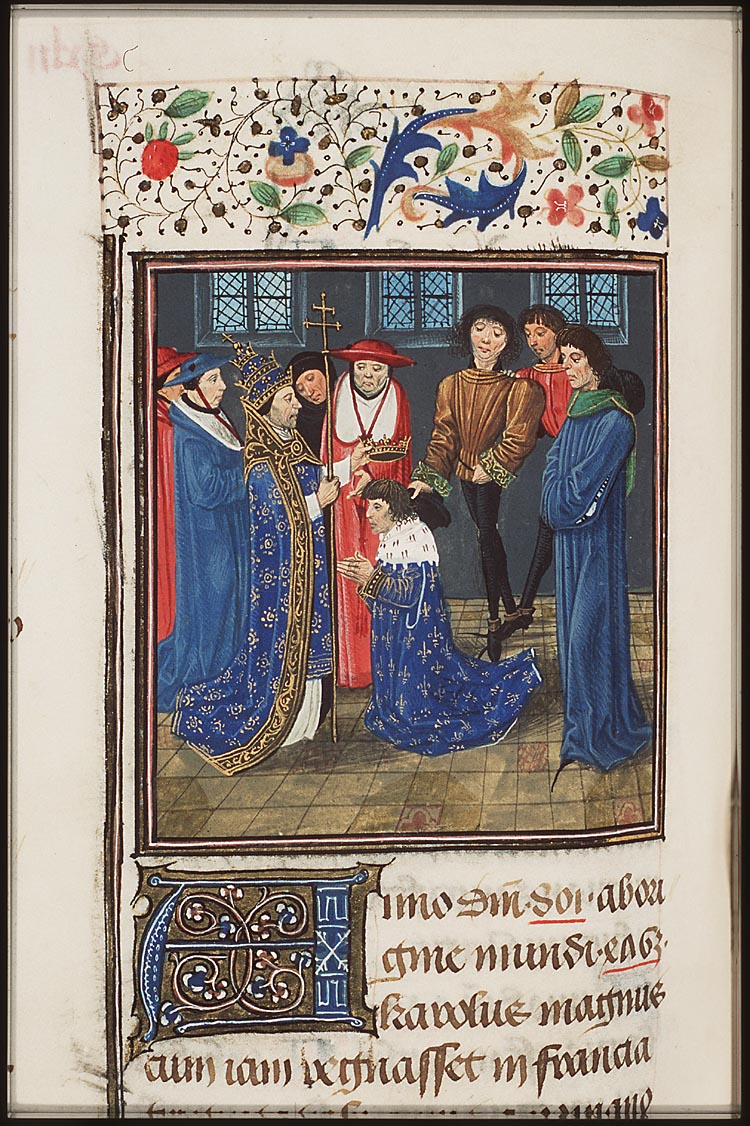 Painting
Secondary source
Jean Dreux
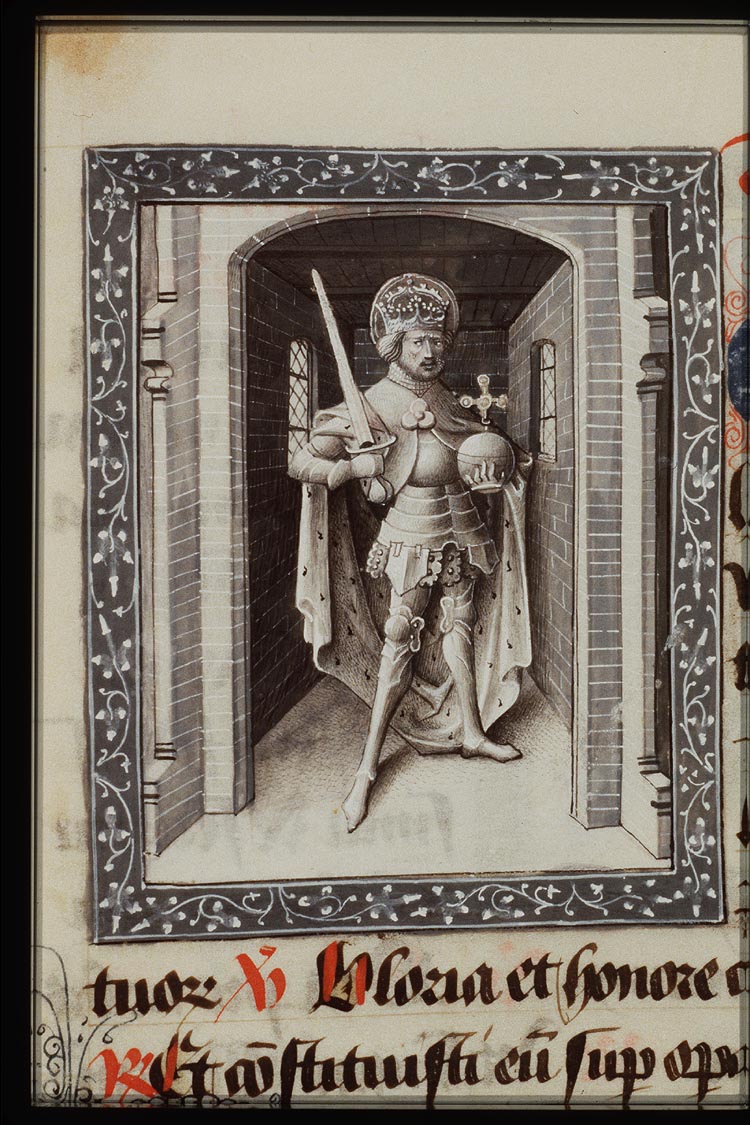 Painting
Secondary source
Jean le Tavernier · 1454
Secondary source
1860s
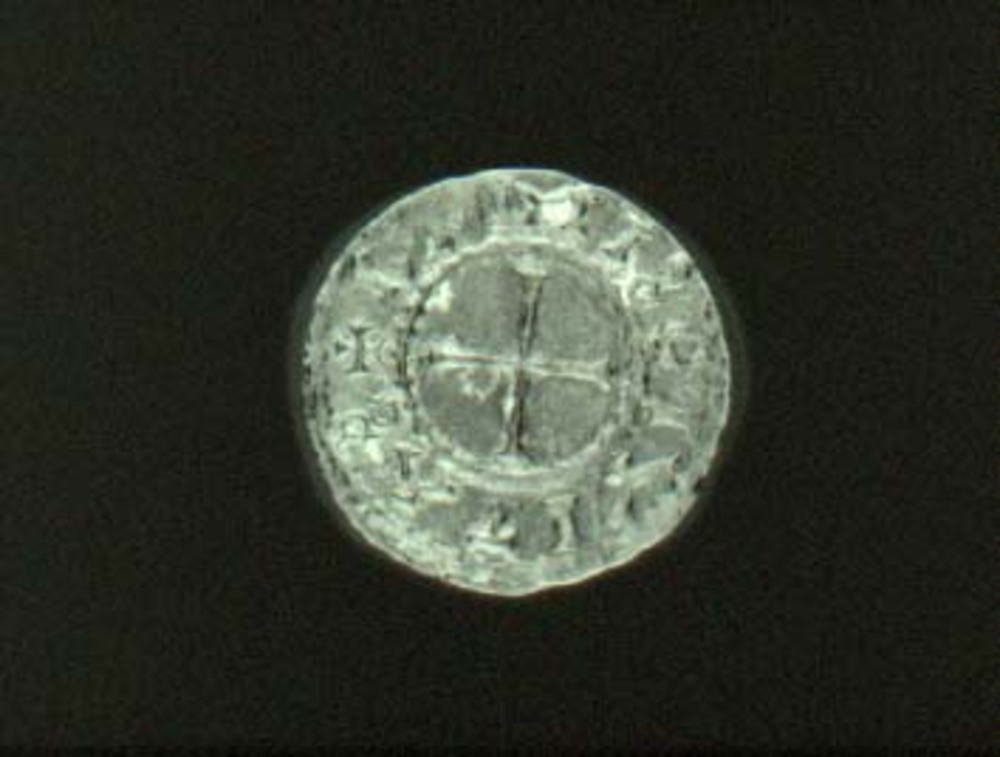 Artifact
Primary source
781
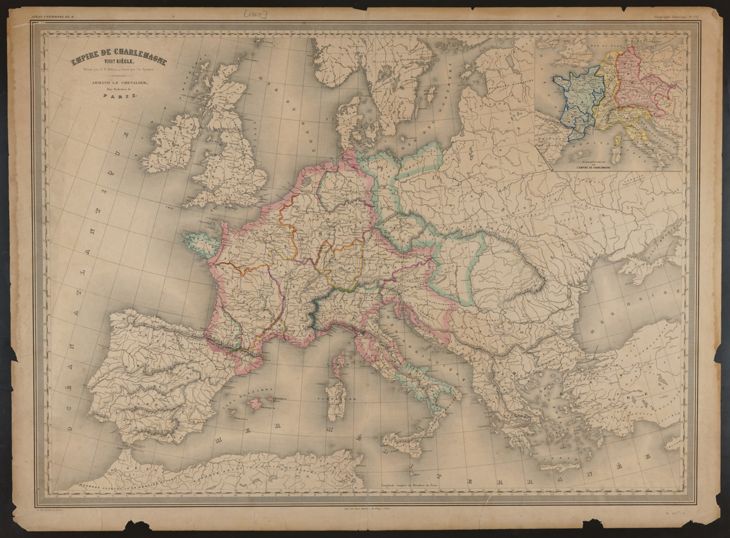 Document
Secondary source
A.-H. Dufour (Auguste-Henri Dufour)
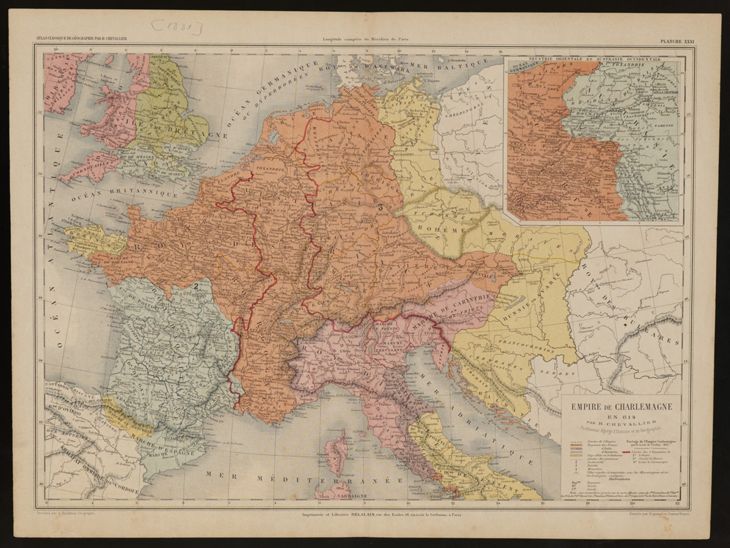 Document
Secondary source
Henry Chevallier · 1881
Tertiary source
1913
Secondary source
1860s
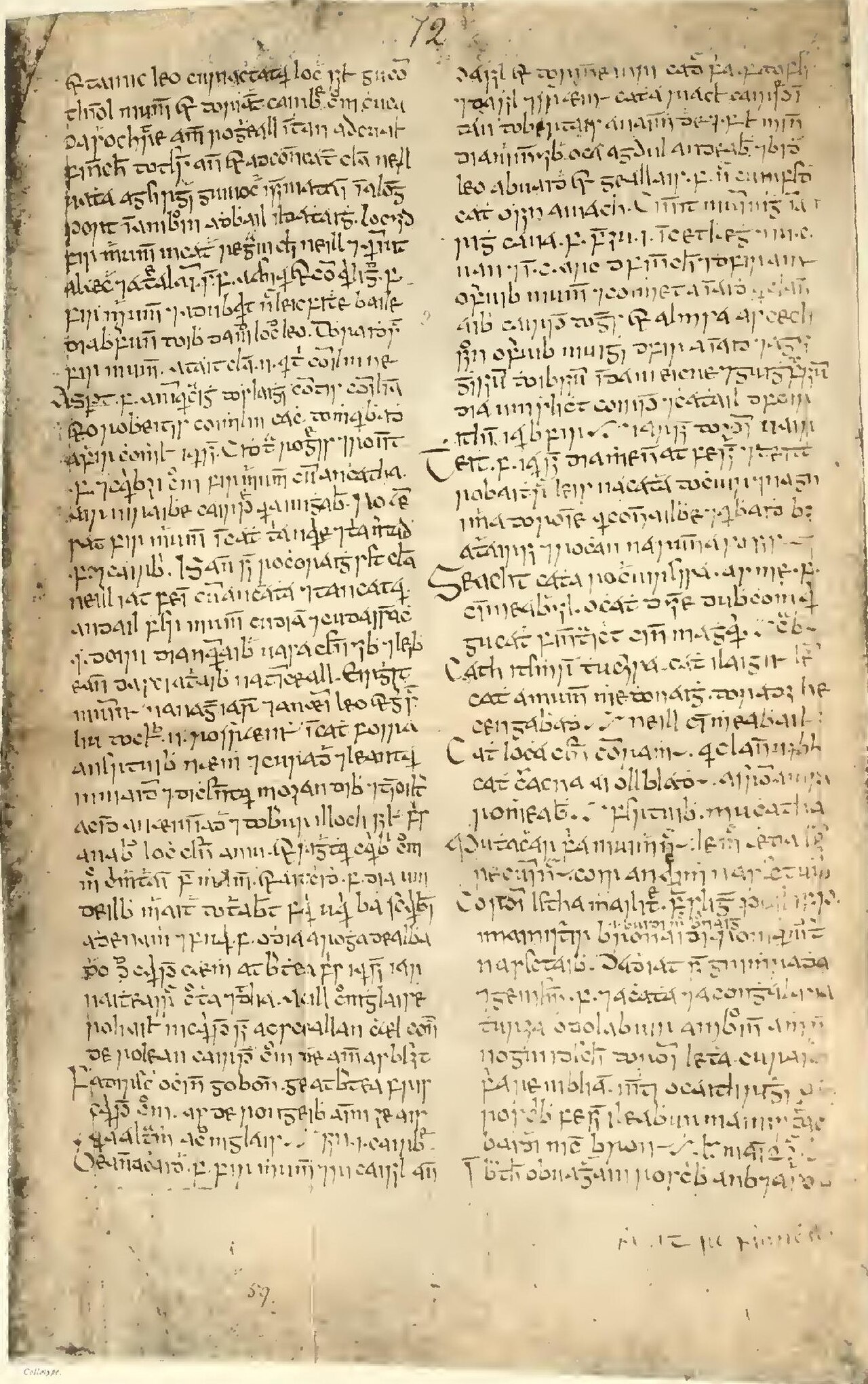 Book
Secondary source
late 15th century
Want the full shelf? Chat with Charlemagne in the app and open the Sources panel — every quote links back to the original.
1 assignment · 1 collection
A ready-made assignment and collection from the Humy team and other teachers that feature Charlemagne. Preview any of them, then try it free.
Paying customers



























Dr. Michael Calvert
Assistant Superintendent, South Allegheny School District, Pennsylvania
Been using Humy in his district since 2024
“We enjoyed the program last year and used it frequently.”

Jacob Chisom
World and American History, Monticello High School, Arkansas
Been using Humy in his classroom since 2024
“My students say it’s a welcome change of pace. I’m not a fan of the “sage on the stage” model, so I try to incorporate research-oriented and self-paced activities. With Humy, students have to take charge of their learning. They’ve become more adept at critical thinking, forming better questions, and improving their reading comprehension. The interview feature has been my go-to tool. I create assignments where students must ask historical figures a set number of questions, then summarize the responses to ensure they’re truly absorbing the material. This approach lets them actively explore the past rather than passively consuming information.”
Roger Campbell
7th-grade World History, Lancaster County, Pennsylvania
Been using Humy in his classroom since 2024
“Humy has helped me bring historical figures, sometimes long past, to life. When my students interact with these figures in real-time, it eliminates some of the perceived “ancient” characteristics of my curriculum. This has shifted my students’ thinking away from viewing history as abstract or irrelevant. Real-time interactions make historical figures relatable, even allowing students to ask off-topic questions that help put historical lives in a more relevant context for 13-year-olds. The feature I use the most is the interview feature. After teaching a topic, most recently Gandhi and Joan of Arc, I have the students ask pointed, focused questions. We practice good conversation techniques beforehand, teaching them to listen (or read) carefully and formulate thoughtful follow-up questions rather than just interrogating. It helps students practice effective conversation skills.”
Dr. Michael Calvert
Assistant Superintendent, South Allegheny School District, Pennsylvania
Been using Humy in his district since 2024
“We enjoyed the program last year and used it frequently.”
Jacob Chisom
World and American History, Monticello High School, Arkansas
Been using Humy in his classroom since 2024
“My students say it’s a welcome change of pace. I’m not a fan of the “sage on the stage” model, so I try to incorporate research-oriented and self-paced activities. With Humy, students have to take charge of their learning. They’ve become more adept at critical thinking, forming better questions, and improving their reading comprehension. The interview feature has been my go-to tool. I create assignments where students must ask historical figures a set number of questions, then summarize the responses to ensure they’re truly absorbing the material. This approach lets them actively explore the past rather than passively consuming information.”
Roger Campbell
7th-grade World History, Lancaster County, Pennsylvania
Been using Humy in his classroom since 2024
“Humy has helped me bring historical figures, sometimes long past, to life. When my students interact with these figures in real-time, it eliminates some of the perceived “ancient” characteristics of my curriculum. This has shifted my students’ thinking away from viewing history as abstract or irrelevant. Real-time interactions make historical figures relatable, even allowing students to ask off-topic questions that help put historical lives in a more relevant context for 13-year-olds. The feature I use the most is the interview feature. After teaching a topic, most recently Gandhi and Joan of Arc, I have the students ask pointed, focused questions. We practice good conversation techniques beforehand, teaching them to listen (or read) carefully and formulate thoughtful follow-up questions rather than just interrogating. It helps students practice effective conversation skills.”
FAQ
Like any LLM, the AI version of Charlemagne can get details wrong. Open one of these sources in a new tab to verify what you’ve read.

Powerful medieval queen and influential figure in European politics.

Caliph during the Islamic Golden Age.

Byzantine emperor known for his legal reforms and re-conquest of former Roman territories.

Queen of Castile and patron of Christopher Columbus.

Kurdish military leader and Muslim sultan, known for his role in the Crusades.

Empress of the Byzantine Empire.
Ready when you are
20 messages free · No credit card · Available in 50+ languages.