


Secondary sourcePainting1510
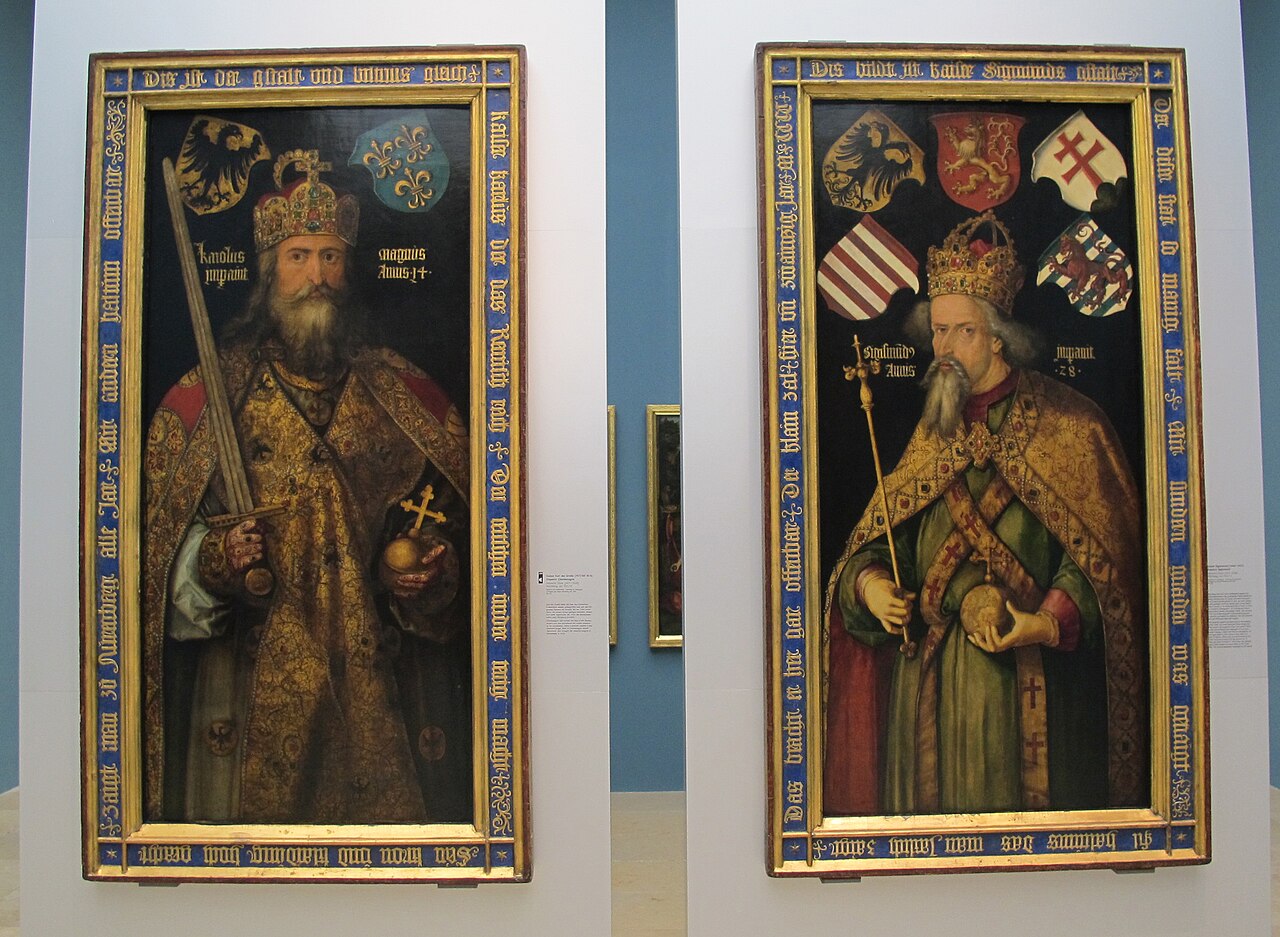
Portraits of Charlemagne by Albrecht Dürer
Albrecht Dürer · 1510
A pair of idealised panel portraits by Dürer showing Charlemagne in coronation regalia, painted centuries after his death for Nuremberg's imperial relic chamber.
An idealised later portrait of Charlemagne in coronation regalia, made centuries after his death as a symbol of imperial legitimacy.
About this source
What it is
Two painted panels by the German artist Albrecht Dürer, made in 1510 for Nuremberg's imperial relic chamber. One panel shows a crowned, bearded figure in gold brocade holding a sword and an orb topped with a cross; coats of arms and Latin inscriptions appear above both figures. They are now held by the Germanisches Nationalmuseum.
Why it matters
Dürer never met Charlemagne, who had died nearly 700 years earlier. Instead he created an idealised image meant to link the Holy Roman Empire of his own day to its legendary founder. This painting became the lasting visual model of Charlemagne for later generations, shaping how people pictured him long after his actual appearance was forgotten.
Look closer
- Why might Nuremberg's rulers have wanted such a grand image of Charlemagne on display?
- What objects does the figure hold, and what might they be meant to symbolise?
- How can we tell this is an imagined likeness rather than a portrait made from life?
This painting is part of the curated material that grounds the AI version of Charlemagne on Humy.ai — when students ask about related events, the AI can quote it and cite it.
More Charlemagne sources
Meet the AI Charlemagne →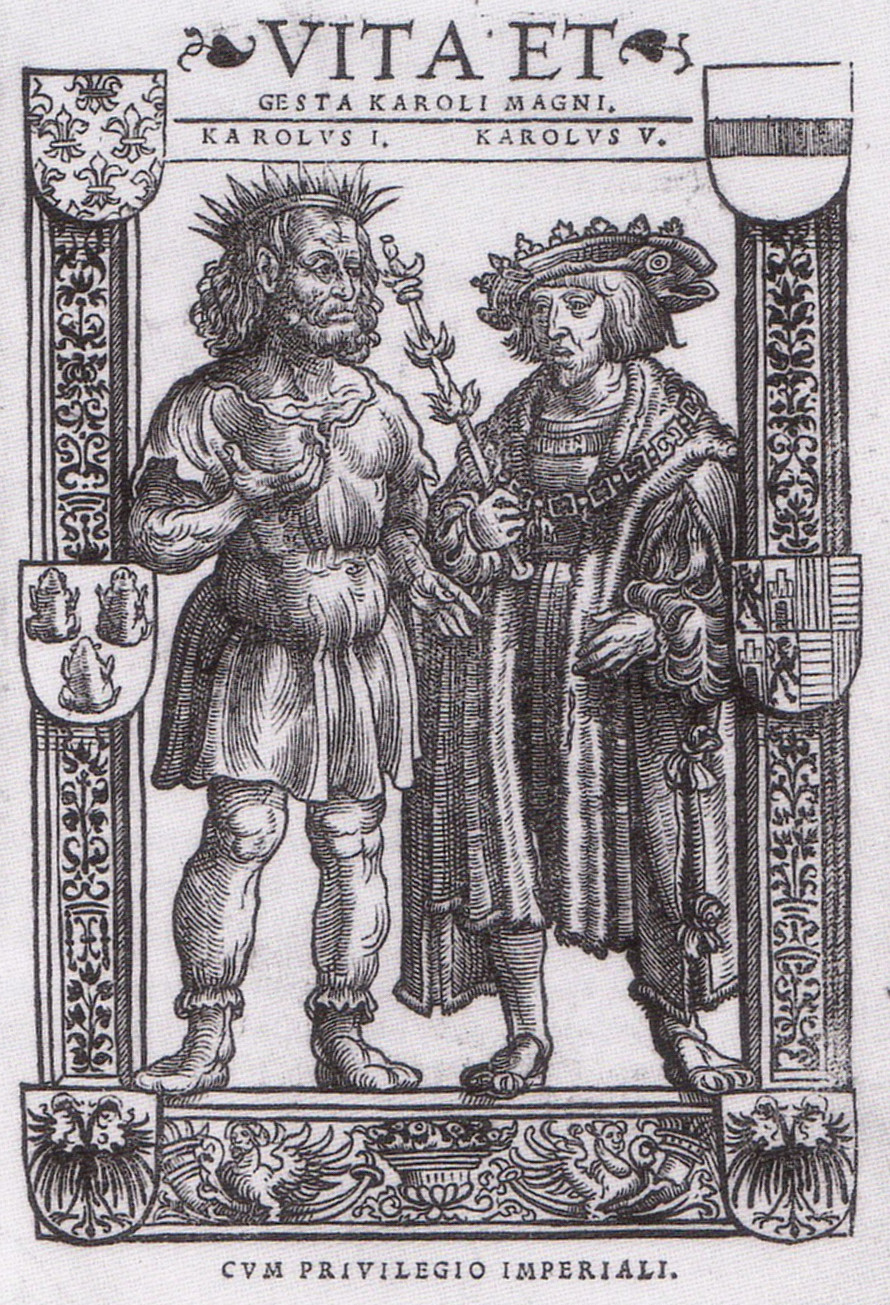 Book
Secondary source
Vita Karoli Magni
Einhard · c. 817-833
 Document
Primary source
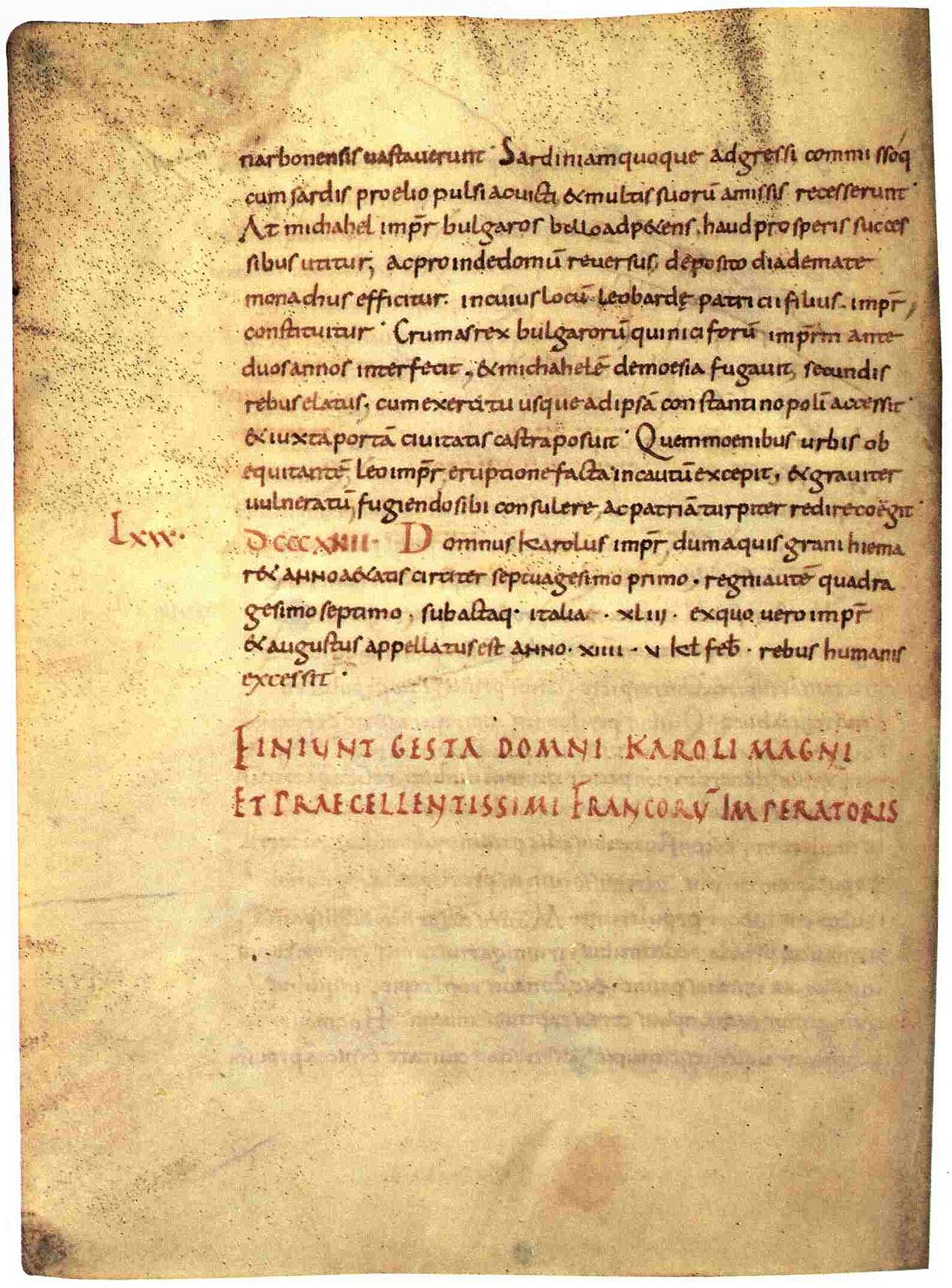
Royal Frankish Annals
741-829, this manuscript c. 900
Primary source
De litteris colendis
Charlemagne · late 780s-800s
 Document
Primary source
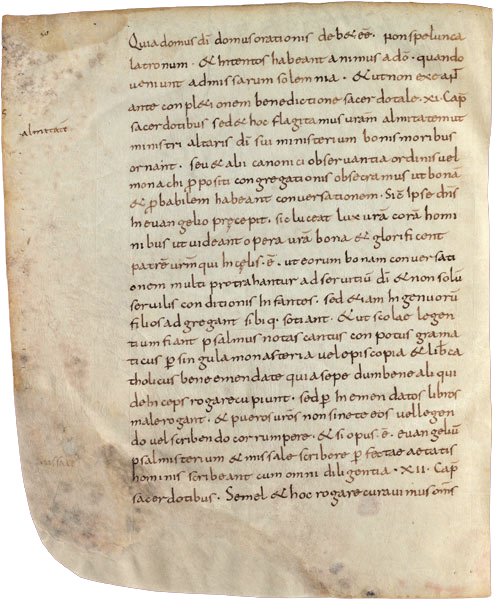
Admonitio generalis
Charlemagne · 23 March 789
 Document
Primary source
Capitulare de villis
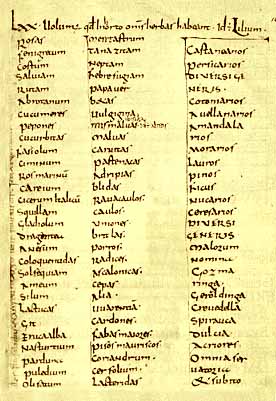
c. 771-800
Ready when you are
Start chatting with Charlemagne now.
20 messages free · No credit card · Available in 50+ languages.