


Secondary sourceArtifact1215
Shrine of Charlemagne
1215
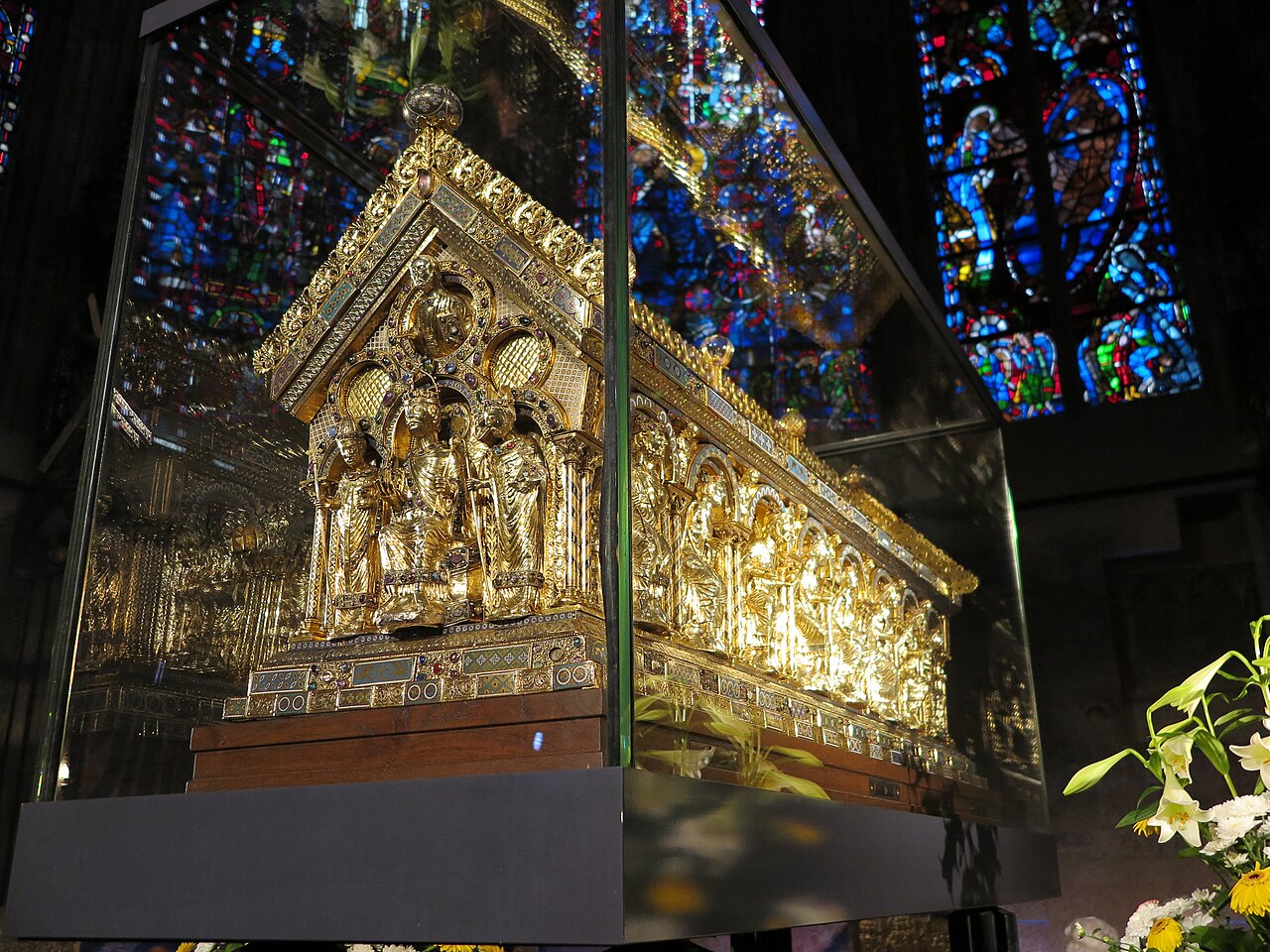
A gold reliquary made to hold Charlemagne's relics after he was canonised, showing how he was later venerated as a saint-emperor.
This shrine was built to hold Charlemagne's own relics after his canonisation, showing his later cult as a saint-emperor.
About this source
What it is
The Karlsschrein is a gilded shrine made in 1215 to hold the relics of Charlemagne, after Emperor Frederick Barbarossa had him declared a saint. It is decorated with gold, jewels and enamel panels showing seated and standing figures, and is kept in a church, displayed in a glass case.
Why it matters
The shrine shows how, centuries after his death, Charlemagne was turned into a holy figure as well as a political one. Frederick Barbarossa's push for his canonisation linked Barbarossa's own rule to Charlemagne's legendary authority, showing how later rulers used Charlemagne's memory for their own purposes.
Look closer
- Why might a later emperor want his predecessor declared a saint?
- What do the materials used (gold, jewels, enamel) tell you about how important this object was meant to look?
- What is the difference between honouring a ruler and honouring a saint?
This artifact is part of the curated material that grounds the AI version of Charlemagne on Humy.ai — when students ask about related events, the AI can quote it and cite it.
More Charlemagne sources
Meet the AI Charlemagne →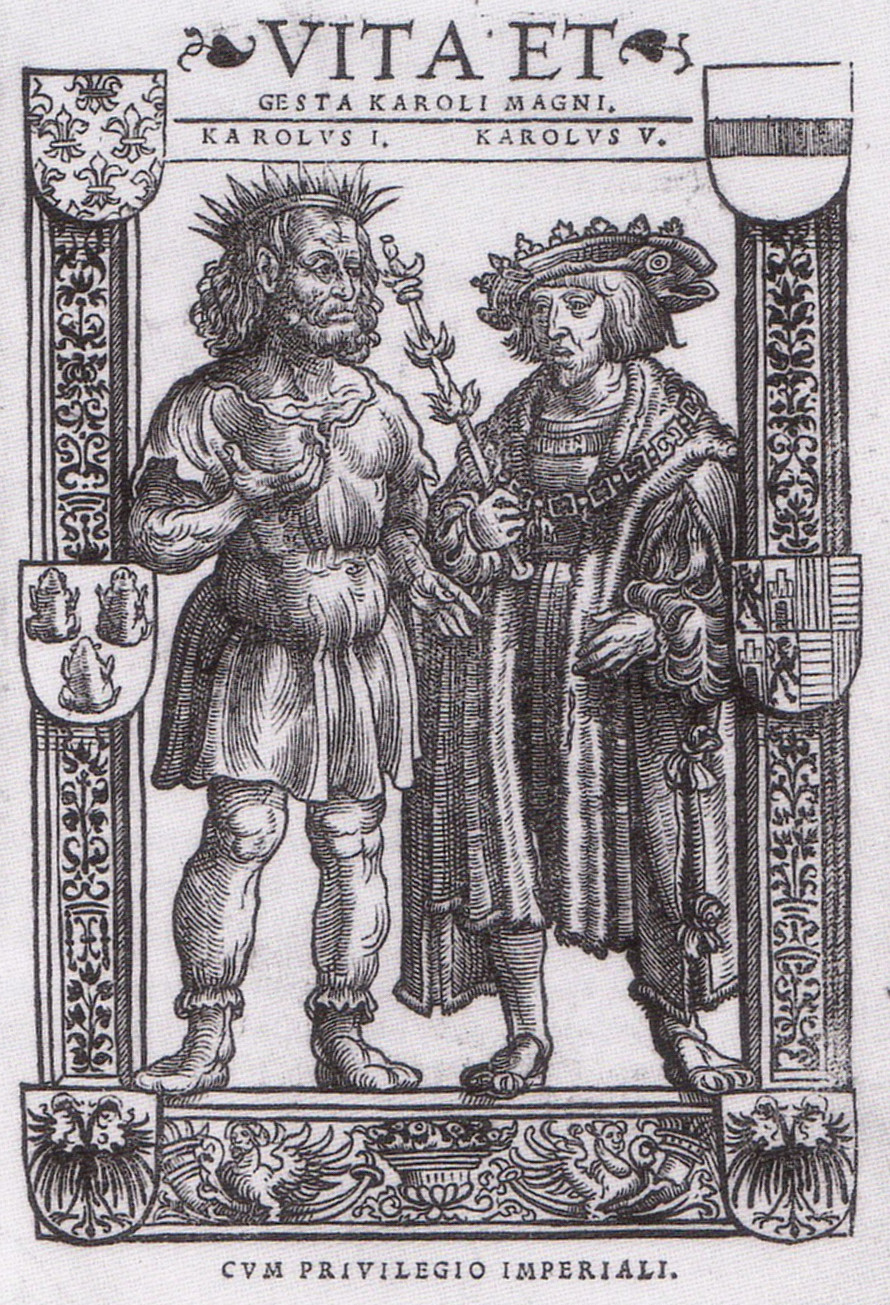 Book
Secondary source
Vita Karoli Magni
Einhard · c. 817-833
 Document
Primary source
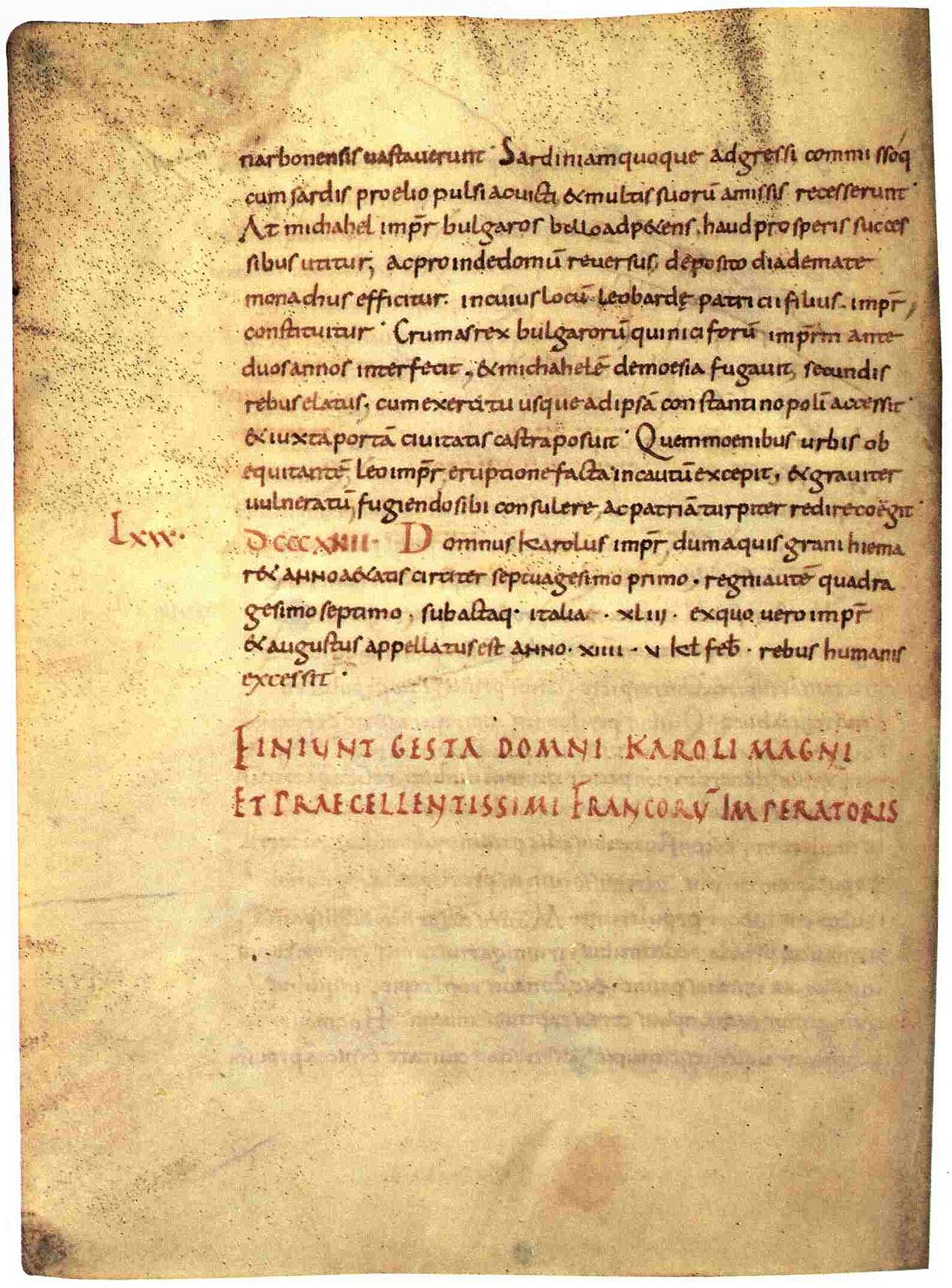
Royal Frankish Annals
741-829, this manuscript c. 900
Primary source
De litteris colendis
Charlemagne · late 780s-800s
 Document
Primary source
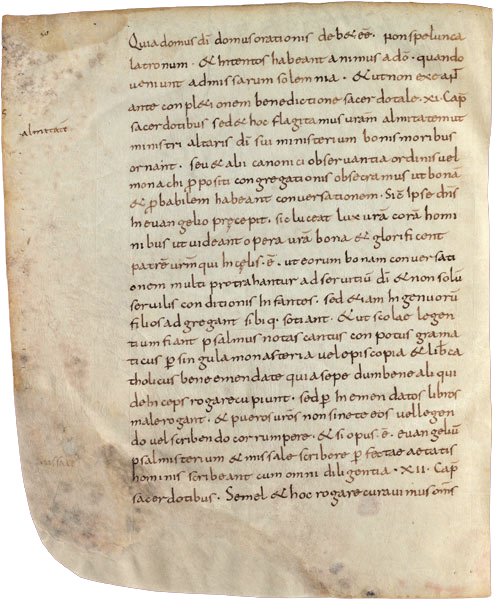
Admonitio generalis
Charlemagne · 23 March 789
 Document
Primary source
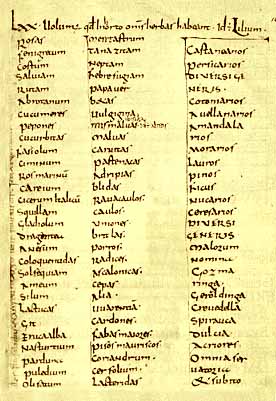
Capitulare de villis
c. 771-800
Ready when you are
Start chatting with Charlemagne now.
20 messages free · No credit card · Available in 50+ languages.