


Secondary sourceArtifact1215
Karlsschrein
1215
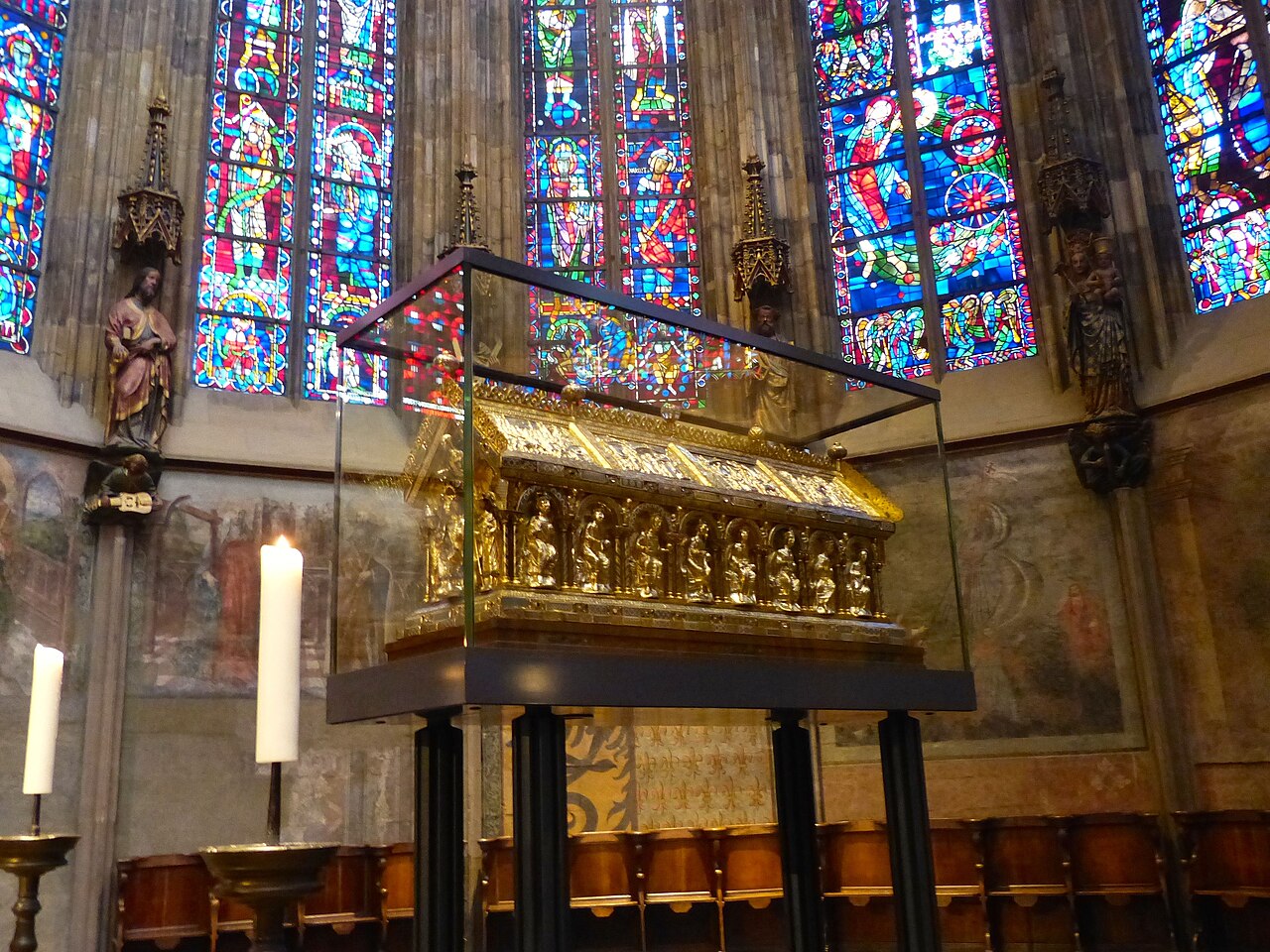
A gilded reliquary shrine completed in 1215 in Aachen Cathedral to hold the bones of Charlemagne after his canonisation.
This shrine, built after Charlemagne's canonisation, holds his remains and shows his use as a sacred model for later emperors.
About this source
What it is
The Karlsschrein, or Shrine of Charlemagne, is a gilded oak reliquary completed in 1215 at the command of Emperor Frederick II. It holds the remains of Charlemagne, which had earlier been placed in a sarcophagus by Frederick Barbarossa. It is kept in Aachen Cathedral, where Frederick II himself sealed the shrine in a ceremony tied to his own claim to the German throne.
Why it matters
The shrine shows Charlemagne enthroned between the Pope and an archbishop, a position usually reserved for Christ, and its sides depict sixteen later Holy Roman Emperors and kings. This design reflects how Frederick II and other medieval rulers used Charlemagne's sainthood and memory to support their own claims to imperial authority. Scientific study of the remains in the shrine has also given historians information about Charlemagne's unusual height and his life.
Look closer
- Why might Frederick II have wanted to personally oversee the sealing of Charlemagne's remains?
- What does placing emperors and kings around the shrine suggest about its political purpose?
- How do later anthropological investigations of the remains add to, or complicate, the legendary image of Charlemagne?
This artifact is part of the curated material that grounds the AI version of Charlemagne on Humy.ai — when students ask about related events, the AI can quote it and cite it.
More Charlemagne sources
Meet the AI Charlemagne →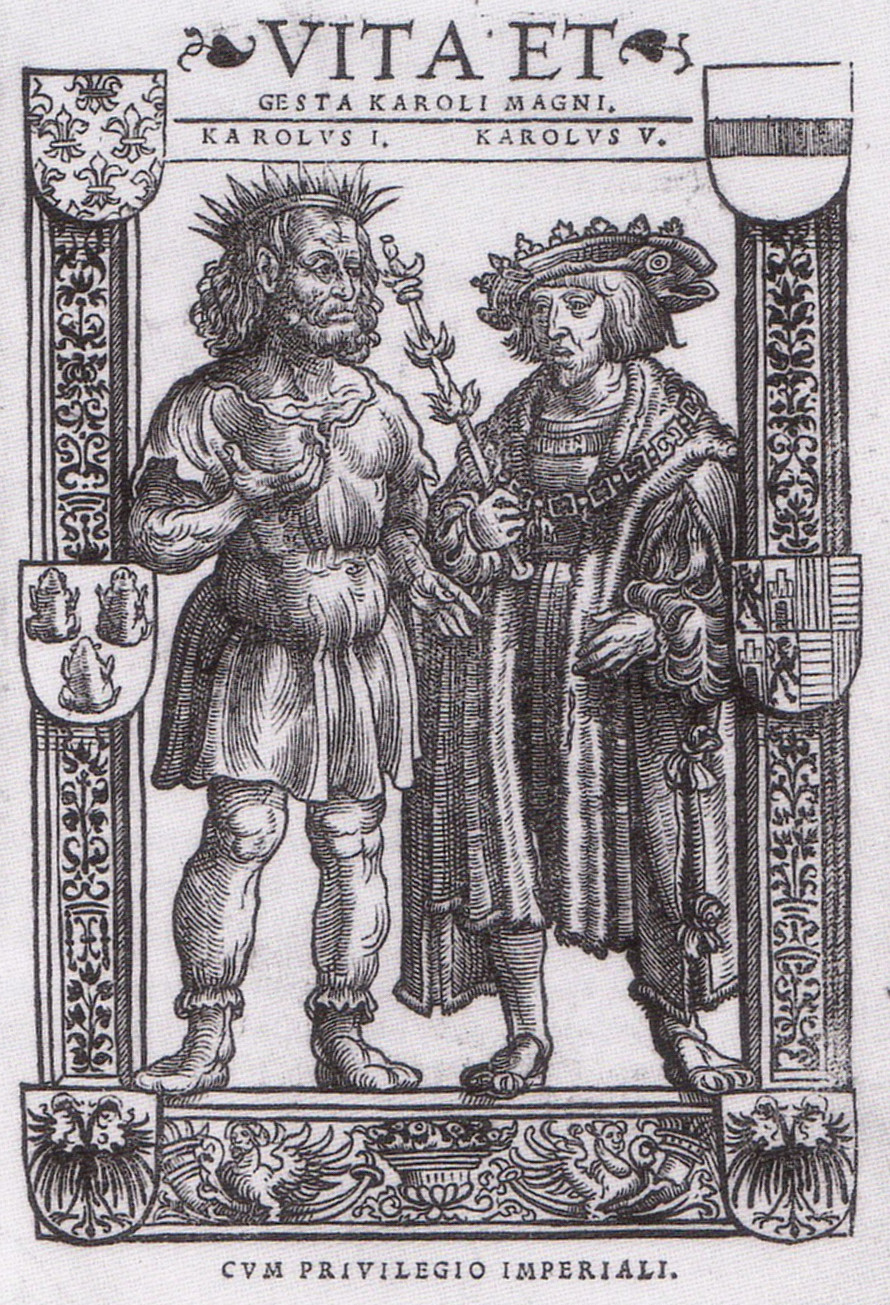 Book
Secondary source
Vita Karoli Magni
Einhard · c. 817-833
 Document
Primary source
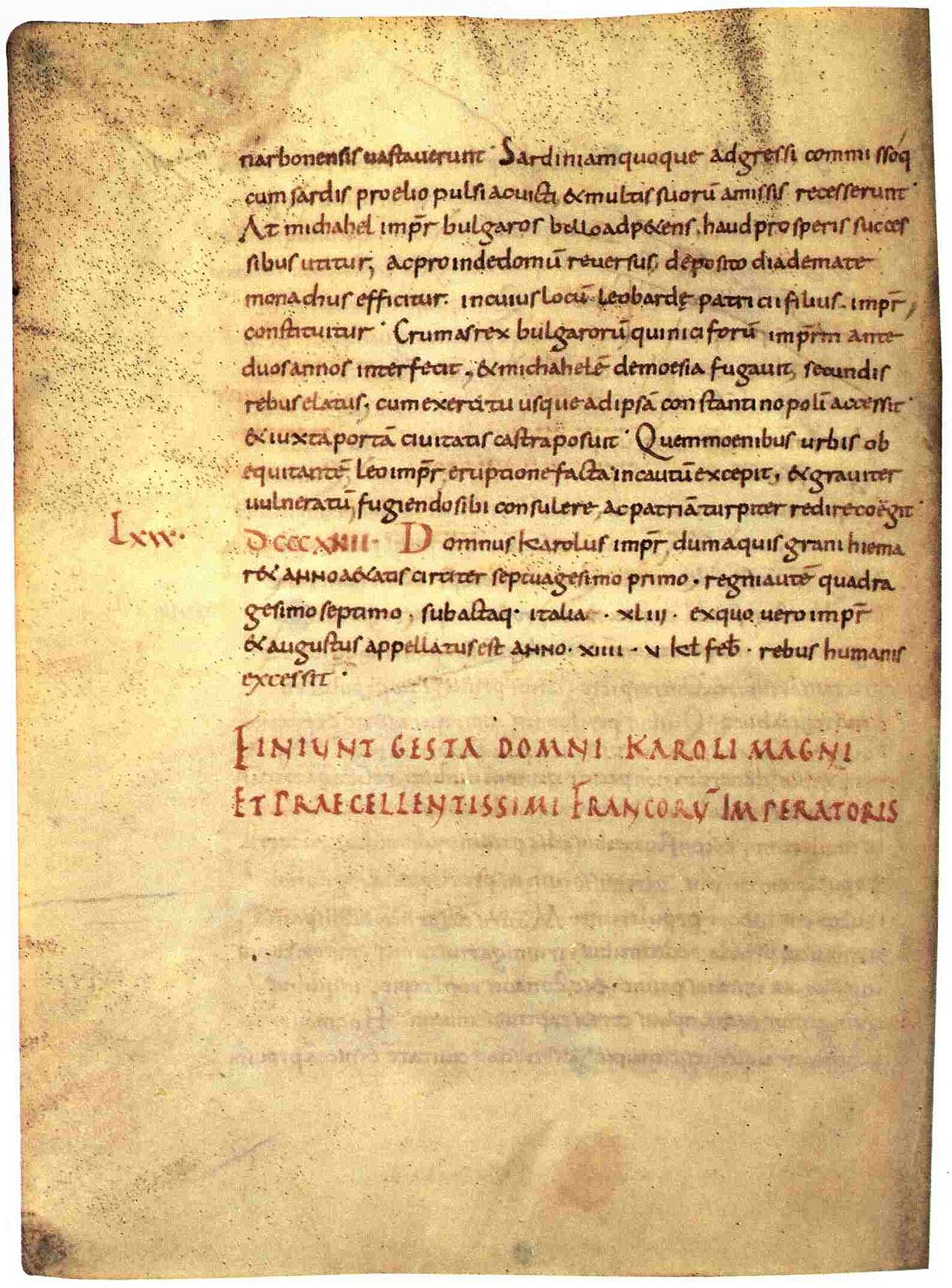
Royal Frankish Annals
741-829, this manuscript c. 900
Primary source
De litteris colendis
Charlemagne · late 780s-800s
 Document
Primary source
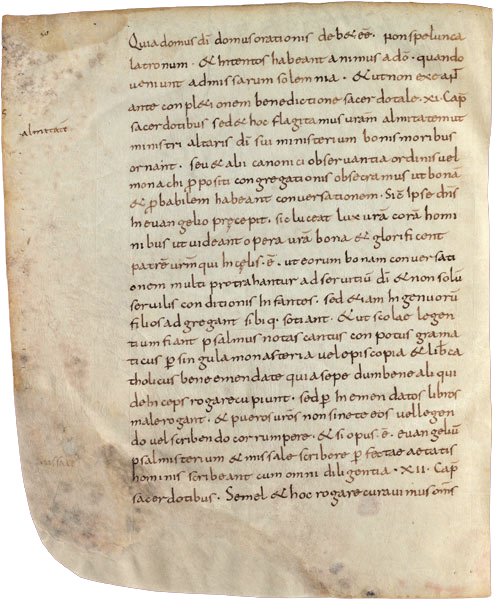
Admonitio generalis
Charlemagne · 23 March 789
 Document
Primary source
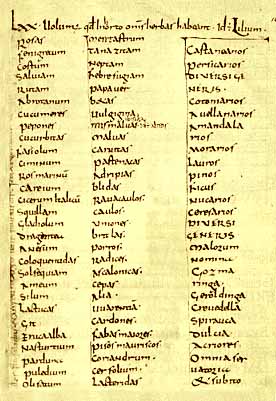
Capitulare de villis
c. 771-800
Ready when you are
Start chatting with Charlemagne now.
20 messages free · No credit card · Available in 50+ languages.